vip@mingyuforklift.com
+86-0535-2090977

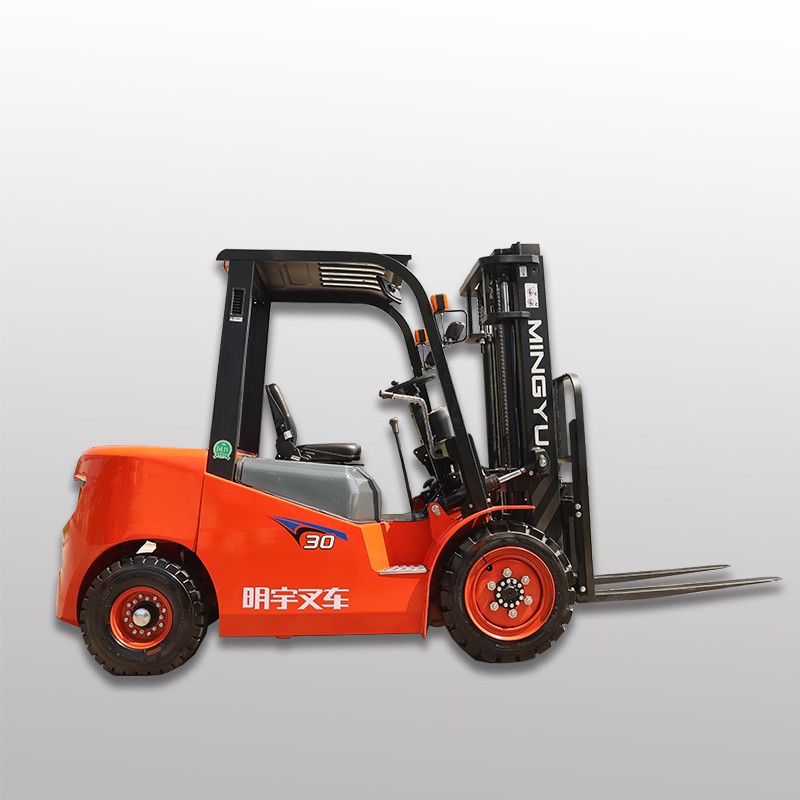
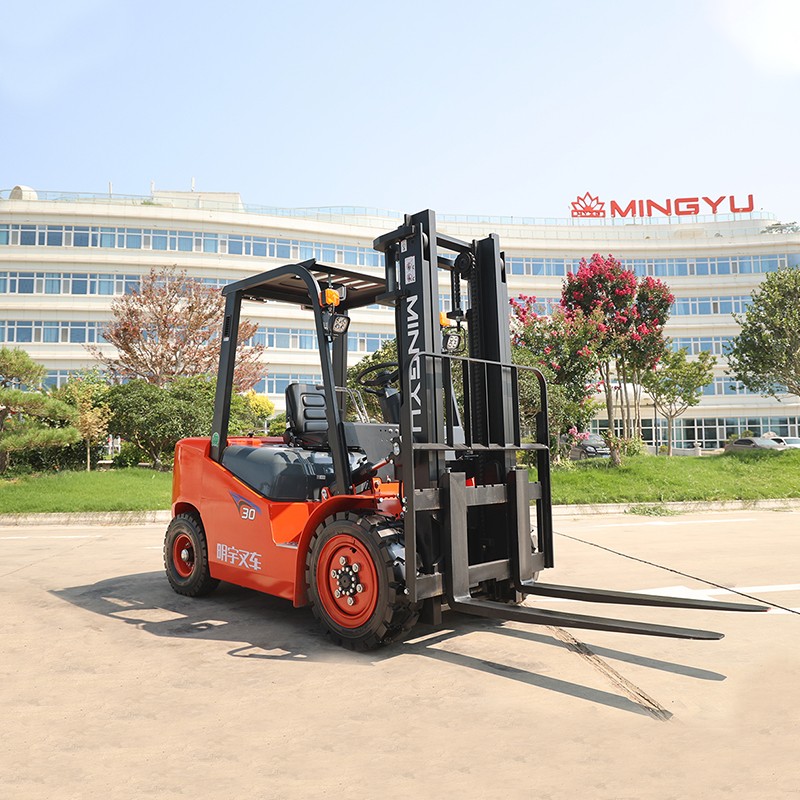
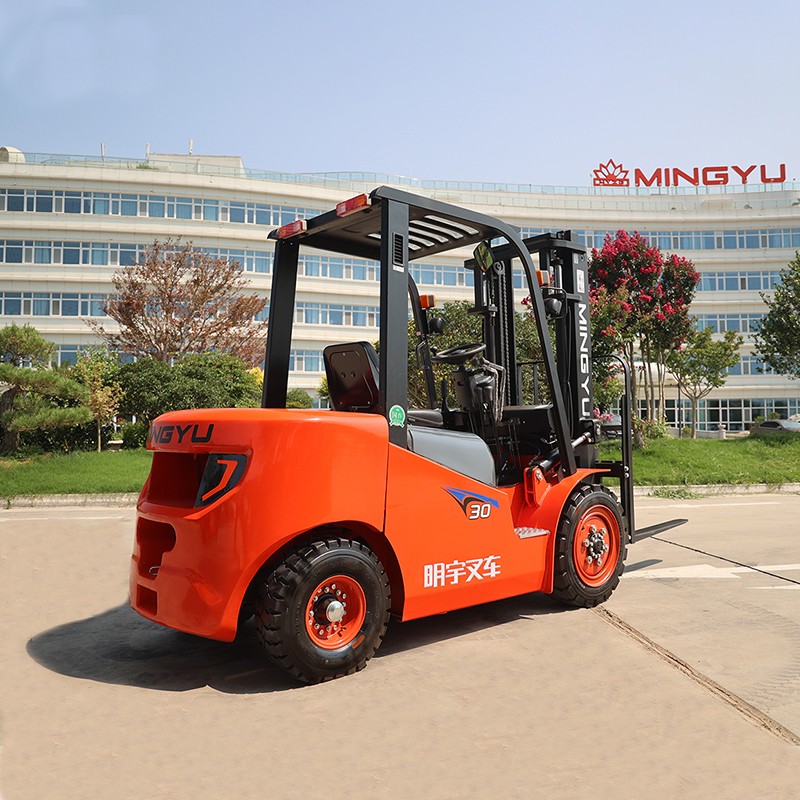
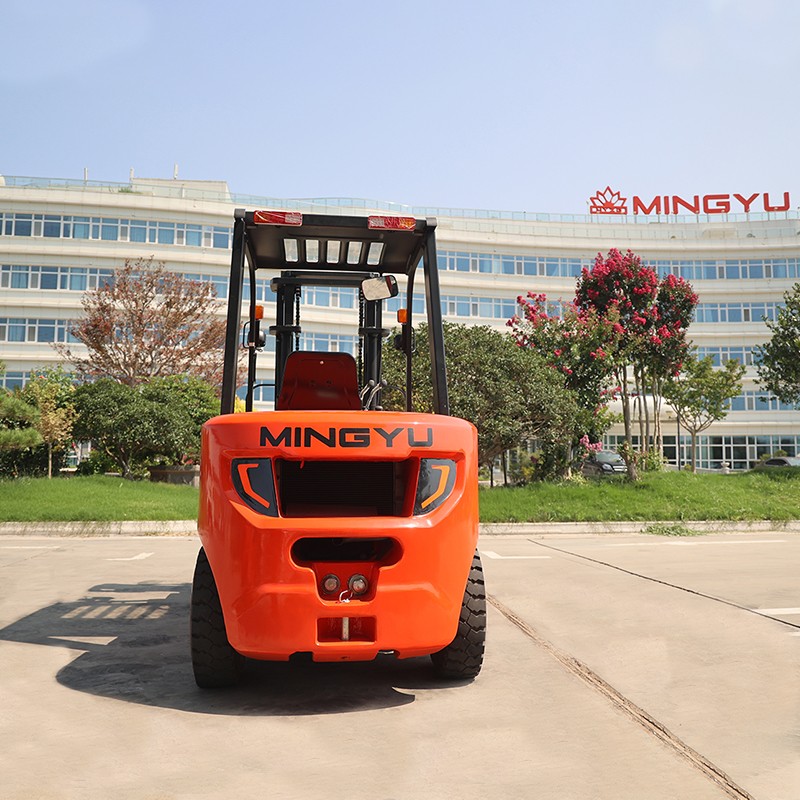
The CPC30-K2 is a distinct 3 ton class diesel counterbalance forklift shown in the ZGFORKLIFT / MYZG catalog. This application guide addresses small and medium metal-fabrication shops that receive steel components, move tooling between work cells and stage packed assemblies for dispatch. The source page describes the CPC30-K2 family with a 3,000 kg rated load at a 500 mm load center, a standard 3 m mast reference and optional equipment. A final selection must use the exact delivered truck's capacity plate, attachment approval and route assessment. Steel loads can be compact, long, off-center or unstable, so a simple rated-load number is insufficient.
Material may arrive as short palletized parts, long profiles, crates of castings and irregular scrap bins. A narrow aisle between machines can become blocked by temporary work-in-progress. Sparks, sharp edges and metal offcuts create additional maintenance and tire hazards. Record the heaviest real lift, the longest unit, fork-entry positions and packaging condition. Identify whether a load must be turned, stacked or delivered directly to a machine. Do not use the forklift to support a suspended operation or lift a person. A separate engineered attachment or handling method may be required for long or round stock.
Survey receiving, raw-material storage, cutting, welding, assembly and outbound staging as one route. Measure clear width at the most crowded point, overhead clearance at doors and cranes, rack height, floor condition, gradients and the path of pedestrians. Mark safe waiting points near work cells so a driver does not hold a raised pallet while a machine operator clears space. Diesel exhaust and ventilation need particular attention near enclosed production areas; the site may allocate an electric truck or a transfer process to indoor legs. The right solution depends on local rules and a site assessment.
The site's CPC30-K2 source product shows four different views of the orange MINGYU-branded truck. It lists a 3,000 kg rated-load reference at a 500 mm load center and describes choices of engine, transmission, mast, forks, tires and attachments. These are possible configurations, not a promise that every pictured truck carries every option. Request a written specification identifying the actual engine code, tire type, fork length, mast, attachment, capacity plate and emissions documents for the machine supplied.
Use the diesel forklift category to compare the class with other sizes, then review the All Products listing when a different powertrain or capacity may fit better. A side shifter, positioner or clamp can change the load center and residual capacity. Ask the supplier to recalculate the usable load at the required lift height and mark the actual configuration on the truck. Never infer an attachment's suitability from a generic product photograph.
Load geometry: list gross weight, dimensions, center of gravity, fork-pocket spacing, pallet underside and the point of lifting for castings, fabricated frames, tooling and packed finished goods. Capture the worst off-center and long load, not only a standard pallet. Request the truck's residual-capacity chart with the selected mast and any attachment. Agree how round bars, sheet packs and unsecured bins will be restrained before travel.
Route fit: measure the narrowest aisle with stock and guards in place, turning bay, door and crane clearance, floor rating, loading apron and dock plate. Include temporary work-in-progress in the traffic plan. Verify the combined forklift and load can enter any trailer or container under a documented safe method. A demonstration should use an approved representative load on the tightest routine route and record any restriction discovered.
Ownership: estimate movements per shift, peak loading time, fuel supply, shift coverage and expected service access. Ask for the final equipment schedule, manuals, pre-delivery inspection, operator training, warranty terms and parts route. Identify a local service contact before purchase. A dealer should not assume that an engine or transmission option discussed for another market is included in this quotation.
At receiving, inspect packaging and strapping before lifting. Separate damaged pallets and loose steel bundles for a safe rework method. Ensure fork engagement and load placement follow the delivered manual. Establish pedestrian crossings away from a truck's turning and reversing zone. For internal supply, stage components in marked positions at a defined handover point rather than allowing forklifts to approach a machine while operators work nearby. The broader product range can help allocate pallet trucks, stackers and a counterbalance forklift to different parts of the flow.
At finished-goods storage, check rack load ratings and pallet support. Long assemblies may need a dedicated stillage or engineered fixture; do not balance them on standard forks without approval. For dispatch, confirm carrier restraint, truck-bed condition, bridge-plate capacity and communication with the driver. Keep fragile coatings and precision-machined surfaces protected from fork contact. Record incidents and unusual loads so the next shift does not repeat an unsafe improvised lift.
A pre-use inspection should cover forks, locks, mast, chains, hydraulics, tires, steering, brakes, horn, lights, mirrors, seat belt, overhead guard and readable capacity plate. Remove a truck with a safety defect from service until qualified inspection and repair. Metal offcuts can damage tires and lodge around the mast; check the route and machine regularly. Dust and welding residue can affect filters and cooling. Follow the delivered service schedule and use cleaning methods compatible with the engine and electrical components. Fuel handling must follow site rules and local law.
Track engine hours, tire cuts, brake work, hydraulic leaks, filter changes, mast service and downtime by serial number. The FAQ supports common buyer questions, while the parts and dealer page starts a conversation about local stocks and response time. Supply the engine code, serial number and component photographs when ordering parts. Similar CPC30 names need not share every component.
A dealer should qualify an inquiry with one form covering materials, maximum real load and center, lift height, aisle, indoor exposure, shift pattern, destination and service capability. Document a controlled demonstration and explain which tasks require a different attachment or method. A customer case or productivity number should be used only when supported by permission and evidence; this page does not invent a named factory or performance result.
For export, identify the actual engine and destination emissions rules, then request the relevant documents. If EPA conformity is required, ask for the correct engine and machine records for the supplied configuration. If CE documentation is required, request the declaration and supporting file for that exact truck. Confirm labels, manuals, packing, shipping dimensions, commissioning, parts and warranty terms. The company overview provides background on Shandong Zhuogong Machinery Equipment Co., Ltd.; order-specific compliance and service obligations should appear in the agreement.
Send photographs and measurements of the heaviest pallet, longest component, fork entry, required lift height, shop route, doorways, floor and loading area. Include daily cycles, destination country and service needs. Shandong Zhuogong Machinery Equipment Co., Ltd. can review those details against a CPC30-K2 proposal. Email vip@mingyuforklift.com or call +86-0535-2090977, or use the contact page. Ask for the final capacity, engine, options and compliance documents before confirming the order.
Name: selena
Mobile:+86-13176910558
Tel:+86-0535-2090977
Whatsapp:8613181602336
Email:vip@mingyuforklift.com
Add:Xiaqiu Town, Laizhou, Yantai City, Shandong Province, China