vip@mingyuforklift.com
+86-0535-2090977

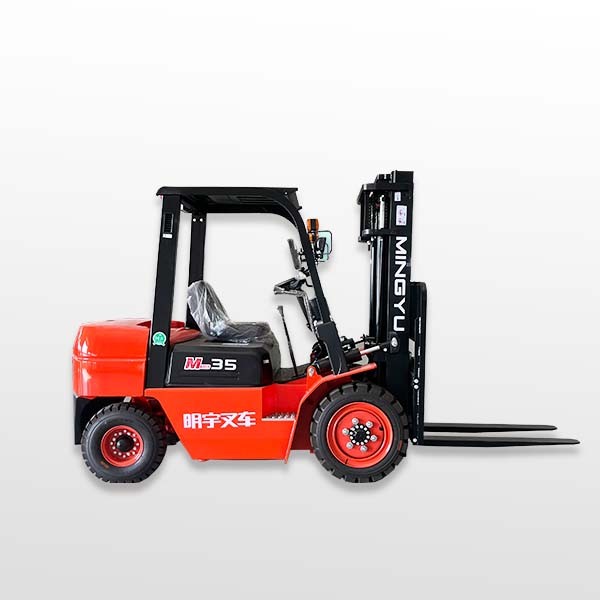
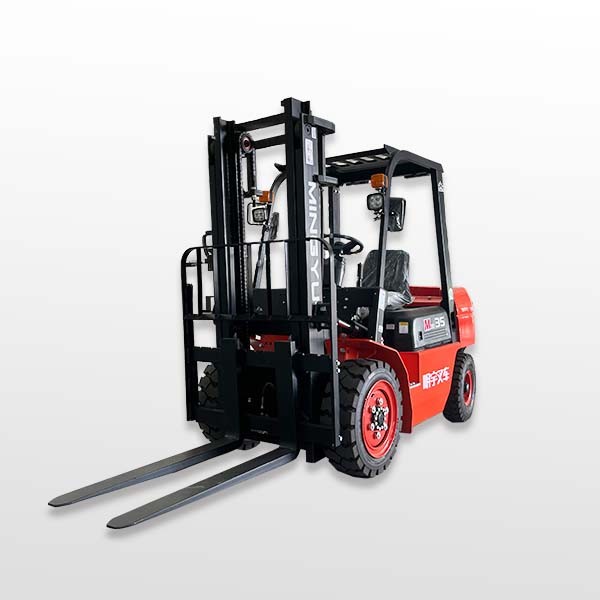
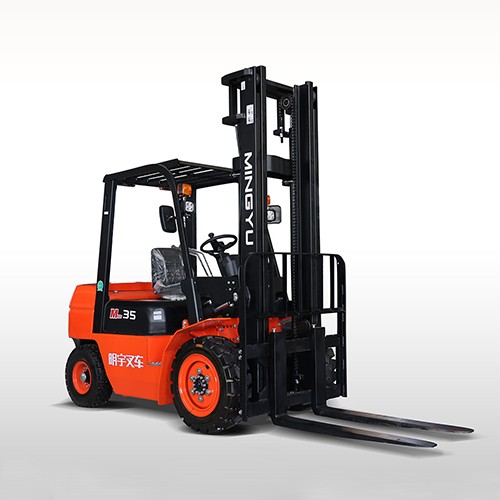
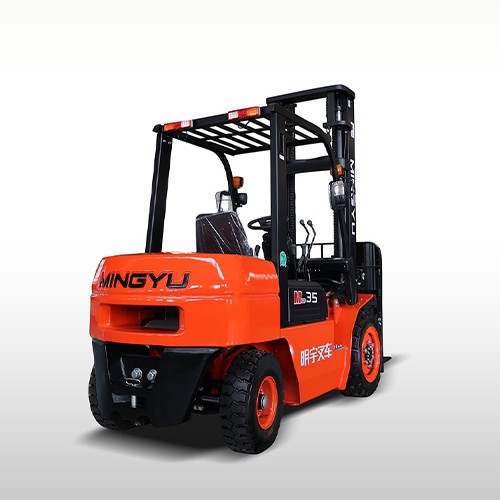
The CPC35 standard diesel forklift is a 3.5 ton class counterbalance truck shown separately from the CPC35-K2 in the existing ZGFORKLIFT / MYZG catalog. This page considers agricultural-supply depots that receive seed, feed, fertilizer and irrigation goods on pallets, then stage mixed contractor and farm orders. The source identifies the CPC35 diesel product family and a 3.5 ton capacity reference. The exact delivered mast, engine, forks, tires and residual capacity must be confirmed from the quotation and data plate. A rated-load label is not permission to lift a wet, long or off-center pallet without assessment.
Peak demand can bring many inbound pallets into a compact yard while customers collect smaller mixed orders. Bagged goods may be dense; irrigation pipe bundles can be long; seed cartons may be vulnerable to moisture and crushing. Ask the depot to record the heaviest actual pallet, load center, dimensions, fork-entry direction and condition of wrapping. Separate damaged pallets before lifting and choose a defined holding zone for returns. A machine that fits a standard feed pallet may need a different method for a long pipe pack.
Walk the route from unloading through inspection, covered storage, outdoor staging and vehicle dispatch. Measure clear turns, door heights, rack levels, drains, gradients, soft ground and pedestrian crossings. Outdoor duty still needs a surface and traction review; a standard diesel counterbalance truck is not automatically an off-road vehicle. Where a route enters an enclosed store, assess ventilation and local operating rules. Define where the driver can stop without blocking customers or carrier access.
The CPC35 source product shows four distinct views of the red MINGYU-branded forklift and identifies the 3.5 ton diesel family. Some general feature text on that page mixes descriptions of other systems, so do not treat every feature sentence as an order-level fact. Request the actual engine code, transmission, mast, fork and tire specification, capacity plate, manual and emissions documents for the supplied unit. Confirm options in writing rather than inferring them from imagery.
Compare size and power choices in the diesel forklift category and the All Products directory. A smaller machine may fit the store, while a rough-terrain truck or another handling method may be appropriate for poor ground. Ask for a residual-capacity review at the required lift height with any long forks or attachment fitted. The load center and stability can change substantially with overhanging fertilizer pallets or pipe bundles.
Loads: list gross weight, pallet underside, footprint, load center, package height and stability for seed, feed, fertilizer and irrigation products. Note moisture exposure and damaged boards. Record the longest bundle separately from the heaviest bagged pallet. Confirm the fork length and attachment method, then obtain the revised capacity information for that configuration.
Route: document the narrowest clear aisle, door and canopy heights, turning bay, rack beam, slab rating, yard gradient, drainage channels and loading-vehicle access. Include temporary seasonal stacks in the available space. A controlled trial should use representative loads on an approved route. Verify dock plates and vehicle beds can carry the combined machine and load before entry.
Duty and service: estimate daily pallets, peak harvest-season hours, travel distance, fuel arrangements and local maintenance capability. Request the exact equipment schedule, manuals, pre-delivery inspection, operator training, warranty terms and a named service contact. Plan parts supply before the busy season, not after a truck is unavailable during dispatch.
At receiving, agree vehicle restraint and communication with the carrier. Inspect each pallet and isolate unstable goods for rework. Keep forks fully engaged and follow the delivered manual for travel height, slopes and speed. At storage, verify rack and ground ratings and keep sensitive products protected from rain and contamination. The wider product range can help allocate a pallet truck, stacker or counterbalance forklift to the route where each is suitable.
For mixed outbound orders, stage loads by carrier and keep customers outside the forklift lane. Long irrigation products require a defined handling plan so they do not swing into pedestrians or stored goods. Before entering a truck body, verify restraint, plate rating and floor capacity. Do not use a forklift mast to push a leaning stack into place. Record unusual loads for technical review before they become routine.
Pre-use checks should cover forks and locks, mast, chains, hydraulics, tires, steering, brakes, horn, lights, mirrors, seat belt, overhead guard and readable capacity plate. Remove a machine with a safety defect from service until qualified repair. Dust, broken pallets and plastic wrap can affect cooling, tires and mast movement. Establish cleaning and filter checks suited to the actual site and the supplied manual. Fuel storage and refueling need local controls.
Track engine hours, tire cuts, brake work, hydraulic leaks, filters and downtime by serial number. The FAQ supports buyer questions, while the parts and dealer page starts a service discussion. A dealer should identify the actual engine and component codes when stocking parts. Similar CPC35 variants may not use every identical component.
A dealer should qualify each inquiry with load data, route, ground, shift pattern, destination and local service needs, then document a controlled demonstration. A customer case or performance number should be used only with permission and verifiable records; this guide does not invent one. For export, confirm engine identity, destination emissions rules, labels, manuals, packing, parts and commissioning. If EPA conformity is needed, request records for the exact engine and machine. If CE documents are required, request the declaration and supporting file for the ordered configuration. The company overview provides background on Shandong Zhuogong Machinery Equipment Co., Ltd.
Send weights and dimensions of the heaviest bagged pallet and longest pipe pack, load centers, storage height, route and ground photos, daily movements, destination country and service expectations. Shandong Zhuogong Machinery Equipment Co., Ltd. can review the proposed CPC35 configuration. Email vip@mingyuforklift.com or call +86-0535-2090977, or use the contact page. Confirm the final capacity, engine and compliance documents before purchase.
Name: selena
Mobile:+86-13176910558
Tel:+86-0535-2090977
Whatsapp:8613181602336
Email:vip@mingyuforklift.com
Add:Xiaqiu Town, Laizhou, Yantai City, Shandong Province, China