vip@mingyuforklift.com
+86-0535-2090977

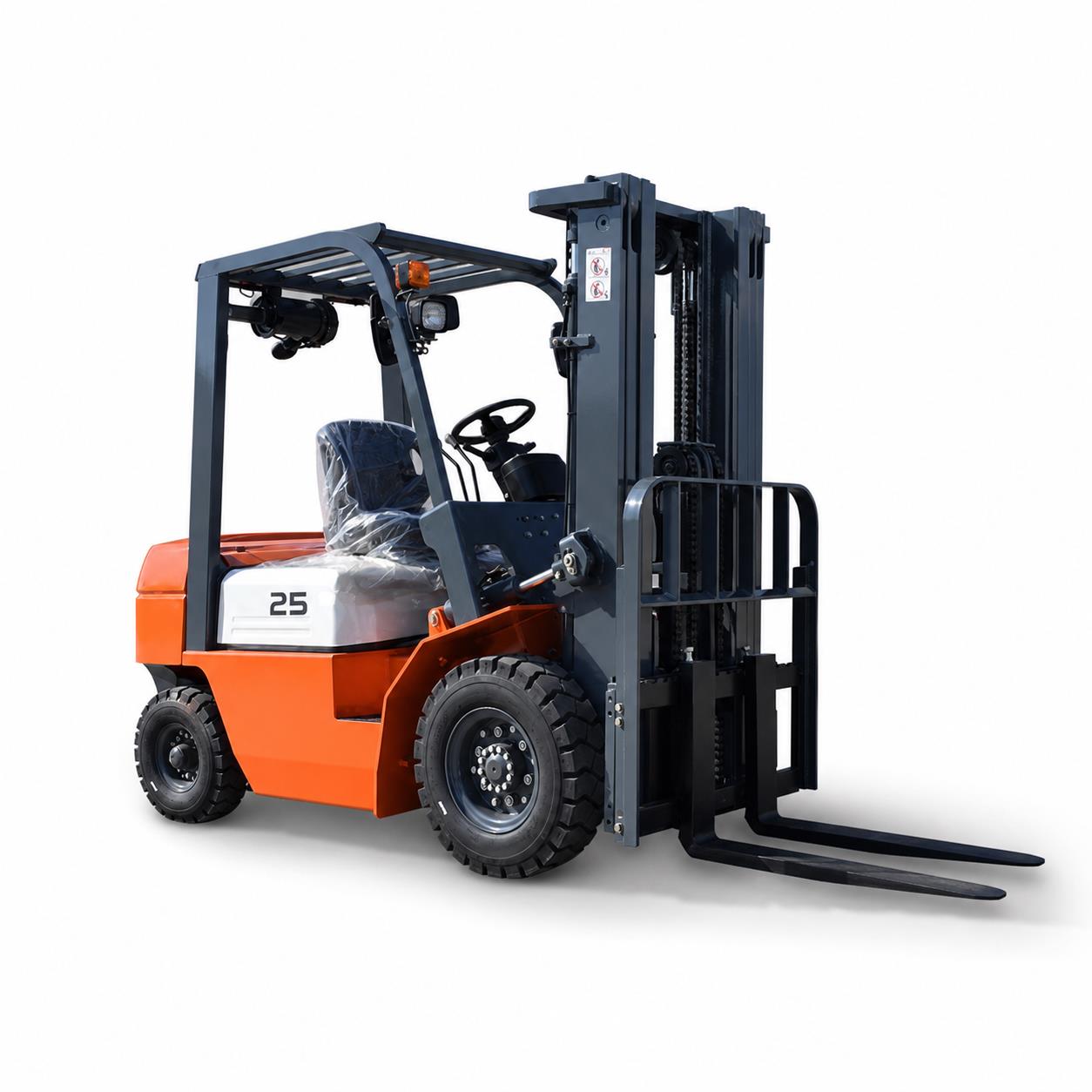
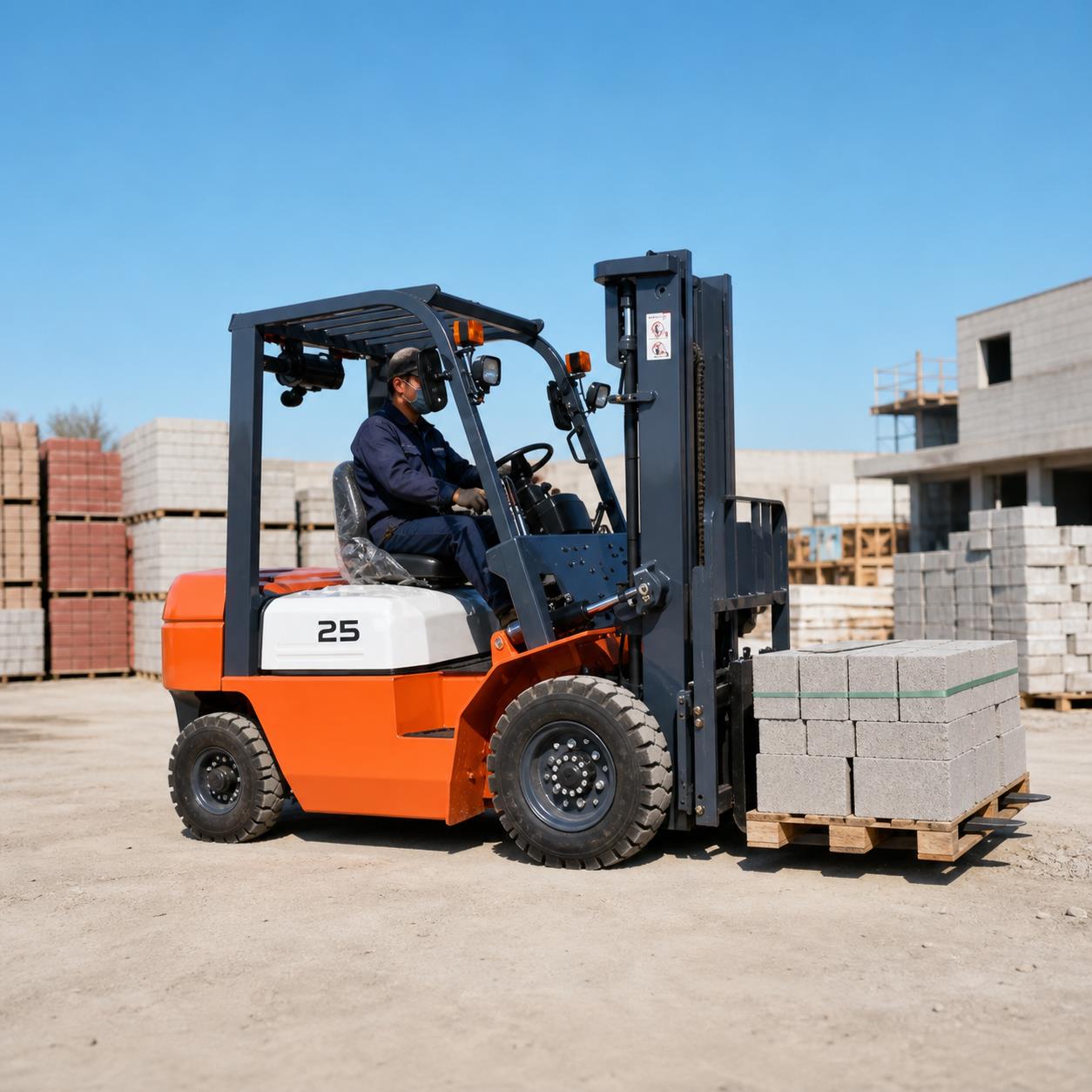
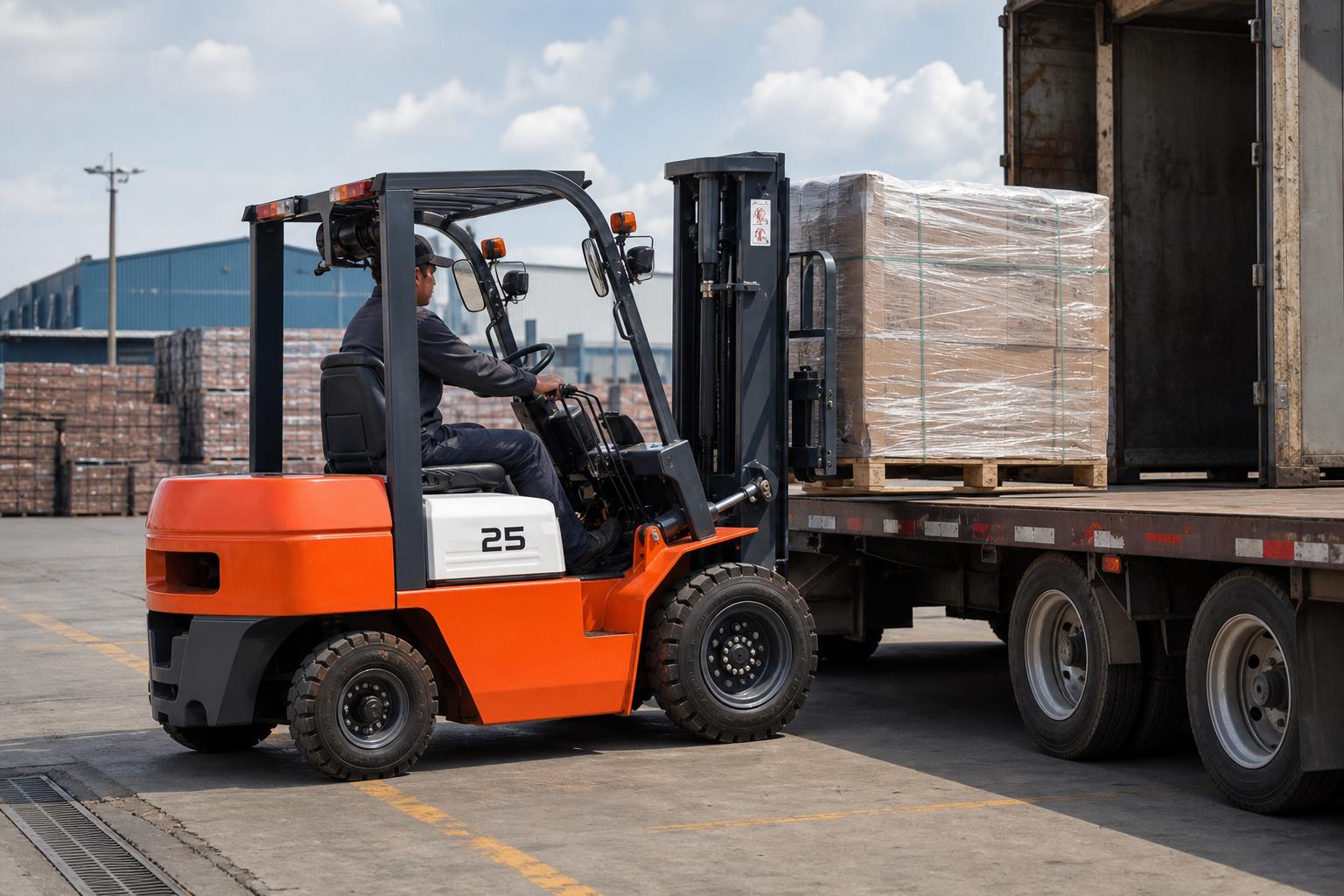
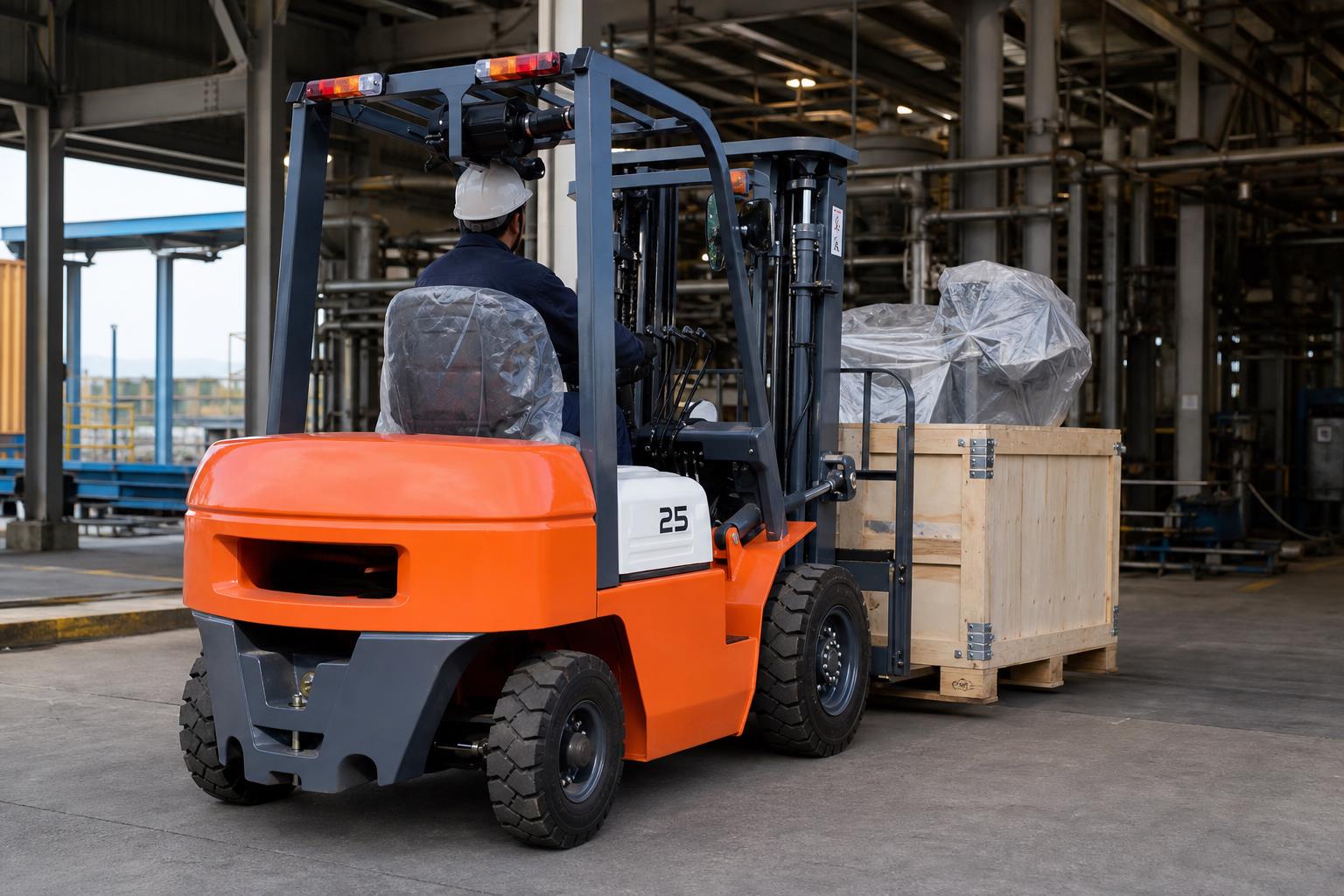
The CPCD25K 2.5 ton diesel forklift is a sit-down counterbalance material-handling solution for buyers who need dependable outdoor movement of pallets, building materials, machinery components and general cargo. Rather than treating a forklift purchase as a list of isolated specifications, ZGFORKLIFT / MYZG helps customers match the truck to real routes, loads, shifts, operators and service conditions. The nominal 2,500 kg capacity is a starting point; the usable capacity at a required lift height must always be confirmed against the selected mast, load center and attachment configuration.
In port support yards and container-side warehouses, the CPCD25K can be configured for repeated movement of palletized supplies, spare parts and packaged cargo across outdoor routes. Construction-material distributors can use the same 2.5 ton diesel counterbalance platform for bricks, tiles, bagged products, steel accessories and timber packs when load stability and ground conditions have been properly assessed. Manufacturing plants can apply it to inbound receiving, line-side replenishment and finished-goods dispatch, while agricultural and equipment dealers can use it in covered or open yards. Diesel power is especially relevant where work is primarily outdoors, routes are long, charging infrastructure is limited or shifts require fast refueling.
Customers often ask for “a 2.5 ton forklift,” but the true requirement is more detailed. A long load may move its center of gravity forward. A high mast, full free-lift design, sideshifter, fork positioner or clamp can reduce residual capacity. Tight aisles may require a different turning envelope, and soft or broken surfaces may call for different tires than smooth concrete. Start the buying process by documenting the heaviest real load, load dimensions, pallet entry, maximum stacking height, lowest doorway, narrowest turn, ramp gradient, surface quality, daily operating hours and local emissions rules.
First, confirm load weight with a practical safety margin and provide drawings or photographs for unusual cargo. Second, identify the required lift height and free-lift requirement. Third, check whether standard forks are sufficient or whether an approved attachment is needed. Fourth, compare pneumatic and solid-tire options against the site surface, puncture risk, vibration and expected travel distance. Fifth, evaluate operator visibility, entry space, control layout, lighting and weather protection. Finally, request a configuration sheet that states the selected mast, forks, tires, attachment, engine option and residual capacity together. This disciplined process is more reliable than comparing headline capacity alone.
Buyers comparing other material-handling layouts can review the complete ZGFORKLIFT product range. For outdoor internal-combustion applications, the diesel forklift category provides useful alternatives for capacity and configuration discussions. These links are intended to help procurement teams create a shortlist based on application, not to substitute for a site-specific capacity and stability review.
For material yards: specify fork length around actual pallet or bundle dimensions, verify ground clearance and select tires for the operating surface. Keep travel paths compacted, drained and free from loose debris. Long or flexible loads may need load-handling procedures, guides or an approved attachment rather than improvised fork extensions.
For loading docks: measure trailer floors, dock plates, doors and turning space. Confirm that dock equipment and floors can support the combined loaded-truck weight. Plan pedestrian separation, mirrors, lighting and speed control before the forklift arrives.
For manufacturing: map every transfer from receiving to storage and production. Frequent mounting and dismounting, delicate components or restricted visibility may change the preferred cabin, controls or attachment. A stable material flow can reduce unnecessary travel and improve utilization more effectively than simply selecting a faster truck.
For port and export logistics: discuss corrosion exposure, salt, rain, temperature, dust, operating language, spare-parts planning and destination fuel quality. Packaging and shipping preparation should be aligned with the selected configuration and destination requirements.
The CPCD25K is identified as a nominal 2,500 kg class forklift, but rated capacity is not permission to lift every 2,500 kg object in every condition. The data plate and supplied manual for the delivered machine govern operation. Load-center distance, height, mast type and attachments affect the permitted load. Operators should inspect the load, use both forks, keep the load stable and low during travel, slow before turns and maintain safe separation from edges, ramps and people. Only trained and authorized personnel should operate the truck under the purchaser's local rules.
A route survey should include slopes, cross-fall, overhead obstructions, surface transitions and blind corners. Diesel exhaust requires appropriate outdoor use or ventilation controls according to the local risk assessment. Never assume a forklift is suitable for explosive or special environments without written confirmation for the exact delivered configuration. For broader model discovery without repeating links, buyers can browse All Products and use the forklift FAQ and service guide to prepare questions for the quotation stage.
Preventive maintenance begins before each shift. Check for leaks and visible damage; inspect forks, carriage, mast chains, tires, wheel fasteners, overhead guard, seat restraint, lights, horn and alarms; then verify steering, brakes and hydraulic functions in a controlled area. Record defects and remove the truck from service when a safety-related condition is found. The supplied manual and service schedule for the exact engine and configuration take priority over general online advice.
Engine service depends on the specified power package, fuel quality, dust, temperature and duty cycle. Use approved filters, lubricants, coolant and replacement parts. Keep the cooling package clear, monitor hose condition and control contamination during refueling and hydraulic work. In dusty construction yards, inspection intervals may need adjustment. Tire pressure and damage affect stability, traction, fuel use and ride quality; solid tires require their own condition and bonding checks. Mast channels, rollers, chains and forks should be inspected by competent personnel, with measurements and adjustments completed to the manufacturer's instructions.
A strong parts plan combines routine service items, high-use wear parts and a clear escalation path for less common components. Dealers and fleet managers can discuss parts strategy through the parts business and support page. Record machine identity and configuration with every order so that supplied components match the delivered truck.
A distributor evaluating the CPCD25K should look beyond purchase price. Define target industries, expected annual hours, common mast and tire combinations, technician capability, local parts stocking and operator-training support. A sensible demonstration should reproduce customer loads and routes under controlled conditions. Rental fleets may favor standardized configurations for service simplicity, while project sales may justify specialized masts, cabins or attachments after engineering review.
For resale planning, document pre-delivery inspection, delivery condition, scheduled service and any configuration change. Prepare a total-cost discussion that includes fuel, planned maintenance, tires, consumables, downtime risk, transport and residual value. ZGFORKLIFT / MYZG can discuss packing, documentation and parts planning for export orders, but delivery scope must be confirmed in the commercial offer. Company background and service context are available on the About Shandong Zhuogong Machinery Equipment Co., Ltd. page.
Compliance statements must be tied to the exact truck, engine, options and destination. CE-related documentation is relevant only where applicable to the supplied configuration and market. EPA or other engine-emissions requirements depend on the destination, engine family and current rules. Before ordering, tell ZGFORKLIFT / MYZG the destination country and intended use, then request the exact declaration, engine label information and available technical file references for review. Do not rely on a general website statement as proof that every configuration has identical approval.
Export experience is most useful when it translates into verifiable packing, document, spare-parts and service planning. Ask which documents are included, who is responsible for import or local registration, how the machine will be protected for transit and what remote diagnostic information is needed. Customer or dealer references should be provided only when commercially available and permitted; this page does not invent named projects, certification numbers or performance records.
Send the following information for a useful CPCD25K quotation: maximum load weight and dimensions; pallet type; load center; stacking and doorway heights; aisle width and turning constraints; indoor/outdoor ratio; surface and ramps; daily shifts and hours; ambient temperature and dust; preferred fork length; required attachments; cabin or weather protection; destination country; required language; and expected spare-parts package. Photographs or a short route video can help the technical team identify questions, but final suitability still depends on the approved specification, data plate, manual and local risk assessment.
Contact Shandong Zhuogong Machinery Equipment Co., Ltd. for application review, configuration and export support. Visit the contact page, email vip@mingyuforklift.com, call +86-0535-2090977 or use WhatsApp +86 131 8160 2336. Address: Xiaqiu Town, Laizhou, Yantai City, Shandong Province, China.
SEO summary: CPCD25K diesel forklift, 2.5 ton diesel forklift, port logistics forklift, construction material forklift, outdoor warehouse forklift, diesel counterbalance forklift, forklift buying guide, export diesel forklift, ZGFORKLIFT and MYZG.
Name: selena
Mobile:+86-13176910558
Tel:+86-0535-2090977
Whatsapp:8613181602336
Email:vip@mingyuforklift.com
Add:Xiaqiu Town, Laizhou, Yantai City, Shandong Province, China