vip@mingyuforklift.com
+86-0535-2090977

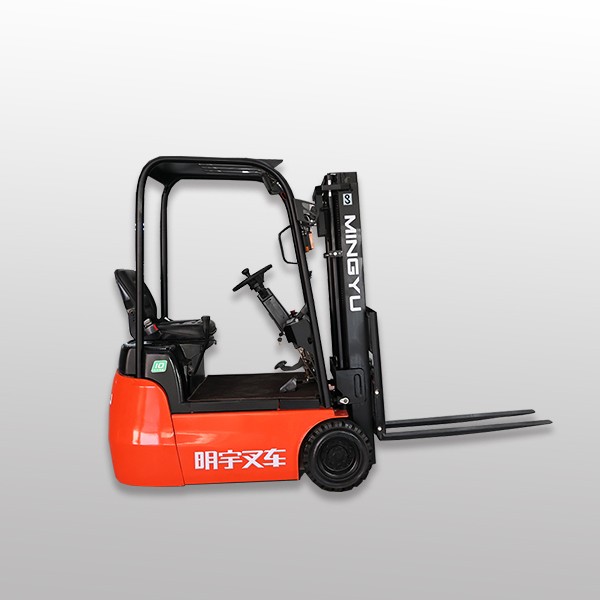
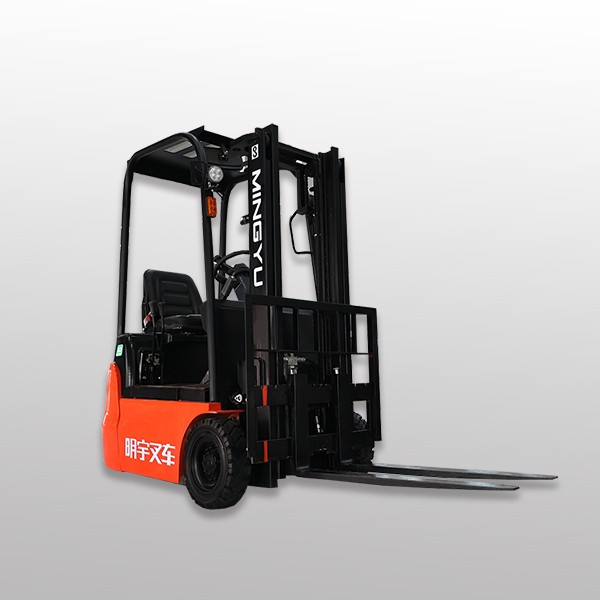
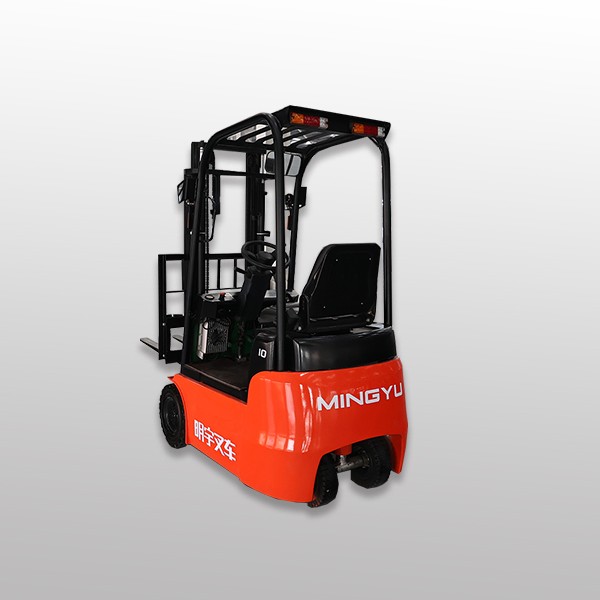
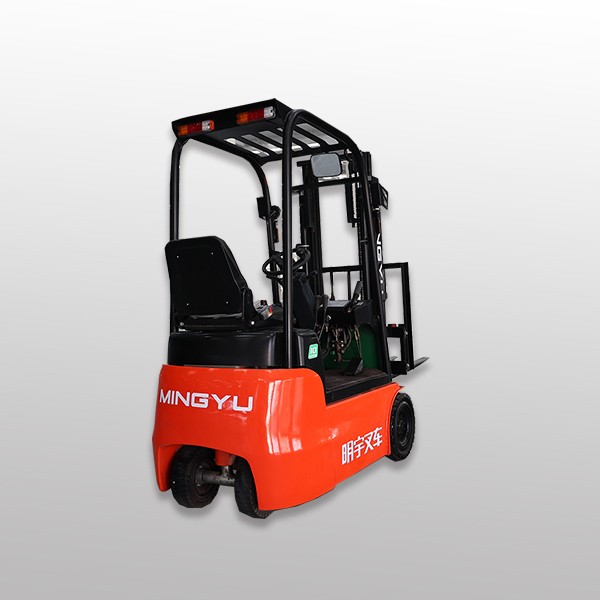
The CPD10-B 1 ton lithium electric forklift for textile and garment manufacturing supports pallet movement between yarn or fabric receiving, accessory storage, cutting and sewing supply, packaging and finished-goods dispatch. ZGFORKLIFT / MYZG presents the compact sit-down counterbalance truck as a configurable solution for facilities that value low noise and no engine exhaust at the point of use. The verified nominal rating is 1,000 kg, subject to the actual load center, mast, lift height, forks and final specification.
Textile sites may handle dense yarn cartons, light but tall garment boxes, wrapped fabric rolls on approved pallets, packaging materials and mixed export orders. List the heaviest routine load and the largest load separately. Record dimensions, pallet quality, weight distribution, load center, wrapping and visibility. Non-pallet rolls or special carriers need an engineered attachment and residual-capacity review; they are not assumed by this page.
Map receiving, quality inspection, raw-material storage, production supply, finished-goods buffer and container staging. Measure aisles, turns, doors, overhead services, rack levels, floor joints and slopes. Fine fibers, packaging film and busy pedestrian movement affect housekeeping and risk controls. A compact truck still requires adequate braking distance and protected crossings.
Use the CPD10-B source product page to confirm the established 1 ton lithium family, then request a written technical sheet for the ordered truck. The existing ZG-CPD10 compact electric forklift page provides another selection reference. Do not transfer a specification from one page to a purchase order without confirmation.
Fork length and spacing must support the real pallet without damaging cartons. Mast choice must fit both the highest rack and the lowest doorway or ceiling service. Tires should match the floor, debris, joints and noise requirement. Where production aisles are too tight for a counterbalance truck, compare stackers and pallet equipment within the electric forklift range and related categories.
A textile plant can have quiet periods followed by intense line-supply and shipping peaks. Build the duty profile from loaded travel, empty returns, lift cycles, starts, waiting time, shift changes and seasonal export schedules. Match battery capacity and charger power to the busiest realistic window. Opportunity charging should be planned around breaks and handoffs, not improvised when the battery is already low.
Charging belongs in a protected location away from fabric, cartons and normal truck traffic. Follow the approved charger and battery instructions, local electrical rules and fire-risk controls. Keep connectors clean and cables protected. Abnormal temperature, odor, swelling, leakage, damaged wiring or persistent faults require the truck to be isolated for qualified inspection.
Electric drive eliminates engine exhaust at the point of use, but it does not make the forklift suitable for every clean, hazardous or special environment. Dust, fibers, humidity, static-control requirements and fire classifications require site-specific review. Never assume explosion protection or clean-room approval unless the exact supplied configuration is documented for it.
Separate forklift lanes from sewing teams, packers and visitors. Use speed limits, mirrors, audible or visual warnings, stop lines and protected rack ends. Travel with the load low, maintain visibility and stop for unstable cartons. Use representative loads during commissioning and consult the forklift FAQ and purchasing guide when preparing the acceptance checklist.
Pre-delivery and site acceptance should verify steering, service and parking brakes, lift, lowering, tilt, emergency controls, horn, lights, seat restraint, fork alignment, visibility, charging compatibility and clearances at the required rack height. Record the approved load types, prohibited areas and charging procedure. Only trained and authorized operators should use the machine.
Daily checks should cover forks, carriage, mast, chains, hoses, tires, wheels, brakes, steering, warning devices, overhead guard, battery connector and wiring. Fiber and packaging debris should be removed using approved methods. Parts requests must include the truck identity and delivered configuration. Plan service continuity through the parts support channel and compare fleet roles in All Products.
Dealers serving textile clusters should qualify pallet types, common factory layouts, local voltage and technician capability before stocking. A repeatable handover package can include application screening, charging instructions, inspection forms and a confirmed starter-parts list. Rental use still requires each customer’s load, route and environment to be checked.
Where CE documentation is required, request documents for the exact ordered truck. Engine-emission EPA certification is generally not the applicable route for a lithium battery forklift without an internal-combustion engine, though battery, charger, machinery, transport, recycling and workplace requirements remain destination-specific. Shandong Zhuogong Machinery Equipment Co., Ltd. does not claim unsupported certificates, cases, results, export counts or logos.
Provide load and pallet photographs, weights, dimensions, lift height, aisle and doorway measurements, floor details, dust and temperature conditions, shift hours, charging supply, destination and documentation needs. Contact Shandong Zhuogong Machinery Equipment Co., Ltd. through the contact and inquiry page, email vip@mingyuforklift.com, telephone +86-0535-2090977 or WhatsApp +86 131 8160 2336. State “CPD10-B textile and garment manufacturing” so selection, battery, mast, safety and service can be reviewed together.
Name: selena
Mobile:+86-13176910558
Tel:+86-0535-2090977
Whatsapp:8613181602336
Email:vip@mingyuforklift.com
Add:Xiaqiu Town, Laizhou, Yantai City, Shandong Province, China