vip@mingyuforklift.com
+86-0535-2090977

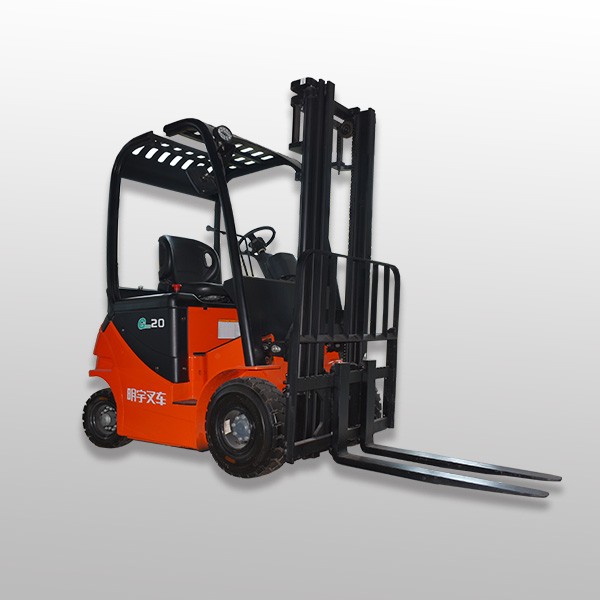
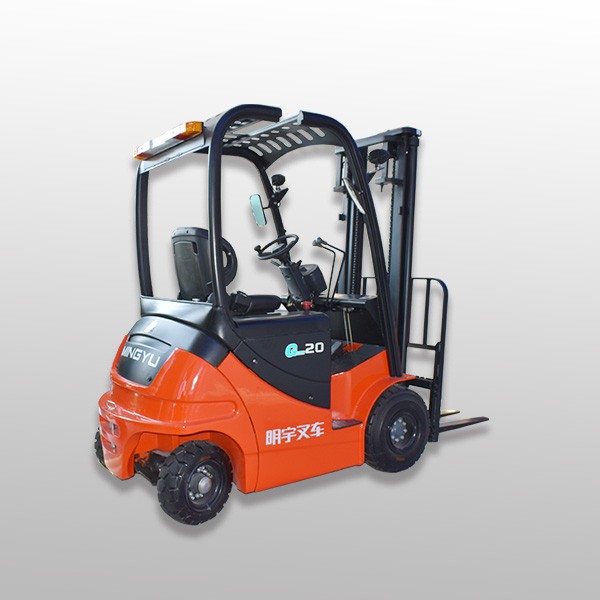
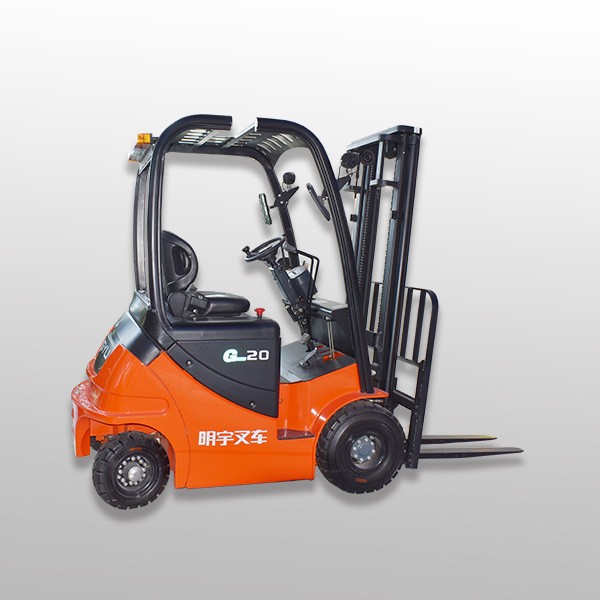
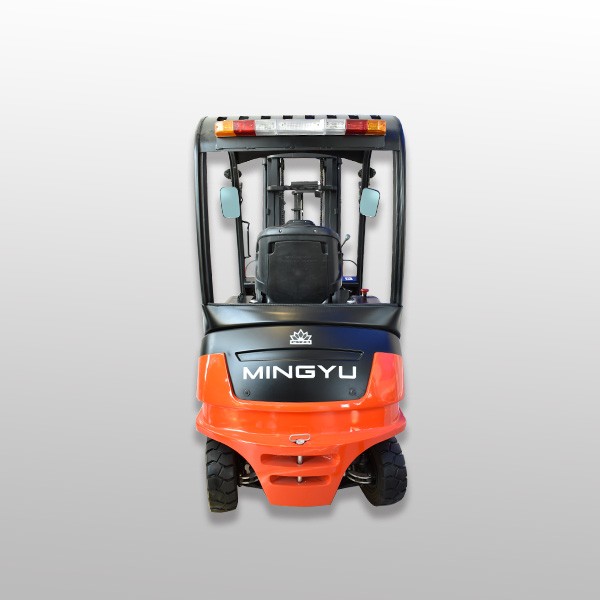
The CPD20-A electric forklift is presented for automotive component distribution centers and production-supply warehouses that move palletized parts through receiving, inspection, binning, line replenishment and dispatch. A buyer may search for a 2 ton electric forklift, lithium forklift for auto parts, compact warehouse counterbalance truck or low-emission material-handling equipment; the correct choice still depends on the actual load and route. ZGFORKLIFT / MYZG recommends documenting pallets, lift levels, aisle turns, shift hours, charging access and service capability before a configuration is quoted. This guide is not a capacity plate, operator manual, site assessment or substitute for a signed specification.
Auto-parts distribution combines small mixed cartons with dense engines, transmissions, wheels, batteries and returnable containers. Loads arrive in different pallet formats and may be poorly centered or partly picked. A single nominal capacity figure cannot establish whether a truck can place every unit at the highest rack level. Separate load families by weight, dimensions and carrier, identify the maximum real load center, and obtain the capacity information for the exact mast, forks and any attachment on the proposed truck.
Map the route from receiving bay to quality hold, reserve storage, fast-pick staging, production line and outbound consolidation. Include the tightest aisle turn, dock plate, ramp, overhead door, pedestrian crossing and battery-charge location. A compact electric counterbalance forklift may reduce exhaust at suitable indoor and covered routes, but the selected machine must still match floor strength, ventilation for charging, traction, gradients and the destination's operating rules. The warehouse should test its hardest approved route with a representative pallet rather than an empty truck.
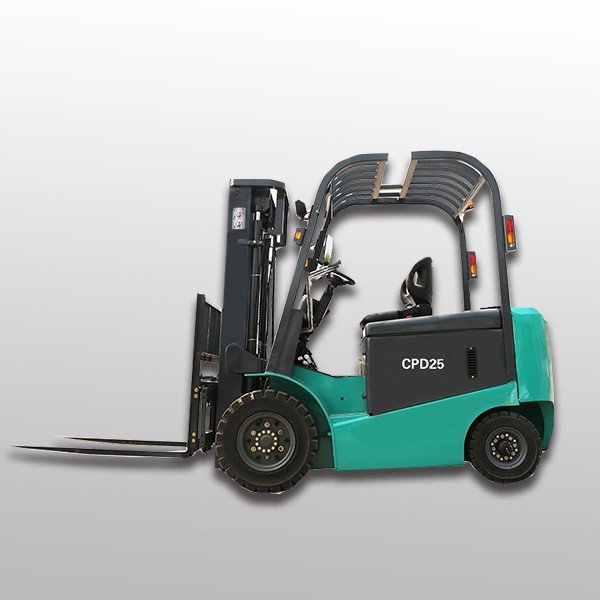
The site's CPD20-A source product identifies an electric sit-down forklift and refers to a 2,000 kg rated-load family. Its source listing describes a lithium battery option and a standard lifting-height reference, but the page also mixes CPD20-A and CPD20-B wording. Therefore the model, battery chemistry, battery rating, mast, load center, residual capacity, dimensions and charger must be confirmed in the actual quotation and data plate. Do not transfer a performance number from a different variant or photograph to the delivered machine.
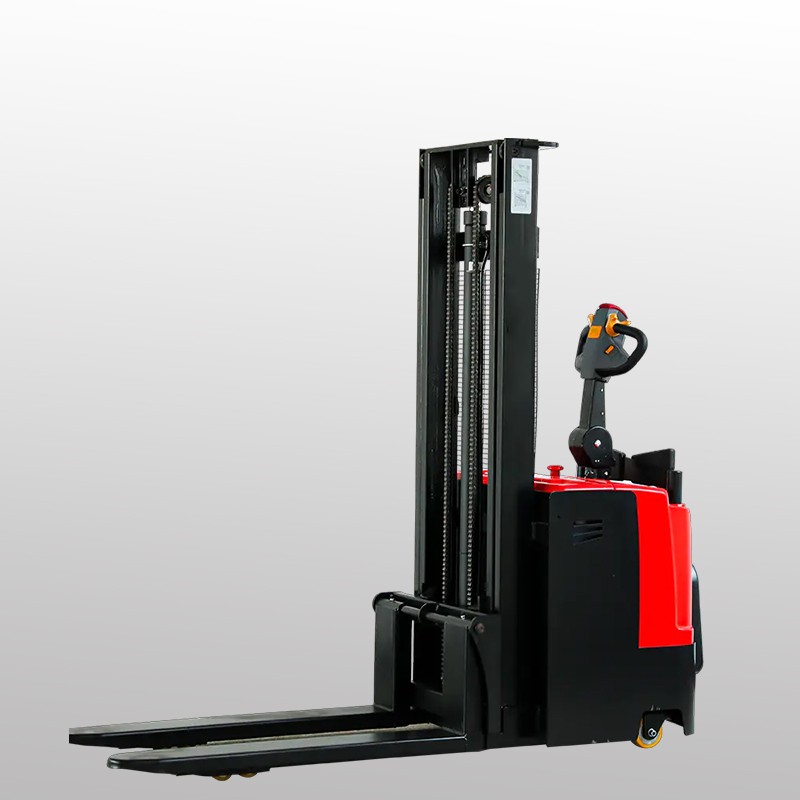
Compare other machines through the electric forklift category and All Products catalog. A pallet stacker may suit shorter, controlled rack moves, while a counterbalance forklift may better suit dock work or longer travel where its capacity, dimensions and operating envelope are appropriate. Compare the actual duty cycle, not only the purchase price or advertised nominal tonnage.
Load data: list gross weight, load center, overall size, pallet entry, underside clearance, overhang and stability for the most difficult unit. Returnable bins and stillages may need fork spacing, guards or a dedicated handling method. Ask for the residual-capacity chart at the required height with the specified fork length and any side shift or other attachment.
Rack and travel geometry: give top fork height, beam clearance, door and ceiling heights, aisle width at obstructions and the turning requirement with the real pallet orientation. Record dock-plate ratings, floor defects, ramps and mezzanine load limits. The truck must be selected for both loaded movement and safe parking or charging, not just the warehouse's widest aisle.
Power and charging: report shifts, operating hours, moves per hour, distance, break windows, ambient temperature, destination voltage and plug. Confirm battery chemistry, usable capacity, charger input, charging time and approved charging method for the exact configuration. Include an agreed plan for battery-area access, protection, emergency procedures and competent maintenance. Do not assume every CPD20-A photo has the same battery pack.
Operator and service fit: review visibility, seat and controls, mast and fork view, steering effort, tire type, braking and maintenance access. Decide which consumables and spare parts the local dealer can stock. A configuration that is comfortable and serviceable on a long, repeated route can be more valuable than an option that looks attractive in isolation.
For inbound auto components, create a marked inspection buffer so damaged packaging and mixed part numbers do not enter reserve storage. Use positive pallet identification and separate heavy or unstable units. Operators should keep forks low during travel and follow the approved procedure when a tall bin obstructs the forward view. At rack placement, protect uprights and verify the pallet support and beam capacity before lifting. Never use forks or improvised platforms to lift people.
At a production-supply line, define fixed delivery windows and a safe handoff point away from pedestrians, assembly workers and emergency exits. Keep charging and parking away from traffic pinch points. At outbound consolidation, check trailer restraint, dock edge, plate rating and communication with the driver before crossing the threshold. A separate method may be required for battery packs, hazardous goods or parts with unusual center of gravity. Review the site's broader handling equipment range when one counterbalance truck cannot safely cover every load family.
A daily check should cover forks and locks, mast rails, chains, carriage, hydraulics, tires, brakes, steering, lights, horn, seat belt, overhead guard, controls, battery restraint, connectors and warning devices according to the delivered manual. Remove damaged equipment from service until qualified inspection and release. Keep the capacity plate readable and matched to fitted attachments. Train operators for pedestrian separation, stable travel, gradients, docking, charging, parking and incident reporting.
In a parts warehouse, loose straps, stretch film, labels and metal fragments can collect around wheels and mast components. Set cleaning and inspection intervals for the actual floor and duty. Record machine serial number, battery identification, operating hours where available, fault history, work performed and return-to-service approval. Inspect charging cables and plugs for wear and heat damage; follow the battery and charger manufacturer's instructions for service. The total ownership review should include energy, tire and brake wear, planned service, downtime and spare-parts lead time, without claiming an unverified savings percentage.
Use the equipment FAQ for common buying questions and the parts and dealer support page when planning service. A replacement request should identify the exact truck, mast, battery and charger, as well as the fault and photographs. Similar model names can hide different electrical or hydraulic components, so serial-number matching matters.
A dealer can use one repeatable site questionnaire for load families, pallets, racks, aisles, routes, gradients, shift pattern, charging, climate, destination and service coverage. Demonstrate the quoted truck with the customer's representative load, document the approved operating envelope and record any limitations. For multi-site fleets, use consistent pre-delivery checks and operator handover, then collect service feedback. A cooperation case should be published only with customer permission and verifiable facts; this page makes no invented customer or performance claim.
For an export order, agree the exact machine and battery configuration, charger input, plugs, labels, manuals, shipping preparation, battery transport documents and spare-parts package before contract. Where CE documentation is required, request the declaration and supporting material for the exact supplied unit and destination. EPA engine-emissions approval is normally irrelevant to a fully electric forklift without a combustion engine, but the actual powertrain should be confirmed. Import and workplace rules vary by market and must be checked by the buyer and importer. An existing website photograph or generic family description is not proof of a certificate, case result or export volume.
Shandong Zhuogong Machinery Equipment Co., Ltd. can review buyer-provided application details and discuss available CPD20-A configurations, documentation, packing, commissioning and parts coordination. The company overview offers background; the quotation and signed technical agreement should control final dimensions, capacity, options, warranty and commercial terms.
Send the heaviest unit's weight and dimensions, load center, pallet or stillage design, lift height, aisle and door measurements, floor and dock conditions, daily moves, shift hours, charge windows, destination power supply and local service expectations. Contact Shandong Zhuogong Machinery Equipment Co., Ltd. at vip@mingyuforklift.com or +86-0535-2090977, or use the contact and inquiry page. Ask for the CPD20-A configuration and data plate appropriate to the real automotive-parts distribution route.
Name: selena
Mobile:+86-13176910558
Tel:+86-0535-2090977
Whatsapp:8613181602336
Email:vip@mingyuforklift.com
Add:Xiaqiu Town, Laizhou, Yantai City, Shandong Province, China