vip@mingyuforklift.com
+86-0535-2090977

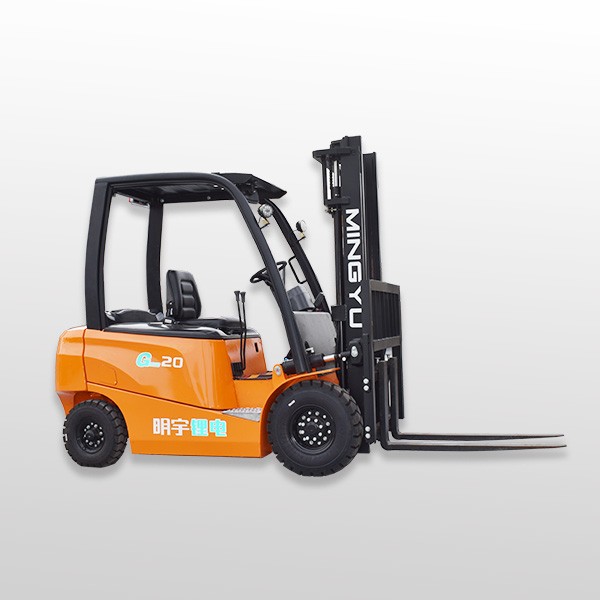
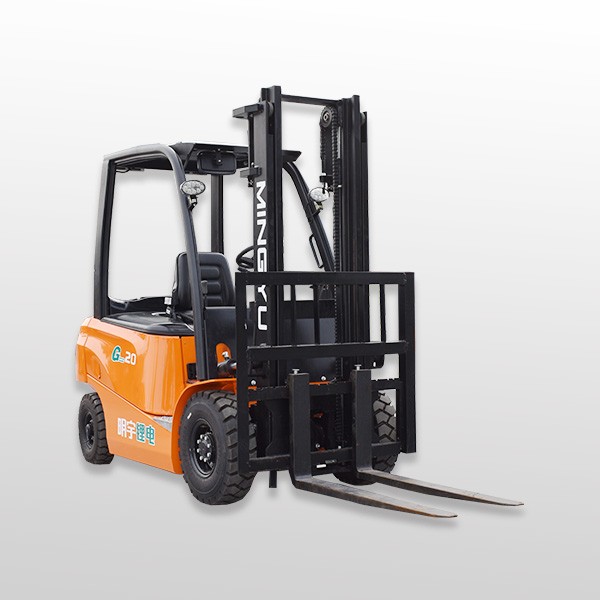
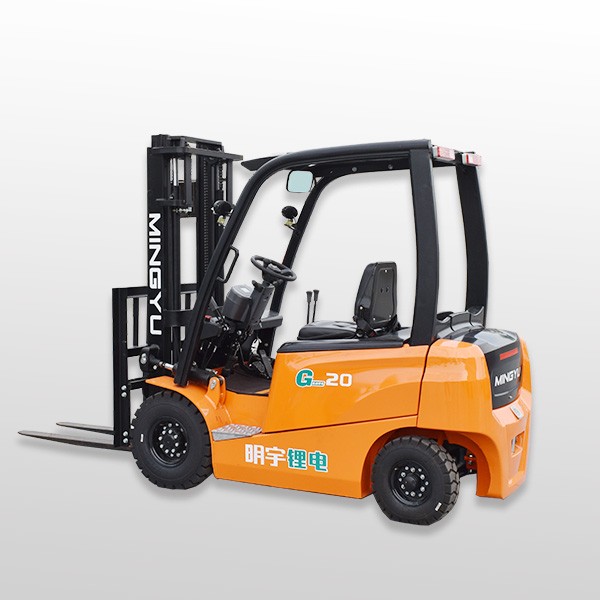
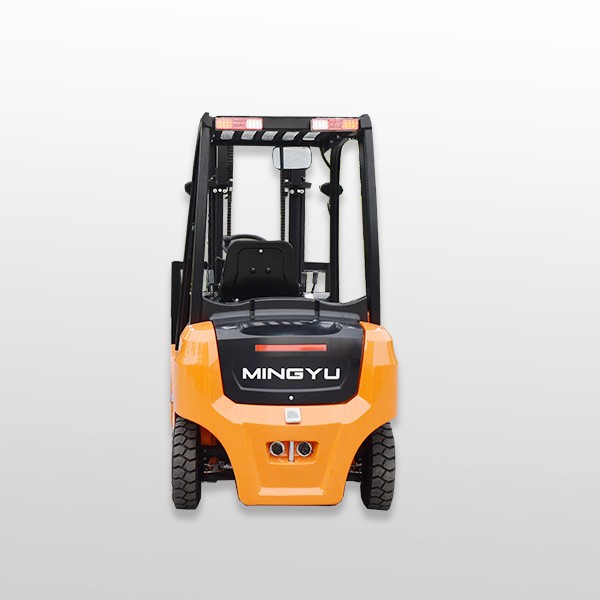
The CPD20-B electric forklift is presented for packaged-food and beverage distribution facilities where pallets move between receiving, reserve storage, order assembly and outbound loading. ZGFORKLIFT / MYZG approaches a 2 ton electric forklift purchase as a material-flow decision: the load, pallet, aisle, lift height, shift schedule, charging window and local service plan must work together. This page discusses practical selection and operation. Final specifications and permitted use must come from the quoted truck's data plate, capacity information, manual and site assessment.
Beverage cases can be dense, while light packaged foods may be tall or vulnerable to crushed cartons. Mixed pallets can lean after partial picking. Receiving teams may face a short unloading peak followed by longer internal transfers; outbound teams may work against fixed carrier cutoffs. A forklift selected from nominal capacity alone can create a bottleneck at a narrow dock approach or a high rack. Start with the heaviest and least stable real pallet, then map the entire route and the peak-hour cycle count.
Create separate lanes for inbound inspection, accepted stock, returns and outbound staging. Mark pedestrian crossings and keep charging, parking and damaged-goods areas outside the main pallet flow. Check floor joints, drains, wet zones, ramp angles, dock plates, trailer restraint and overhead obstructions. An electric counterbalance truck can avoid tailpipe exhaust at appropriate indoor routes, but it still requires a safe charging location and an approved work method around food packaging, cleaning and traffic.
The website's CPD20-B source product identifies a sit-down electric forklift family and gives a 2,000 kg rated-load reference at a 500 mm load center. It describes the model as a new-energy electric truck, while options and exact battery configuration need order-level confirmation. Do not infer that every pictured machine has the same mast, battery, charger, tires or residual capacity. Ask for the selected unit's technical sheet, capacity plate and battery documentation before committing to a load plan.
Use the electric forklift category to compare power and size families. The All Products listing provides wider alternatives when the heaviest beverage pallet, dock route or storage height exceeds the proposed CPD20-B configuration. A different truck or separate material-handling method may be better for oversized promotional loads, uneven outdoor surfaces or a long trailer run.
Pallet and load: document gross weight, load center, footprint, pallet underside, board direction, wrapping and stack height. Capture the worst-case mixed pallet and any returnable plastic pallet. Request a residual-capacity review for the required lift height, fork length and any attachment. Load center and stability change when cases overhang or a pallet is partly picked; the rated number cannot be applied without these details.
Rack and route: supply top-beam height, required fork elevation, door height, aisle width measured at guards and stored goods, turning bay, dock geometry and gradients. Check floor and mezzanine capacity. Ask the supplier to calculate turning and stacking space for the actual pallet orientation, then demonstrate the tightest approved route with a representative load.
Energy: record pallets per hour, average and maximum travel, number of shifts, breaks, charge access, ambient temperature and destination electrical supply. Confirm battery chemistry and capacity, charger input, connector, charging process and planned service with the exact quotation. Avoid generic runtime or rapid-charge promises; actual duty and battery care determine availability.
Operator and site fit: review seating, sightlines past a tall pallet, controls, brakes, tires, cleaning method and service access. Confirm whether the truck must pass through covered loading bays, cold staging zones or doors with a height limit. Cold-room operation needs separate confirmation of the truck, battery, condensation controls and manual; this page does not claim an unverified cold-store rating.
At receiving, inspect each pallet before entry into the accepted-stock flow. Separate leaking, crushed or leaning cases; never use the mast to force an unstable load straight. Record unusual unit loads for a technical review. Operators should align forks fully, lift only high enough for approved travel and follow the designated direction when packaging blocks visibility. Protect pedestrians and rack ends with marked routes, physical barriers where appropriate and clear right-of-way rules.
At reserve storage, verify rack load ratings, beam condition and pallet support. Place dense beverages on levels and positions that the approved rack and machine configuration can accommodate. Keep lighter, fragile food packages supported and do not drive into racks to correct a misaligned pallet. At order assembly, use a defined transfer point between forklift traffic and pedestrian picking. The wider product range can help buyers decide whether a pallet truck, stacker and counterbalance forklift should share different stages of the workflow.
At dispatch, verify trailer restraint, plate capacity and dock edge protection before entry. Confirm the carrier can take the forklift and load and maintain communication with the driver. Do not enter a trailer or cross a plate merely because an empty forklift fits. Plan a separate process for damaged returns, promotional display units and long or irregular loads. The operating procedure should match the precise truck configuration, local training and the delivered manual.
Before use, inspect forks, locks, mast, chains, hydraulics, wheels or tires, steering, service and parking brakes, lights, horn, seat belt, overhead guard, battery restraint, connectors and warning devices. Remove a machine with a safety defect from service until qualified inspection and repair. Keep the capacity plate visible and aligned with the installed mast and attachment. Record incidents, damage and return-to-service authorization by serial number.
Film, cardboard fibers, bottle caps, broken pallet fragments and spilled liquids can accumulate around wheels, brakes and mast rollers. Set cleaning intervals suited to the site, using methods approved for the truck and battery. Follow local food-hygiene rules to separate material-handling equipment from exposed food; a forklift should not be described as food-grade without a verified specification. Examine charging cables and plugs for heat damage and keep the battery area protected from water and unauthorized access.
Track operating hours when available, energy use, tire wear, brake condition, chain service, charger faults and downtime. Match spare-parts stocks to the fleet's actual duty and local supply lead time. The site FAQ supports common selection questions, while the parts and dealer page provides a starting point for service discussion. Supply the machine, battery and charger identifiers with every parts request, because similarly named variants can use different components.
A dealer can qualify an inquiry with one repeatable form covering product mix, pallet type, maximum real load and center, rack level, aisle, dock, floor, shifts, charging, destination and local service. Bring the customer's actual pallet to a controlled demonstration. Document what the quoted truck can and cannot do, then agree pre-delivery inspection, training and service contacts. A verified customer case can be discussed only with permission and clear evidence; this page does not invent a named project, delivery count or efficiency result.
For export, confirm the battery and charger specification, plug, labels, manuals, packing, shipping dimensions, battery-transport information where applicable and spare-parts plan for the destination. If CE documentation is required, ask for the declaration and supporting documents for the exact supplied machine. EPA engine-emissions certification normally does not apply to a fully electric forklift without a combustion engine; confirm the actual powertrain and destination rules. Do not assume an option listed for another market is included in this order.
Shandong Zhuogong Machinery Equipment Co., Ltd. can review buyer-provided application details and discuss CPD20-B configuration, documentation, packing, commissioning and parts coordination. The company overview provides background. Capacity, dimensions, options, warranty, delivery and commercial conditions should be fixed in the quotation and technical agreement rather than inferred from a general guide.
Send the heaviest beverage and packaged-food pallet data, load center, pallet entry and condition, rack height, aisle and dock measurements, daily cycles, shift schedule, charging window, destination power and service expectations. Contact Shandong Zhuogong Machinery Equipment Co., Ltd. at vip@mingyuforklift.com or +86-0535-2090977, or use the contact and inquiry page. Mention the CPD20-B electric forklift and the actual distribution route for a useful configuration review.
Name: selena
Mobile:+86-13176910558
Tel:+86-0535-2090977
Whatsapp:8613181602336
Email:vip@mingyuforklift.com
Add:Xiaqiu Town, Laizhou, Yantai City, Shandong Province, China