vip@mingyuforklift.com
+86-0535-2090977

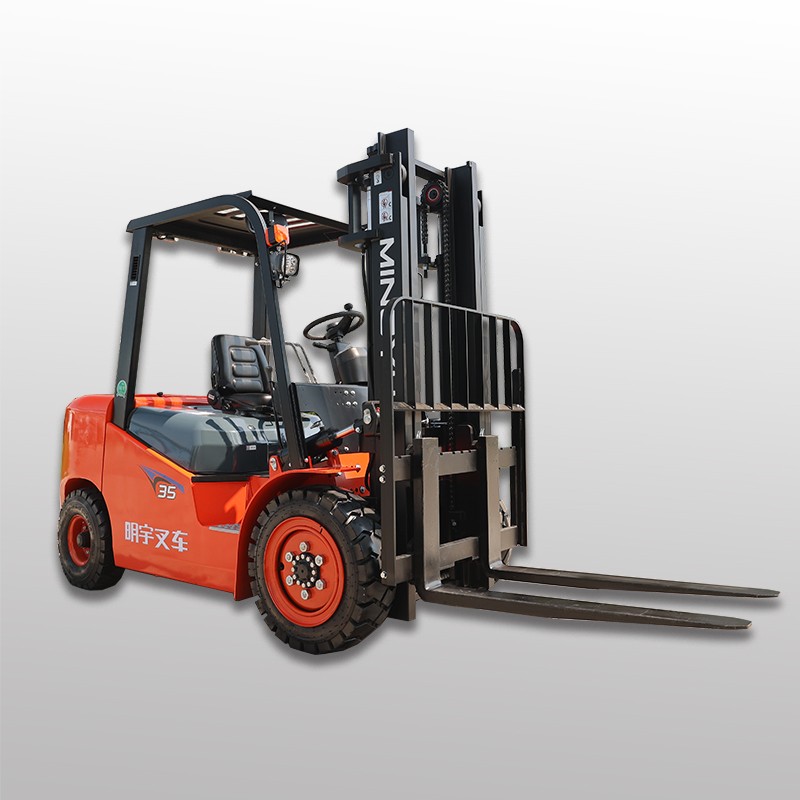
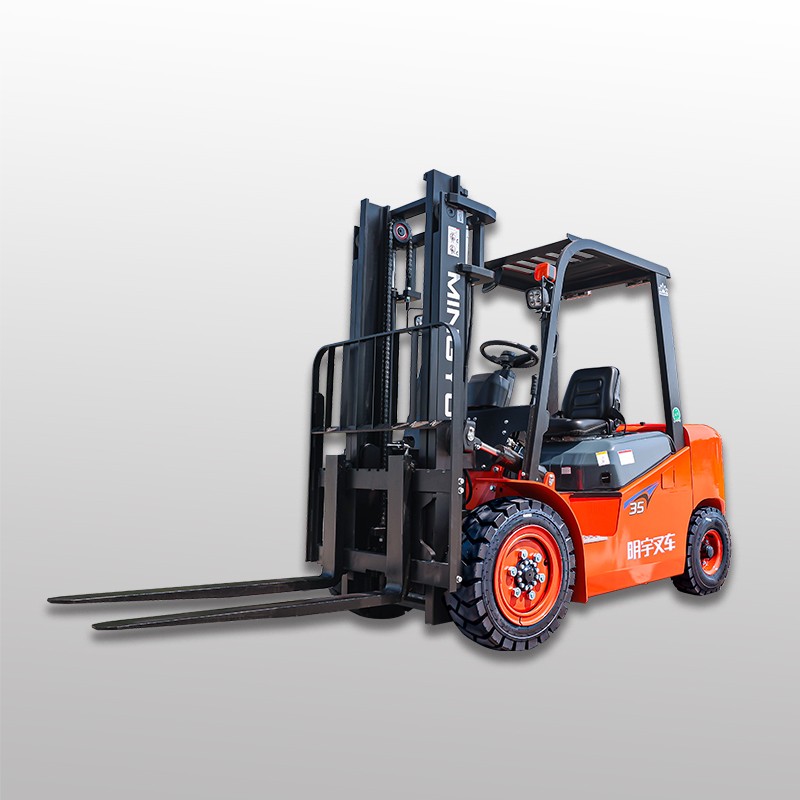
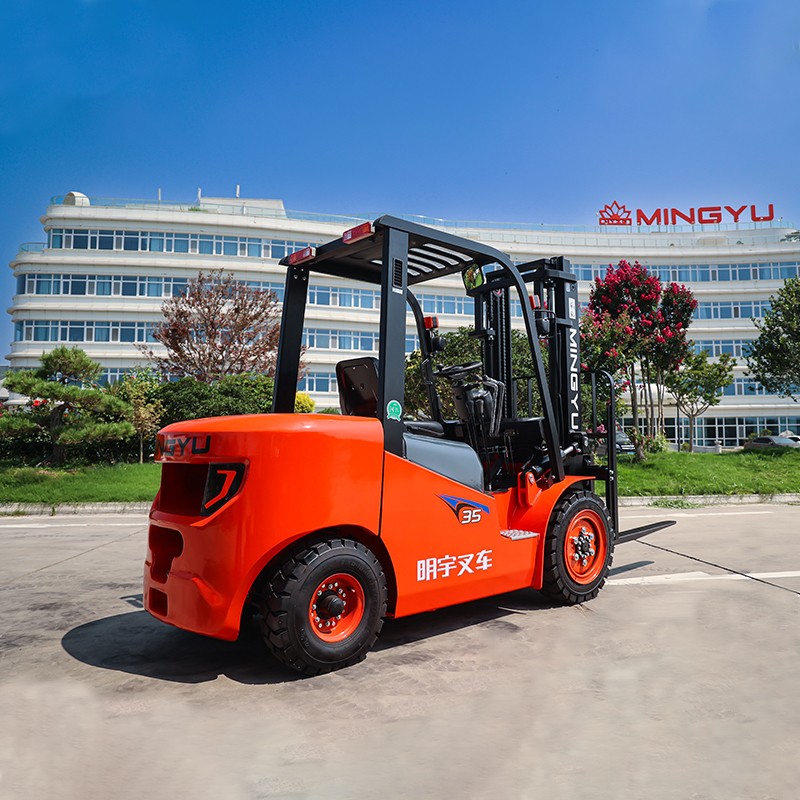
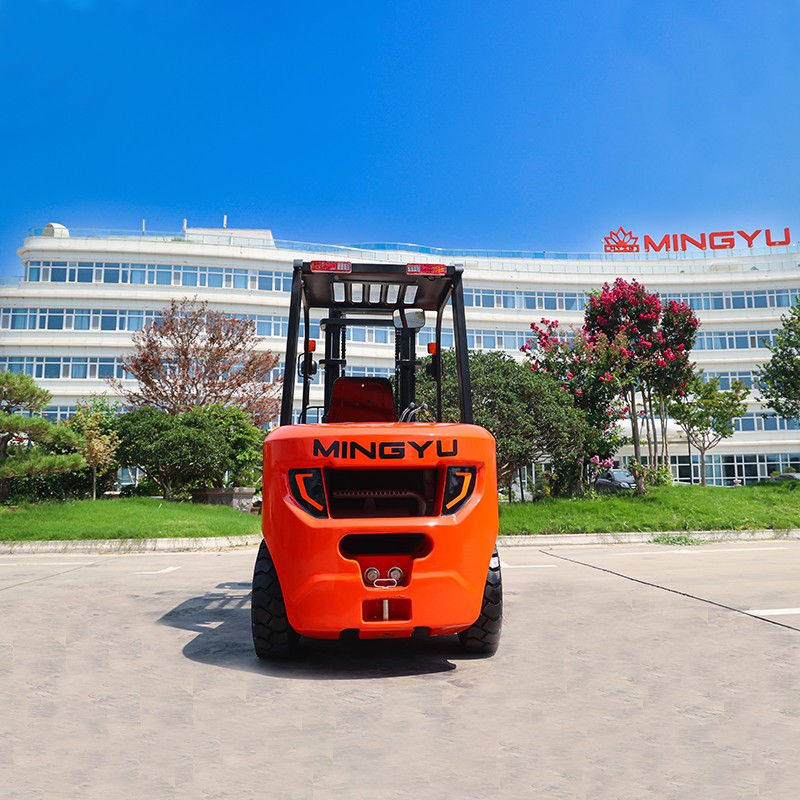
The CPC35-K2 diesel forklift is a 3.5 ton class counterbalance truck shown in the existing MYZG product catalog. This application guide considers building-supply depots that receive palletized masonry products, timber packs, bagged materials and mixed contractor orders. ZGFORKLIFT / MYZG treats equipment selection as a route and load study, not a capacity badge: the real pallet, load center, lifting height, yard surface, daily movement and local support must all fit. The source page states a CPC35 model, 3,500 kg rated capacity at a 500 mm load center and sit-down diesel power. The actual delivered truck and every option must be confirmed in the quotation and capacity plate.
A dealer yard may handle dense cement pallets in the morning, long timber packs at midday and fragile boxed fixtures before dispatch. Pallet weights, footprints and wrapping quality vary. Trucks may shuttle between a covered store, an exposed laydown area and vehicle-loading lanes. A nominal 3.5 ton forklift can still be unsuitable when a load is long, the center of gravity sits forward, an attachment is fitted, or forks must lift high. Gather the heaviest representative load and the awkward long load before asking for a machine recommendation. Photograph the real pallet and measure it with the freight packaging included.
Map the complete route from unloading through inspection, storage, picking and outbound loading. Record surface defects, potholes, drainage channels, slopes, door clearances, overhead cables, pedestrians and delivery vehicles. Identify where a forklift must turn with a load and where it can stop without blocking customers. Outdoor traction and stability depend on the specific tires, ground condition and operating rules; a diesel powertrain alone does not make every yard condition acceptable. Separate public customer movement from forklift traffic with site controls appropriate to the facility.
The website's CPC35-K2 source product displays four distinct views of the orange forklift and lists a 3,500 kg rated load at a 500 mm load center. It also describes a standard 3 m duplex mast and engine choices; those descriptions are family information and cannot replace an order-specific specification. Ask for the actual engine designation, mast, tires, forks, transmission, capacity plate, emissions documents and installed options. Do not assume every photograph represents every offered configuration.
Use the diesel forklift category to compare capacity classes, then consult the All Products listing if your yard needs a lighter truck, a different lift height or another power source. A 3.5 ton class machine should be selected only after the supplier reviews the full load chart and the ground conditions. Where work moves indoors, evaluate ventilation and whether an electric truck is more appropriate for that route. Never infer indoor approval from a general diesel product page.
Loads: record gross pallet weight, load center, dimensions, center-of-gravity position, pallet entry, fork-pocket spacing and packaging condition. List loose bricks, pavers, cement, bagged aggregate and long timber separately. Ask for residual capacity at the proposed lift height with the exact mast, fork length and any side shift or clamp. Treat a long pack or off-center bundle as a separate engineering review, even if its gross mass is below the rated figure.
Space: measure the narrowest gate, the loading apron, roof height, rack level, reversing zone and truck-body access. Include protruding stock, bollards and temporary delivery vehicles in the usable width. Check the route under wet and dry conditions. Document floor or slab ratings and confirm that dock plates, containers and truck beds can support the combined machine and load when entry is proposed.
Duty: estimate pallets per shift, peak dispatch windows, travel distance, waiting time, gradients and seasonal changes. Compare those inputs against fuel logistics, daily inspections, service access and operator availability. Request a trial with the actual load on a controlled, approved route. A quotation should identify the exact configuration, manuals, warranty terms, spare-parts route and who will handle local commissioning and training.
At receiving, inspect pallet boards, strapping, wrap and load stability before lifting. Reject a loose stack or damaged pallet for rework instead of using the forklift to hold it together. Keep dense palletized materials low and stable on approved routes; follow the delivered manual for fork spacing, travel height and slope direction. Place temporary stock outside fire access, pedestrian crossings and turning areas. The wider product range can help a dealer plan how a forklift, pallet truck or stacker divides work across the site.
For storage, verify rack and ground load ratings and inspect beam condition. A pallet of paving blocks may be compact but dense; a long timber pack may be lighter yet harder to control around corners. Use the proposed machine's residual-capacity information at the actual placing height. Establish marked staging positions so the driver does not have to hold a load over people or parked vehicles. For outbound loading, verify carrier restraint, bed condition, bridge-plate rating and communication with the delivery driver. Do not enter a truck bed without a documented safe method.
A daily inspection should cover forks and locks, mast and chains, hydraulic leaks, tires, steering, brakes, horn, lights, mirrors, seat belt, overhead guard and the readable capacity plate. Remove equipment with a safety defect from service and let qualified personnel investigate. In dusty yards, check the cooling and intake systems at the intervals required by the supplied manual. Keep debris away from moving mast components and clean with a method suitable for the machine. Fuel storage and refueling require site-specific controls, training and local legal compliance.
Track operating hours, tire damage, hydraulic service, filters, brake work and downtime by serial number. Stock only the service parts relevant to the delivered engine and mast. The service FAQ offers further buyer questions, while the parts and dealer information is a starting point for after-sales planning. Send the serial number, engine code and a photograph of the component when requesting a replacement; a similarly named model may not use the same part.
A dealer can qualify each inquiry using a consistent worksheet: customer industry, representative load, load center, lift height, aisle, terrain, site traffic, shift pattern, fuel access and local service capability. This makes a demonstration useful and reduces incorrect model substitution. Agree who checks the machine before delivery, trains operators and responds to breakdowns. Refer to a customer project or productivity result only when the customer has approved a verifiable case; this guide does not claim a named installation or measured saving.
For export, confirm the actual engine and destination requirements before discussing emissions. If EPA conformity is required, request the exact engine and machine documentation relevant to that market; the phrase diesel forklift does not establish EPA approval. If CE documents are required, request the declaration and supporting information for the supplied configuration. Confirm labels, language of manuals, shipping dimensions, packing, service parts and warranty handling in the order. The company overview provides background on Shandong Zhuogong Machinery Equipment Co., Ltd.; export and service commitments should be written into the commercial agreement.
Send the heaviest and longest building-material loads, pallet dimensions, load center, storage height, route widths, ground photos, daily movements, destination country and desired service plan. Shandong Zhuogong Machinery Equipment Co., Ltd. can review the site details against an order-specific CPC35-K2 proposal. Email vip@mingyuforklift.com or call +86-0535-2090977. The contact page offers an inquiry route. State the intended application and request the final capacity, engine, emissions, CE or other destination documents as applicable before purchase.
Name: selena
Mobile:+86-13176910558
Tel:+86-0535-2090977
Whatsapp:8613181602336
Email:vip@mingyuforklift.com
Add:Xiaqiu Town, Laizhou, Yantai City, Shandong Province, China