vip@mingyuforklift.com
+86-0535-2090977

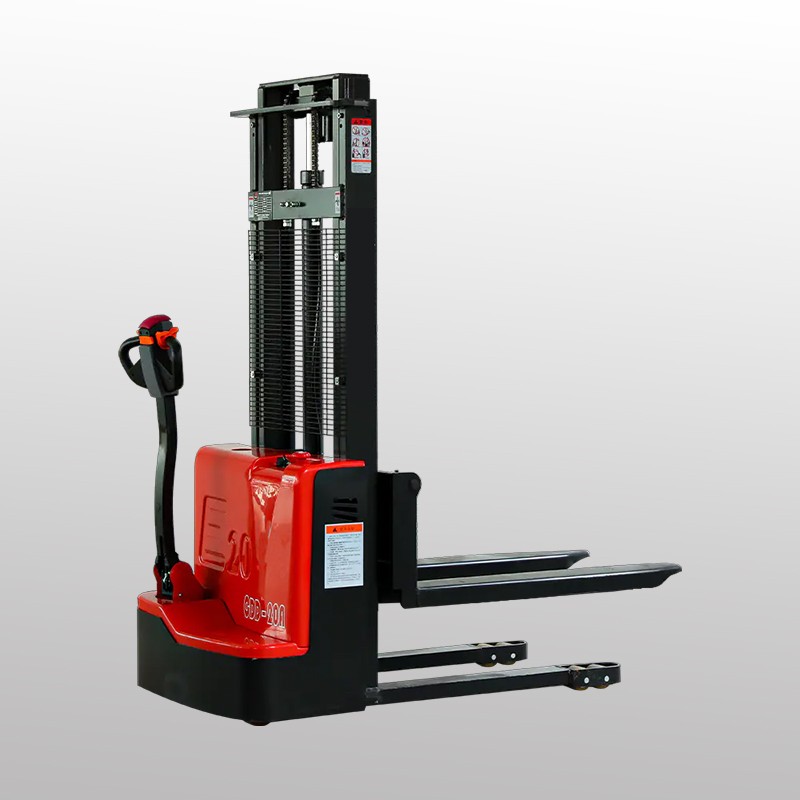
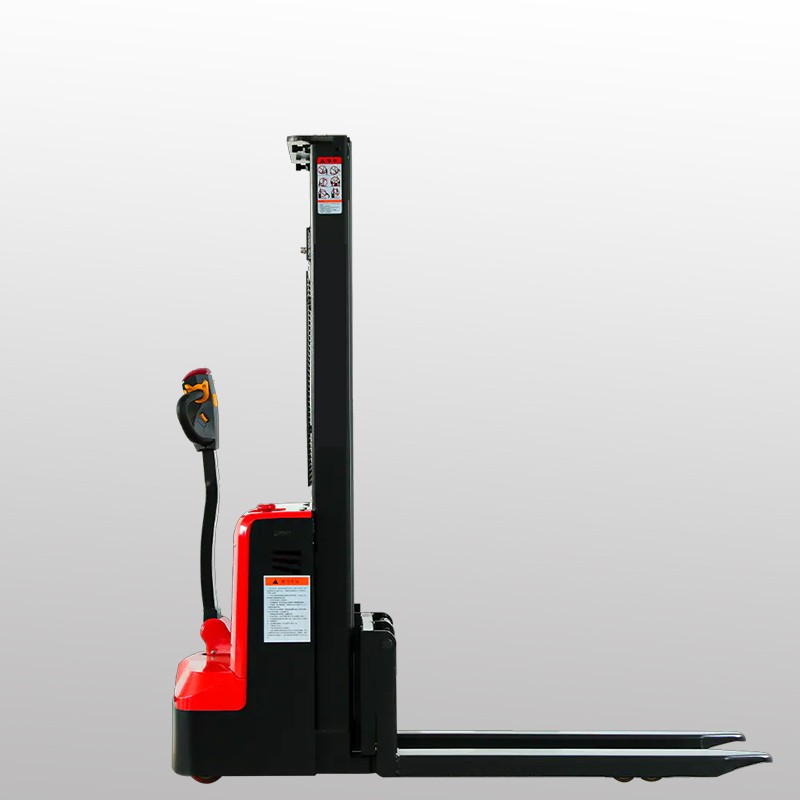
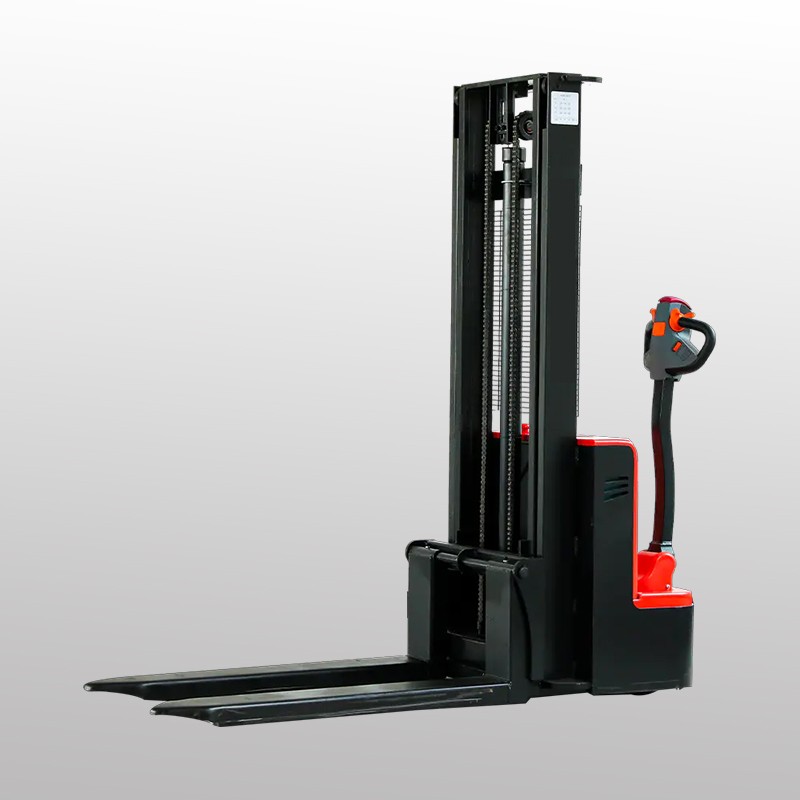
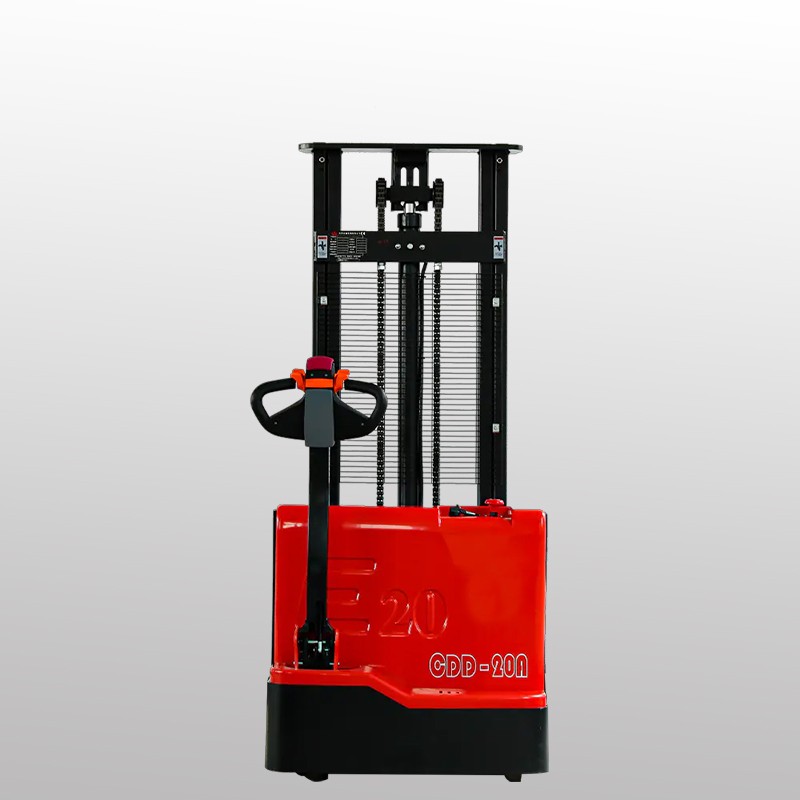
The CDD-A walkie electric pallet stacker application for apparel fulfillment and e-commerce returns is based on the established CDD15/16 family, with 1,500 kg and 1,600 kg nominal classes subject to configuration. It can support inbound cartons, reserve storage, forward-pick replenishment, returns sorting and outbound staging. ZGFORKLIFT / MYZG begins with the peak workflow, pallet mix, rack layout, aisle, battery plan and local service capability.
Apparel loads may be light by density but tall, mixed and vulnerable to shifting. Record maximum gross weight, pallet dimensions, load center, wrap condition, lift height, rack depth, doorway and aisle. Include returns, irregular cartons and temporary peak staging. Capacity at height depends on the selected mast, forks and real load center, so the final load chart must be confirmed.
Map receiving, quality inspection, storage, replenishment, returns grading and dispatch. Peak campaigns can introduce temporary racks, carts and pedestrians into normal travel paths. Measure operating space under realistic occupancy and define who authorizes layout changes during peak periods.
Start with the stacker product category and the verified MYCDD-A walkie stacker family. A pedestrian model may suit compact routes and intermittent replenishment. Standing or other powered formats may be more appropriate when travel distances and throughput are high.
Load profile: weigh representative full and mixed pallets. Check tall carton stability and overhang, not only total mass.
Rack fit: record beam heights, rack depth, pallet stop positions and damaged rack protection. Confirm fork and support-leg compatibility.
Route: measure aisles with carts and staging in normal positions. Include emergency exits, lifts, thresholds and blind intersections.
Energy: size battery and charger for peak shifts, lifts, travel and available breaks. Control charging access and housekeeping.
Define pedestrian-only areas, powered-equipment routes, crossings, speed zones and stop conditions. Operators should travel with forks and loads in the correct lowered position, slow before corners and stop when cartons block visibility. Unstable returns should be re-palletized before lifting. Never allow temporary peak pressure to override approved capacity or traffic controls.
Review the safe-operation procedures for electric stackers and the guide discussing walkie stacker operator requirements. Employers must verify local authorization and training rules.
Inspect forks, chains, mast rails, hoses, wheels, brakes, tiller, emergency reverse, warning devices, battery restraint and connectors before use. Remove wrap, straps and labels from wheel areas. Record impacts and abnormal behavior; isolate unsafe equipment until qualified repair and release.
Prepare planned service, wear parts and charger checks before campaign peaks. Review wheel wear, fork and chain measurements, hydraulic leaks and battery condition. The parts support information can assist dealers. Accurate machine identification and photographs reduce parts errors.
Dealers should survey actual routes and peak workflow rather than quote from average volume. A controlled trial can measure replenishment moves, pedestrian interaction, product damage, charging time and maintenance observations. Compare productive hours, operator travel, downtime risk and parts lead time, not purchase price alone.
For exports, verify destination electrical supply, labels, language and required documents. Request applicable CE documentation for the final configuration when needed. EPA engine-emissions requirements are generally not applicable to an electric stacker. No unsupported certification number, customer case or guaranteed throughput is stated.
Browse All Products, then send pallet data, rack layout, route measurements, peak cycles, charging plan and destination. Contact Shandong Zhuogong Machinery Equipment Co., Ltd. at vip@mingyuforklift.com or +86-0535-2090977, or use the contact page. Reference “CDD-A apparel fulfillment and returns.”
Name: selena
Mobile:+86-13176910558
Tel:+86-0535-2090977
Whatsapp:8613181602336
Email:vip@mingyuforklift.com
Add:Xiaqiu Town, Laizhou, Yantai City, Shandong Province, China