
vip@mingyuforklift.com
+86-0535-2090977

Published: 2026-11-09 (Asia/Shanghai)
HTML Meta Description: A 2026 operating guide for electric stacker slotting, pallet-interface checks and human-approved replenishment in compact micro-fulfillment warehouses.
Keywords: electric stacker slotting, micro-fulfillment warehouse, space-constrained logistics, peak replenishment planning, pallet interface check, reach stacker workflow, dense storage operations, ZGFORKLIFT, MYZG, warehouse slotting control
In 2026, logistics teams are paying closer attention to micro-fulfillment growth, dense storage, AI-assisted slotting and peak-capacity pressure in smaller buildings. The discussion is no longer limited to buying equipment; it is about governing each move, proving that operating conditions match the plan and keeping a human decision point when automated recommendations meet the physical world. For compact urban fulfillment centers, electronics warehouses and high-bay overflow areas, the electric reach stacker can be part of that strategy when the route, load, energy source and exception response are defined before the first pallet moves.
The central risk is that a slotting engine may improve cube utilization while overlooking pallet underside condition, fork entry, load overhang, rack clearance or the stacker's residual capacity at the assigned height. That gap between a digital instruction and an actual load move is where delays, product damage and safety events often begin. A practical operating standard therefore links the work order to the equipment data plate, the route condition, the pallet or platform interface and a named person who can pause the task. ZGFORKLIFT and MYZG recommend treating the application as a complete workflow rather than judging a machine only by nominal capacity or maximum height.
For an equipment reference, review the CQDA20 electronics high-bay reach stacker. The product page is a starting point for application discussion; final capacity, configuration, attachment, battery or engine specification and permitted use must match the quoted unit, its manual and the site assessment.
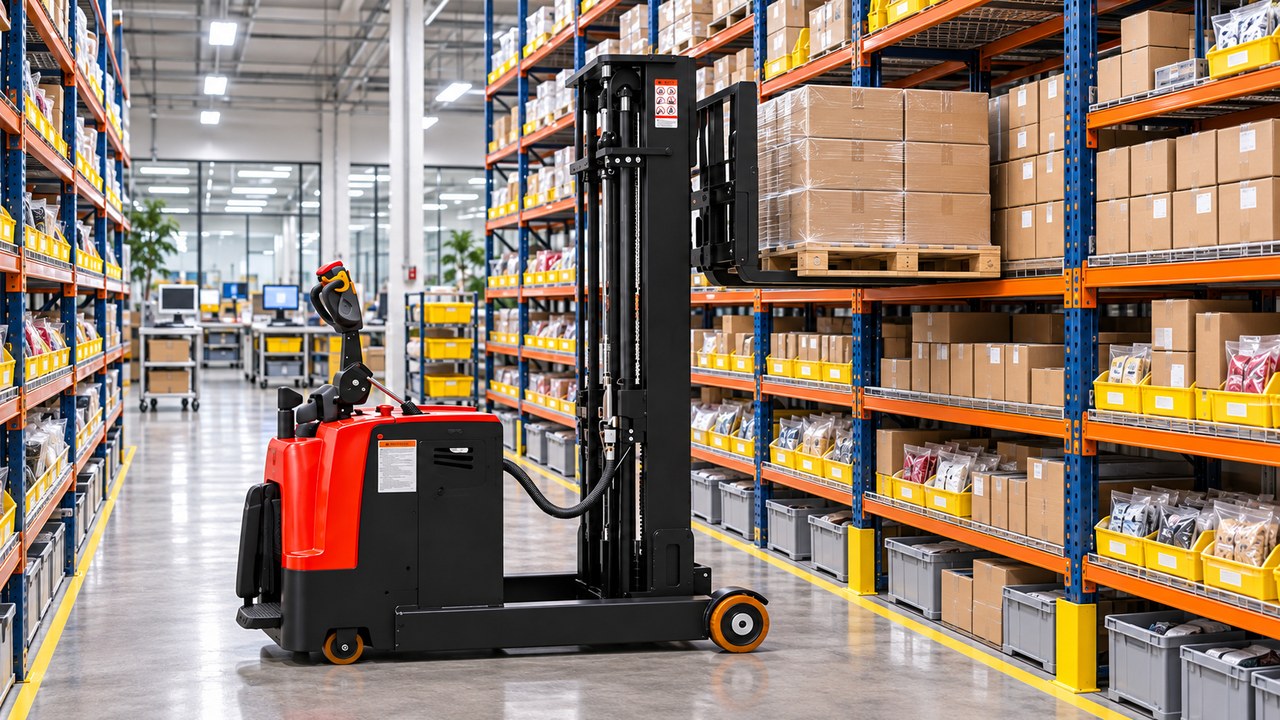
A useful sequence is to verify pallet interface; classify load and overhang; confirm aisle and turning envelope; release replenishment by human check; scan the completed position; review rejected slots before the next wave. Each step should have a clear owner and a recorded stop condition. If a task cannot meet the stop condition, it returns to planning instead of being solved informally in the aisle or yard. This makes the method usable across shifts and gives managers evidence when they review an interruption, a rejected handoff or a change in site conditions.
AI-assisted slotting can propose a location, but a trained operator or supervisor should validate the physical pallet, rack beam, fork entry and actual travel path before the move becomes irreversible. The aim is not to remove judgment. It is to give judgment better information and a visible escalation path. A short pre-shift meeting should identify today's unusual loads, blocked areas, maintenance restrictions, weather effects, energy constraints and the person authorized to release an exception.
Recommended measures include slot rejection, pallet-interface defects, replenishment cycle time, aisle blockage, position corrections and residual-capacity exceptions. These measures reveal whether apparent productivity is borrowing risk from the next hour. A high move count is not a success if it leaves a depleted battery, an unidentified cylinder, an unstable route, an inaccessible service point or a congested aisle for the following shift.
Teams comparing alternatives can also review the ZG-CQDA20 2 ton electric reach stacker. Use the comparison to build a site worksheet: heaviest and most awkward load, real load center, lift or working height, route width, floor or ground condition, gradient, overhead clearance, operating hours, temperature, traffic mix and the required recovery method.
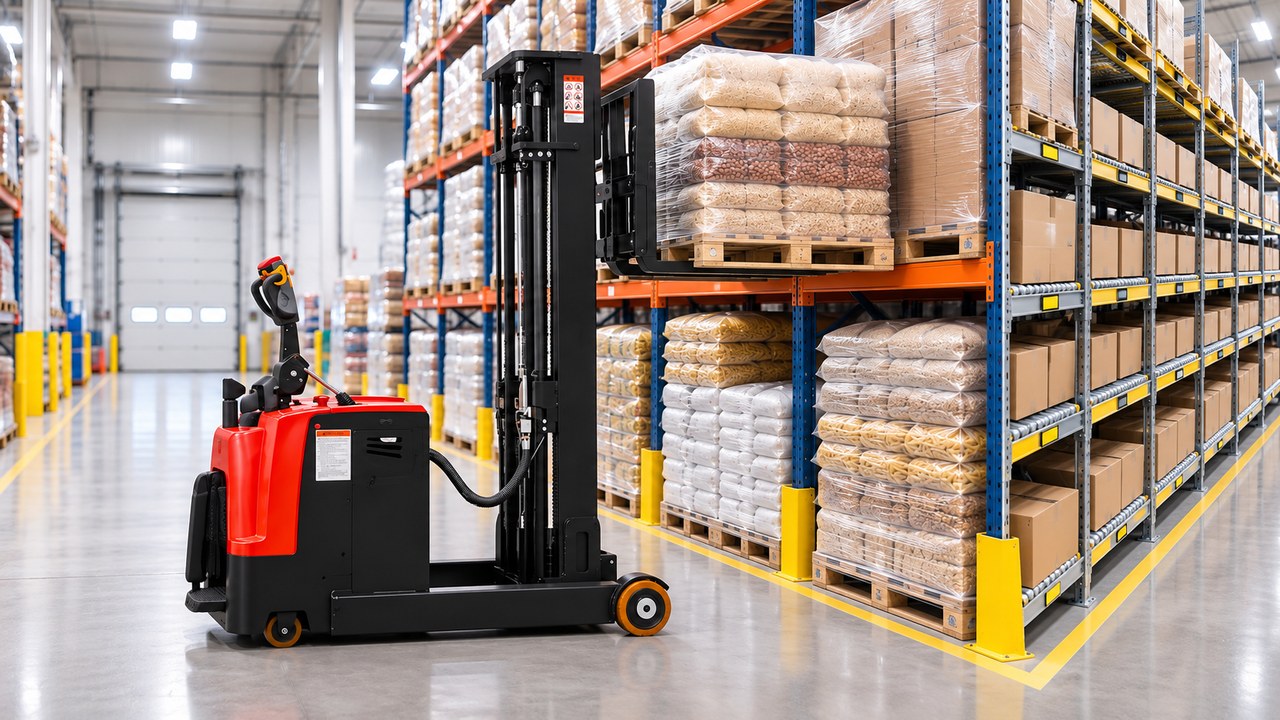
Keep pedestrians out of the operating aisle, inspect mast and chains, confirm fork condition, stabilize the load, obey rack and truck capacity limits, avoid travel with an elevated load and stop when visibility or pallet integrity is uncertain. The control should be observable: a marked zone, a tested device, a signed check, an isolated route or an agreed handoff. General reminders are not enough when equipment, people and automation share a compact area. Stop-work authority must be understood by operators, supervisors, maintenance staff, contractors and visiting drivers.
Daily inspection should be based on the selected model and local rules. Typical checks cover forks or platform, mast or boom, chains and hoses where applicable, wheels and tires, brakes and steering, warning devices, guards, controls, energy system, leaks, damage and the data plate. Defects that affect safe use require isolation and qualified review rather than a temporary workaround.
Document rated load, load center, lift height, residual capacity, fork dimensions, reach stroke, aisle width, turning radius, battery and charger, floor condition, pallet standards and service access. Ask the supplier to distinguish standard equipment from options and to identify any change that affects capacity, stability, transport, charging, fuel, emissions, maintenance or operator training. Shipping dimensions, spare parts, manuals, destination compliance and after-sales support should be confirmed in the commercial record.
A third internal reference is the CQDH20 large electric reach pallet stacker. Comparing three relevant pages helps a buyer frame the right questions, but it does not replace a quotation tied to the intended load and environment. Never infer that every pictured configuration carries the same mast, attachment, tire, battery, engine or residual-capacity specification.
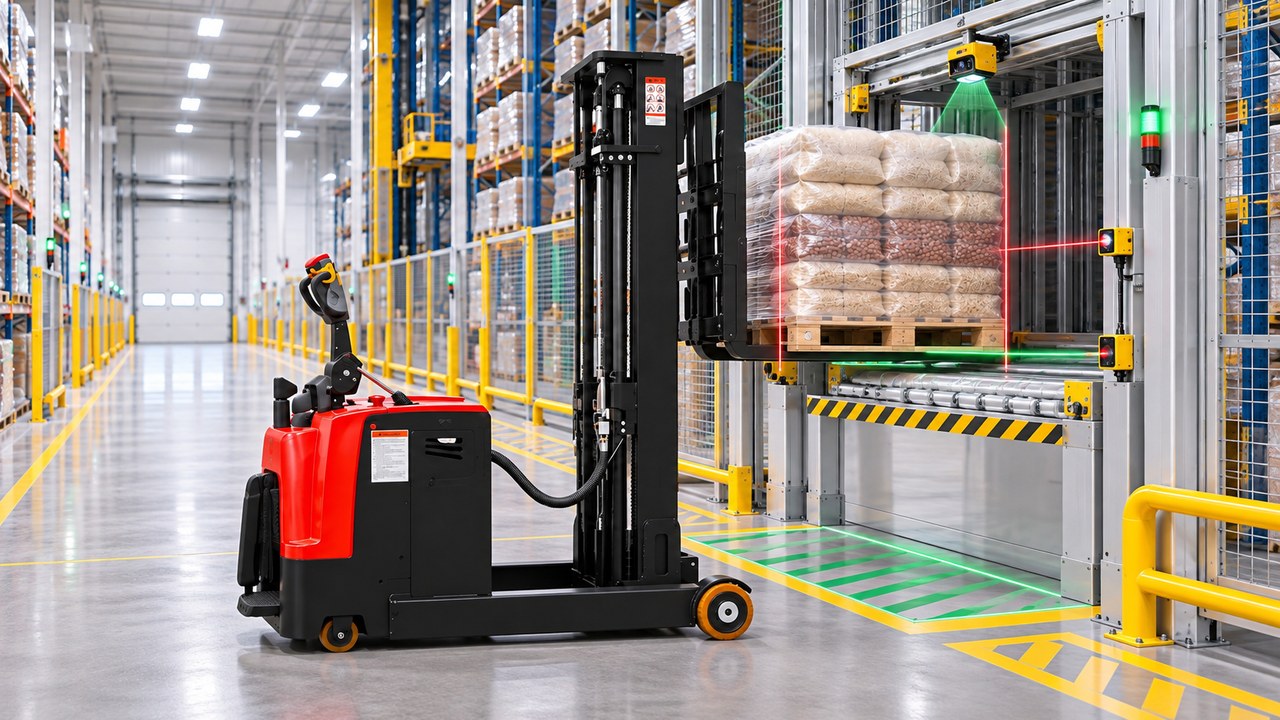
During week one, document the route, task, load and exception boundaries. In week two, run supervised trials at normal and peak conditions and capture the measures above. In week three, correct traffic layout, charging or fueling, access, training and maintenance gaps. In week four, approve only the stable workflows and retain a review date. The same evidence should be revisited after a new attachment, rack change, software update, seasonal weather shift or major change in order profile.
Dense storage works when every proposed slot is physically compatible with the pallet and machine. The objective is repeatable peak flow, not maximum cube utilization at the cost of corrections, blocked aisles or unstable loads. This is the connection between current logistics technology and dependable material handling: automation proposes, verified equipment performs, and accountable people control the exceptions.
ZGFORKLIFT and MYZG are product brands associated with Shandong Zhuogong Machinery equipment Co.,Ltd. We support application-based equipment discussions for material handling and aerial access. Final model selection must be confirmed against the actual task, destination requirements, data plate, manual and supplier quotation.
Contact:
Email: vip@mingyuforklift.com
Tel: +86-0535-2090977
WhatsApp: +86 131 8160 2336
Address: Xiaqiu Town, Laizhou, Yantai City, Shandong Province, China
Name: selena
Mobile:+86-13176910558
Tel:+86-0535-2090977
Whatsapp:8613181602336
Email:vip@mingyuforklift.com
Add:Xiaqiu Town, Laizhou, Yantai City, Shandong Province, China