
vip@mingyuforklift.com
+86-0535-2090977

Diesel forklifts are the backbone of heavy-duty material handling operations across warehouses, construction sites, ports, and manufacturing plants. Their robust diesel engines deliver the torque and endurance needed for demanding tasks, but starting them correctly requires a methodical approach that prioritizes safety, equipment integrity, and operational efficiency. Unlike gasoline-powered or electric forklifts, diesel models involve unique components such as glow plugs, fuel-water separators, and compression-ignition systems that demand specific pre-start and starting procedures. This article provides a detailed, step-by-step technical guide on how to start a diesel forklift, covering everything from pre-operational inspections to troubleshooting common starting failures.
Understanding the Diesel Forklift Starting System
Before diving into the starting procedure, it is essential to understand the fundamental mechanics of a diesel forklift engine. Diesel engines rely on compression ignition rather than spark ignition. Air is drawn into the cylinder and compressed to a very high pressure, which raises its temperature sufficiently to ignite diesel fuel injected into the combustion chamber. This process means that diesel engines require three critical elements to start successfully: adequate compression, a proper fuel supply, and sufficient heat in the combustion chamber.
In cold conditions, the combustion chamber may not reach the necessary temperature through compression alone. This is where glow plugs come into play. Glow plugs are electrically heated elements that pre-warm the combustion chamber, making cold starts possible. On some models, the ignition key must be turned to a "preheat" or "glow" position before the standard start position to activate these plugs. The operator must wait for the glow plug indicator light on the dashboard to extinguish before attempting to crank the engine.
Pre-Operational Inspection: The Foundation of Safe Starting
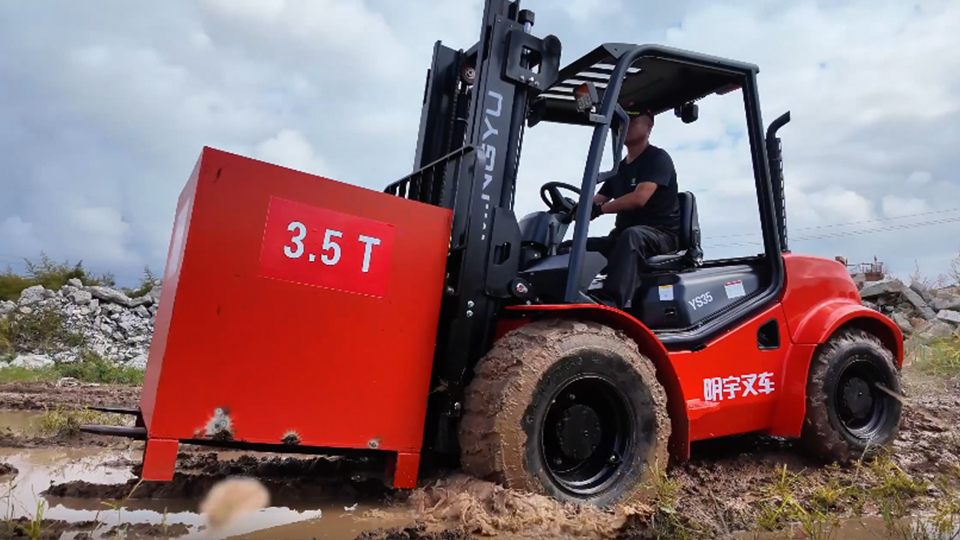
A thorough pre-operational inspection is not merely a regulatory requirement—it is the most effective way to prevent starting failures, equipment damage, and workplace accidents. This inspection should be conducted before every shift and documented in a maintenance log.
Visual and Structural Inspection
Begin by walking around the forklift in a full 360-degree sweep. Park the forklift on level ground, engage the parking brake, lower the forks completely to the ground, turn off the engine, and remove the key. Check the ground beneath the forklift for any fluid leaks—pools of oil, coolant, hydraulic fluid, or diesel fuel indicate potential mechanical issues that must be addressed before starting. Inspect the overhead guard for cracks, dents, or loose components, as this structure protects the operator from falling objects. Verify that all safety decals, warning labels, and the load capacity plate are intact and legible.
Examine the forks and mast assembly closely. The forks should be straight, free of cracks, and securely mounted with locking pins and retaining clips in place. Check the fork heel for wear; if the thickness has decreased by more than 10% from its original dimension, the forks must be replaced. Inspect the mast chains for proper lubrication and even tension, and verify that the lift cylinders, tilt cylinders, and hydraulic hoses show no signs of leaks, chafing, or damage.
Fluid Level Verification
Fluid checks are among the most critical pre-start tasks. With the forklift on level ground and the engine cool, check the engine oil level using the dipstick. The oil should be within the recommended range and free of contaminants. Inspect the coolant level in the radiator and reservoir, ensuring it is adequate and that there are no signs of leakage in the cooling system hoses or radiator. Check the hydraulic fluid level with the forks fully lowered, and verify the brake fluid reservoir level.
For diesel fuel, confirm that the tank contains sufficient clean fuel for the shift. Ensure the fuel cap is tight to prevent contamination. On diesel forklifts, the fuel-water separator is a crucial component that must be checked and drained if water accumulation approaches or exceeds the warning line. Water in the fuel system can cause starting difficulties and severe engine damage.
Tire and Wheel Inspection
Inspect all tires for proper inflation (if pneumatic), cuts, bulges, uneven wear, or embedded debris. Solid tires should be checked for chunking or excessive wear. Verify that lug nuts are properly torqued and that wheel bearings exhibit no abnormal play. Tire condition directly affects stability and safe operation, particularly when the forklift is under load.
Electrical and Safety Systems Check
Inspect the battery terminals for corrosion, looseness, or oxidation. Clean and tighten connections as necessary. Confirm that the main power switch is on and that the battery compartment covers are secure. Test all electrical components: headlights, brake lights, indicators, horn, and backup alarm. The seat belt should retract smoothly and latch securely. Test the service brake and parking brake for full engagement, and verify that the steering mechanism operates smoothly without excessive play.
The Starting Procedure: Step-by-Step
Once the pre-operational inspection is complete and all systems are verified as safe and functional, the operator can proceed with the starting sequence. This procedure assumes the operator is properly trained, certified, and wearing appropriate personal protective equipment (PPE), including safety shoes, a high-visibility vest, and hearing protection.
Step 1: Position Yourself Correctly
Mount the forklift using the three-point contact method (two hands and one foot, or two feet and one hand, always in contact with the vehicle). Adjust the seat for proper reach of all controls and fasten the seat belt securely. Ensure you are fully seated and that the seat sensor (if equipped) is engaged. Modern forklifts will not start if the operator is not properly detected in the seat.
Step 2: Verify Safety Interlocks
Before inserting the key, confirm that all safety interlock conditions are met:
The directional lever (gear selector) must be in the Neutral position.
The parking brake must be fully engaged.
The mast control levers should be in their neutral positions.
The emergency stop button (if equipped) must be in the released position.
These interlocks are designed to prevent accidental movement during startup, which could lead to collisions or tip-overs.
Step 3: Insert the Key and Activate Preheat (If Required)
Insert the ignition key and turn it to the first position to activate the dashboard and instrument panel. Observe the indicator lights; the battery, oil pressure, and glow plug indicators should illuminate. On diesel forklifts, particularly in cold weather, the key may need to be turned to a "preheat" or "glow" position—often to the left or to a dedicated mark on the ignition switch—to activate the glow plugs.
Wait for the glow plug indicator light to extinguish. This typically takes 5 to 15 seconds depending on ambient temperature, but in freezing conditions it may take longer. Attempting to start the engine before the glow plugs have sufficiently heated the combustion chamber will result in hard starting, excessive cranking, and potential damage to the starter motor and battery.
Step 4: Crank the Engine
Once the glow plug indicator is off, turn the key clockwise to the "Start" position. The starter motor should engage and crank the engine. A properly maintained diesel forklift should start within 2 to 3 seconds of cranking. If the engine does not start immediately, release the key and allow it to return to the "On" position. Wait approximately 10 to 15 seconds before attempting to start again. This pause allows the starter motor to cool and prevents battery drain.
Critical Warning: Never crank the engine continuously for more than 10 to 15 seconds. Prolonged cranking can overheat and permanently damage the starter motor, drain the battery, and potentially cause a fire hazard. If the engine fails to start after two or three attempts, stop and investigate the cause rather than repeatedly cranking.
Step 5: Post-Start Monitoring
Once the engine starts, release the key immediately and allow it to return to the "On" or "Run" position. Do not race the engine immediately. Allow it to idle at low RPM for 3 to 5 minutes to build oil pressure and warm up the engine and hydraulic systems. During this warm-up period, observe the dashboard gauges:
Oil pressure should rise to the normal operating range within a few seconds.
The coolant temperature gauge should begin to climb from cold.
The battery charging indicator should extinguish, confirming the alternator is functioning.
The air filter restriction indicator (if equipped) should not be illuminated.
Listen for abnormal noises such as knocking, grinding, or excessive rattling. Observe the exhaust; while a brief puff of white or black smoke on cold startup is normal for diesel engines, continuous excessive smoke indicates potential engine problems.
Step 6: Functional Testing
With the engine idling and warmed up, test all hydraulic functions in a clear, safe area with no load:
Raise and lower the forks through the full lift range.
Test forward and backward tilt.
Test side-shift functions (if equipped).
Verify smooth operation without jerking, unusual noises, or hydraulic leaks.
Test the service brake by driving slowly in a clear area and applying the brakes. The forklift should stop smoothly and in a straight line. Test the steering responsiveness and turning radius. Only after all systems are verified as functional should the forklift be placed into service.
Cold Weather Starting Considerations
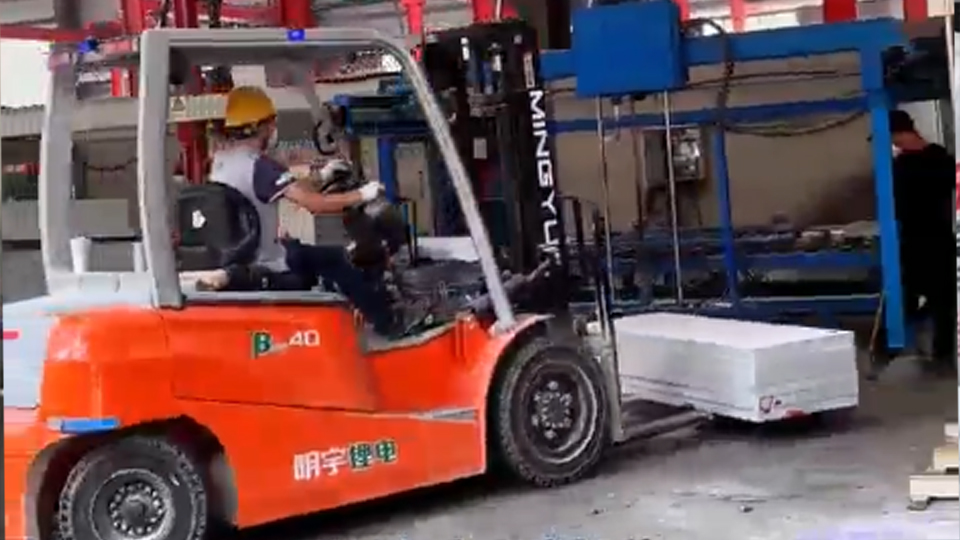
Cold weather presents unique challenges for diesel forklift starting. Diesel fuel can gel in temperatures below the cloud point (typically around 20°F / -6°C for standard #2 diesel), causing fuel filter blockages and starting failures. In cold climates, operators should use winterized diesel fuel (a blend of #1 and #2 diesel) or add anti-gelling additives to the fuel tank.
Battery performance also degrades significantly in cold weather. A battery that provides ample cranking power at 70°F may struggle at 20°F. Ensure the battery is fully charged and that terminals are clean and tight. If the forklift is stored in an unheated facility, consider using a block heater or battery blanket overnight to maintain engine and battery temperatures.
The glow plug preheat time will be substantially longer in cold conditions. Some advanced diesel forklifts feature automatic preheat cycles that extend based on ambient temperature. Always wait for the indicator to extinguish before cranking.
Troubleshooting Common Starting Failures
Despite proper procedures, starting failures can occur. A systematic diagnostic approach saves time and prevents unnecessary component replacement.
Scenario A: No Response When Turning the Key
If turning the key produces no sound or only a faint click, the issue is likely electrical or related to safety interlocks. Verify that the gear lever is in Neutral, the parking brake is engaged, and the seat sensor is activated. Check the battery terminals for corrosion or looseness. Test the battery voltage; a reading below 12.4 volts indicates insufficient charge. Inspect the main power switch and fuses related to the starting system.
Scenario B: Slow or Labored Cranking
If the starter motor turns but slowly and with difficulty, the battery is likely weak or discharged. Check battery voltage under load and inspect cable connections for high resistance. Extremely cold weather or a failing starter motor can also cause slow cranking. In some cases, excessive mechanical drag from a seized engine component may be the culprit, requiring professional diagnosis.
Scenario C: Normal Cranking but Engine Fails to Ignite
This "crank-no-start" condition indicates that the electrical starting system is functional, but the engine lacks fuel, heat, or compression. Begin by checking the fuel level and quality. Drain the fuel-water separator if water is present. Check the fuel filter for clogging and replace if necessary. If the fuel tank was recently run dry or the filter was changed, air may have entered the fuel lines. Use the manual primer pump (typically located on the fuel transfer pump or filter housing) to purge air from the system until firm resistance is felt.
Verify that the glow plugs are functioning; a failed glow plug system will prevent cold starts. On engines with a fuel shutoff solenoid, confirm that it is receiving voltage and audibly clicking when the key is turned on. If fuel delivery and preheating are confirmed but the engine still fails to start, low compression due to worn piston rings or valve problems may be the cause—this requires professional mechanical service.
Post-Start and Operational Safety
Starting the engine is only the beginning of safe forklift operation. Always operate at appropriate speeds, maintain clear visibility, and use the horn to alert pedestrians. When lifting loads, ensure the forks are fully engaged under the load before raising, and keep the load low to the ground during travel. Never tilt a load forward on an incline, and always yield to pedestrians.
At the end of the shift, park the forklift on a level surface, lower the forks to the ground, engage the parking brake, turn off the engine, and remove the key. Block the wheels if parked on an incline. Conduct a brief post-operation inspection and report any abnormalities to the maintenance department.
Conclusion
Starting a diesel forklift is a procedure that demands technical knowledge, disciplined adherence to safety protocols, and a thorough understanding of the machine's systems. From the pre-operational inspection that catches potential failures before they strand an operator, to the critical step of glow plug preheating in cold conditions, each phase of the starting process contributes to operational safety and equipment longevity. By following the systematic procedures outlined in this guide, operators can ensure reliable starts, minimize downtime, and maintain a safe working environment. When in doubt—whether facing a stubborn starting issue or an unfamiliar warning indicator—always consult the manufacturer's operator manual and, when necessary, seek assistance from a qualified technician. Safety and competence are never worth compromising for the sake of speed.
Name: selena
Mobile:+86-13176910558
Tel:+86-0535-2090977
Whatsapp:8613181602336
Email:vip@mingyuforklift.com
Add:Xiaqiu Town, Laizhou, Yantai City, Shandong Province, China