vip@mingyuforklift.com
+86-0535-2090977

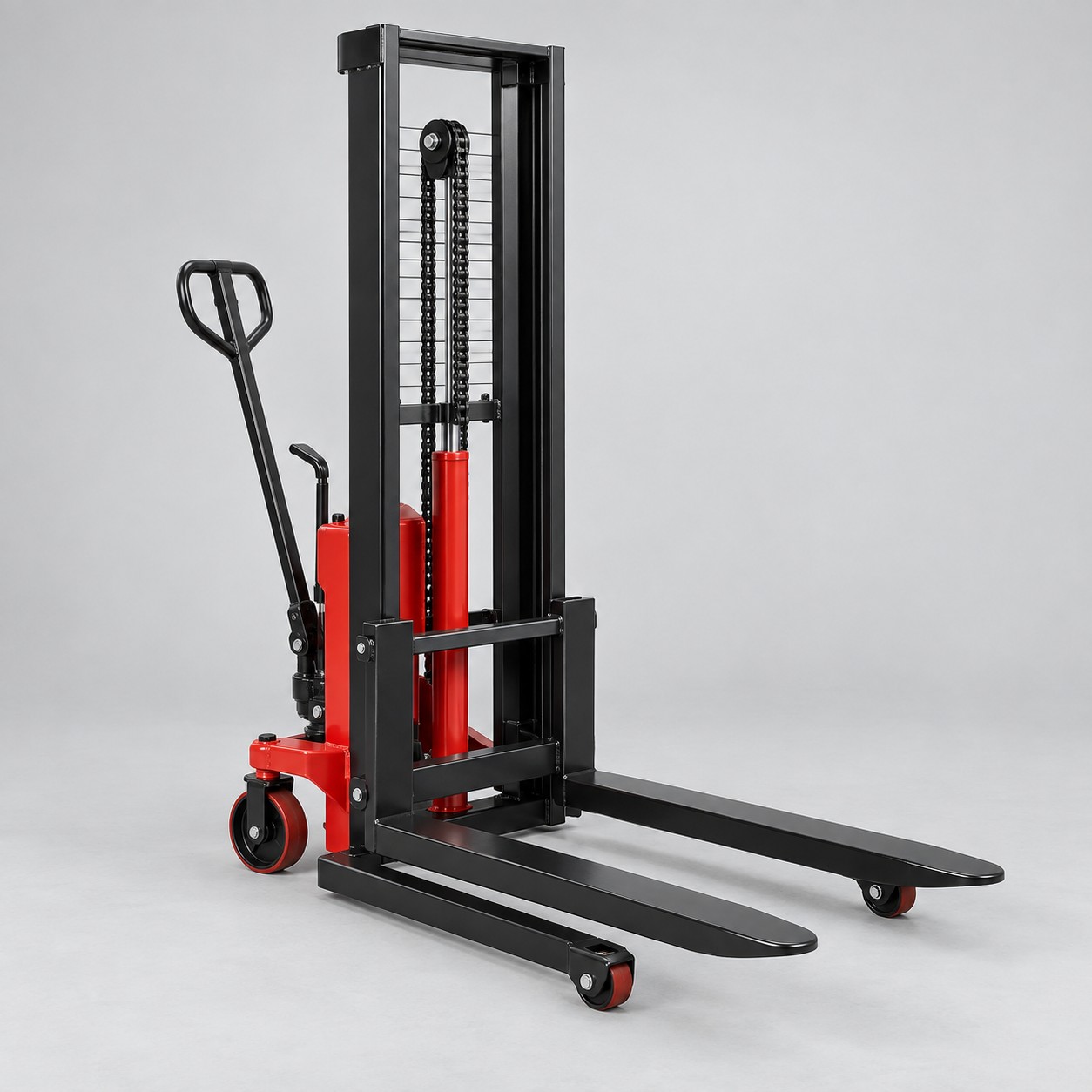
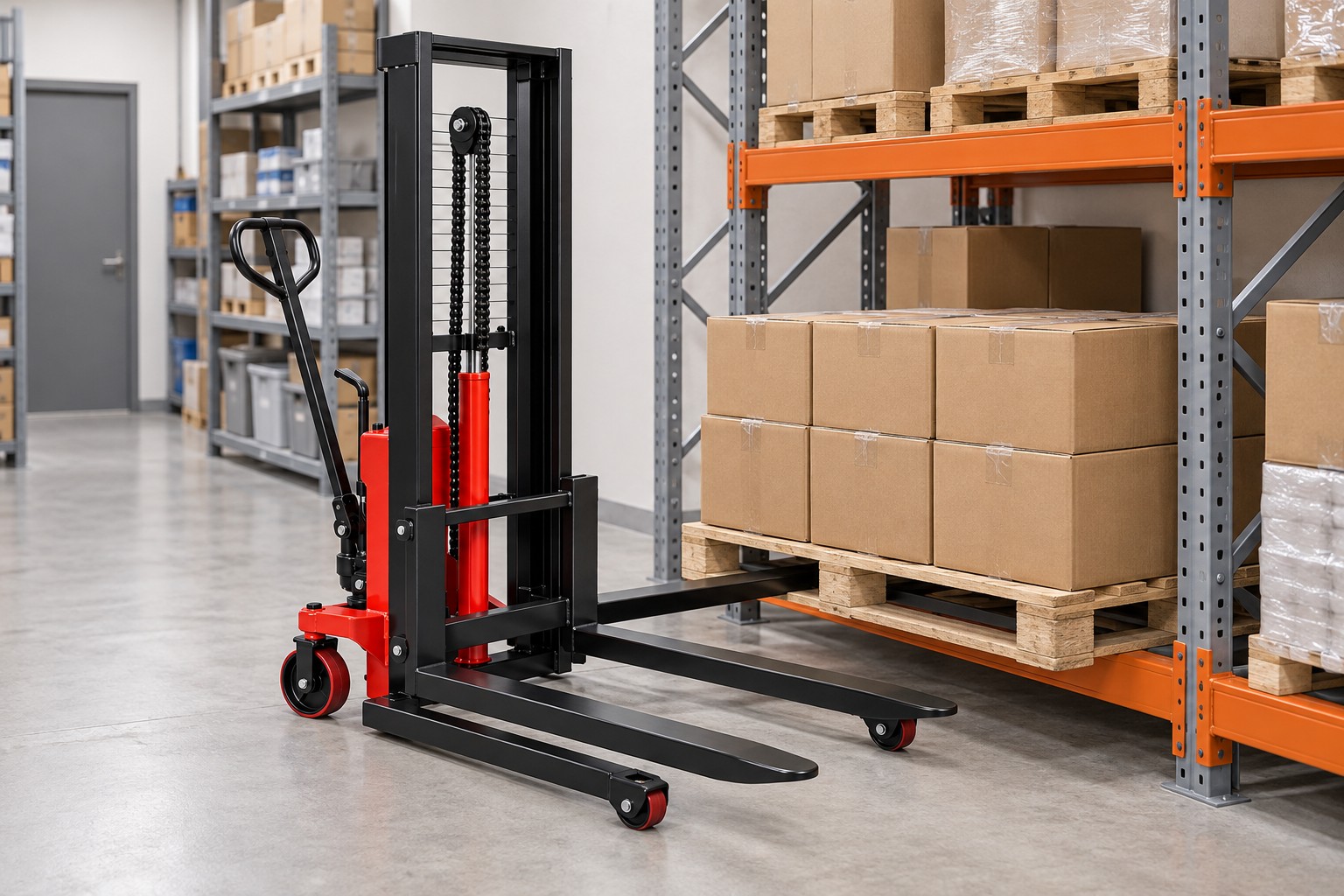
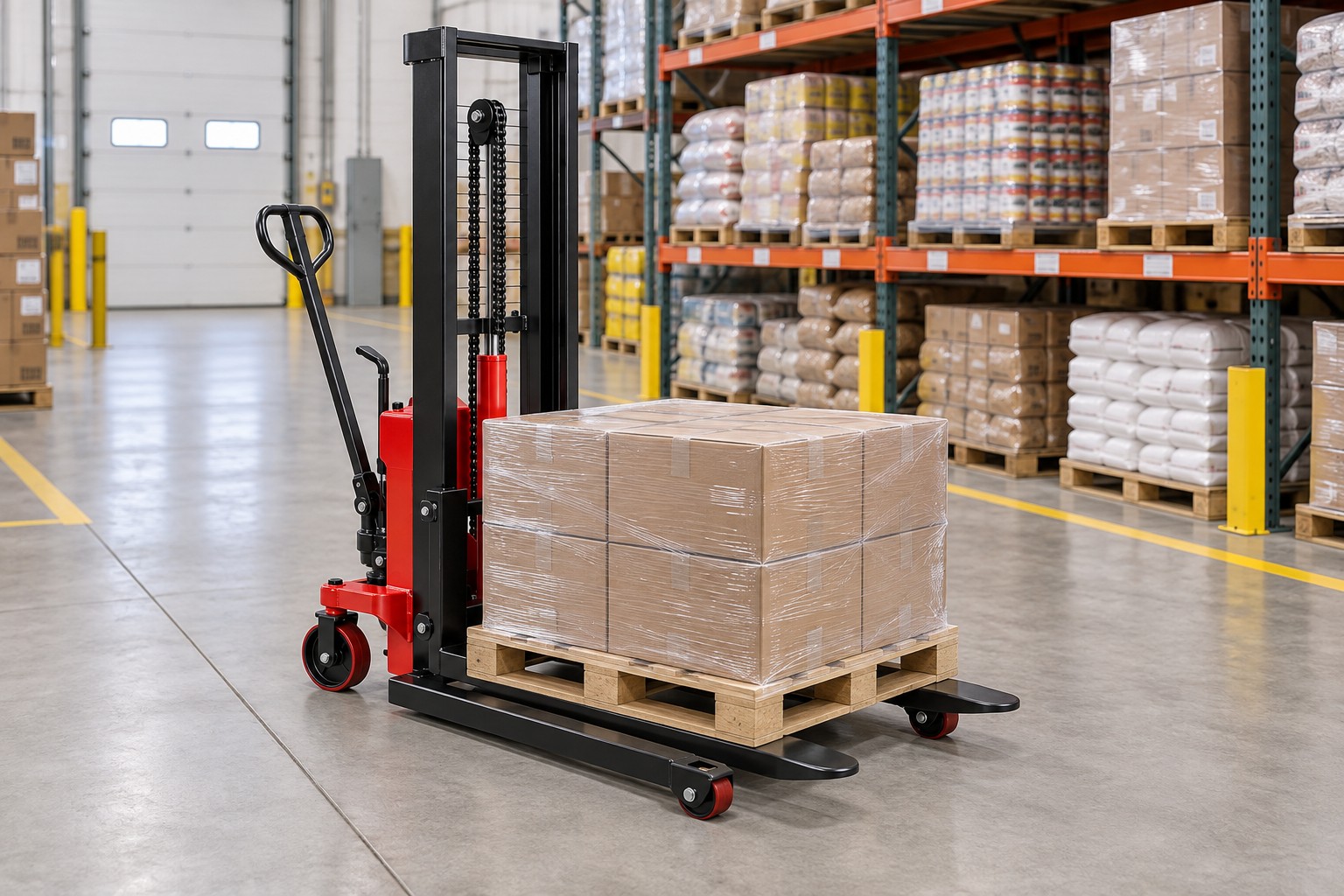
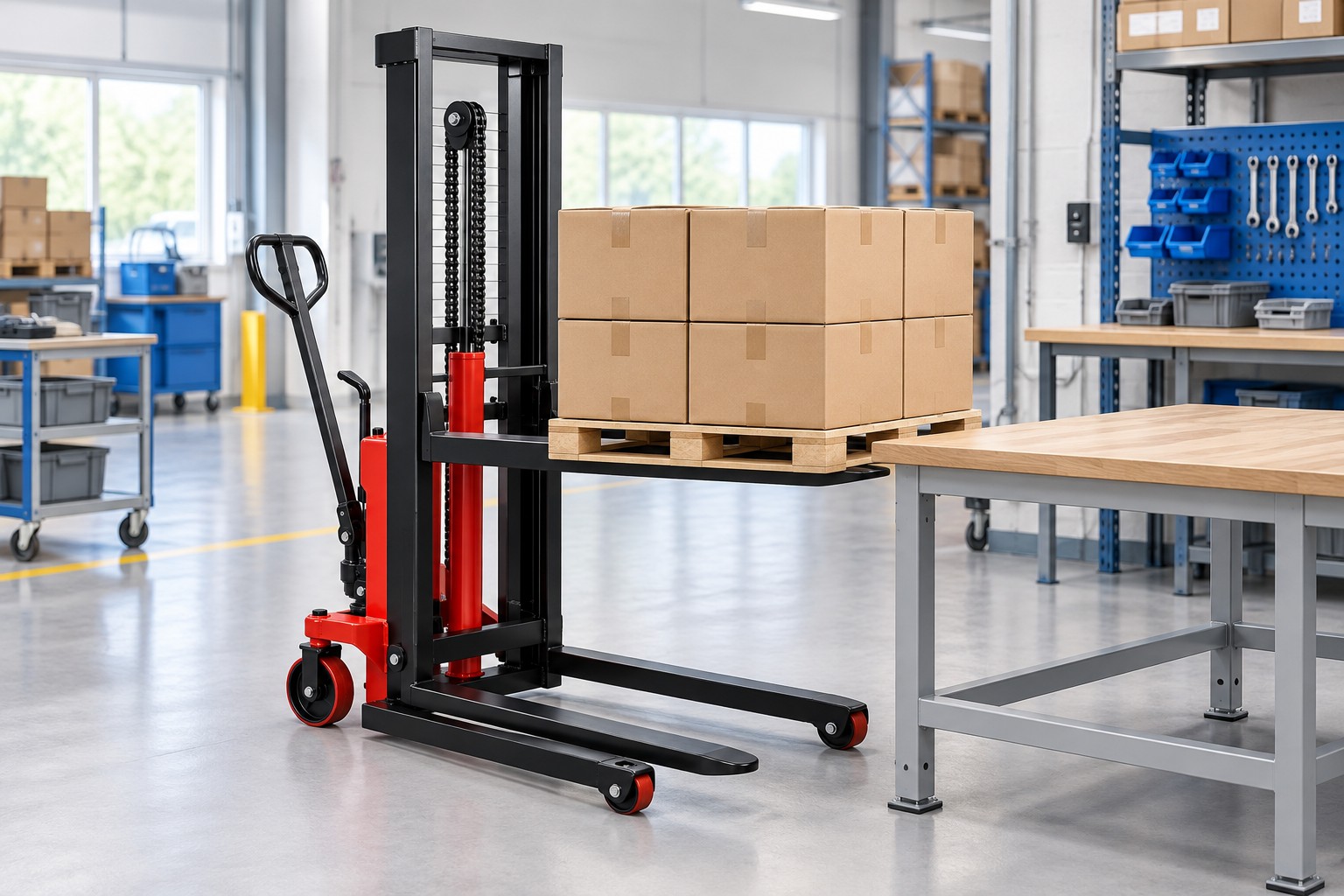
The Manual Hydraulic Stacker manual hydraulic pallet stacker is presented for library archives, museum stores and document-record warehouses. ZGFORKLIFT / MYZG recommends selecting a pallet stacker from measured loads, pallets, rack geometry, route, floor or ground condition, duty cycle and service capability. This application page supports procurement research but does not replace the quotation, capacity plate, mast chart, instruction manual, site assessment or local rules.
Archives and museum stores may move boxed records, conservation supplies, display components and palletized paper stock over short indoor routes. A manual hydraulic stacker can support occasional lifting where pallet openings, floor levelness, aisle width and operator effort suit the equipment. Dense paper loads require accurate weighing, stable pallets and strict load-center control.
Map the complete material flow from unloading through storage, replenishment and dispatch. Record every pallet type, unusual load, rack opening, doorway, ramp, crossing, pedestrian interface and charging location. Peak duty and the most difficult turn often determine the correct stacker more than the average pallet or straight aisle.
The existing manual hydraulic stacker source page presents a manually propelled and hydraulically lifted pallet stacker for stockrooms and workshops. Capacity, lift height, load center, fork dimensions, straddle or base-leg geometry, lowered mast height, wheel material, brake arrangement and operating effort must be confirmed on the quotation, capacity plate and delivered manual.
Review the stacker product category, the All Products catalog, and the manual hydraulic stacker source product page. The source identifies the real website product family; exact specifications, optional equipment and compliance documents remain order-specific.
Load: record the heaviest real pallet, load center, dimensions, packaging, stability and any offset or overhang. Nominal capacity alone is not enough. Residual capacity can change with mast height, load center, fork position, attachment, battery and configuration, so request the correct capacity information for the quoted unit.
Pallet: provide pallet length, width, height, underside clearance, board arrangement, entry direction and condition. Confirm that forks, base legs or straddle arrangement fit the pallet and rack. Closed-bottom pallets, damaged boards and unusual skids may require another configuration.
Lift and mast: measure the highest fork level, top load height, rack-beam clearance, ceiling and door height. Separate lift height from overall raised mast height. Confirm lowered mast height, free lift and overhead clearance along the complete route.
Aisle and turning: measure between the real rack faces and include guards, columns, stored goods and pedestrian barriers. A supplier calculation should use the actual pallet and machine configuration. Demonstrate the most difficult turn under controlled conditions before fleet rollout.
Duty and energy: provide pallets per hour, travel distance, gradients, shift length, breaks, cold or hot conditions and charging opportunities. Match battery and charger to the peak duty, destination power supply and battery-area controls rather than relying on a generic operating-hour claim.
The guide explaining what a pallet stacker is introduces the basic equipment class, while the forklift and stacker comparison helps buyers distinguish compact stacker work from counterbalanced forklift applications. A stacker may suit controlled pallet storage and shorter routes; a forklift may be necessary for longer travel, docks, uneven ground, trailers or loads that the stacker chassis cannot safely handle.
Compare nominal and residual capacity, load center, mast and fork geometry, base legs, aisle requirement, travel distance, gradient, wheel or tire type, braking, operator position, visibility, battery endurance, charger, service access and emergency controls. Select the smallest suitable configuration that completes the measured task without creating hidden route or capacity risks.
Separate stacker routes from pedestrians using barriers, marked crossings, speed controls and clear right-of-way rules. Protect rack ends, doors, chargers, columns and dock edges. Define parking and key-control arrangements. Operators must maintain visibility; where the load obstructs the travel direction, follow the approved travel method and site procedure.
Before use, inspect forks, fork heels, carriage, mast channels, rollers, chains, load backrest, base legs, steering and load wheels, parking brake, handle, hydraulic pump, lowering control, hoses, cylinder, fasteners and visible structure. Check that the route is level, dry and clear of loose labels, archive straps and packing materials.
Use the electric-stacker safe-operation guide as supplementary planning material. Operators must follow the delivered manual, training and site rules. Travel with the load in the approved lowered position, avoid turning on gradients, never carry passengers, never stand beneath elevated forks and never exceed the capacity shown for the actual height and load center.
Have a competent person confirm rack capacity, beam level, pallet support and clearances. Damaged racking, leaning loads, broken pallets or obstructed flues require corrective action before placement. Do not push or drag loads with the mast, lift people on forks or improvised platforms, or use forks as a work stand.
Inspect floors for holes, plates, joints, debris, wet areas and gradients. Confirm floor capacity where the machine works on mezzanines or older slabs. At docks and truck interfaces, use edge protection, restraint and a separate procedure; a warehouse stacker should not enter trailers or cross dock plates unless the exact machine, plate and trailer arrangement are approved.
Paper dust and loose labels can collect around wheels, mast rollers and chains. Clean using approved dry methods and inspect chain condition and adjustment, rollers, fork wear, base legs, wheels, casters, parking brake, pump operation, lowering control and hydraulic leakage. Lubricate only as specified and protect stored equipment from moisture and unauthorized use.
Maintain a service record with machine and battery identification, date, operating hours where available, reported fault, diagnosis, parts used, inspection result and return-to-service authorization. Defects affecting forks, mast, chains, brakes, steering, hydraulics, controls, warning devices or structure must remove the machine from service until qualified repair and release.
Dealers and fleet owners should plan wear items and diagnostic support around local duty and lead time. Review the parts and dealer support page and include the model, serial number, mast, battery, charger, configuration, fault history and clear photographs in every parts or technical request.
Dealers can qualify inquiries with one repeatable form covering load, pallet, lift height, rack, aisle, route, gradients, duty, charging, environment, destination and service capability. A controlled demonstration should reproduce the real pallet and tightest approved route. Document the offered configuration, limitations and acceptance checks before order confirmation.
For rental or multi-site fleets, standardize pre-delivery inspection, battery condition records, damage reporting and return checks. Track impacts, overload attempts, charger faults, wheel wear and recurring operator concerns. Cooperation cases should be discussed only when customer permission and verifiable details are available; this page does not invent customer names, volumes or performance results.
For export orders, confirm machine and mast configuration, battery chemistry and capacity, charger input, plug, labels, manuals, packing, shipping dimensions, dangerous-goods information where applicable and destination requirements before contract. Agree spare-parts and commissioning plans with the importer or dealer before shipment.
Where CE documentation is required, request and verify the declaration and supporting documents for the exact supplied machine and destination. EPA engine-emissions certification is generally not applicable to a fully electric pallet stacker without a combustion engine, but the actual power configuration must be confirmed. Electrical, machinery, battery-transport, workplace and import requirements may still apply. No unverified certificate, test result, export volume, delivery record or customer case is claimed here.
Shandong Zhuogong Machinery Equipment Co., Ltd. can review buyer-provided application data, discuss available configurations and coordinate product, documentation, packing, commissioning and parts questions for the proposed order. Final capacity, dimensions, options, compliance documents, warranty scope, lead time and commercial terms must be confirmed in the quotation or technical agreement.
Send pallet and archive-box dimensions, maximum real load and load center, required lift height, shelf and aisle layout, doorway and turning measurements, floor condition, travel distance, expected lifts per day, destination and service expectations. Contact Shandong Zhuogong Machinery Equipment Co., Ltd. at vip@mingyuforklift.com or +86-0535-2090977, or use the contact and inquiry page. Include “Manual Hydraulic Stacker manual hydraulic pallet stacker” so the complete application can be reviewed together.
Name: selena
Mobile:+86-13176910558
Tel:+86-0535-2090977
Whatsapp:8613181602336
Email:vip@mingyuforklift.com
Add:Xiaqiu Town, Laizhou, Yantai City, Shandong Province, China