vip@mingyuforklift.com
+86-0535-2090977

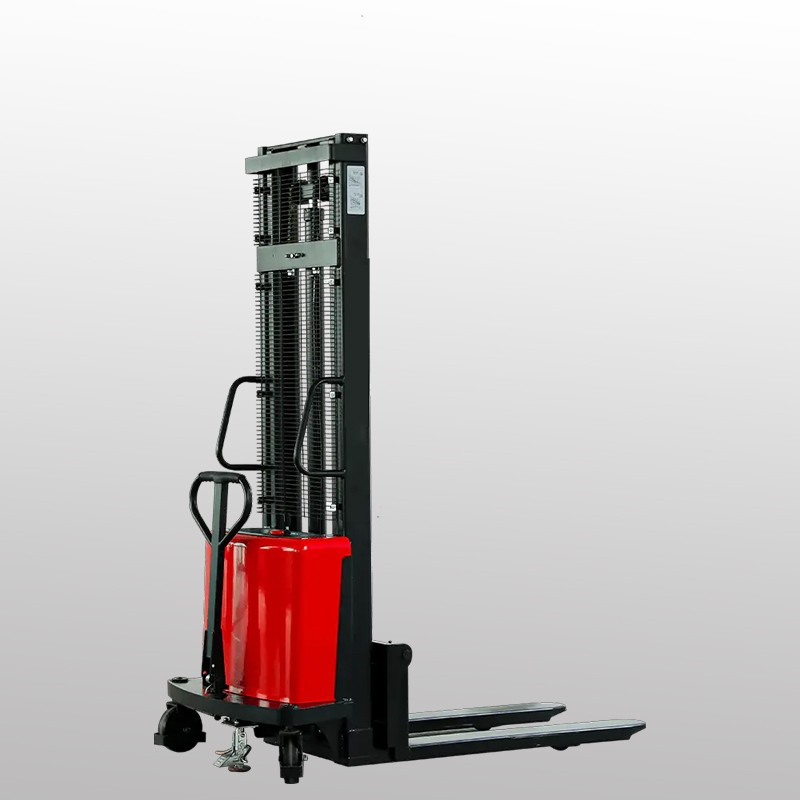
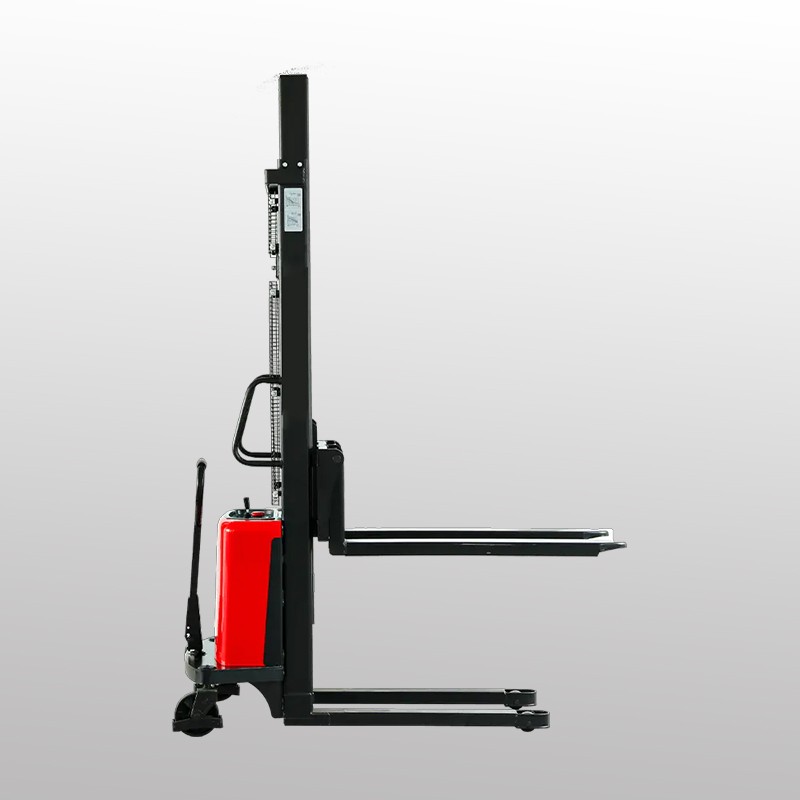
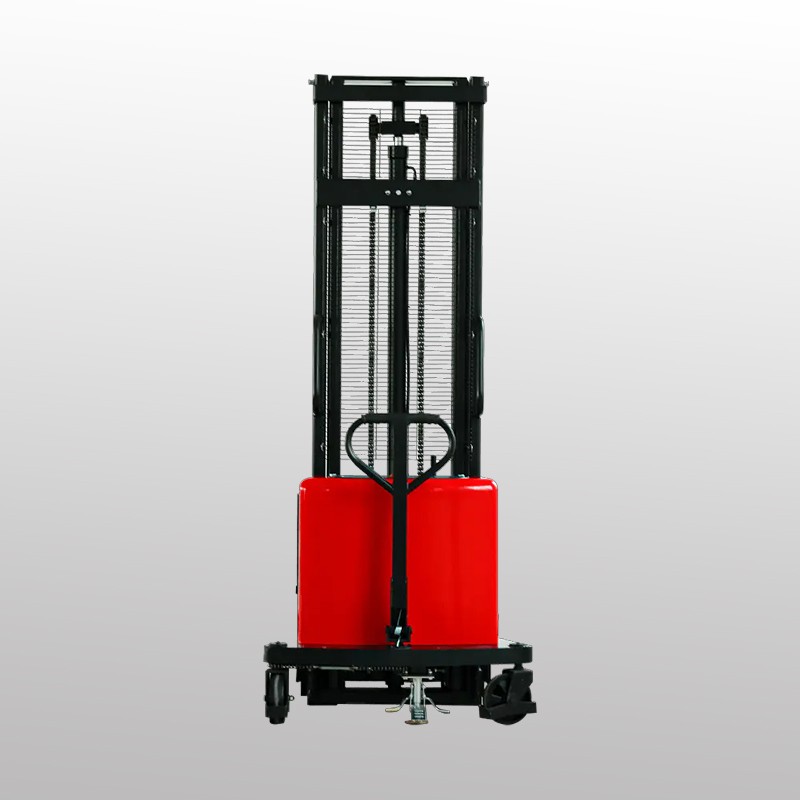
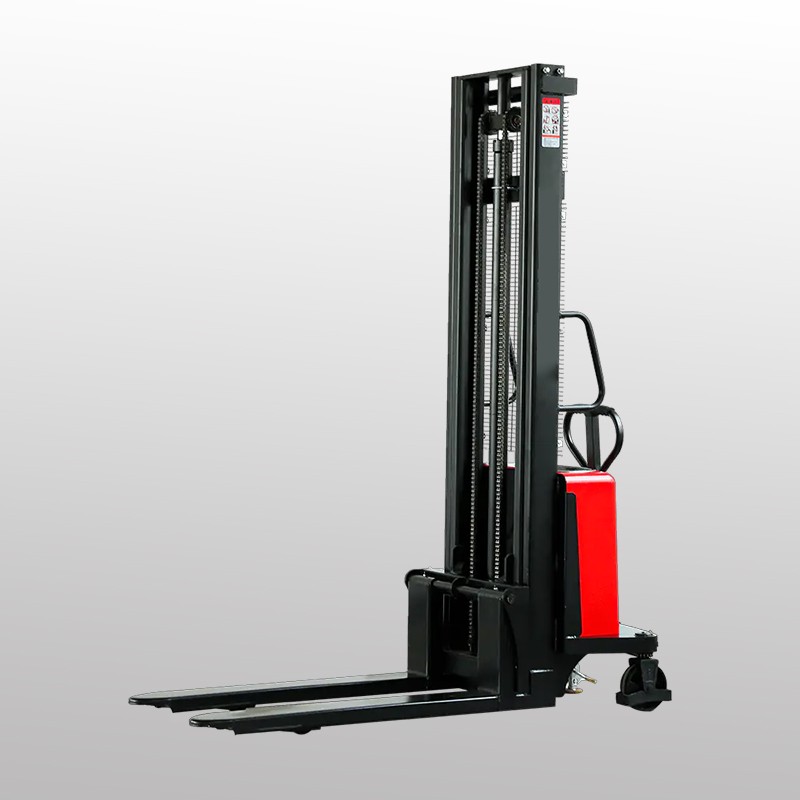
The SBD15 1.5 ton semi-electric straddle pallet stacker is designed for businesses that need powered lifting but can manage short-distance manual travel. Its straddle-leg layout can support pallet and load formats that require the forks to approach without relying only on pallet wheel openings. For ZGFORKLIFT / MYZG customers, the right result comes from matching the stacker to the load, pallet, aisle, floor, lift height, operator workload, battery plan and service capability—not from choosing capacity alone.
The SBD15 combines an electrically powered hydraulic lift with pedestrian-controlled manual travel. This configuration can be practical for occasional stacking, short routes and smaller facilities where a fully powered drive system is unnecessary. It is not intended to be described as a rider truck or a powered travel truck. Operators still push, pull, steer and position the machine, so floor levelness, route length, gradient, load weight and ergonomic risk must be assessed before purchase.
The website’s SBD family lists 1,000 kg, 1,500 kg and 2,000 kg classes. This page describes the 1,500 kg SBD15 selection. Source-family information includes a 500 mm load center, 12 V electrical system and 120 Ah battery, but final mast, battery, charger, forks, straddle width, dimensions, service weight and residual capacity remain configuration-dependent. The confirmed quotation, machine data plate and delivered manual govern the supplied equipment.
Small warehouses, retail back rooms and spare-parts stores often need to place palletized goods into low or medium-height storage without paying for continuous powered travel. The SBD15 can support receiving, staging and occasional replenishment when routes are short and floors are smooth. Measure the full operating envelope, including the straddle legs, load overhang and steering handle, at the narrowest loaded turn.
Pallet compatibility is central to the solution. Buyers should record pallet length, width, entry direction, underside structure and the space available around the load. Straddle legs may help with closed-bottom pallets or platforms, but leg width and fork position must clear the pallet and rack. Damaged pallets, unstable cartons, unknown weights and excessive overhang should be isolated or repacked before stacking.
Light manufacturing plants can use a semi-electric stacker for packaging materials, palletized components, work-in-process and short transfers between a storage point and a production buffer. The layout should minimize unnecessary travel and keep the machine away from emergency exits, pedestrian pinch points and active work cells. Where delicate components are handled, stable pallets and controlled lift and lowering are more useful than chasing a faster cycle time.
For loading tables, mezzanine transfer points or low racks, confirm that the mast, carriage and straddle legs can approach the destination without collision. Never assume that a nominal lift height proves usable clearance. Test the intended load at the required placement height under supervised conditions, and document any rack, pallet or route changes needed before daily operation.
Load and capacity: record the heaviest real load, its dimensions and load-center distance. Long, offset or unstable loads and higher lift positions can reduce residual capacity. Request written confirmation for the exact mast, fork arrangement and working height instead of treating the 1,500 kg nominal rating as universal.
Pallet and straddle geometry: measure pallet openings, fork length, outside fork width, lowered fork height, straddle inside and outside width, rack clearance and any baseboard or machine obstruction. Check both empty entry and loaded withdrawal. Any nonstandard fork, platform or attachment requires technical approval for the exact stacker.
Route and ergonomics: inspect gradients, floor joints, thresholds, drainage channels, damaged concrete and the longest loaded route. Manual travel effort rises with load, slope and poor surfaces. If the task involves long routes, frequent cycles or ramps, compare a fully electric pedestrian or rider stacker rather than forcing a semi-electric model into the wrong duty.
Procurement teams can review the complete ZGFORKLIFT product range, compare alternatives in the stacker product category and browse the All Products index. These pages support research; the approved order specification remains the controlling reference.
The source SBD family lists several mast heights, but the correct choice depends on usable lift height, closed-mast height, ceiling services, doorway clearance and residual capacity. Measure the highest load-support surface rather than only the rack beam. Add the pallet and load height when checking overhead clearance, sprinklers and lighting. A taller mast can change visibility, weight and handling effort.
Rack entry should be planned from the operator’s normal position. Confirm fork alignment, pallet condition and clear visibility of the target level. Establish a no-person zone around the mast and raised load, and keep hands and feet away from chains, rollers, straddle legs and wheel paths. The machine should be stationary and correctly positioned before lifting or lowering.
The source family identifies a 12 V battery system with 120 Ah capacity. Confirm the actual battery, charger input voltage, plug and charging instructions in the ordered configuration. An energy plan should count lift and lowering cycles, load weight, working height, shift length, breaks and charging windows. Semi-electric equipment uses battery energy mainly for lifting, but an undersized or poorly maintained battery can still interrupt the workflow.
Place the charger in an authorized area that follows battery and charger instructions and applicable workplace rules. Inspect cables and connectors, keep required ventilation paths clear and prevent unauthorized changes. Stop using the stacker and obtain qualified support if operators find abnormal heat, odor, swelling, leakage, damaged wiring or repeated electrical faults.
Only trained and authorized personnel should operate the SBD15 under local workplace requirements. Keep the forks low during travel, move at walking pace, maintain visibility and avoid sudden steering. Do not ride on the machine, carry passengers or allow anyone beneath raised forks. Avoid ramps unless the manufacturer and site risk assessment specifically permit the exact task.
Acceptance testing should use representative pallets on the intended route. Check parking and service brakes where fitted, steering, wheels, lift and lowering, hydraulic response, emergency controls, chains, forks, mast alignment, charger compatibility and documents. Confirm the turning envelope and highest stacking position. The forklift FAQ and service guide helps customers prepare questions, while the delivered manual controls actual use.
A pre-shift inspection should cover forks, carriage, mast, chains, rollers, hydraulic cylinder and hoses, straddle legs, load wheels, steering wheels, handle, brakes, lift controls, battery connector and visible wiring. Look for leaks, cracks, loose parts, excessive wear and abnormal noise. Record defects and isolate the equipment when a safety-related fault is found.
Maintenance intervals should reflect lift cycles, dust, moisture, temperature and floor condition. Qualified personnel should adjust chains, service hydraulics and diagnose electrical faults. Fleet managers should identify routine wear parts from the delivered configuration and include the serial number, mast, battery and component details with every inquiry. Customers can plan support through the parts business and service page.
Dealers should qualify every opportunity with a consistent application form covering load, pallet, height, route, floor and duty cycle. A controlled demonstration should show the manual travel effort as well as powered lifting. Record the agreed mast, forks, straddle width, battery, charger and options, then plan commissioning, operator familiarization, service coverage and parts availability before delivery.
For rental fleets, a standardized SBD15 configuration may suit short-term stockroom or workshop tasks, but the customer application still requires screening. Total cost includes energy, charging, scheduled service, wheels, battery replacement planning, transport, training and downtime. Company background and service information are available in the Shandong Zhuogong Machinery Equipment Co., Ltd. profile.
Compliance statements must match the exact machine and destination. Where CE conformity requirements apply, request the declaration, labels and manuals for the ordered configuration. Because the SBD15 is a battery-electric lifting machine without a combustion engine, engine-exhaust EPA requirements generally do not apply as they do to diesel or gasoline forklifts. Destination rules may still address machinery safety, batteries, chargers, transport, recycling and workplace use.
Export preparation should confirm packing, charger supply, plug type, manuals, warning labels, battery transport documents, spare parts and responsibility for import or registration. Shandong Zhuogong Machinery Equipment Co., Ltd. can coordinate the confirmed commercial scope, but this page does not invent certification numbers, named customer cases, performance results or approvals. Supporting documents and references should be provided only when verified and permitted.
Send the load weight and dimensions, pallet drawings, working height, aisle and doorway measurements, straddle-clearance needs, route photographs, gradients, daily cycles, charging opportunities, ambient conditions, destination country and required options. This information lets the technical team compare the SBD15 with manual stackers, fully electric walkie stackers and counterbalance equipment before order confirmation.
Contact Shandong Zhuogong Machinery Equipment Co., Ltd. for selection, configuration and export support. Visit the contact page, email vip@mingyuforklift.com, call +86-0535-2090977 or use WhatsApp +86 131 8160 2336. Address: Xiaqiu Town, Laizhou, Yantai City, Shandong Province, China.
SEO summary: SBD15 semi-electric stacker, 1.5 ton semi-electric pallet stacker, straddle pallet stacker, electric lift manual travel stacker, small warehouse stacker, production staging stacker, pallet stacker buying guide, semi-electric stacker maintenance, ZGFORKLIFT and MYZG.
Name: selena
Mobile:+86-13176910558
Tel:+86-0535-2090977
Whatsapp:8613181602336
Email:vip@mingyuforklift.com
Add:Xiaqiu Town, Laizhou, Yantai City, Shandong Province, China