
vip@mingyuforklift.com
+86-0535-2090977

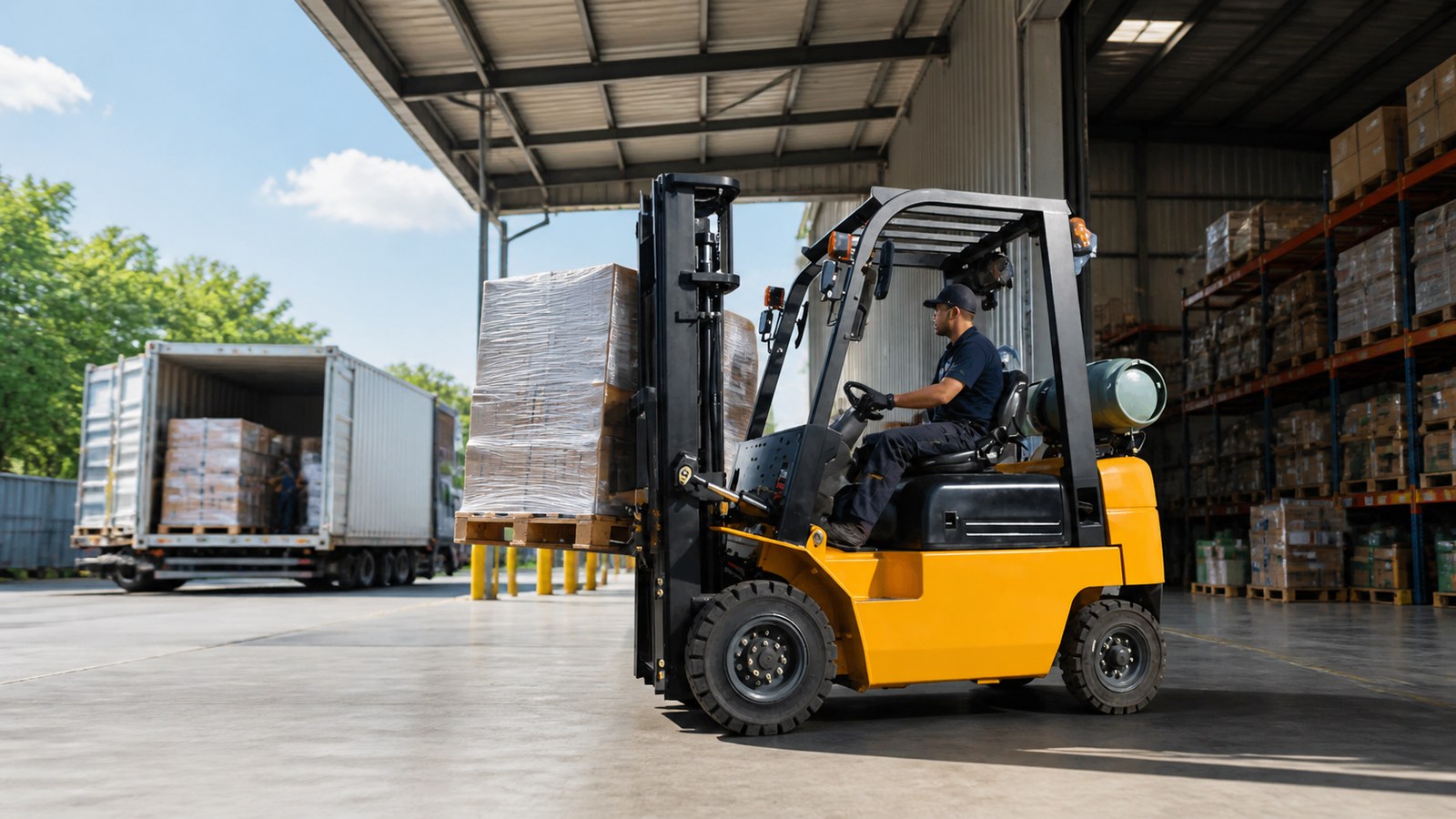
Supply-chain resilience in 2026 is increasingly about optionality. Warehouses face volatile demand, disrupted deliveries, temporary power limits and seasonal peaks. A gasoline/LPG dual-fuel forklift can give some operations a practical choice between two established fuel pathways while retaining fast refueling and strong multi-shift availability. That flexibility is valuable only when the site has a compliant fuel plan, trained operators, effective ventilation and a clear total-cost comparison.
Dual-fuel forklifts are often considered for covered loading docks, beverage distribution, agriculture, building materials and regional logistics where trucks move between indoor and outdoor zones. LPG can support cleaner combustion characteristics than some conventional fuels at the point of use, while gasoline can provide an alternative when cylinder supply is interrupted. The equipment must be operated only in environments permitted by the manufacturer, risk assessment and local rules. Ventilation and carbon-monoxide controls are essential for combustion equipment.
For lighter loads, review the CPY15 gasoline/LPG forklift truck. Buyers should verify actual pallet weight, load center, lift height, attachment and grade. Fuel flexibility cannot compensate for selecting an undersized truck.
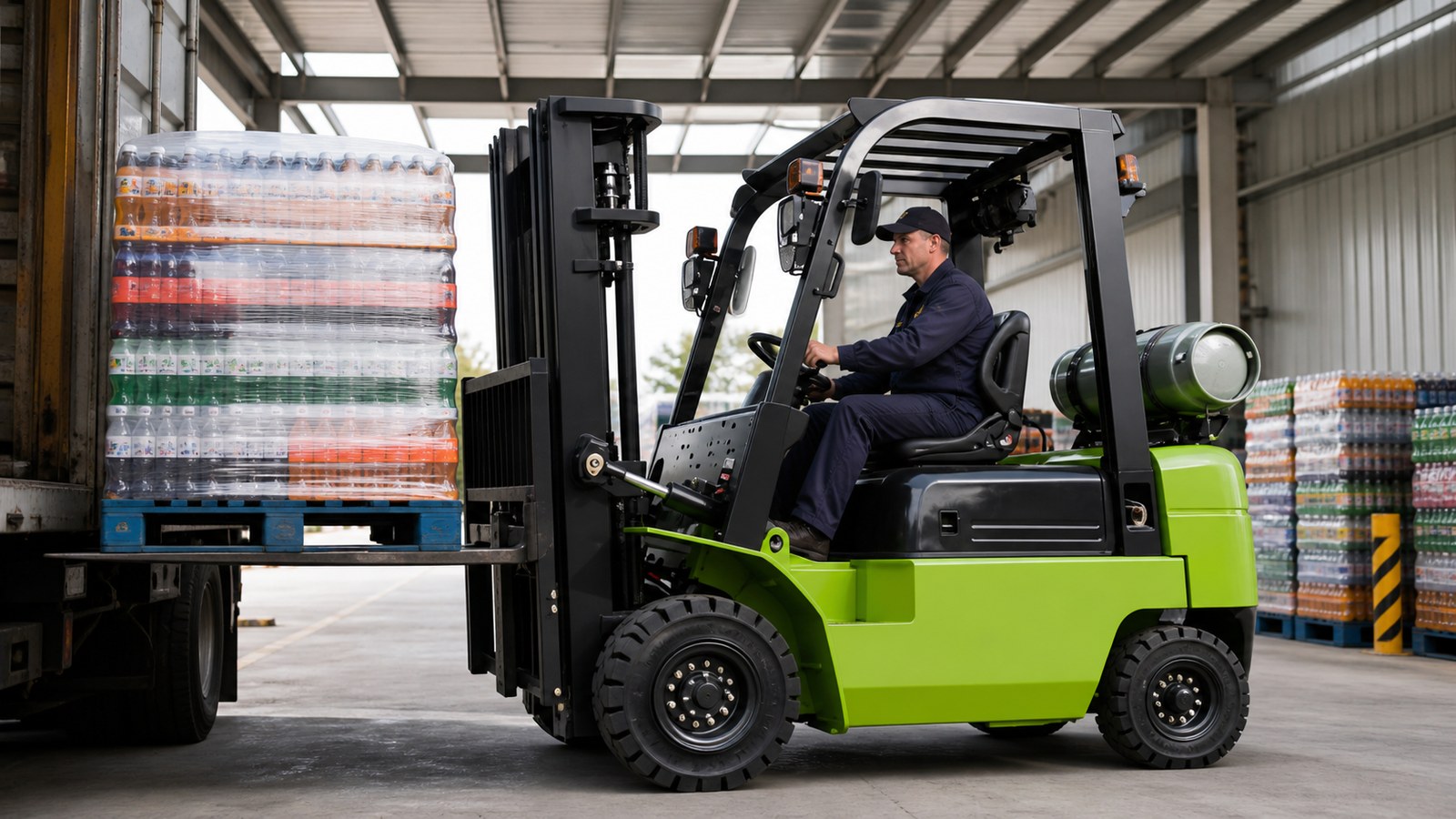
A resilience plan should state approved suppliers, minimum stock, safe storage capacity, delivery lead time and the conditions for switching fuel. LPG cylinders need correct storage, inspection and handling; valves and connections must be protected. Gasoline requires compliant containers, fire precautions and spill controls. Never improvise fittings or use an unidentified cylinder. Operators must know how to shut down, isolate a leak and report damage.
The CPY20 gasoline/LPG forklift truck can be compared when a two-ton class is appropriate. Selection should include engine and emissions requirements for the destination, tire type, mast, fork length, side shift or other attachments, and the daily start-stop profile.
Compare fuel price, consumption, cylinder labor, storage, inspections, service intervals, ventilation and expected residual value. Calculate cost per productive hour rather than cost per liter. Include downtime during refueling and the operational value of rapid return to service. A mixed fleet may use electric equipment for clean repetitive indoor routes and dual-fuel trucks for flexible dock or yard work. The best energy strategy can contain more than one technology.
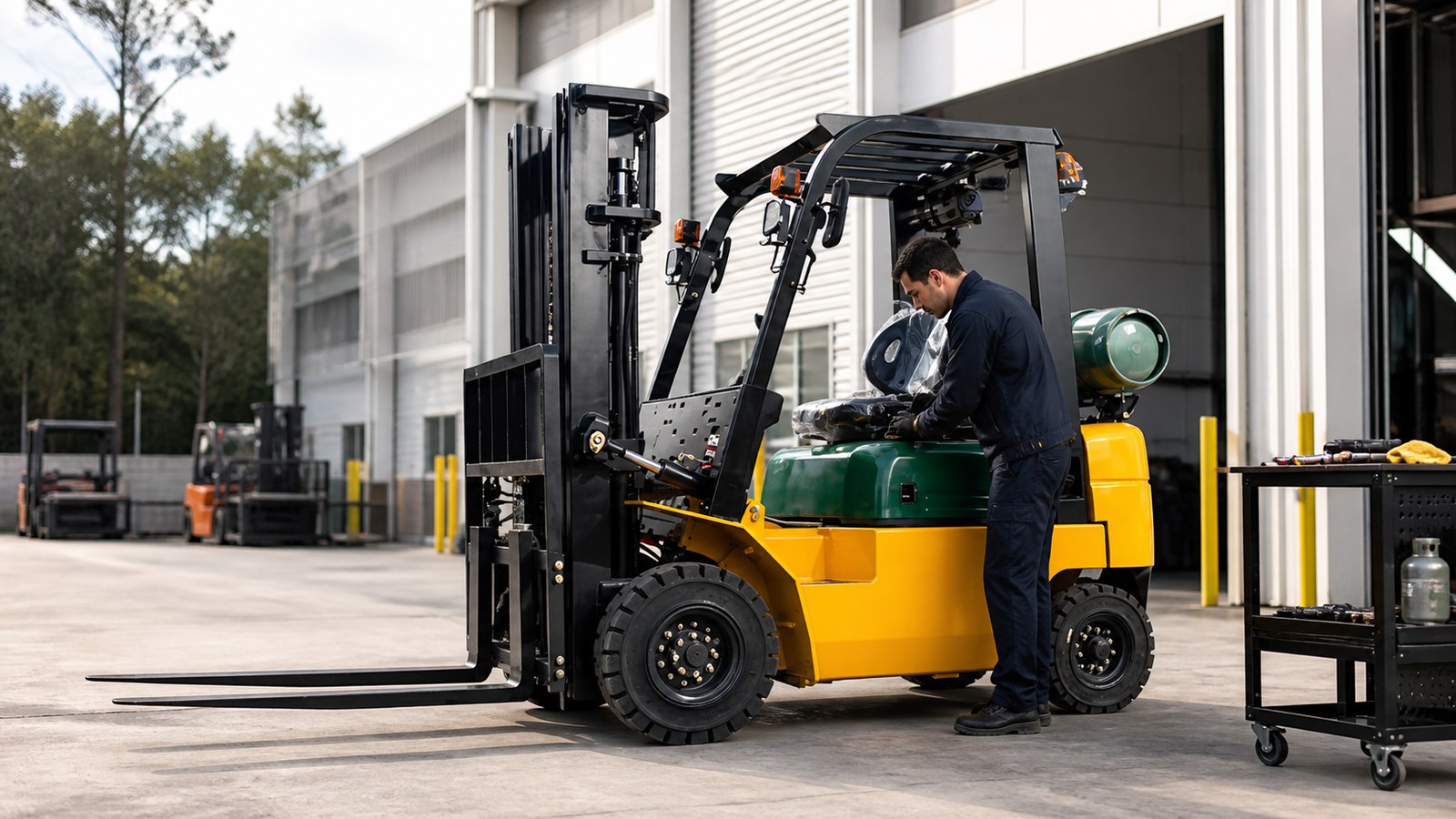
Before each shift, check forks, chains, mast, hydraulics, tires, brakes, steering, lights, warning devices, restraint and overhead guard. Inspect the LPG cylinder, bracket, valve, hose and connection for damage or leakage according to approved procedures. If fuel odor or a suspected leak is detected, shut down in a safe location, isolate the area and follow emergency instructions. Do not continue operation until qualified personnel confirm the system is safe.
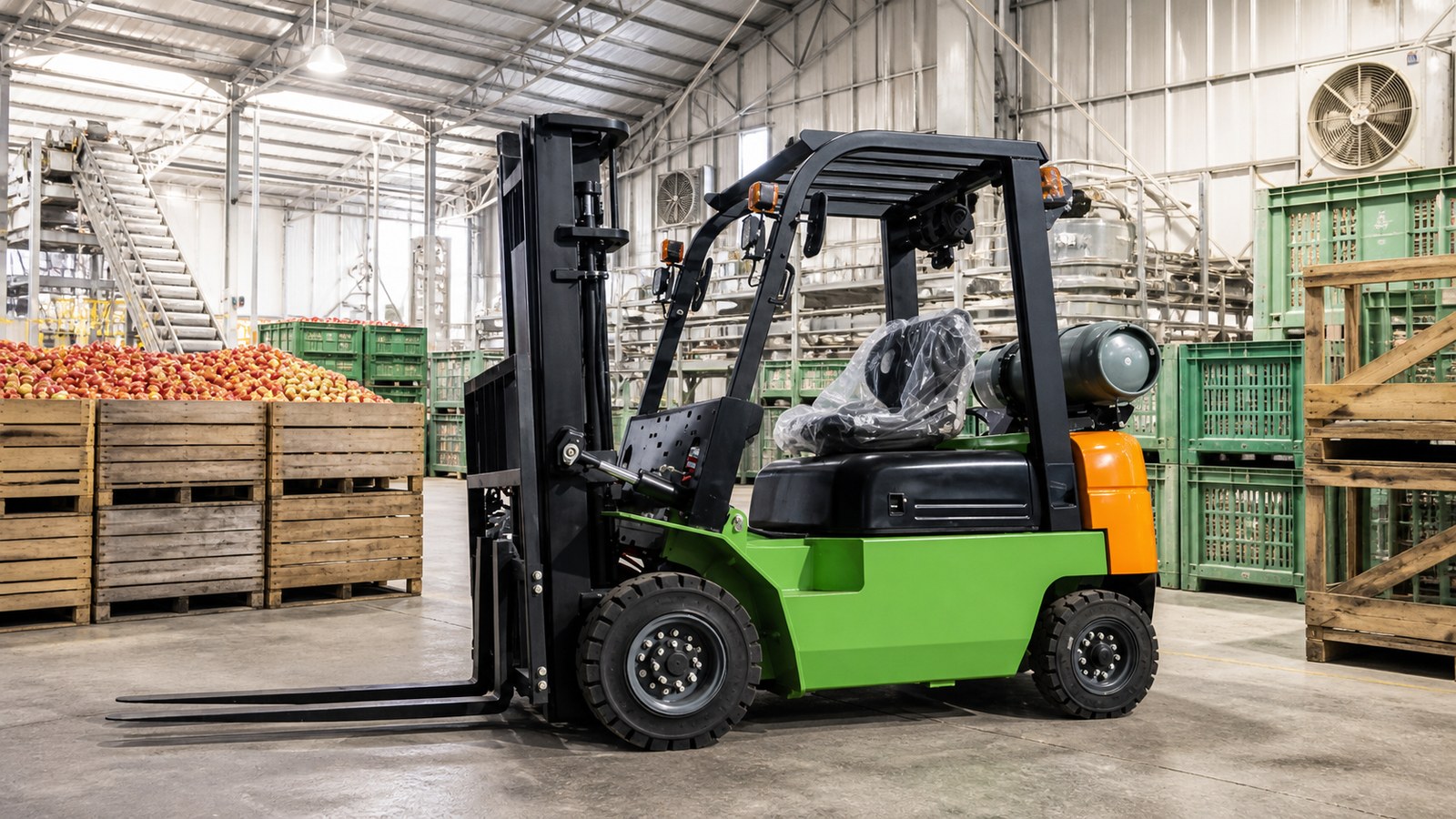
For higher-capacity work, the CPY40 gasoline/LPG forklift truck offers another model to evaluate. Shandong Zhuogong Machinery equipment Co.,Ltd can review load and site data and propose a ZGFORKLIFT / MYZG configuration suited to the destination market.
A useful inquiry includes the heaviest load, load dimensions, maximum lift height, aisle width, door clearance, floor and yard conditions, gradients, hours per shift, indoor-outdoor ratio, preferred fuel, local cylinder standard, emissions expectations and port of delivery. Dual fuel should be selected because it solves a documented continuity or productivity need, not simply because two fuels sound better than one.
Website: www.vavforklift.com
Email: vip@mingyuforklift.com
Tel: +86-0535-2090977
WhatsApp: +86 131 8160 2336
Address: Xiaqiu Town, Laizhou, Yantai City, Shandong Province, China
Name: selena
Mobile:+86-13176910558
Tel:+86-0535-2090977
Whatsapp:8613181602336
Email:vip@mingyuforklift.com
Add:Xiaqiu Town, Laizhou, Yantai City, Shandong Province, China
