
vip@mingyuforklift.com
+86-0535-2090977

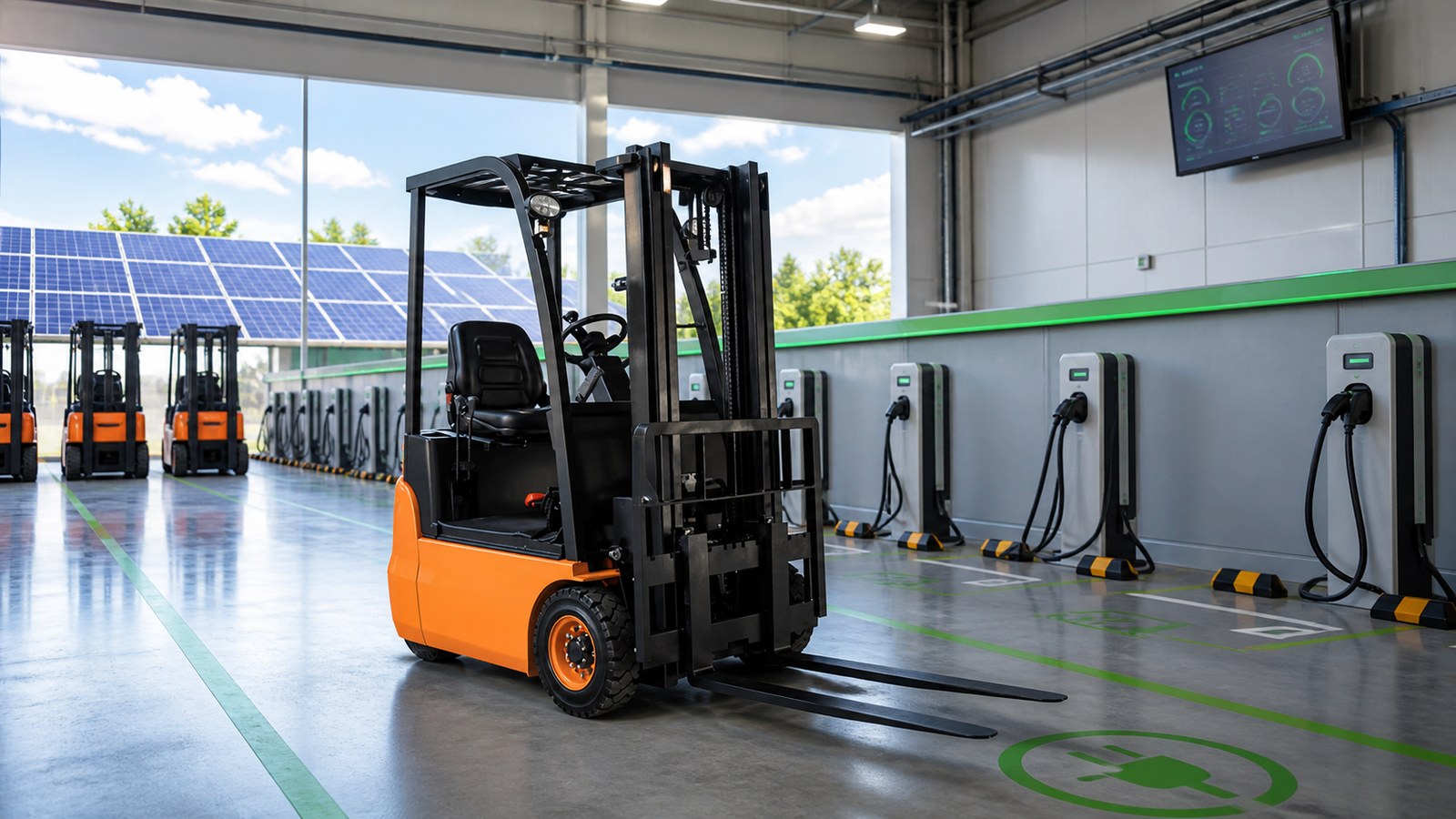
Smart charging is becoming one of the defining electric-forklift topics of 2026. As fleets grow, simply plugging every truck in at the end of a shift can create a large power peak, overload local infrastructure or leave the wrong machine unavailable. Dynamic load management, real-time energy monitoring and planned opportunity charging allow a warehouse to add electric material-handling capacity without automatically increasing its maximum demand. The machine, battery, charger, building supply and work schedule must be designed as one operating system.
Estimate the energy consumed by each truck during the busiest shift, including travel, lift cycles, attachments, temperature and idle accessories. Then calculate how much energy can be returned during approved breaks and overnight windows. A charger with a high nameplate output is not useful if the battery cannot accept that profile or if the building cannot support simultaneous demand. Smart scheduling can prioritize the trucks required first, stagger start times and keep total load below a defined limit.
The compact MYCPD10 electric forklift provides a starting point for light-duty indoor applications. Buyers should match capacity and mast to the load, then confirm battery energy, charger voltage and connector against the shift plan and local electrical supply.
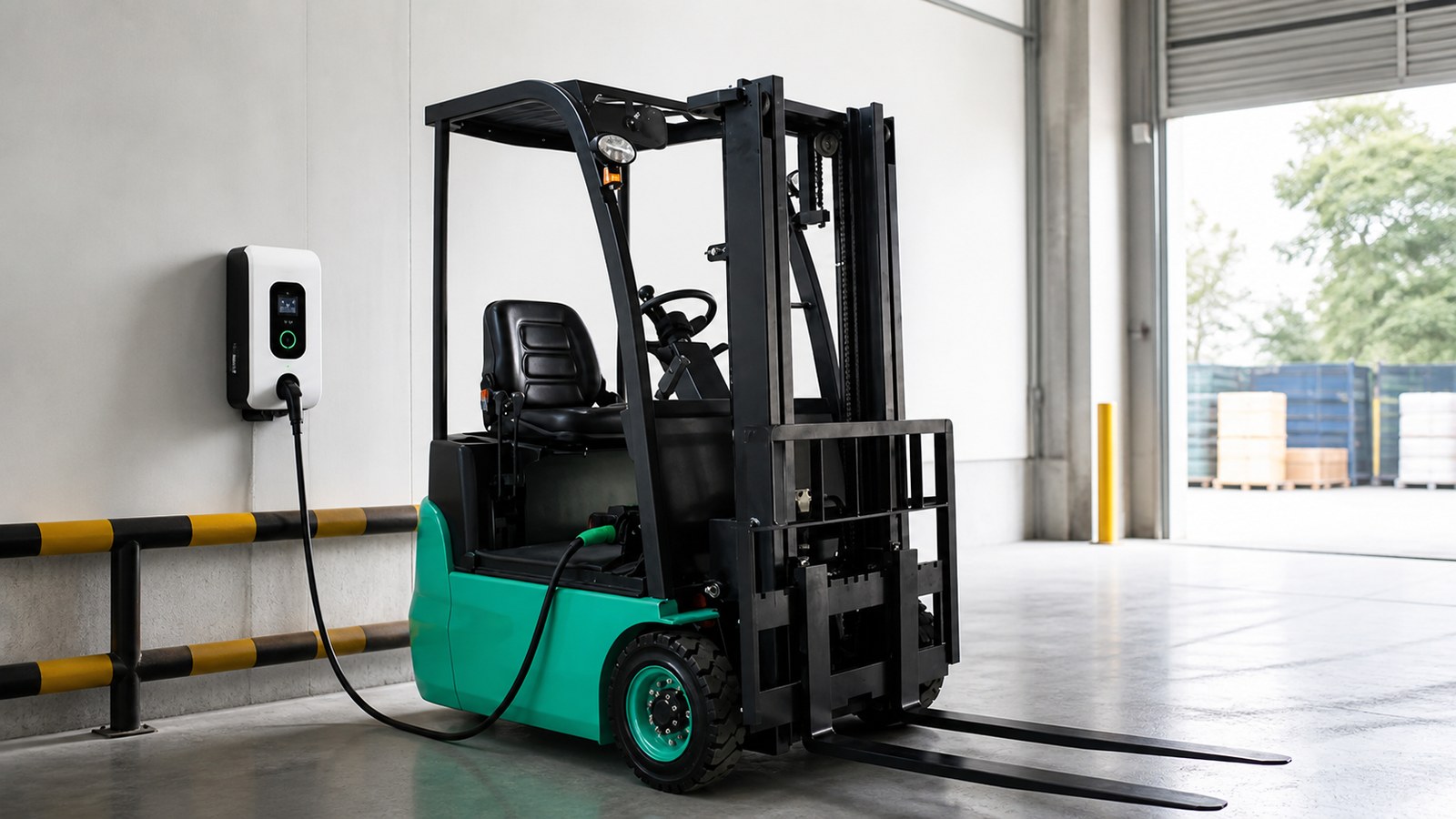
Short charging sessions can improve availability when they are approved for the battery chemistry and included in the operating plan. Random charging may create congestion, heat or inconsistent state of charge. Define who connects the truck, when it is connected, the minimum safe parking condition and how cables are protected. The parking brake should be applied, controls neutralized and the area kept clear. Only compatible chargers and connectors may be used.
For a higher-capacity requirement, the CPD20B electric forklift can be evaluated. A larger truck does not always require the same battery strategy as several smaller trucks. Compare shift energy, charging windows, spare equipment and maximum site demand rather than assuming identical utilization.
A warehouse may already have refrigeration, HVAC, conveyors, automation or electric vehicle chargers. The highest electrical demand can occur when several systems overlap. An energy-management platform can coordinate charging with building loads, solar generation or time-of-use tariffs. Before implementation, confirm meter data, control authority, fallback behavior and cybersecurity. The fleet still needs a manual continuity plan if the network or optimization service is unavailable.
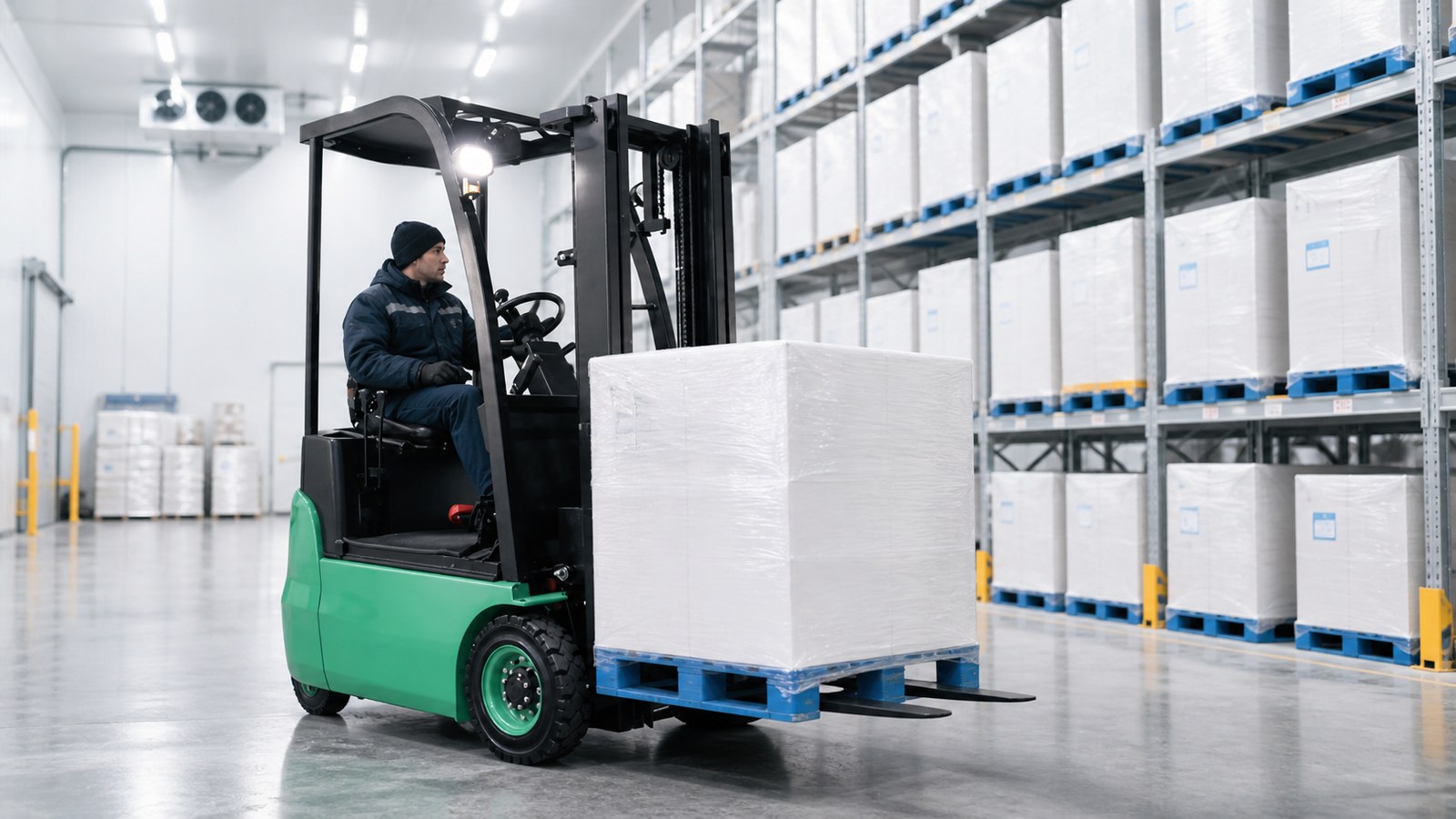
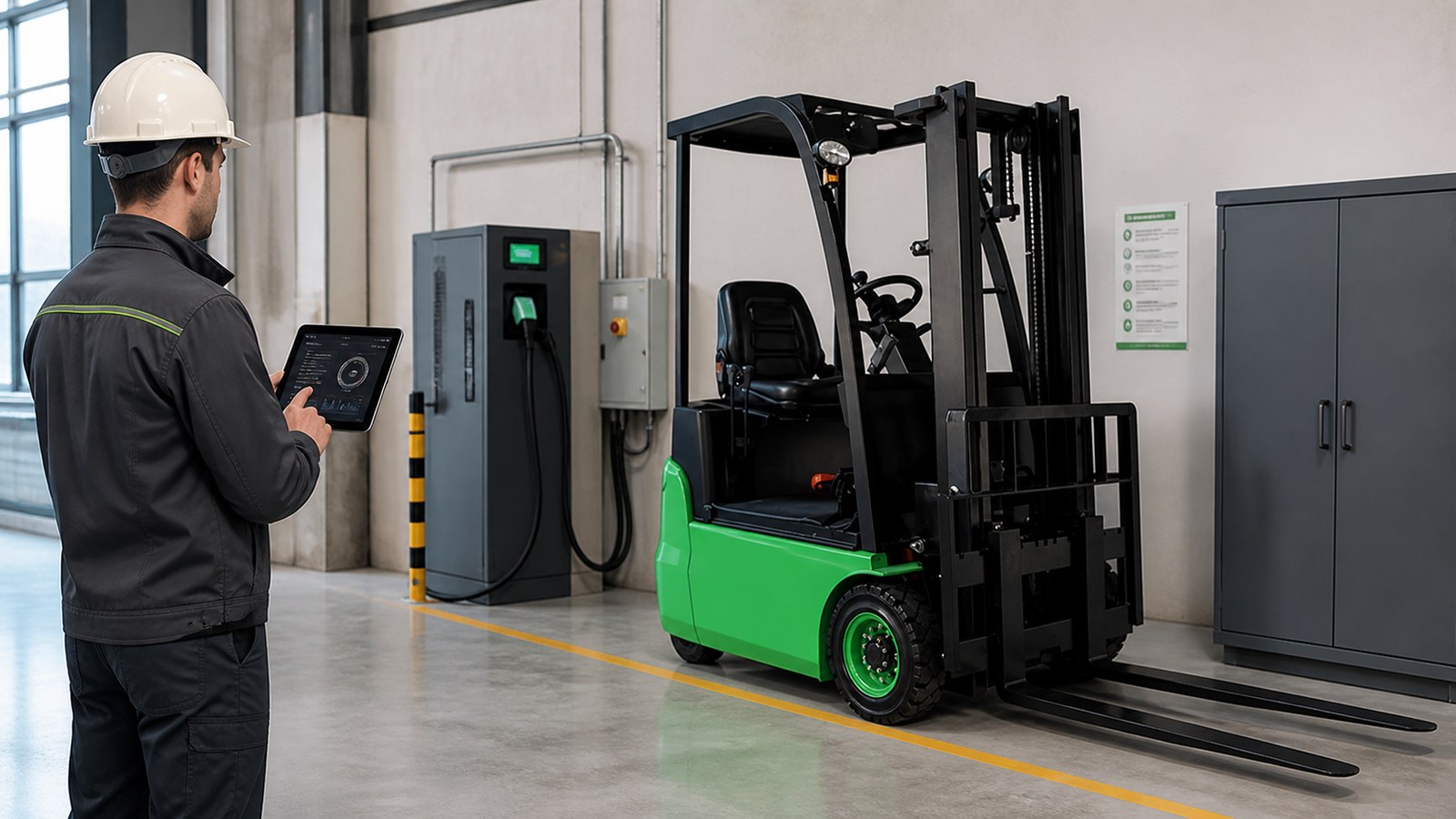
Record energy use, charge duration, temperature and abnormal interruptions. Trends can reveal a truck assigned to the wrong route, a damaged connector or a battery approaching service limits. Physical inspections remain essential. Check battery restraint, cables, connectors, charger condition, ventilation, warning devices and the surrounding floor. Follow manufacturer instructions for storage, equalization where applicable, cleaning and emergency response.
The CPD30new electric forklift offers another capacity class for fleets comparing indoor and mixed logistics duties. ZGFORKLIFT / MYZG can review load, mast, tires, attachment, hours, temperature and charging infrastructure as a single application.
Shandong Zhuogong Machinery equipment Co.,Ltd recommends that inquiries include utility voltage and frequency, available electrical capacity, number of trucks, shifts, break windows, ambient temperature and annual throughput. Smart charging should create a simple result: the required truck is ready when the work begins, while power cost and battery stress remain controlled.
Website: www.vavforklift.com
Email: vip@mingyuforklift.com
Tel: +86-0535-2090977
WhatsApp: +86 131 8160 2336
Address: Xiaqiu Town, Laizhou, Yantai City, Shandong Province, China
Name: selena
Mobile:+86-13176910558
Tel:+86-0535-2090977
Whatsapp:8613181602336
Email:vip@mingyuforklift.com
Add:Xiaqiu Town, Laizhou, Yantai City, Shandong Province, China
