
vip@mingyuforklift.com
+86-0535-2090977

HTML Meta Description: A 2026 extreme-heat playbook for MEWP planning, covering worker heat stress, machine checks, batteries, hydraulics, rescue readiness and stop-work limits.
Keywords: extreme heat safety,MEWP,aerial work platform,work at height,2026 construction safety,heat stress,scissor lift safety,ZGFORKLIFT,MYZG,hot weather work
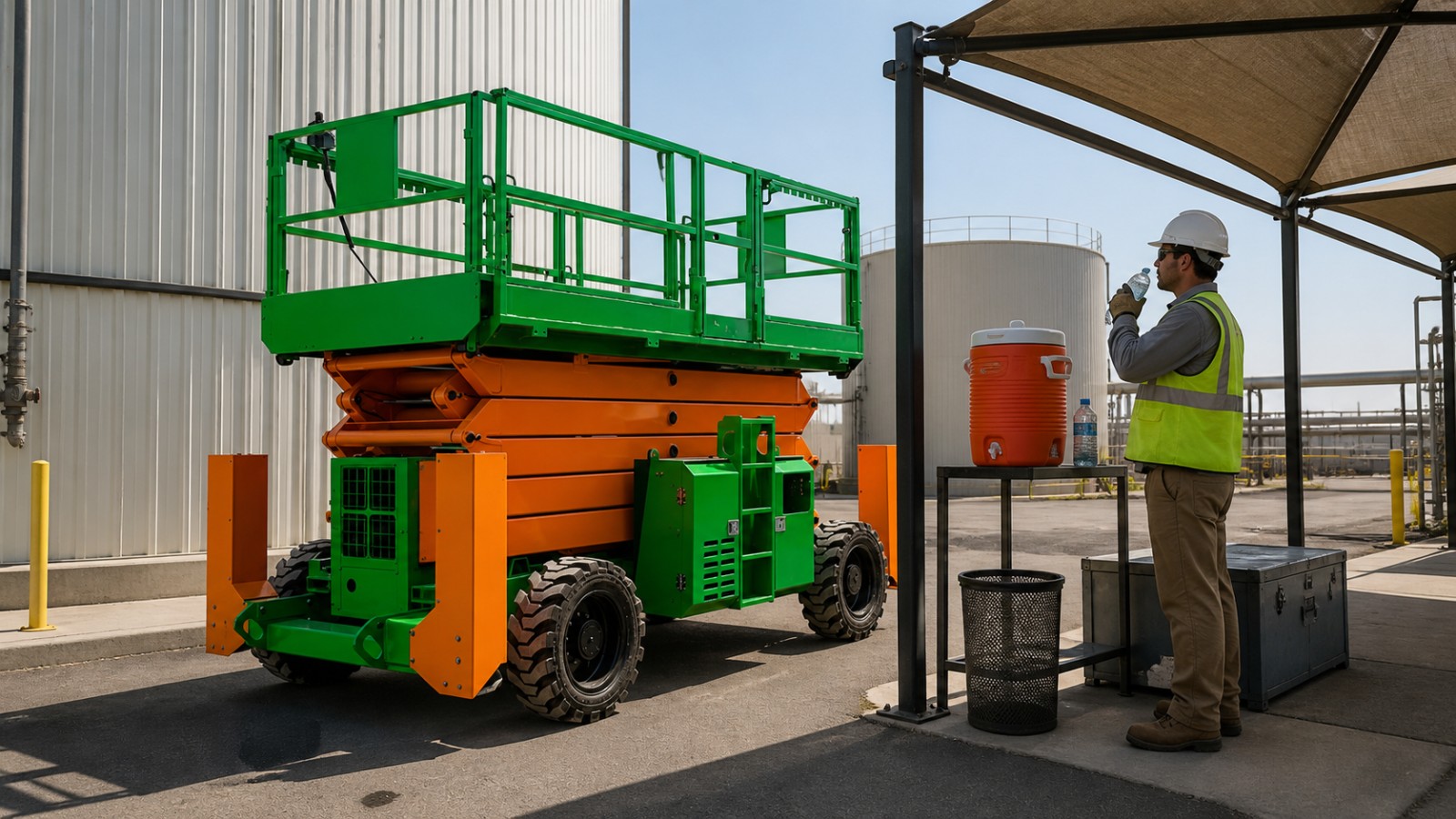
Extreme heat is changing construction and maintenance schedules in 2026, and work at height adds exposure, fatigue and rescue complexity. A mobile elevating work platform can reduce climbing, but it does not remove heat stress. Planning must consider temperature, humidity, solar load, protective clothing, task intensity and the limited shade available in a raised platform. Supervisors need objective stop-work and escalation rules before the shift begins.
Compare the ZG-ZX14 lift platform against the documented application. Confirm final configuration, capacity and local requirements before purchase.
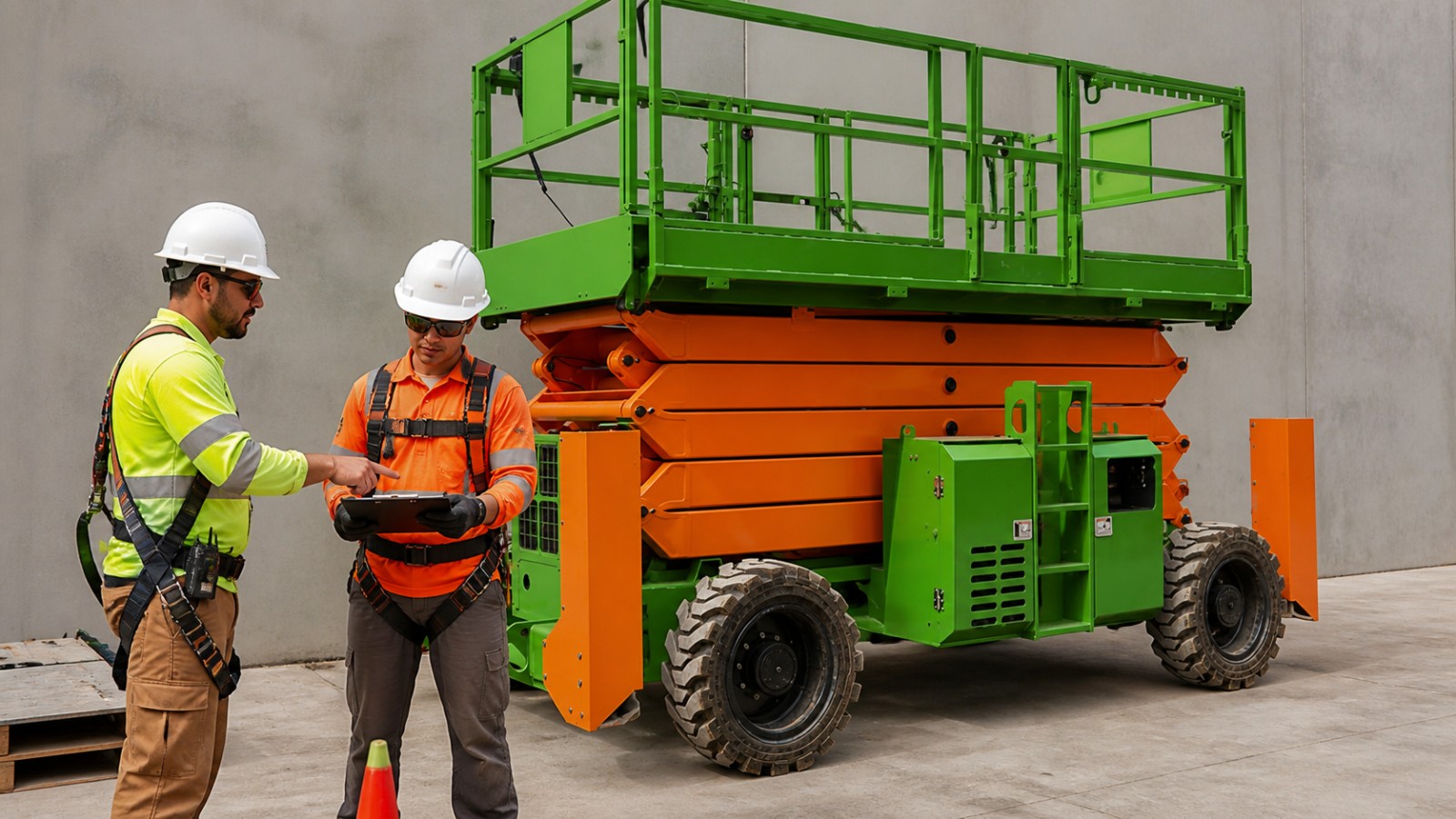
Schedule demanding work for cooler periods, provide water and recovery breaks, and use an acclimatization plan for new or returning workers. Establish reliable communication between the platform and ground team. Choose ZGFORKLIFT or MYZG access equipment by working height, outreach, platform load, terrain and wind limits. Never exceed the supplied manual because a job is behind schedule.
Compare the ZG-QB12 articulating boom lift against the documented application. Confirm final configuration, capacity and local requirements before purchase.
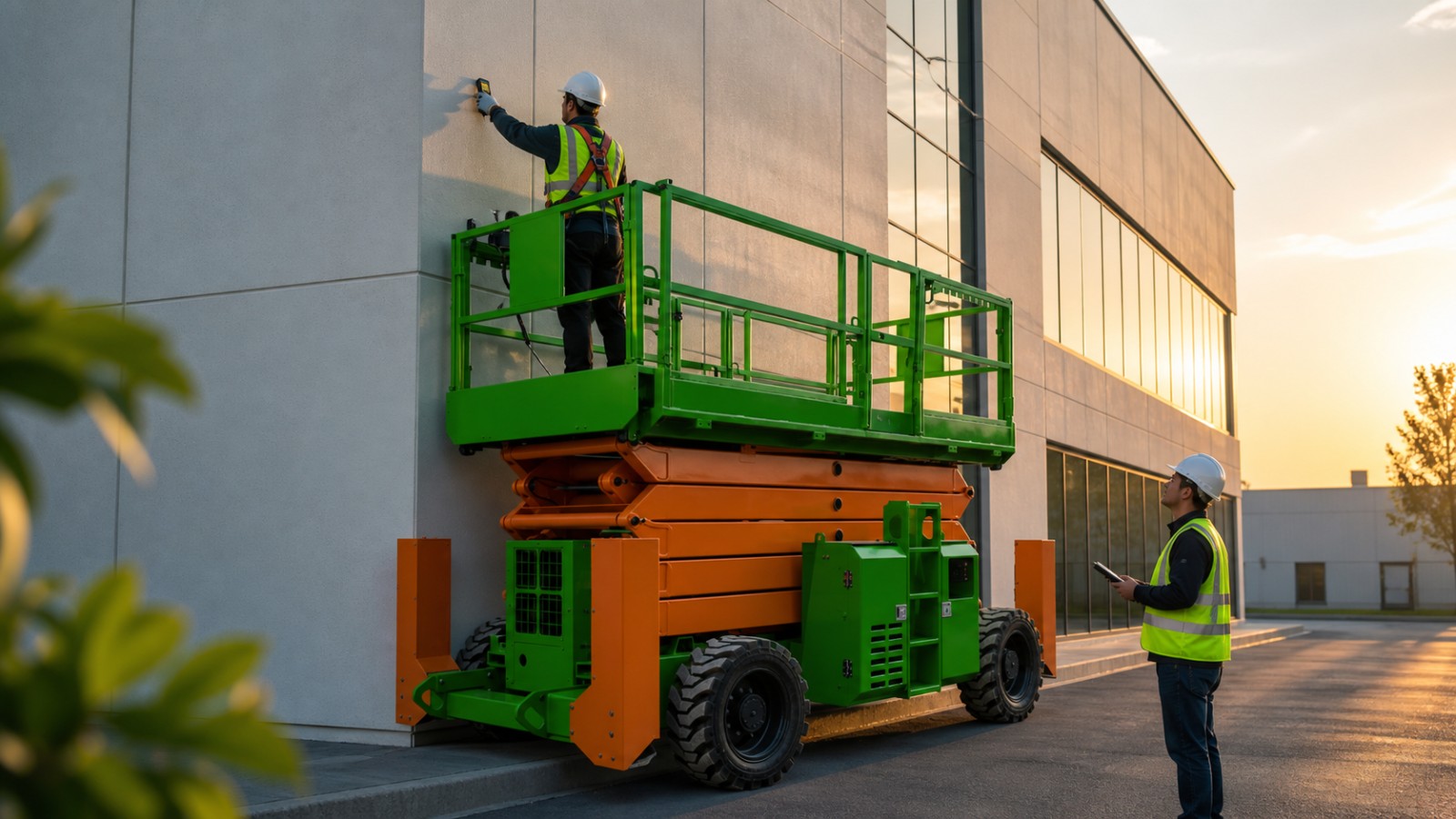
Heat can affect batteries, chargers, hydraulic systems, tires and electronic controls. Conduct the full pre-use inspection and look for leaks, damaged cables, low fluid, alarms or abnormal temperature. Park and charge only in suitable areas, keep ventilation paths clear and follow battery-specific limits. Hot surfaces and direct sun can also make controls uncomfortable, so gloves and task timing should be assessed without reducing dexterity.
Compare the ZG-DDC4-12M vehicle-mounted scissor lift against the documented application. Confirm final configuration, capacity and local requirements before purchase.
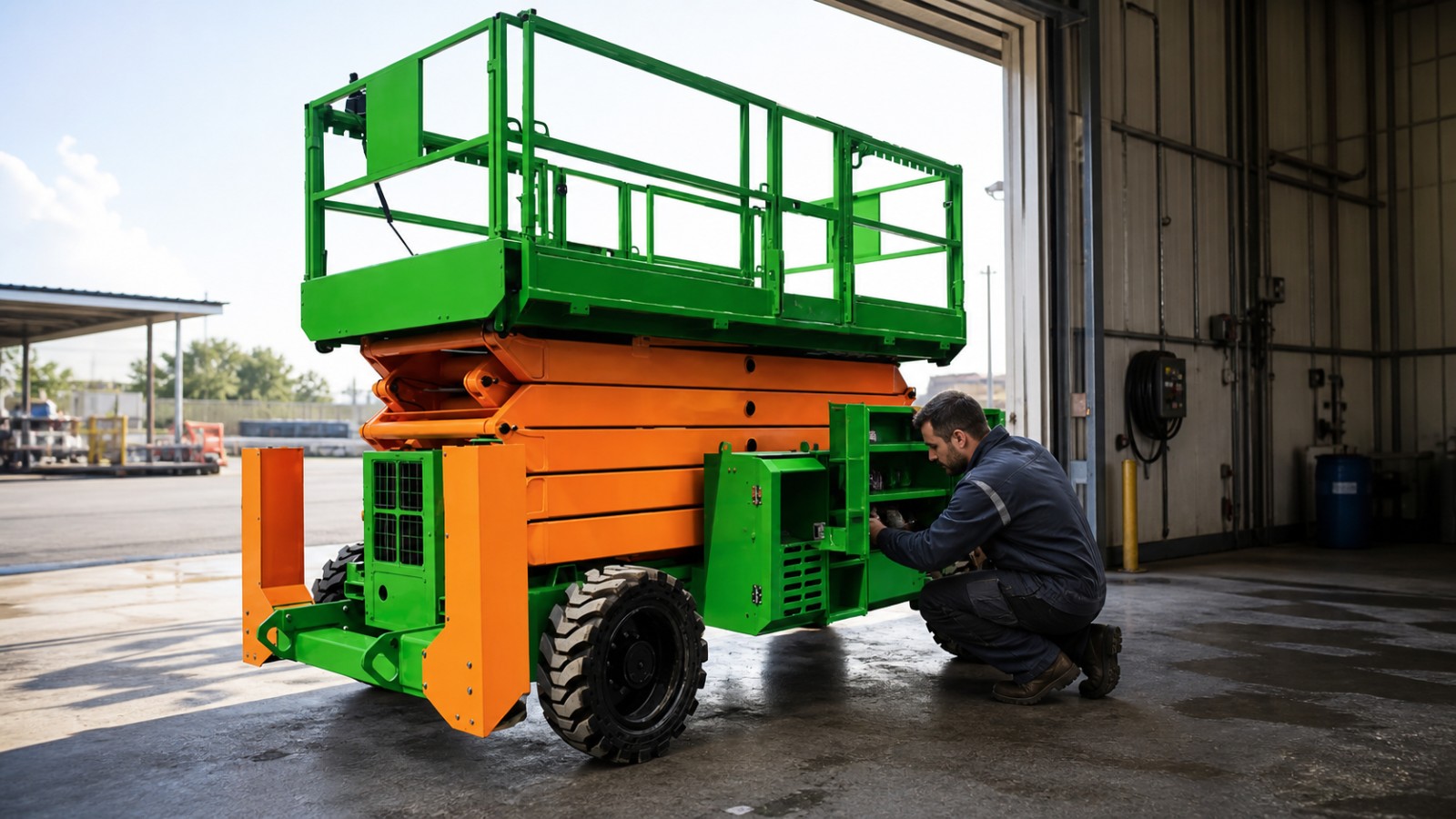
A rescue plan must work under the same hot conditions as the task. Ground staff should know emergency lowering and how to summon assistance. Monitor workers for confusion, dizziness, headache or loss of coordination and lower the platform promptly when symptoms appear. Record heat interruptions, equipment alarms and recovery time so future schedules are based on evidence rather than habit.
Equipment selection begins with the real duty profile. Record load weight and dimensions, load center, lift height, aisle or route width, surface condition, gradients, daily hours and destination-market requirements. Separate mandatory safety and capacity needs from optional cameras, telematics or attachments. Shandong Zhuogong Machinery equipment Co.,Ltd can use complete application data to compare configurations without hiding basic operating needs behind a technology feature.
Total cost includes energy or fuel, planned service, batteries where applicable, tires, wear parts, operator time and downtime. Confirm inspection access, documentation, parts support and warranty arrangements before commissioning. A machine that fits the application and can be maintained predictably generally creates more value than a lower-priced truck that is unavailable during a critical shift. ZGFORKLIFT and MYZG buyers should establish the maintenance calendar before daily operation begins.
Commissioning should use representative loads and routes. Verify fork entry, clearance, braking, visibility, stability, parking and charging or refueling procedures. Record baseline condition and serial information. Operators require model-specific familiarization and site authorization, while supervisors must define traffic rules, key control, defect reporting and the exact conditions that remove equipment from service.
After launch, review utilization, delays, impacts, maintenance findings and operator feedback at a consistent interval. Investigate layout, pallet quality, congestion and scheduling around every recurring problem. Data should support conversations among operators, technicians and planners. Small changes to slotting, staging and standard work can often improve safety and throughput without adding another truck.
Procurement teams should request a written technical agreement covering the selected configuration, rated and residual capacity, attachment, mast or platform, tires, power system, charger or fuel arrangement, operating environment, manuals, spare parts and service expectations. The final solution must follow the supplied manual, site risk assessment and applicable local regulations. No article or specification summary replaces trained operation and competent engineering review.
Website: www.vavforklift.com
Email: vip@mingyuforklift.com
Tel: +86-0535-2090977 WhatsApp: +86 131 8160 2336
Address: Xiaqiu Town, Laizhou, Yantai City, Shandong Province, China.
Published: September 2, 2026.
Name: selena
Mobile:+86-13176910558
Tel:+86-0535-2090977
Whatsapp:8613181602336
Email:vip@mingyuforklift.com
Add:Xiaqiu Town, Laizhou, Yantai City, Shandong Province, China
