
vip@mingyuforklift.com
+86-0535-2090977

HTML Meta Description: A 2026 electric-forklift fleet plan for grid congestion using staggered charging, duty-cycle evidence, priority rules and resilient fallback.
Keywords: smart charging,grid congestion,electric forklift,2026 energy planning,charging peaks,battery fleet,warehouse power,ZGFORKLIFT,MYZG,energy resilience
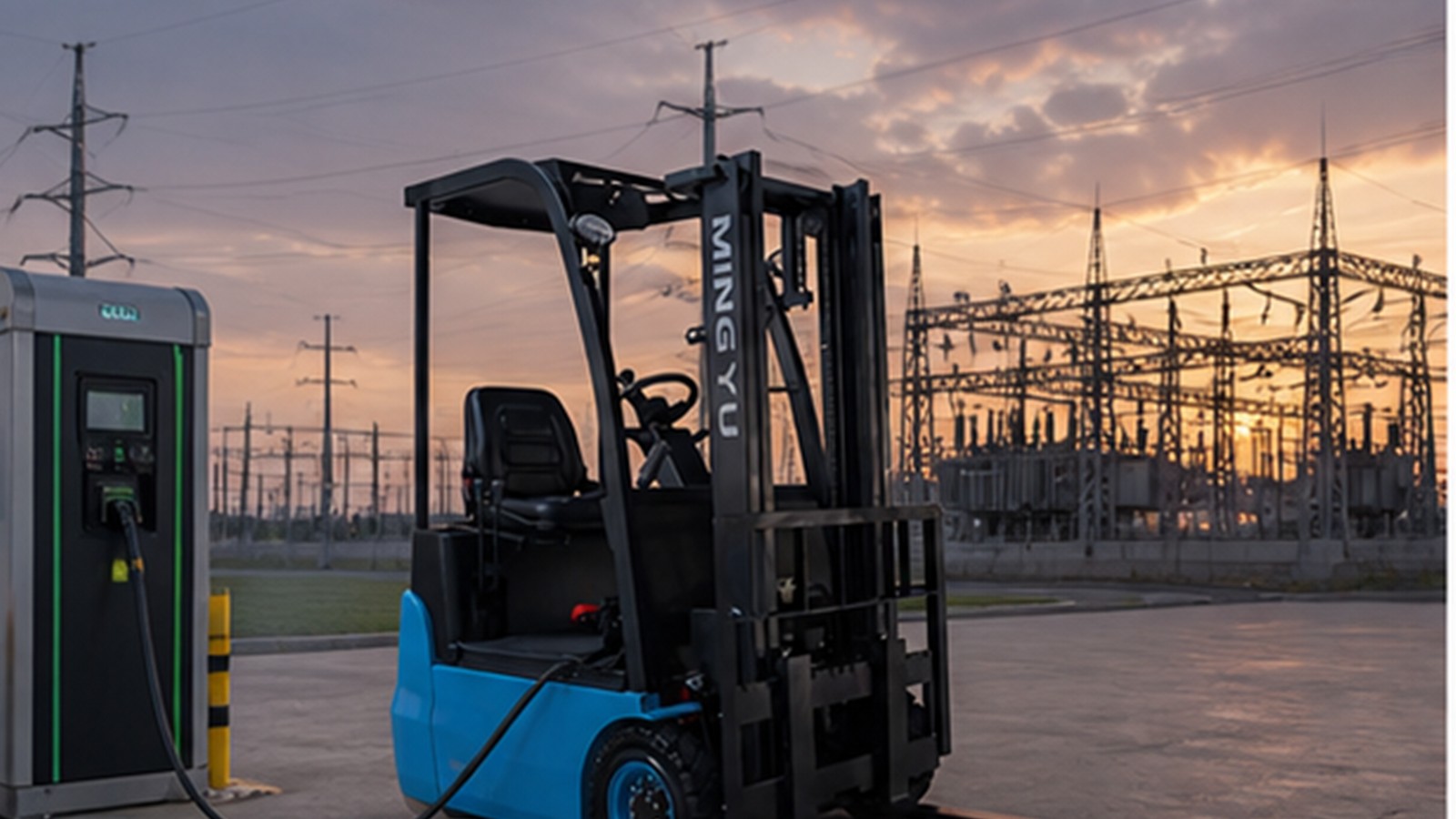
Grid congestion turns charging capacity into an operational constraint. Smart charging can stagger demand, but it must still leave enough energy for the next safe duty cycle.
Review the CPD25B electric forklift as a product-page reference, then confirm its final configuration against the real application.
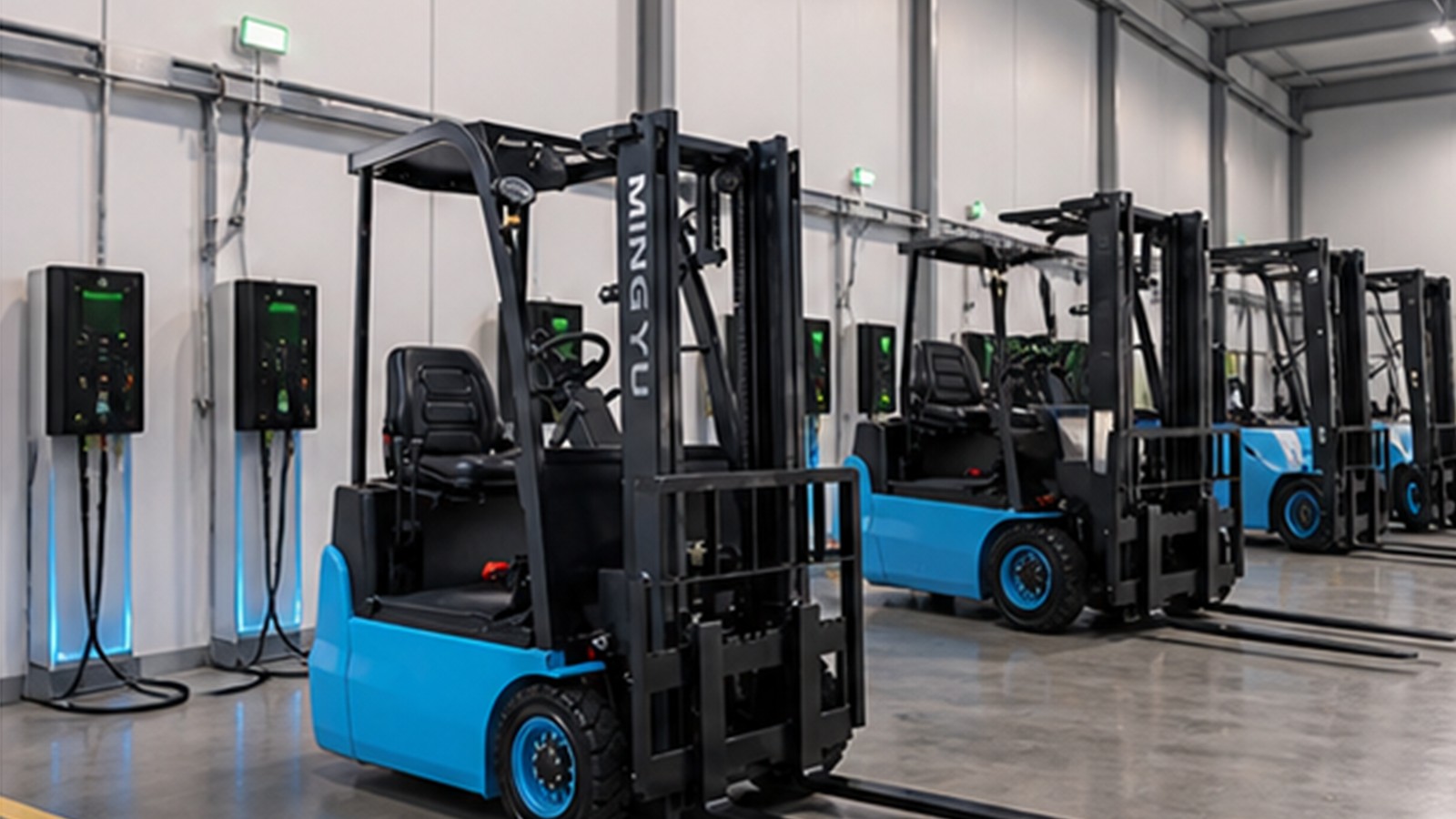
Measure existing site load, charger demand, shift overlap, battery state and planned growth. Create priority groups based on tasks rather than charging every truck at shift change.
Review the CPD10B electric forklift as a product-page reference, then confirm its final configuration against the real application.
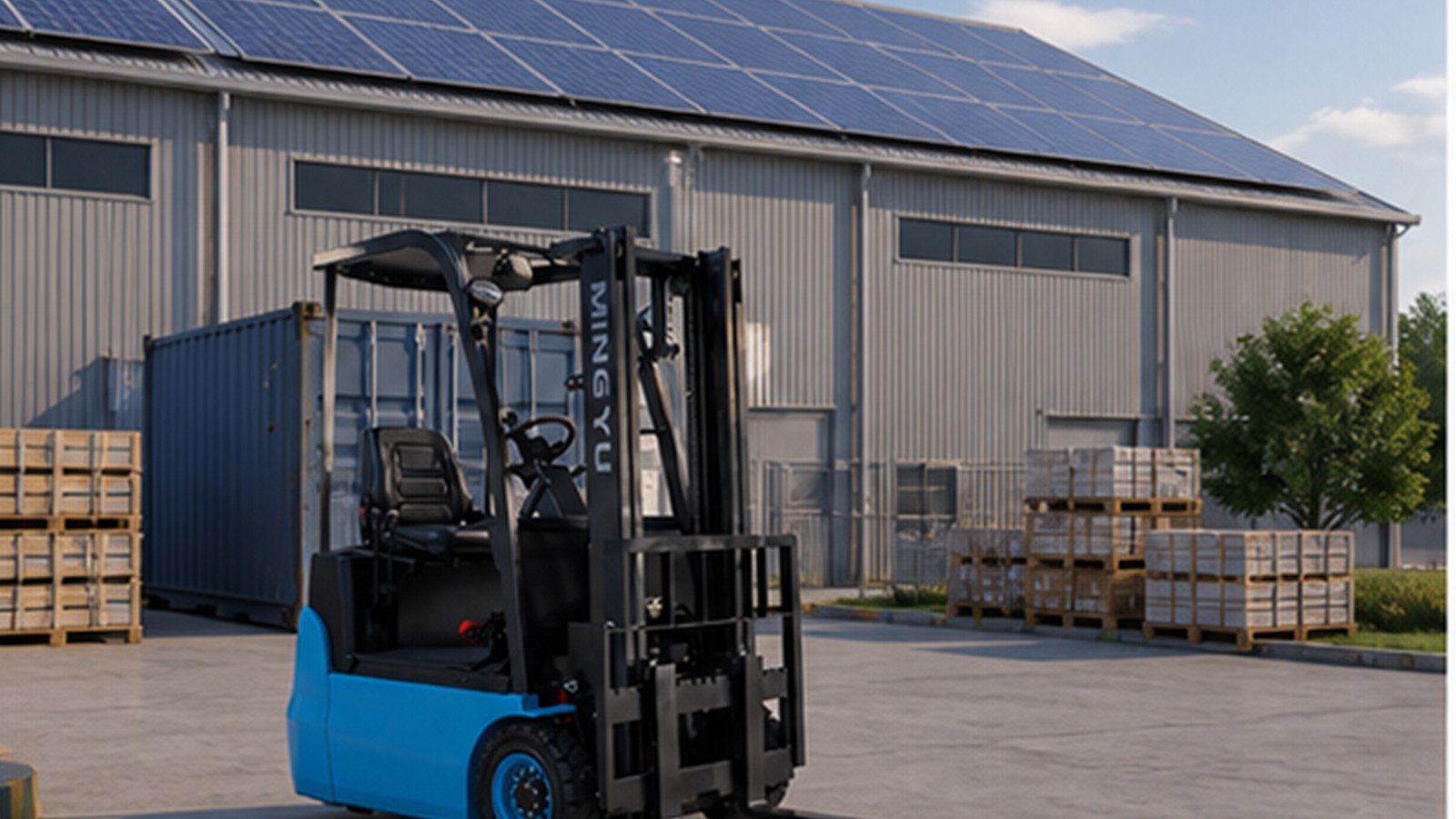
Use compatible chargers, protect cables and cabinets and retain an offline fallback if network control fails. Never bypass battery limits to satisfy a software schedule.
Review the CPDO10 electric forklift as a product-page reference, then confirm its final configuration against the real application.
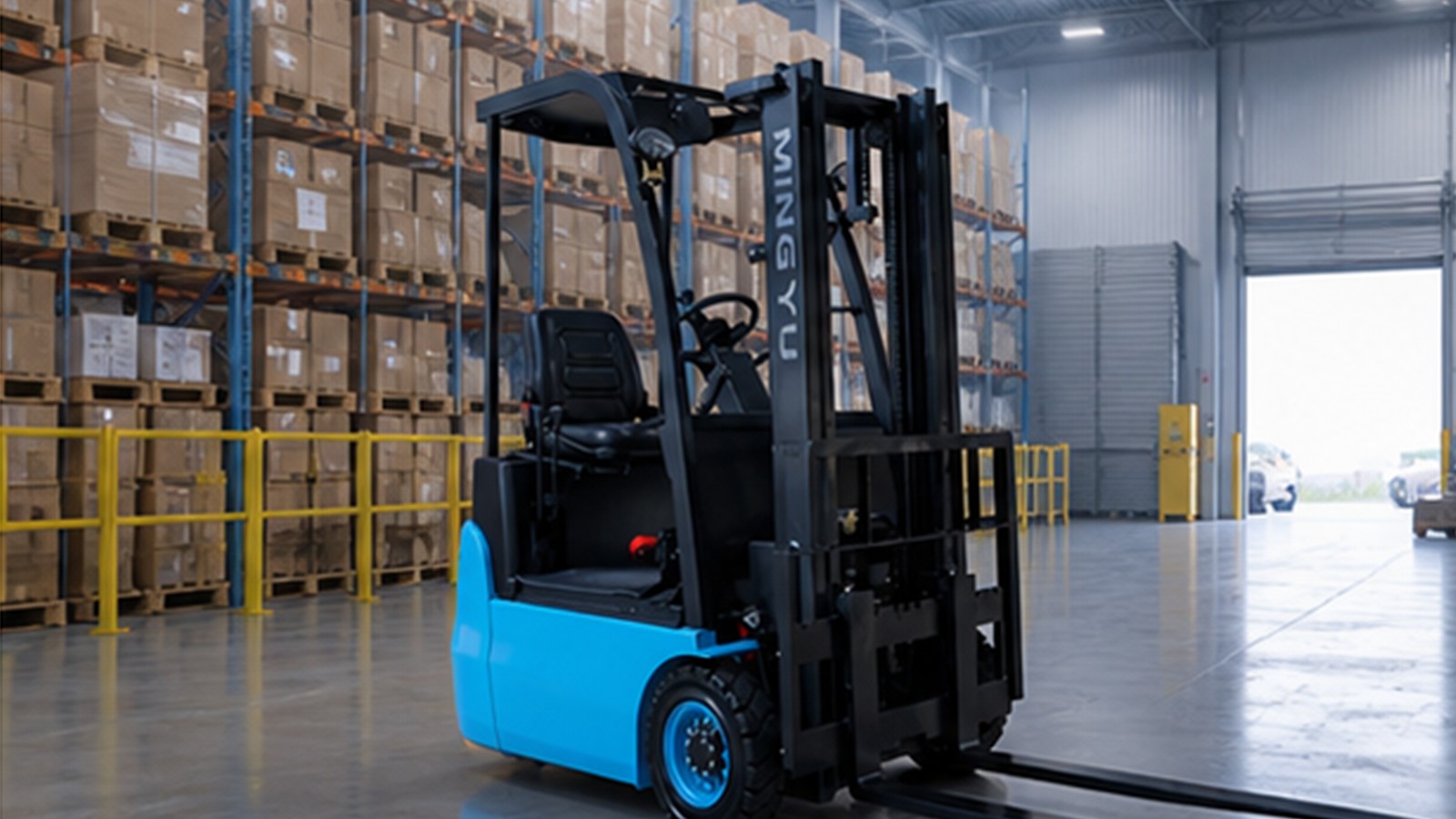
Track peak power, energy per operating hour, missed dispatches, temperature and charge completion. Revise schedules when production or route demand changes.
Before ordering, document load weight and dimensions, load center, lift height, aisle or route width, surface, gradient, daily hours and destination-market requirements. Shandong Zhuogong Machinery equipment Co.,Ltd uses this application data to compare ZGFORKLIFT / MYZG configurations. Capacity, stability and the supplied manual always take priority over a technology trend or general specification summary.
Commissioning must use representative loads and real routes. Verify fork entry, mast or platform clearance, visibility, braking, steering, stability, parking and charging or refueling procedures. Record baseline condition, serial information and maintenance intervals. Operators require model-specific familiarization and site authorization, while supervisors define traffic rules, defect reporting and the exact conditions that remove equipment from service.
Total cost includes energy or fuel, planned service, batteries where applicable, tires, wear parts, operator time, transport and downtime. Confirm inspection access, documentation, parts support and warranty arrangements before commissioning. A correctly specified machine that can be maintained predictably usually creates more value than a lower-priced unit that becomes unavailable during a critical shift.
After launch, review utilization, delays, impacts, maintenance findings and operator feedback at a fixed interval. Investigate layout, pallet quality, congestion and scheduling behind every recurring problem. Data should support conversations among operators, technicians and planners. Small changes to slotting, staging and standard work can improve safety and throughput without adding equipment.
Request a written technical agreement covering configuration, rated and residual capacity, mast or platform, attachment, tires, power system, charger or fuel arrangement, manuals, spare parts and service expectations. Final selection and operation must follow the supplied instructions, site risk assessment and applicable local regulations. Trained people retain authority to stop work whenever conditions change.
Website: www.vavforklift.com
Email: vip@mingyuforklift.com
Tel: +86-0535-2090977 WhatsApp: +86 131 8160 2336
Address: Xiaqiu Town, Laizhou, Yantai City, Shandong Province, China.
Published: September 2, 2026.
Name: selena
Mobile:+86-13176910558
Tel:+86-0535-2090977
Whatsapp:8613181602336
Email:vip@mingyuforklift.com
Add:Xiaqiu Town, Laizhou, Yantai City, Shandong Province, China
