
vip@mingyuforklift.com
+86-0535-2090977

Introduction
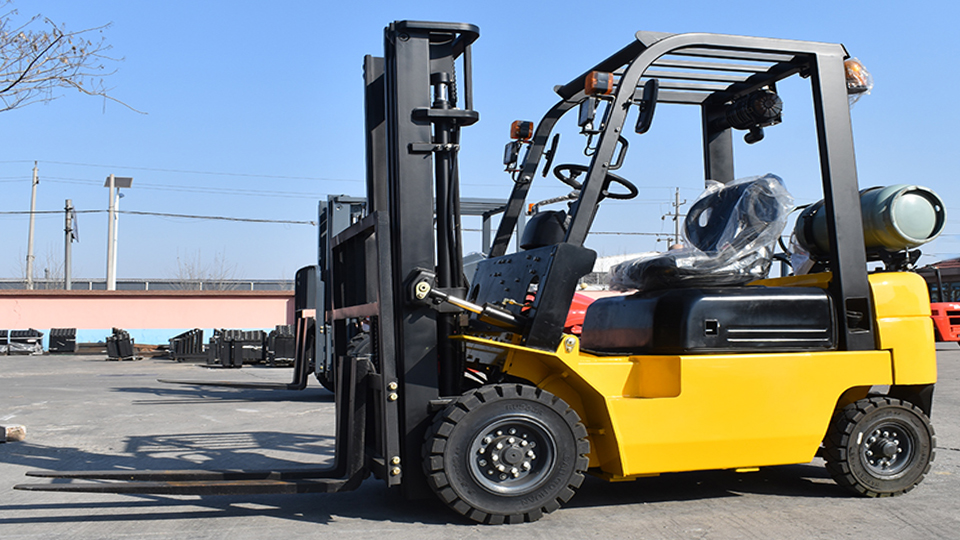
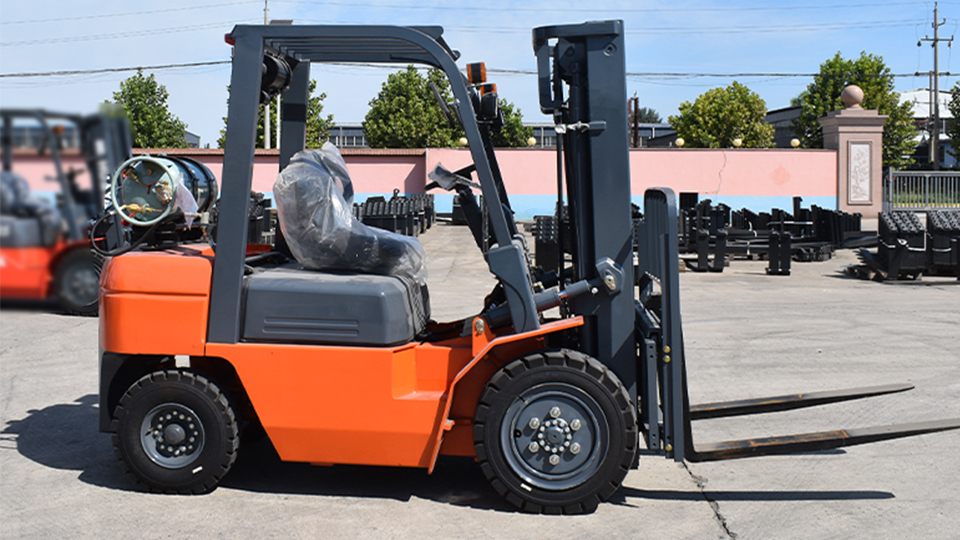
The material handling industry stands at a critical crossroads between operational efficiency and environmental sustainability. As warehouses, distribution centers, and manufacturing facilities seek to reduce their carbon footprint without sacrificing productivity, dual-fuel forklifts have emerged as a compelling transitional technology. These versatile machines, capable of operating on both conventional fuels and alternative energy sources—most commonly liquefied petroleum gas (LPG) and gasoline, or diesel and natural gas—offer a pragmatic bridge between traditional internal combustion engines and fully electric alternatives.
Unlike single-fuel counterparts that lock operators into one energy source, dual-fuel forklifts provide operational flexibility that addresses the pain points of both pure fossil fuel dependence and the infrastructure limitations of electric vehicles. This article provides a comprehensive technical analysis of dual-fuel forklift technology, examining its advantages and disadvantages while identifying the market segments where this technology delivers the greatest value.
Technical Overview
Dual-fuel forklift technology fundamentally relies on engine modification or dual-fuel injection systems that allow seamless switching between two fuel types. The most prevalent configuration in the market combines LPG and gasoline, though diesel-natural gas hybrid systems are gaining traction in heavy-duty applications. At the core of this technology is a modified internal combustion engine equipped with dual fuel delivery systems, electronic control modules (ECMs) calibrated for multiple fuel maps, and fuel selection mechanisms that can be operated manually by the driver or automatically based on predefined parameters.
In LPG-gasoline configurations, the engine typically operates on gasoline during startup and warm-up phases before transitioning to LPG for normal operation. This sequencing leverages gasoline's superior cold-start characteristics while capitalizing on LPG's cleaner combustion profile and lower operational costs. The fuel switching mechanism involves solenoid-controlled valves that redirect fuel flow, with the ECM adjusting ignition timing, air-fuel ratios, and emission control parameters in real-time. Advanced systems employ closed-loop feedback from oxygen sensors and knock detectors to optimize combustion regardless of the active fuel source.
Diesel-natural gas dual-fuel systems operate on a different principle. These engines typically run primarily on natural gas with a pilot injection of diesel fuel to initiate combustion. The diesel injection quantity ranges from 5% to 30% of total fuel energy, depending on load conditions and engine design. This approach, known as fumigation or port injection dual-fuel, significantly reduces diesel consumption while maintaining the compression ignition characteristics that diesel engines require. The technical complexity increases with the need for high-pressure natural gas storage, precise fuel metering, and robust safety systems for compressed natural gas (CNG) or liquefied natural gas (LNG) containment.
Advantages of Dual-Fuel Forklifts
Operational Flexibility and Fuel Security
The most immediate benefit of dual-fuel technology is operational resilience. Facilities operating in regions with inconsistent fuel supply chains can switch between available fuel sources without downtime. During gasoline shortages or LPG supply disruptions, operators can seamlessly transition to the alternative fuel, maintaining productivity when single-fuel fleets would face operational paralysis. This redundancy proves particularly valuable in remote locations, developing markets, or areas prone to supply chain disruptions.
Cost Optimization
Fuel cost volatility represents one of the largest variable expenses in forklift operations. Dual-fuel systems enable operators to arbitrage between fuel prices in real-time. When LPG prices drop relative to gasoline, or when natural gas becomes economically advantageous compared to diesel, fleet managers can redirect operations toward the more cost-effective option. Over the typical 10,000 to 15,000-hour lifespan of a forklift, these savings compound significantly. Additionally, LPG and natural gas often benefit from tax incentives or subsidies in jurisdictions promoting cleaner fuels, further enhancing the economic case.
Emissions Reduction
Environmental regulations are tightening globally, with jurisdictions implementing increasingly stringent emissions standards for industrial equipment. Dual-fuel forklifts operating on LPG or natural gas produce substantially lower emissions compared to pure gasoline or diesel counterparts. LPG combustion generates 15-20% less carbon dioxide, approximately 60% less carbon monoxide, and significantly reduced particulate matter and nitrogen oxides compared to gasoline. Natural gas dual-fuel systems can achieve diesel displacement rates exceeding 70%, with corresponding reductions in particulate matter and NOx emissions. While not zero-emission, these reductions help facilities meet interim regulatory targets and corporate sustainability goals without the infrastructure investment required for full electrification.
Reduced Engine Wear and Extended Maintenance Intervals
LPG and natural gas burn cleaner than liquid petroleum fuels, resulting in reduced carbon deposits, less oil contamination, and diminished engine wear. Forklift engines operating predominantly on gaseous fuels typically exhibit longer service intervals, reduced spark plug fouling, and extended engine life. Oil change intervals can often be extended by 50-100% compared to gasoline-only operation, reducing maintenance labor costs and downtime. The absence of liquid fuel dilution in crankcase oil maintains lubricant viscosity and protective properties for longer periods.
Cold Weather Performance
Electric forklifts suffer significant performance degradation in cold environments, with battery capacity dropping 20-40% in sub-zero conditions and charging times extending dramatically. Dual-fuel internal combustion forklifts maintain consistent performance regardless of ambient temperature, making them suitable for cold storage facilities, outdoor winter operations, and unheated warehouses in northern climates. The ability to start on gasoline and transition to LPG combines reliable cold-starting with clean, efficient warm operation.
Infrastructure Pragmatism
Full fleet electrification requires substantial capital investment in charging infrastructure, electrical service upgrades, and facility modifications. Dual-fuel forklifts leverage existing fueling infrastructure—gasoline pumps, LPG dispensing systems, or natural gas compressors—without requiring the electrical capacity expansions that battery electric fleets demand. This characteristic makes dual-fuel technology particularly attractive for facilities with limited electrical infrastructure or those operating in leased spaces where permanent electrical upgrades are impractical.
Disadvantages of Dual-Fuel Forklifts
Increased Capital Expenditure
Dual-fuel systems inherently cost more than single-fuel alternatives due to additional fuel storage tanks, delivery systems, electronic controls, and safety equipment. The upfront purchase premium typically ranges from 15% to 30% above comparable single-fuel models. This capital cost delta extends payback periods, particularly in operations with low annual utilization rates. For facilities operating forklifts fewer than 1,000 hours annually, the fuel savings and operational benefits may not justify the additional investment within the equipment's useful life.
Added Complexity and Maintenance Requirements
The integration of dual fuel systems introduces additional points of failure. Dual fuel injectors, switching solenoids, secondary fuel pumps, and complex ECM programming create maintenance scenarios that require specialized technician training. Diagnostic complexity increases when troubleshooting performance issues, as technicians must evaluate two complete fuel systems rather than one. In markets with limited service infrastructure, obtaining qualified maintenance support can prove challenging, potentially increasing downtime and repair costs.
Weight and Space Penalties
Accommodating two fuel systems inevitably impacts vehicle design. Secondary fuel tanks consume cargo capacity, reduce visibility, or extend vehicle dimensions. The additional weight of dual-fuel components reduces the effective load capacity margin, particularly critical in applications operating near rated capacity limits. In compact warehouse environments where maneuverability is paramount, the dimensional penalties of dual-fuel configurations may compromise operational efficiency in narrow aisles or confined spaces.
Safety and Regulatory Complexity
Storing and handling multiple fuel types introduces compounded safety considerations. LPG systems require pressure vessel certification, leak detection protocols, and specialized ventilation requirements. Natural gas systems involve high-pressure containment and stringent installation standards. Facilities must maintain safety training for multiple fuel types, emergency response procedures for diverse hazard profiles, and compliance with varying regulatory frameworks. Insurance premiums may reflect the perceived increased risk profile of dual-fuel equipment compared to single-fuel or electric alternatives.
Incomplete Emissions Solution
While dual-fuel systems reduce emissions compared to pure fossil fuel operation, they do not eliminate them. In an era of increasingly ambitious net-zero commitments, dual-fuel technology represents an incremental improvement rather than a transformational solution. Facilities in jurisdictions with aggressive decarbonization timelines may find that dual-fuel investments delay but do not prevent the eventual transition to zero-emission technologies. This "transitional technology" status creates uncertainty regarding residual value and regulatory acceptance in future compliance periods.
Fuel Storage and Handling Logistics
Managing two fuel inventories introduces operational complexity. Facilities must maintain separate storage tanks, tracking systems, and procurement relationships for multiple fuels. Fuel quality management becomes more complex, as contamination or degradation in either system can affect performance. In operations with limited storage space, accommodating dual fuel supplies may prove impractical, particularly when existing infrastructure was designed for single-fuel operations.
Target Market Analysis
Multi-Shift Manufacturing Operations
Manufacturing facilities operating three-shift schedules represent prime targets for dual-fuel adoption. These operations demand consistent equipment availability and cannot tolerate the charging downtime associated with battery electric forklifts. The high utilization rates—often exceeding 2,500 hours annually—enable rapid payback of the capital premium through fuel cost arbitrage and extended maintenance intervals. Automotive manufacturing, food and beverage processing, and consumer goods production facilities exemplify this target segment.
Cold Storage and Refrigerated Warehousing
The cold chain logistics sector presents ideal conditions for dual-fuel forklift deployment. Cold storage facilities operate at temperatures where battery performance degrades significantly, and electric forklifts require specialized battery warming systems that consume additional energy. The consistent indoor-outdoor transition typical of refrigerated warehouses also favors internal combustion solutions. The emissions benefits of LPG operation align with food safety requirements, as LPG combustion produces no soot or particulate contamination that could compromise food products.
Outdoor and Rough Terrain Applications
Construction material yards, lumber operations, and agricultural facilities frequently operate forklifts in outdoor environments exposed to weather extremes. Dual-fuel rough terrain forklifts provide the power and durability required for these applications while offering fuel flexibility in locations where fuel delivery infrastructure may be limited. The ability to operate on readily available gasoline in remote locations while transitioning to cleaner LPG when supplies permit addresses the logistical challenges of rural and semi-rural operations.
Leased Facilities and Temporary Operations
Companies operating in leased warehouse space or temporary facilities benefit from dual-fuel technology's minimal infrastructure requirements. Unlike electric forklifts that necessitate permanent charging station installation and electrical service upgrades, dual-fuel equipment can be deployed immediately using existing fueling infrastructure. Third-party logistics providers (3PLs) managing multi-client operations with varying contract durations particularly value this deployment flexibility.
Developing Markets with Fuel Supply Uncertainty
Emerging economies with developing energy infrastructure present significant opportunities for dual-fuel forklifts. In markets where fuel supply reliability varies by region or season, the redundancy of dual-fuel systems provides operational security that single-fuel equipment cannot match. Southeast Asian manufacturing hubs, Latin American distribution centers, and African logistics operations represent growth markets where fuel flexibility translates directly to business continuity.
Government and Municipal Fleets
Public sector fleets operating under sustainability mandates but constrained by budget limitations find dual-fuel technology politically and economically attractive. Municipal warehouses, public works departments, and government distribution centers can demonstrate emissions reductions without the capital outlay required for full fleet electrification. The ability to showcase environmental progress while maintaining operational reliability aligns with the risk-averse procurement profiles typical of government entities.
Rental and Short-Term Use Markets
Equipment rental companies represent a crucial distribution channel for dual-fuel technology. Rental fleets serve diverse customers with varying fuel preferences and infrastructure capabilities. Dual-fuel forklifts maximize rental fleet utilization by accommodating customers regardless of their existing fueling infrastructure. The versatility to serve LPG-preferred warehouse operations and gasoline-facilitated construction sites from a single inventory pool improves asset turnover and reduces fleet specialization costs.
Future Outlook
The trajectory of dual-fuel forklift technology will be shaped by competing pressures: the accelerating pace of battery technology advancement and the development of hydrogen fuel cell alternatives on one hand, and the practical limitations of electrification in heavy-duty and extreme environment applications on the other. Current industry consensus suggests that dual-fuel technology will occupy a significant niche for at least the next decade, serving as a bridge technology in applications where full electrification remains technically or economically impractical.
Emerging developments in dual-fuel technology include integration with hybrid electric systems, where dual-fuel engines serve as range extenders for electric drivetrains. This architecture combines the fuel flexibility of dual-fuel systems with the efficiency and torque characteristics of electric motors, potentially expanding the addressable market. Additionally, renewable LPG and renewable natural gas (biomethane) production is scaling commercially, enabling dual-fuel forklifts to achieve near-zero lifecycle emissions when operated on bio-derived gaseous fuels.
Conclusion
Dual-fuel forklifts represent a technically sophisticated solution to the material handling industry's transition challenges. Their advantages—operational flexibility, cost optimization potential, emissions reduction, and infrastructure pragmatism—make them compelling options for high-utilization operations, extreme environment applications, and markets with developing energy infrastructure. However, the increased capital costs, maintenance complexity, and transitional nature of the technology require careful evaluation against specific operational profiles.
The target markets for dual-fuel technology are clearly defined: multi-shift manufacturing, cold storage logistics, outdoor applications, leased facilities, developing economies, municipal fleets, and rental markets. In these segments, the technology delivers measurable value that justifies its premium over single-fuel alternatives while avoiding the infrastructure barriers that limit electric forklift adoption.
As the material handling industry progresses toward decarbonization, dual-fuel forklifts will not represent the final destination but rather an important waypoint. They enable immediate emissions reductions and operational improvements while the industry develops the charging infrastructure, battery technology, and grid cleanliness necessary for widespread electrification. For fleet managers evaluating equipment investments in 2026 and beyond, dual-fuel technology warrants serious consideration as a pragmatic, proven solution that balances today's operational realities with tomorrow's environmental imperatives.
Name: selena
Mobile:+86-13176910558
Tel:+86-0535-2090977
Whatsapp:8613181602336
Email:vip@mingyuforklift.com
Add:Xiaqiu Town, Laizhou, Yantai City, Shandong Province, China
