
vip@mingyuforklift.com
+86-0535-2090977

Global electrification trend: Growing exports of lithium-powered forklifts has become a practical planning topic for distributors, fleet managers and warehouse operators. Decisions should begin with the real application rather than a catalogue number. Working hours, load shape, travel distance, aisle width, ramp gradients, ambient temperature and service capability all affect the final configuration. In the field of lithium forklift electrification and global export demand, a technically correct selection improves safety and productivity while reducing avoidable downtime.
The most important engineering points include battery chemistry, charging speed, energy efficiency, fleet connectivity and lifecycle support. These elements work as a system: changing one specification can influence stability, residual capacity, energy use and maintenance access. Buyers should request a complete technical sheet, dimensional drawing and load chart, then compare those documents with the actual site. ZGFORKLIFT and MYZG recommend documenting both normal operation and exceptional loads before confirming an order.
The most important engineering points include battery chemistry, charging speed, energy efficiency, fleet connectivity and lifecycle support. These elements work as a system: changing one specification can also influence stability, residual capacity, energy use and maintenance access. Buyers must request a complete technical sheet, dimensional drawing and load chart, then compare those documents with the actual site. ZGFORKLIFT and MYZG recommend documenting both normal operation and exceptional loads before confirming an order.
A suitable solution can deliver lower emissions, flexible charging and reduced scheduled maintenance. Purchase price is only one part of total cost of ownership. Energy consumption, tyre wear, planned maintenance, operator time, charging or refuelling, spare parts and resale value should be evaluated over the expected service life. A slightly higher initial specification may be economical when it prevents bottlenecks, damage or repeated equipment replacement.
A suitable solution can also deliver lower emissions, flexible charging and reduced scheduled maintenance. Purchase price is only one part of total cost of ownership. Energy consumption, tyre wear, planned maintenance, operator time, charging or refuelling, spare parts and resale value must be evaluated over the expected service life. A slightly higher initial specification may be economical when it prevents bottlenecks, damage or repeated equipment replacement.
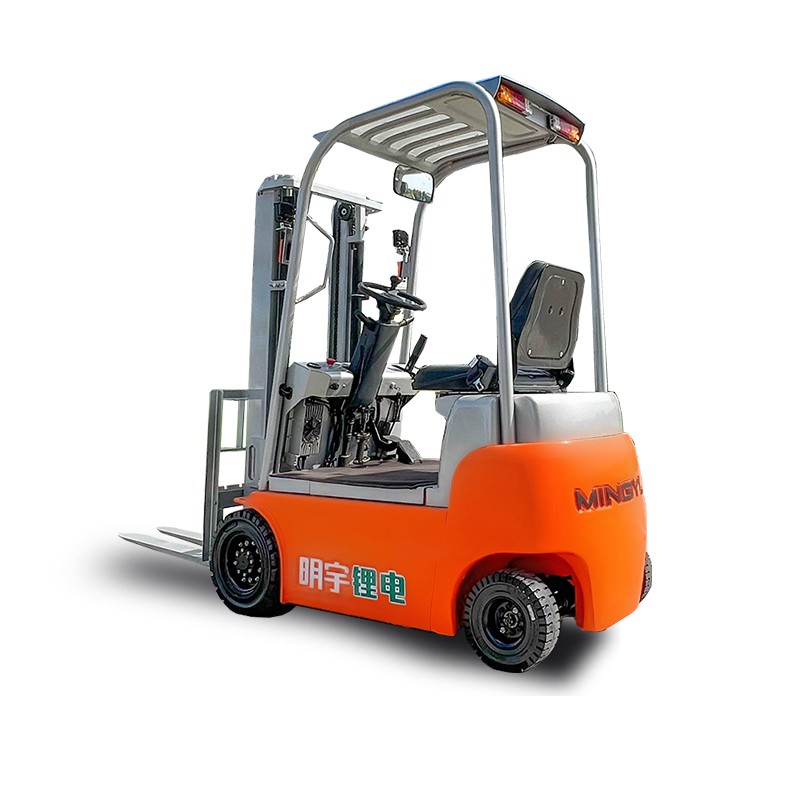
Related product: CPD10 Electric Forklift — specifications and quotation.
Safety must be designed into the project. Confirm local regulations, warning devices, lighting, restraint systems, guarding and operator certification requirements. Capacity labels and load charts must match the supplied configuration, especially when attachments or unusually high lift heights are involved. Daily inspections should cover forks, chains, tyres, brakes, steering, hydraulic hoses, alarms and energy-system condition.
Safety must be designed into the project. Confirm local regulations, warning devices, lighting, restraint systems, guarding and operator certification requirements. Capacity labels and load charts must match the supplied configuration, especially when attachments or unusually high lift heights are involved. Daily inspections must cover forks, chains, tyres, brakes, steering, hydraulic hoses, alarms and energy-system condition.
Efficient communication depends on measurable information. Send the manufacturer site drawings, photographs, load dimensions, maximum load weight, required lift height, aisle dimensions, doorway limits, container restrictions and preferred power supply. State the destination country and applicable standards. Clear acceptance criteria allow both parties to verify the same result before shipment and reduce late engineering changes.
Efficient communication depends on measurable information. Send the manufacturer site drawings, photographs, load dimensions, maximum load weight, required lift height, aisle dimensions, doorway limits, container restrictions and preferred power supply. State the destination country and applicable standards. Clear acceptance criteria allow both parties to verify the same result before shipment and reduce late engineering changes.
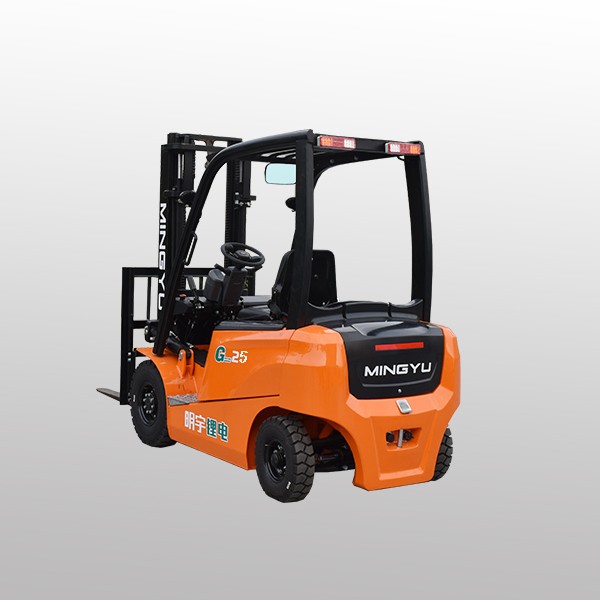
Related product: CPD25-B Electric Forklift — specifications and quotation.
A structured pre-shipment inspection should verify identity plates, rated capacity, mast operation, steering, braking, hydraulic functions, battery or engine data, accessories and documentation. Functional tests should be recorded with photographs or video. Packaging must protect exposed components against corrosion, vibration and handling damage, while labels and document sets should support customs clearance and local commissioning.
A structured pre-shipment inspection must verify identity plates, rated capacity, mast operation, steering, braking, hydraulic functions, battery or engine data, accessories and documentation. Functional tests should be recorded with photographs or video. Packaging must protect exposed components against corrosion, vibration and handling damage, while labels and document sets should support customs clearance and local commissioning.
Reliable operation depends on service planning from the beginning. Discuss recommended maintenance intervals, diagnostic tools, consumable parts and a starter spare-parts package. The plan should include battery safety, charger compatibility, climate conditions and recycling responsibilities. Digital manuals, wiring diagrams, hydraulic diagrams and illustrated parts catalogues help local technicians respond quickly. For fleet projects, standardising key components can reduce inventory and training requirements.
Reliable operation depends on service planning from the beginning. Discuss recommended maintenance intervals, diagnostic tools, consumable parts and a starter spare-parts package. The plan must include battery safety, charger compatibility, climate conditions and recycling responsibilities. Digital manuals, wiring diagrams, hydraulic diagrams and illustrated parts catalogues help local technicians respond quickly. For fleet projects, standardising key components can also reduce inventory and training requirements.
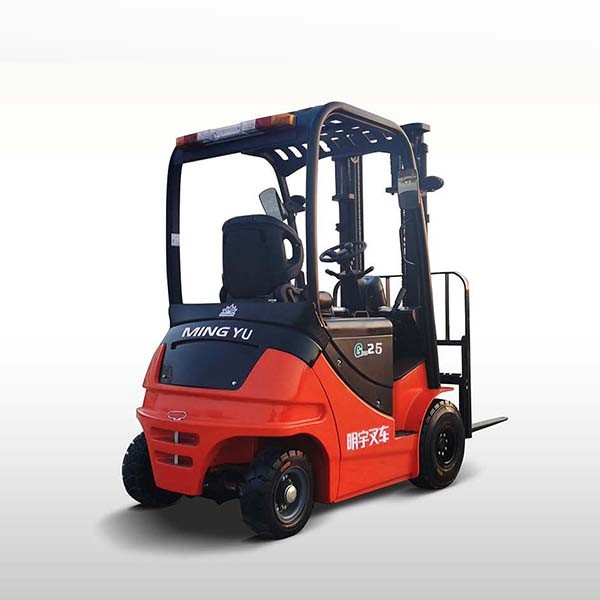
Related product: CPD25-A Electric Forklift — specifications and quotation.
Before final approval, confirm the application survey, technical configuration, quotation scope, lead time, payment terms, Incoterms, warranty boundary, inspection method and after-sales contact. Make sure optional equipment is listed individually and that excluded items are understood. A documented checklist gives procurement, engineering and operations teams one shared reference and makes later project reviews much easier.
Before final approval, confirm the application survey, technical configuration, quotation scope, lead time, payment terms, Incoterms, warranty boundary, inspection method and after-sales contact. Make sure optional equipment is listed individually and that excluded items are understood. A documented checklist gives procurement, engineering and operations teams one shared reference and makes later project reviews much easier.
Successful projects combine correct equipment selection with disciplined communication and lifecycle support. Shandong Zhuogong Machinery equipment Co.,Ltd provides ZGFORKLIFT and MYZG material-handling solutions for international customers. By matching specifications to real work, validating safety details and planning service support in advance, buyers can achieve dependable performance and a stronger long-term return on investment.
Successful projects combine correct equipment selection with disciplined communication and lifecycle support. Shandong Zhuogong Machinery equipment Co.,Ltd provides ZGFORKLIFT and MYZG material-handling solutions for international customers. By matching specifications to real work, validating safety details and planning service support in advance, buyers can also achieve dependable performance and a stronger long-term return on investment.
Shandong Zhuogong Machinery equipment Co.,Ltd
Brand: ZGFORKLIFT / MYZG
Website: www.vavforklift.com
Email: vip@mingyuforklift.com
Tel: +86-0535-2090977
WhatsApp: +86 131 8160 2336
Address: Xiaqiu Town, Laizhou, Yantai City, Shandong Province, China.
Name: selena
Mobile:+86-13176910558
Tel:+86-0535-2090977
Whatsapp:8613181602336
Email:vip@mingyuforklift.com
Add:Xiaqiu Town, Laizhou, Yantai City, Shandong Province, China
