
vip@mingyuforklift.com
+86-0535-2090977

Introduction
When selecting a forklift for material handling operations, fuel consumption and energy efficiency are among the most critical factors influencing total cost of ownership (TCO). The choice between diesel, propane (LPG), and electric power sources involves complex trade-offs involving upfront capital costs, operating expenses, maintenance requirements, and environmental compliance. This article provides a comprehensive technical comparison of fuel consumption across these three primary forklift power types, examining real-world consumption rates, cost implications, and the operational contexts where each technology excels.
Understanding Fuel Consumption Metrics
Before diving into comparisons, it is essential to understand how fuel consumption is measured across different forklift types. Diesel and propane forklifts measure consumption in gallons or liters per operating hour, while electric models use kilowatt-hours (kWh) per hour. These metrics cannot be directly compared without conversion factors that account for energy density and system efficiency.
Diesel fuel contains approximately 10.7 kWh of energy per liter, while propane contains roughly 7.1 kWh per liter. However, raw energy content tells only part of the story. Internal combustion engines in forklifts typically operate at 15–20% thermal efficiency under transient load conditions common in material handling, meaning the vast majority of fuel energy is lost as heat. Electric forklifts, by contrast, convert over 80% of electrical energy into mechanical power at the wheels, with lithium-ion battery systems achieving up to 95% charge-discharge efficiency. This fundamental difference in energy conversion efficiency is the primary reason electric forklifts demonstrate dramatically lower energy costs despite electricity and fossil fuels often being priced similarly on a per-unit-energy basis.
Diesel Forklift Fuel Consumption
Diesel forklifts are the workhorses of outdoor, heavy-duty material handling operations. Their fuel consumption varies significantly based on load capacity, operating conditions, and engine technology. Industry data indicates that a typical 3-ton diesel forklift consumes between 2.5 and 3.5 liters per hour under standard working conditions, while larger 5-ton models burn 4.5 to 6.0 liters per hour, and 7-ton capacity units can reach 6.5 to 8.0 liters per hour.
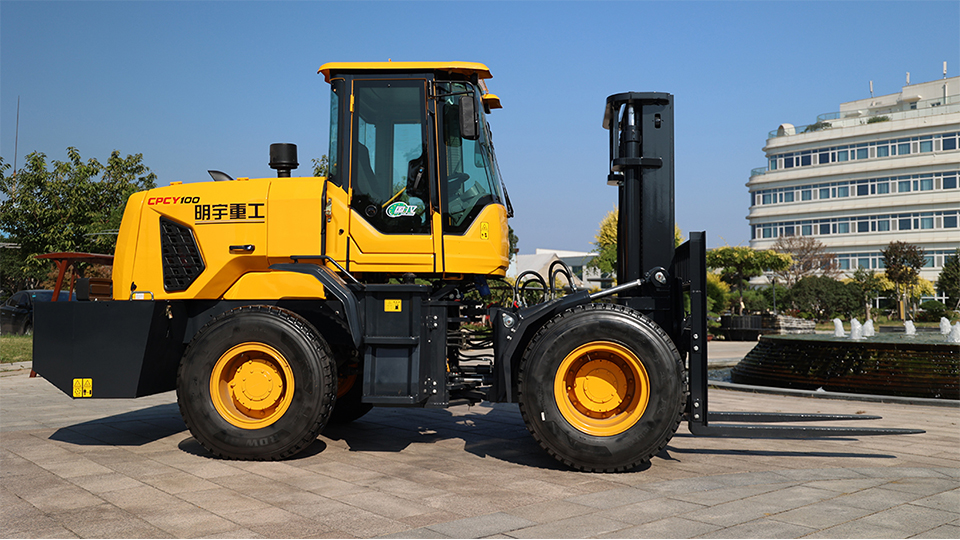
In gallons per hour, diesel forklifts typically consume 1.5 to 2.5 gallons per operating hour, with consumption rates clustering around 1.8 gallons per hour for standard capacity models under moderate load. At current U.S. commercial diesel prices ranging from $3.40 to $4.20 per gallon, this translates to hourly fuel costs of approximately $2.00 to $4.00 per operating hour, or roughly $54.72 per day based on a standard eight-hour shift.
Diesel engines offer several advantages that justify their higher fuel consumption in specific applications. They deliver maximum torque at low RPMs, making them ideal for heavy lifting and rough terrain operations. Modern diesel forklifts equipped with turbocharged engines and advanced fuel injection systems have improved efficiency compared to older models, though they also require more complex emissions control equipment. Diesel Particulate Filters (DPF) and Selective Catalytic Reduction (SCR) systems using Diesel Exhaust Fluid (DEF) add maintenance complexity and cost but are necessary to meet EPA Tier 4 Final emissions standards.
The primary limitation of diesel forklifts is their emissions profile. Diesel combustion produces high levels of particulate matter, nitrogen oxides (NOx), and carbon monoxide, making them unsuitable for indoor use without extensive ventilation systems. OSHA regulations and workplace safety standards effectively restrict diesel forklifts to outdoor applications such as lumber yards, construction sites, ports, and shipping terminals.
Propane (LPG) Forklift Fuel Consumption
Propane forklifts occupy the middle ground between diesel and electric models, offering versatility for both indoor and outdoor operations with proper ventilation. Propane consumption is typically measured in gallons per hour, with most models consuming between 2.0 and 3.0 gallons per hour under normal operating conditions. Some industry sources cite narrower ranges of 1.5 to 2.0 gallons per hour, though real-world consumption often trends higher depending on load factors and duty cycles.
At average U.S. commercial propane prices of $2.50 to $3.00 per gallon, propane forklifts incur fuel costs of approximately $2.50 to $4.50 per operating hour. A standard 33-pound propane tank typically provides 6 to 8 hours of operation, allowing most forklifts to complete an entire shift on a single tank. The quick tank exchange process—taking only 3 to 5 minutes—eliminates the downtime associated with battery charging, making propane attractive for multi-shift operations where continuous availability is critical.
From an energy efficiency perspective, propane engines generally achieve similar or slightly better thermal efficiency than gasoline engines but fall short of diesel engines due to diesel's higher compression ratios and energy density. However, propane's cleaner combustion profile produces approximately 60% less carbon monoxide and 50% fewer volatile organic compounds than gasoline, and significantly lower particulate emissions than diesel. This cleaner burn allows propane forklifts to operate indoors with adequate ventilation, making them popular in warehouses, manufacturing facilities, and distribution centers with mixed indoor-outdoor requirements.
Propane forklifts share the same basic internal combustion architecture as gasoline models, often using identical engine blocks with modified fuel systems. This commonality means they inherit similar maintenance requirements, including regular oil changes, filter replacements, and spark plug service. While maintenance costs are generally lower than diesel due to the absence of DPF/SCR systems, they remain substantially higher than electric alternatives.
Electric Forklift Energy Consumption
Electric forklifts represent a fundamentally different approach to material handling power, replacing hydrocarbon fuel with battery-stored electrical energy. Modern electric forklifts typically consume between 6 and 10 kWh per operating hour, with consumption varying based on battery technology, load weight, travel distance, and lifting height. Advanced lithium-ion powered models with regenerative braking systems can achieve consumption rates at the lower end of this range, while older lead-acid battery systems may trend higher due to lower charge-discharge efficiency.
At average U.S. commercial electricity rates of $0.12 per kWh, electric forklift energy costs range from approximately $0.50 to $1.50 per operating hour—dramatically lower than either diesel or propane alternatives. Even at higher industrial electricity rates of $0.15 per kWh, electric forklifts maintain a substantial cost advantage. This efficiency stems from the high energy conversion efficiency of electric motors and the ability to recover energy through regenerative braking during deceleration and mast lowering operations.
Battery technology significantly impacts both consumption rates and operational practicality. Traditional lead-acid batteries offer lower upfront costs but require regular maintenance, including watering and equalization charging, and typically achieve only 75–80% round-trip energy efficiency. Lithium-ion batteries, while commanding higher initial investment, deliver up to 95% efficiency, support opportunity charging during breaks, maintain consistent voltage throughout discharge cycles, and eliminate daily maintenance requirements. The shift toward lithium-ion technology has addressed many historical limitations of electric forklifts, including extended recharge times and performance degradation as batteries discharge.
The primary operational consideration for electric forklifts is charging infrastructure and time. Standard charging requires 1 to 2 hours for lithium-ion batteries and up to 8 hours for lead-acid systems, compared to the 3 to 5 minutes required for propane tank exchanges or diesel refueling. Opportunity charging—topping off batteries during scheduled breaks—can mitigate this limitation in multi-shift operations but requires strategic planning and adequate charging station placement. Additionally, cold weather performance can degrade battery capacity by up to 20%, affecting operational range in refrigerated or outdoor winter environments.
Comparative Cost Analysis
To meaningfully compare fuel consumption across power types, operators must look beyond simple fuel cost per gallon or kWh and examine total energy costs per operating hour and total cost of ownership over the equipment lifecycle.
Hourly Energy Cost Comparison
Based on current industry data and fuel pricing, the hourly energy cost hierarchy is clear:
Electric (Li-Ion): $0.50–$1.50 per hour
Propane (LPG): $2.50–$4.50 per hour
Diesel: $2.00–$4.00 per hour
These figures reveal that electric forklifts operate at roughly one-third to one-half the hourly energy cost of internal combustion alternatives. Over a standard 2,000-hour annual operating schedule, this gap compounds significantly: an electric forklift might incur $1,000–$3,000 in annual energy costs compared to $5,000–$9,000 for propane and $4,000–$8,000 for diesel.
Total Cost of Ownership (TCO)
When evaluating fuel consumption in the context of total cost of ownership, the comparison becomes even more pronounced. A comprehensive TCO analysis over a 5- to 8-year ownership period must account for acquisition cost, energy/fuel expenses, maintenance, infrastructure, and residual value.
According to industry TCO calculators, a diesel forklift operating 2,000 hours annually for five years accumulates approximately $68,400 in fuel costs alone, with total 5-year TCO reaching $121,400 when including purchase price and maintenance. A comparable propane model incurs roughly $62,500 in fuel costs over the same period, with total TCO of $108,500. An electric lithium-ion forklift, by contrast, requires only about $9,600 in energy costs over five years, yielding a total TCO of approximately $59,600—despite a higher initial purchase price.
Over an extended 8-year ownership horizon at 2,000 annual hours, the cost divergence widens further. Diesel forklifts may accumulate $100,000–$128,000 in fuel costs, propane models $60,000–$72,000, and electric models merely $8,000–$24,000. When combined with maintenance savings—electric forklifts eliminate engine oil, filters, belts, and exhaust system maintenance—the total 8-year TCO for electric models ranges from $59,000 to $87,000 compared to $100,500–$125,000 for propane and $137,000–$177,000 for diesel.
Research using standardized VDI 2198 testing cycles has quantified these differences precisely. In one comparative study, a battery-electric forklift consumed 0.114 kWh per handling cycle, while an equivalent diesel model consumed 3.175 liters per cycle. When converted to energy equivalents, the diesel forklift consumed 9.92 times more energy per cycle than the electric model. At tested regional energy prices, the cost per cycle was 0.603 TL for electric versus 5.82 TL for diesel—a 9.65-fold economic advantage for the electric powertrain. Annual energy cost projections for high-utilization scenarios (6,000 hours/year) showed electric forklifts saving approximately €37,552 annually compared to diesel equivalents.
Factors Influencing Real-World Consumption
While the above figures provide useful benchmarks, actual fuel consumption in operational environments depends on numerous variables that can significantly alter these comparisons.
Load Factor and Duty Cycle
Forklift fuel consumption scales non-linearly with load. A diesel forklift moving empty pallets across smooth concrete will consume substantially less fuel than the same unit lifting maximum capacity loads on rough terrain. Similarly, electric forklift energy consumption increases under heavy lift conditions and high mast elevation. Operations with frequent lifting and lowering cycles, common in rack storage applications, tend to favor electric models where regenerative lowering can recover energy.
Operating Environment
Environmental conditions dramatically affect consumption rates. Diesel forklifts in cold weather may experience increased fuel consumption during warm-up periods and reduced engine efficiency until operating temperature is reached. Electric forklifts face battery capacity reduction in cold environments, potentially requiring larger battery packs or more frequent charging in refrigerated warehouses. Propane forklifts generally maintain more consistent performance across temperature ranges, though extreme cold can affect vaporization rates in the fuel system.
Operator Behavior
Operator technique significantly impacts fuel efficiency across all power types. Aggressive acceleration, excessive travel speed, and unnecessary idling increase consumption in internal combustion models. For electric forklifts, abrupt acceleration draws higher current and reduces efficiency, while coasting and smooth braking maximize regenerative energy recovery. Comprehensive operator training programs can reduce energy consumption by 10–20% regardless of power type.
Maintenance Condition
Proper maintenance is essential for achieving rated fuel efficiency. Clogged air filters, worn injectors, and incorrect tire pressure all increase diesel and propane consumption. For electric forklifts, degraded batteries, loose connections, and worn drive motors reduce efficiency. Regular preventive maintenance ensures forklifts operate at designed efficiency levels.
Environmental and Regulatory Considerations
Fuel consumption comparisons cannot ignore the increasingly important dimension of environmental impact and regulatory compliance. Diesel forklifts, while offering robust performance, face mounting regulatory pressure. EPA Tier 4 Final emissions standards require complex aftertreatment systems, and many jurisdictions are implementing additional restrictions on diesel equipment operation in urban areas and near sensitive populations. The high fuel consumption of diesel forklifts directly correlates with higher carbon dioxide emissions—approximately 22.4 pounds of CO2 per gallon of diesel fuel consumed.
Propane forklifts offer a middle path, with cleaner combustion producing lower particulate matter and NOx emissions than diesel. However, they still generate carbon monoxide and carbon dioxide, requiring ventilation for indoor use and contributing to greenhouse gas emissions.
Electric forklifts produce zero point-of-use emissions, making them the only option unrestricted across all indoor environments including food processing, pharmaceutical manufacturing, and cleanroom operations. When powered by renewable electricity sources, their lifecycle carbon footprint approaches zero. Even with standard grid electricity, the high efficiency of electric drivetrains results in lower overall emissions per unit of work compared to internal combustion alternatives.
Application-Specific Recommendations
The optimal forklift power type depends on specific operational requirements rather than fuel consumption alone.
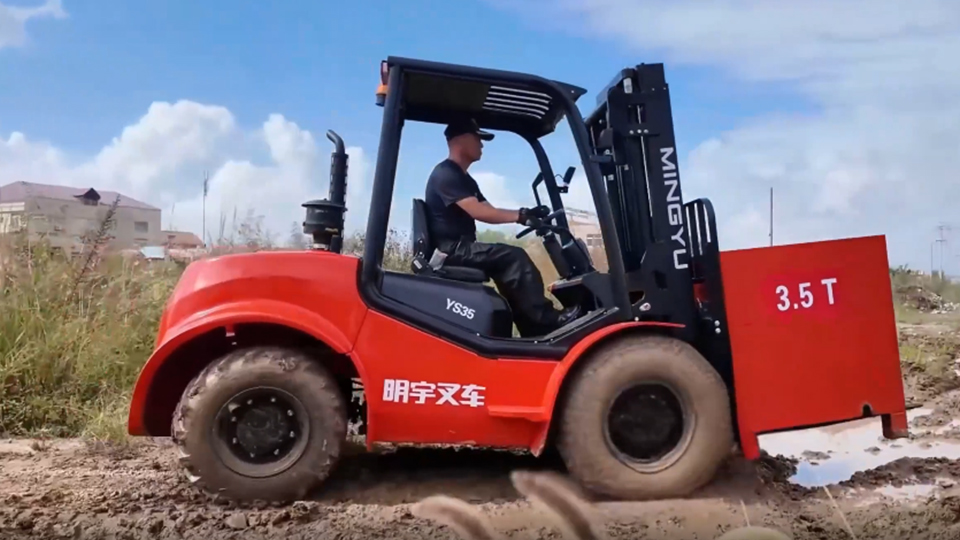
Diesel: Heavy Outdoor Applications
Diesel forklifts remain the preferred choice for lumber yards, construction sites, ports, and steel yards where maximum torque, rough terrain capability, and outdoor-only operation justify their higher fuel consumption. Their durability in harsh conditions and ability to operate continuously without charging infrastructure makes them indispensable for heavy-duty outdoor material handling.
Propane: Mixed Indoor-Outdoor Flexibility
Propane forklifts excel in operations requiring flexibility between indoor and outdoor environments, such as building supply yards, agricultural facilities, and manufacturing plants with loading docks. Their quick refueling capability and moderate fuel costs make them suitable for multi-shift operations where electric charging infrastructure would be impractical or where operational patterns preclude scheduled charging breaks.
Electric: High-Utilization Indoor Operations
Electric forklifts deliver the lowest fuel consumption and operating costs for indoor warehousing, distribution centers, and manufacturing operations with predictable schedules. They are particularly advantageous in high-utilization scenarios (2,000+ annual hours) where energy and maintenance savings rapidly offset higher acquisition costs. Food and beverage, pharmaceutical, and electronics industries favor electric models for their zero emissions and quiet operation.
Conclusion
The comparison of fuel consumption across diesel, propane, and electric forklifts reveals a clear hierarchy: electric models consume the least energy and incur the lowest hourly operating costs, followed by propane, with diesel exhibiting the highest fuel consumption and energy costs per hour of operation. A typical diesel forklift burns 1.5–2.5 gallons per hour ($2.00–$4.00/hour), propane models consume 2.0–3.0 gallons per hour ($2.50–$4.50/hour), and electric forklifts draw 6–10 kWh per hour ($0.50–$1.50/hour).
However, fuel consumption represents only one dimension of the selection criteria. Diesel forklifts justify their higher fuel costs through unmatched torque and outdoor durability. Propane models offer operational flexibility with quick refueling and moderate emissions. Electric forklifts deliver superior energy efficiency and the lowest total cost of ownership for appropriate applications, though they require charging infrastructure and strategic operational planning.
For fleet managers, the decision should be driven by a comprehensive total cost of ownership analysis that accounts for annual operating hours, duty cycles, environmental requirements, and infrastructure capabilities. Operations running 2,000+ hours annually in indoor environments will typically find electric forklifts provide the optimal balance of fuel efficiency and cost effectiveness, while outdoor heavy-duty applications will continue to rely on diesel despite its higher consumption. The transition toward electrification is accelerating as battery technology improves and environmental regulations tighten, but each power type retains distinct advantages that ensure all three will remain relevant in the material handling landscape for years to come.
Name: selena
Mobile:+86-13176910558
Tel:+86-0535-2090977
Whatsapp:8613181602336
Email:vip@mingyuforklift.com
Add:Xiaqiu Town, Laizhou, Yantai City, Shandong Province, China
