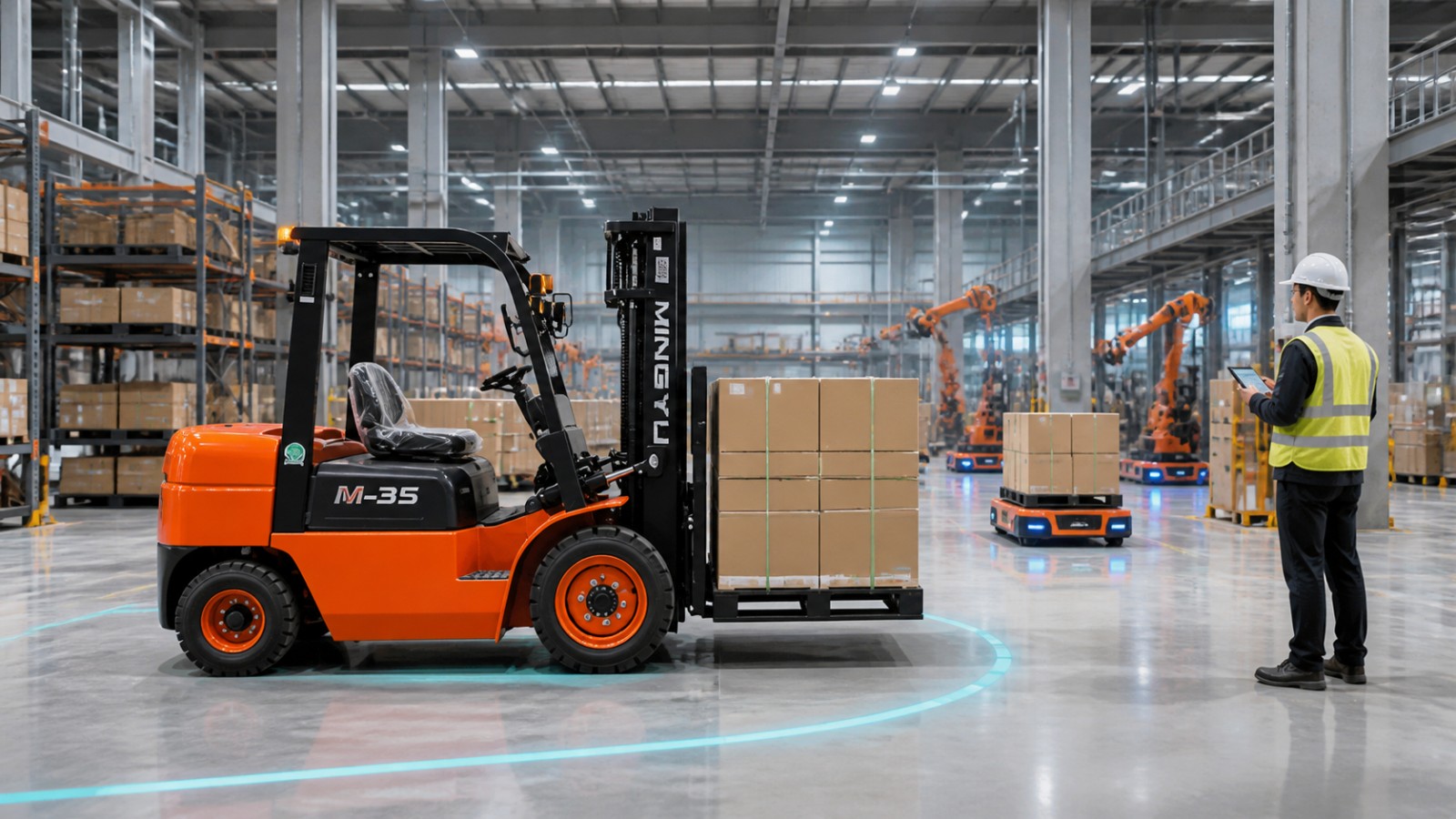
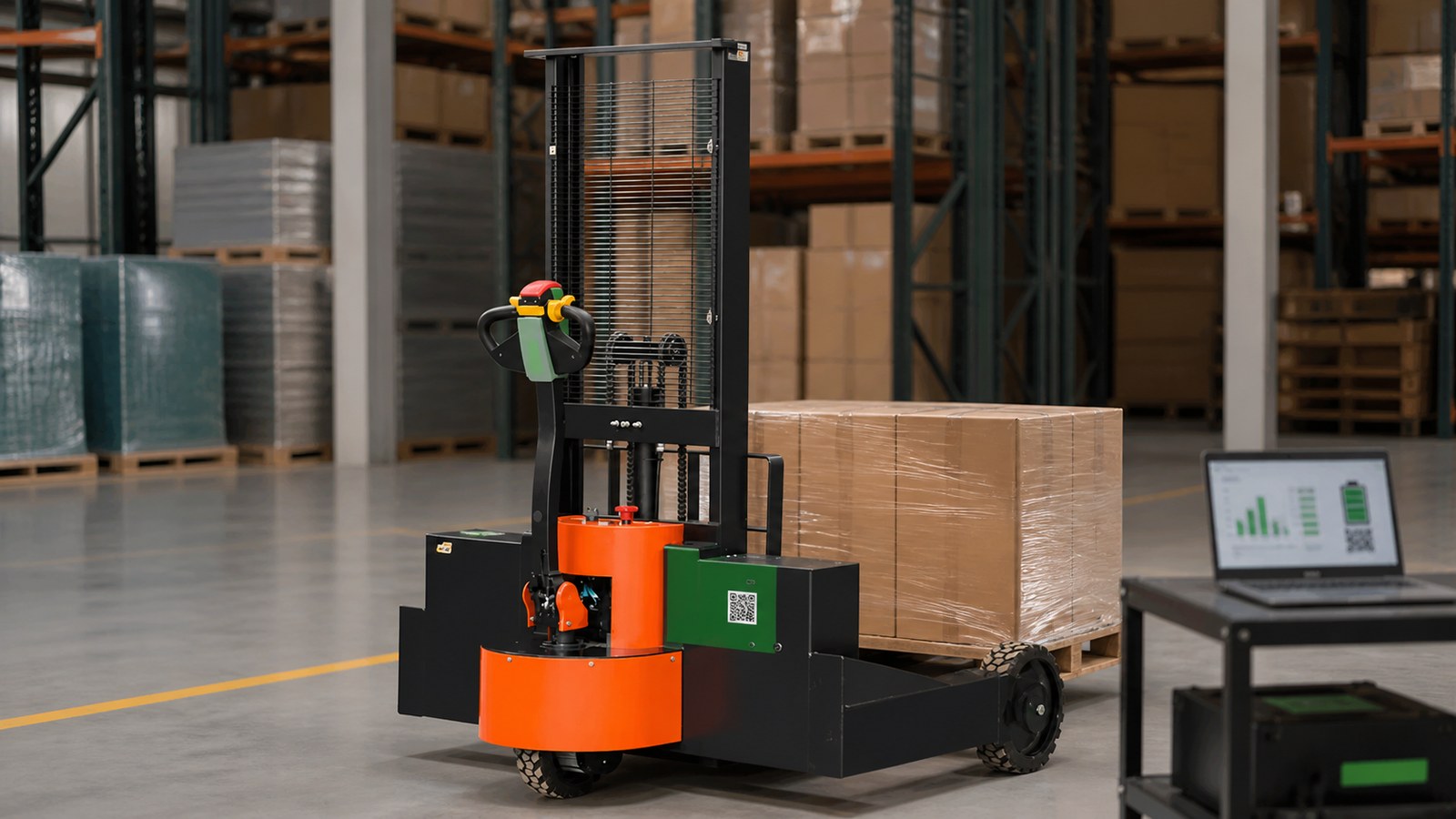
Explore the various types of forklifts and their industrial applications. This technical guide covers OSHA Classes I-VII, including reach trucks, telehandlers, order pickers, and VNA turret trucks for narrow aisle efficiency.
What is a forklift and how does it work? This technical guide explains forklift anatomy, the physics of the stability triangle, hydraulic lift systems, and rear-wheel steering geometry.
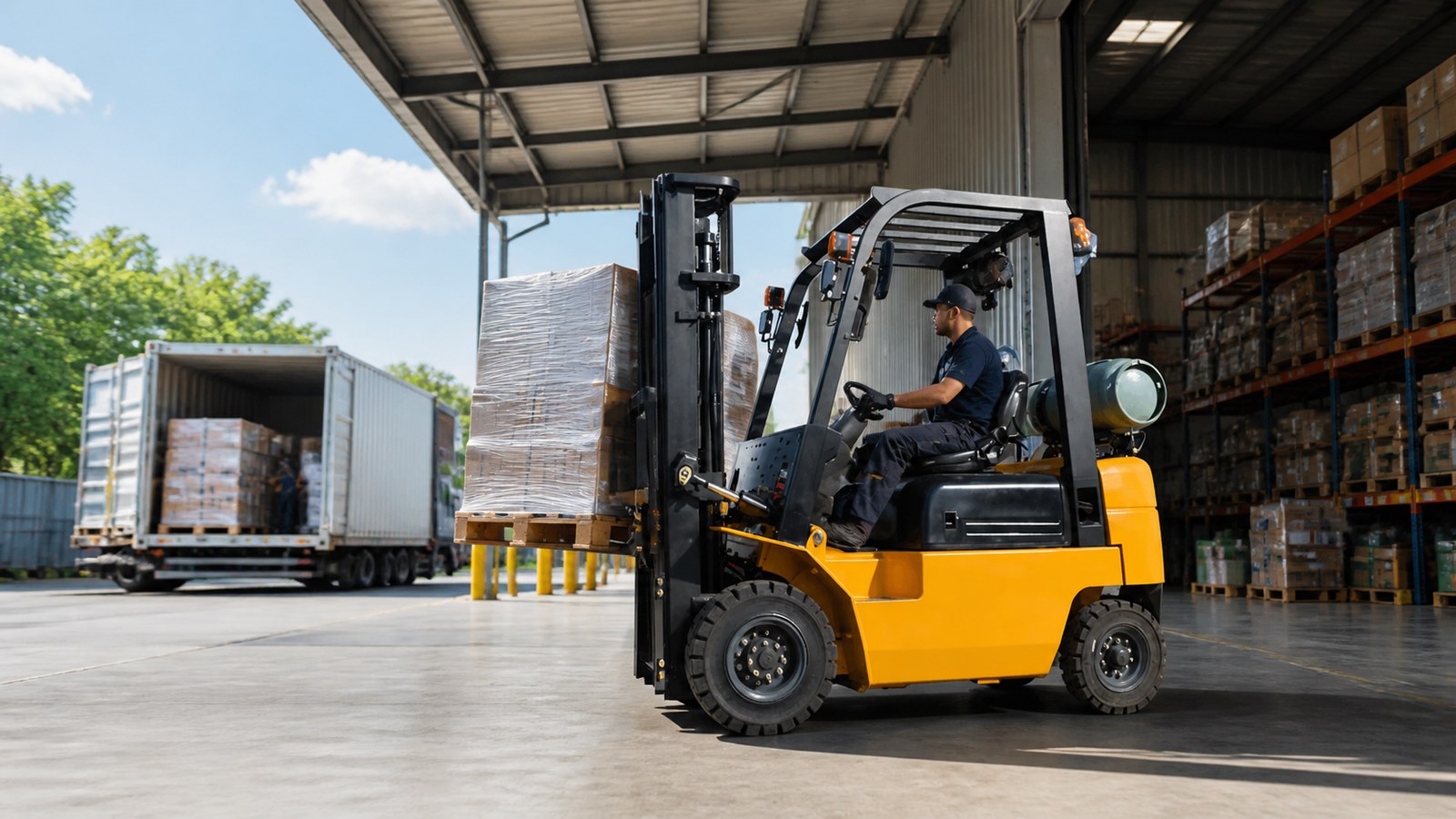
Master diesel forklift maintenance with this technical guide. Learn about fuel system priming, engine oil specifications (15W-40), hydraulic fluid service intervals, and 2,000-hour major overhaul protocols to extend machine life.
Diagnose and resolve common diesel forklift issues with this technical guide covering engine starting failures, hydraulic pressure loss, overheating, and transmission troubleshooting for optimized fleet uptime.
Explore the technical factors defining diesel forklift fuel efficiency, including average consumption rates (L/h), the impact of Stage V engine technology, and practical strategies for reducing operational costs in heavy-duty material handling.
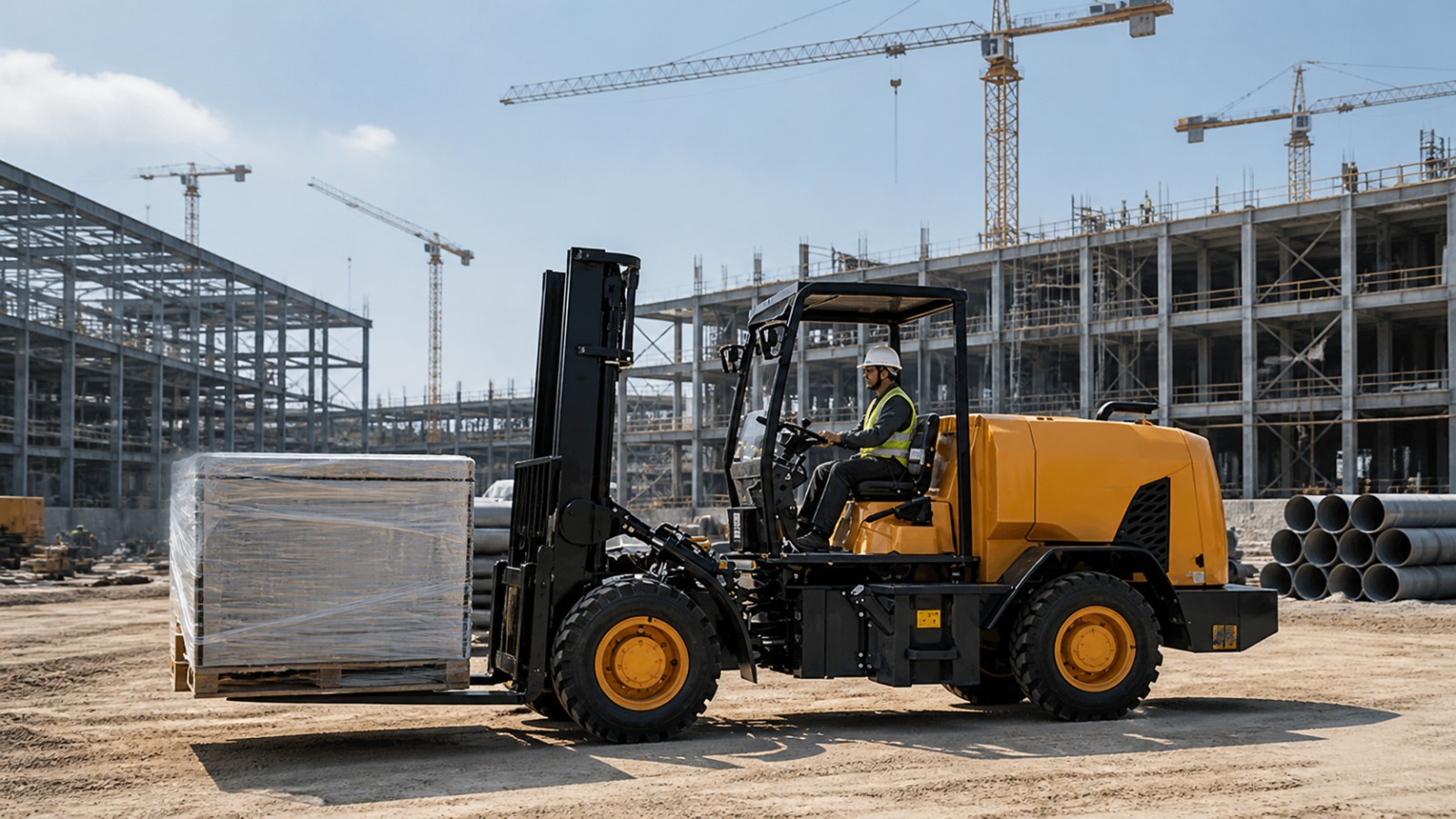
Learn how to get certified to operate a rough terrain forklift (Class 7). This technical guide covers OSHA 1910.178 requirements, telescopic boom load charts, the stability triangle, and the three-step certification process for heavy equipment operators.
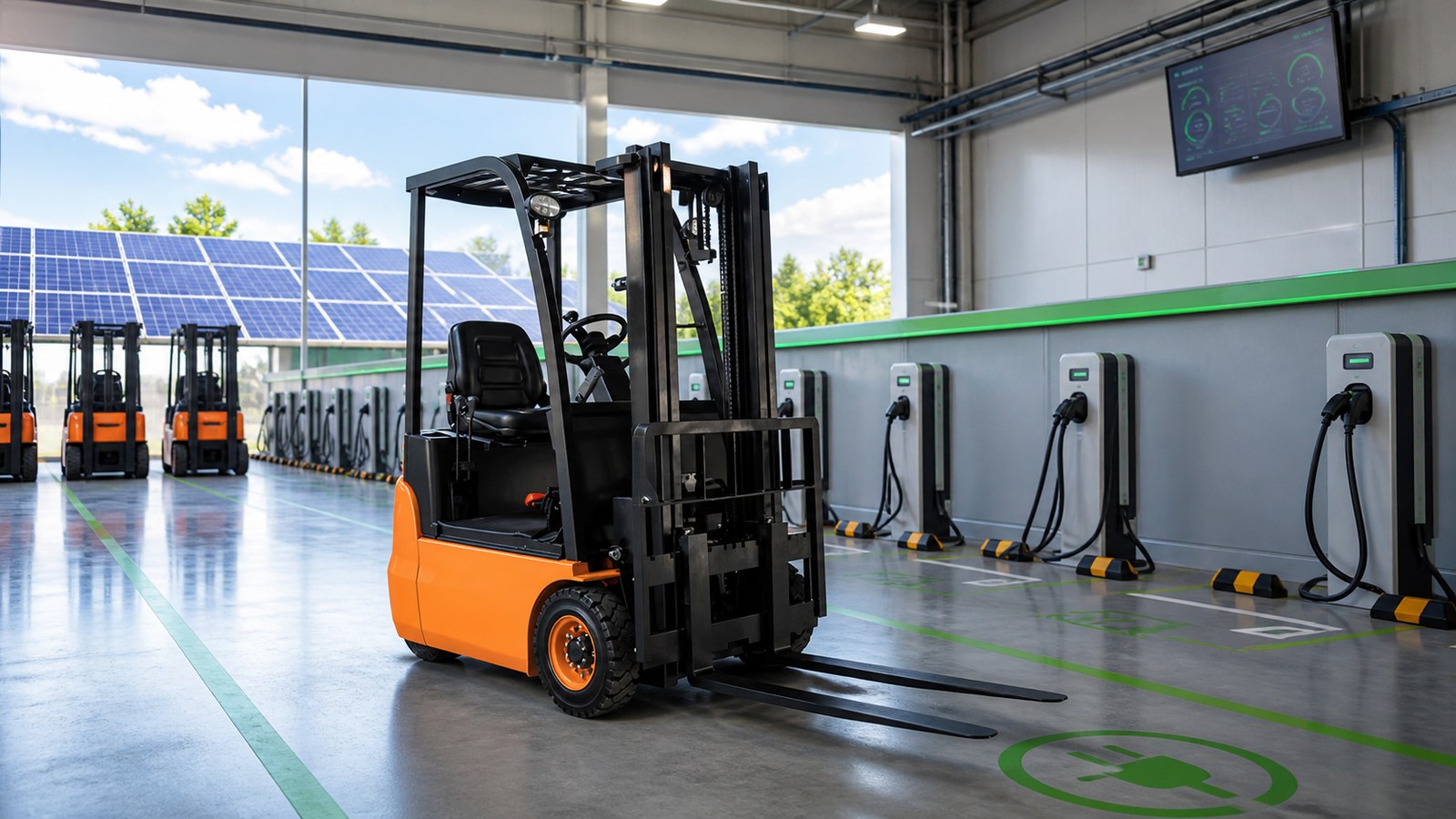
Learn how battery chemistry, charger output, and temperature affect electric forklift charging times. This technical guide compares lead-acid "8-8-8" cycles with lithium-ion opportunity charging to help you maximize fleet uptime and operational efficiency.
Discover the technical and economic advantages of electric forklifts over gas and diesel models. This deep dive covers energy efficiency, lithium-ion ROI, maintenance reduction, and why electric fleets are the 2025 standard for sustainable material handling.