
vip@mingyuforklift.com
+86-0535-2090977

Introduction
Forklifts operating in humid and dusty environments face a unique convergence of stressors that accelerate component degradation, compromise safety systems, and increase the risk of catastrophic failure. Construction sites in coastal Southeast Asia, mining operations in the Australian outback, cement plants in the Middle East, and agricultural facilities in tropical regions all subject material handling equipment to atmospheric conditions that standard warehouse forklifts were never designed to endure. Humidity promotes corrosion, electrical faults, and brake fade, while airborne particulates infiltrate engines, clog filters, abrade seals, and obscure visibility. When these two conditions coexist—which they frequently do in coastal construction, tropical mining, and certain manufacturing environments—the challenges compound exponentially.
Understanding the interaction between environmental stressors and forklift systems enables operators, maintenance technicians, and fleet managers to implement targeted protective measures. This article provides actionable technical guidance for maximizing equipment reliability, operator safety, and operational productivity in the harshest atmospheric conditions.
Understanding the Environmental Threat Matrix
Before examining specific operational strategies, it is essential to characterize the threats that humidity and dust present to forklift systems. Relative humidity above 70% creates conditions where condensation forms on metal surfaces, particularly during temperature fluctuations between day and night shifts. In coastal environments, this moisture carries dissolved salts that dramatically accelerate electrochemical corrosion. For electric forklifts, humidity compromises insulation resistance, promotes tracking across terminal boards, and accelerates contactor pitting. For internal combustion engines, humid intake air reduces combustion efficiency and increases cylinder wall wear through condensation during cold starts.
Dust presents equally severe challenges. Particulate matter in construction and mining environments frequently exceeds 1,000 micrograms per cubic meter—orders of magnitude above urban ambient levels. These particles range from coarse silica and cement dust to fine carbon black and metal oxides. When ingested by engines, they act as lapping compounds on cylinder walls, valve seats, and piston rings. In hydraulic systems, dust contamination scores cylinder rods, destroys seal lips, and degrades oil viscosity. On electrical systems, conductive dust creates short circuits and ground faults, while non-conductive dust insulates heat-generating components, causing thermal overload.
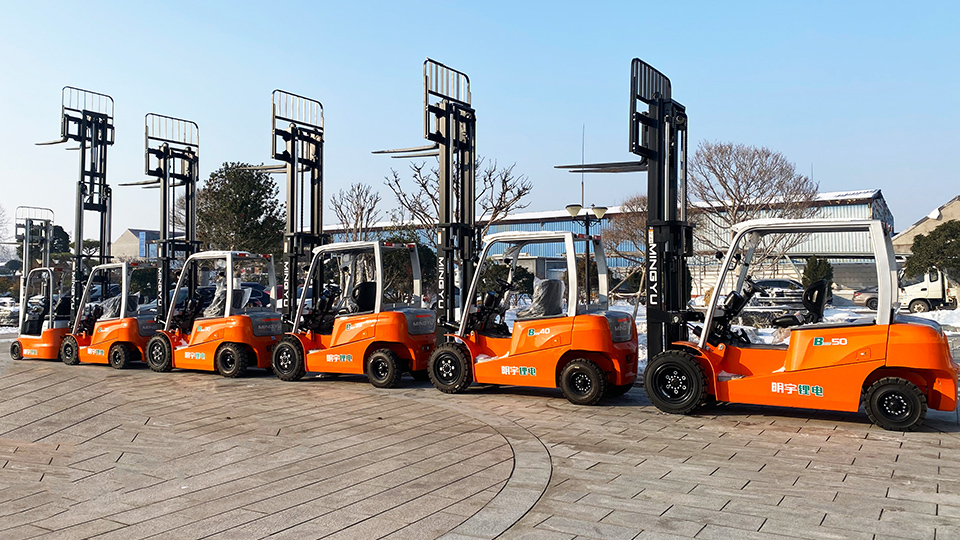
The combination of humidity and dust produces perhaps the most insidious threat: mud. Wet dust adheres to undercarriage components, traps moisture against metal surfaces, and hardens into abrasive masses that damage seals, bearings, and brake mechanisms. Understanding this threat matrix informs every subsequent operational and maintenance recommendation.
Pre-Operational Inspection Protocols for Harsh Environments
Daily inspections in humid and dusty environments must extend beyond standard checklists to address environmental stressors specifically. Operators should begin each shift by examining air intake pre-cleaners and primary filters. In dusty conditions, these components may require daily cleaning or replacement rather than the weekly or monthly intervals specified for clean environments. A clogged air filter reduces engine power, increases fuel consumption, and allows dust ingress past damaged filter media.
For electric forklifts, operators must inspect battery compartment ventilation openings for dust accumulation that could block cooling airflow and promote overheating. Terminal covers should be secure, and any evidence of moisture or corrosion on terminals requires immediate cleaning and protective treatment. Brake system inspection is critical—humid overnight conditions may cause surface rust on brake drums and discs, resulting in reduced initial braking effectiveness until the rust layer wears off. Operators should test brakes at low speed before entering active work zones.
Tire inspection takes on heightened importance. Dust and grit embedded in tire treads accelerate wear and reduce traction on smooth surfaces. In humid conditions, pneumatic tires may exhibit pressure variations as ambient temperature fluctuates; operators should verify inflation against load-specific charts rather than relying on visual assessment. Solid tires should be examined for chunking and delamination, which dust infiltration into internal voids can exacerbate.
Lighting systems require verification for dust obscuration. Headlights, tail lights, and warning beacons may have reduced output due to dust film accumulation on lenses. In humid environments, internal condensation within light housings indicates seal failure that will eventually cause electrical faults.
Engine and Powertrain Protection Strategies
For internal combustion forklifts, engine protection in dusty environments begins at the air intake. Standard paper-element air filters may prove inadequate for heavy dust exposure. Upgrading to cyclonic pre-cleaners—which use centrifugal force to separate coarse particles before they reach the filter element—can extend primary filter life by 300-500% in severe conditions. These devices require no power and minimal maintenance, making them cost-effective investments for dusty operations.
Even with pre-cleaners, air filter replacement intervals must be shortened aggressively. Rather than waiting for restriction indicators, maintenance schedules should specify replacement based on operating hours—typically every 50-100 hours in severe dust versus 500+ hours in clean warehouses. Used filters should never be cleaned with compressed air and reused; the cleaning process damages filter media and creates pathways for dust ingress.
Engine oil and filter changes require similar acceleration. Dust that bypasses air filtration contaminates oil, increasing abrasive wear. Oil analysis programs provide objective guidance; when silicon levels exceed 25 parts per million, air filtration effectiveness or change intervals require immediate review. In humid environments, oil may accumulate moisture through condensation, particularly in engines with frequent short-run cycles. Oil with a milky appearance or elevated water content requires immediate replacement to prevent bearing corrosion and sludge formation.
Cooling systems face dual threats: dust clogging radiator fins and humid air promoting corrosion within the cooling circuit. Radiators should be blown out with low-pressure air daily—never high-pressure water, which can damage delicate fins and drive debris deeper. Coolant should be tested monthly for corrosion inhibitor concentration and pH; humid environments deplete inhibitors faster than dry conditions. The addition of supplemental coolant additives (SCAs) may be necessary to maintain protection.
For electric forklifts, traction motor and controller enclosures must maintain their ingress protection (IP) ratings. Dust infiltration into motor housings abrades commutators and windings, while moisture causes insulation breakdown. Enclosure gaskets should be inspected quarterly and replaced at the first sign of hardening or cracking. Controller cooling fans and heat sinks require weekly cleaning to prevent dust buildup that causes thermal derating or shutdown.
Hydraulic System Contamination Control
Hydraulic systems in humid, dusty environments suffer accelerated seal degradation and fluid contamination. The primary defense is maintaining cleanliness during all service activities. When checking fluid levels, technicians must ensure that dipsticks and fill caps are free of dust before opening reservoirs. Breather caps—often overlooked—require particular attention; standard breathers admit atmospheric air that carries both dust and moisture. Upgrading to desiccant breathers with 3-micron filtration removes both threats simultaneously, maintaining fluid cleanliness and preventing water ingress.
Hydraulic cylinder rod seals represent critical vulnerability points. Dust accumulation on extended rods acts as an abrasive during retraction, scoring rods and destroying seal lips. Installing rod wipers or bellows boots provides mechanical protection, scraping dust from rods before they enter the seal zone. These inexpensive accessories can extend cylinder seal life by years in severe environments.
Hydraulic oil should be sampled and analyzed every 250 operating hours in harsh environments—twice the frequency recommended for standard conditions. Analysis should track particulate count per ISO 4406 standards, water content (which should remain below 500 ppm), and viscosity. When particulate counts exceed the system's tolerance—typically 18/16/13 for standard forklift hydraulics—filtration or fluid replacement is required.
Hose routing and protection require examination. Hoses routed near the ground or through wheel wells encounter maximum dust and moisture exposure. Abrasion sleeves, spring guards, or repositioning may be necessary. Hose connections should be inspected for seepage; in humid environments, minor leaks that would evaporate in dry conditions instead accumulate as oily mud that attracts additional dust and masks developing failures.
Electrical System Reliability Measures
Electrical systems in humid, dusty environments fail through three primary mechanisms: insulation degradation, contact corrosion, and conductive dust bridging. Preventive measures must address all three.
Battery maintenance for electric forklifts requires heightened attention. In humid conditions, terminal corrosion accelerates dramatically. Terminals should be cleaned weekly with baking soda solution, rinsed with distilled water, and protected with dielectric grease or commercial terminal protectors. Battery compartment floors must be kept clean; dust mixed with electrolyte spillage creates conductive paths that promote self-discharge and ground faults.
For IC forklifts, starter motors and alternators suffer in humid conditions. Brushes wear faster when humidity causes commutator film irregularities, and bearing corrosion reduces service life. Sealed bearings and upgraded starter motor enclosures provide worthwhile protection. Alternator vents should be cleared of dust accumulation weekly to prevent overheating and diode failure.
Wiring harnesses require inspection for chafing points where vibration has worn through insulation, creating entry points for dust and moisture. All connectors should exhibit positive sealing; damaged connector seals must be replaced immediately. Temporary repairs with electrical tape are unacceptable in harsh environments—moisture inevitably penetrates tape adhesive, and dust adheres to the sticky residue, creating conductive paths.
Ground connections deserve particular scrutiny. Corroded ground points create voltage drops that mimic component failures and cause erratic system behavior. Ground straps should be removed, cleaned to bare metal, and reinstalled with anti-corrosion compound during every periodic inspection.
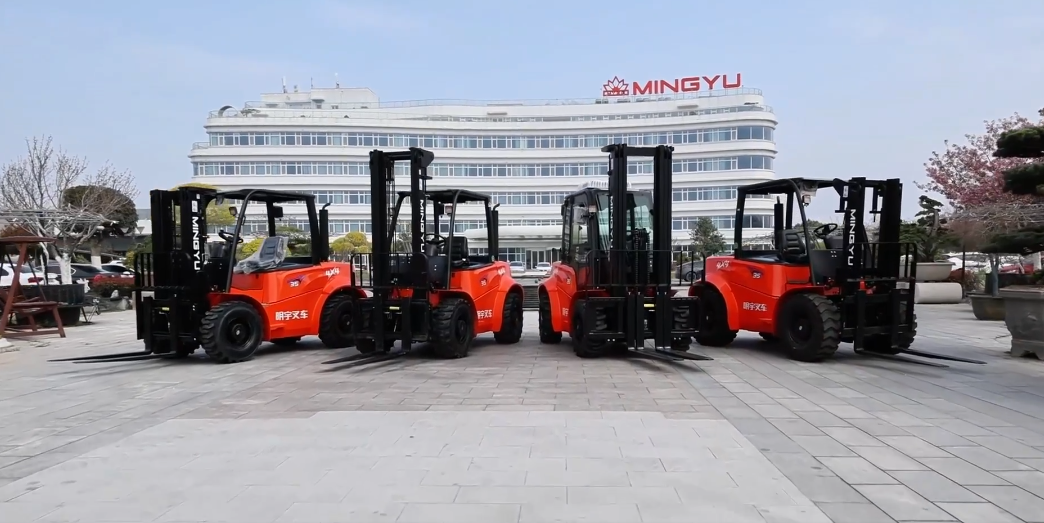
Brake System Performance in Adverse Conditions
Brake systems face severe challenges in humid and dusty environments. Drum brakes are particularly vulnerable; dust infiltration past wheel seals contaminates brake shoes, while humidity causes drum surface corrosion that reduces initial effectiveness and promotes uneven wear.
Where feasible, upgrading to sealed disc brake systems provides superior environmental resistance. Disc brakes self-clean through centrifugal action, and their open design facilitates visual inspection. For forklifts retaining drum brakes, more frequent inspection and adjustment intervals are mandatory. Brake dust—an inevitable byproduct of shoe wear—must be removed during service to prevent accumulation that affects thermal dissipation.
Brake fluid in humid environments absorbs atmospheric moisture through the reservoir breather and past imperfect seals. Moisture content should be tested monthly with brake fluid test strips or electronic testers; levels exceeding 3% mandate immediate fluid replacement. Moisture-laden fluid boils at lower temperatures, creating vapor lock and total brake failure under heavy use. In tropical environments where ambient temperatures regularly exceed 35°C, this risk is particularly acute.
Parking brake mechanisms require functional testing on inclined surfaces. Dust accumulation in cable housings and pivot points causes binding and incomplete engagement. Cables should be lubricated with dry film lubricants that resist dust adhesion—never oil-based lubricants that attract particulate matter.
Operator Protection and Visibility Management
Operator safety in harsh environments extends beyond equipment maintenance to operational practices. Dust severely compromises visibility, increasing collision risks and load handling errors. Enclosed cabs with positive-pressure ventilation and high-efficiency particulate air (HEPA) filtration protect operators from respirable dust while maintaining clear visibility. Where enclosed cabs are not available, operators should wear appropriate respiratory protection and use supplemental lighting to penetrate dust clouds.
Windshield and mirror maintenance requires continuous attention. Dust accumulation on glass surfaces creates glare when illuminated by sunlight or artificial lighting. Anti-static glass treatments reduce dust adhesion. Wiper systems should use heavy-duty blades and sufficient washer fluid capacity; standard automotive systems are inadequate for construction dust loads.
Seat and control ergonomics degrade when dust infiltrates mechanisms. Control levers should operate smoothly without grit-induced binding; periodic cleaning and light lubrication maintain precise control feel. Seat suspension systems require inspection for dust contamination that affects damping performance.
Tire and Undercarriage Management
Tires in dusty environments suffer accelerated tread wear and increased puncture risk. Solid tires generally outperform pneumatics in severe dust conditions, eliminating puncture vulnerabilities and maintaining consistent performance. Where pneumatic tires are necessary, foam filling provides puncture resistance while preserving ride characteristics.
Undercarriage cleaning represents a critical but frequently neglected maintenance activity. The accumulation of dust and mud around axles, differentials, and brake components traps heat and moisture, accelerating corrosion and obscuring developing leaks. Weekly pressure washing of undercarriages—taking care to avoid direct high-pressure spray on seals and electrical components—removes these accumulations. After washing, moving the forklift allows water drainage from trapped cavities and promotes drying.
Wheel bearings in humid, dusty environments require shortened greasing intervals. Contaminated grease loses its lubricating properties and allows water ingress. When greasing, technicians should continue until fresh grease purges from seals, displacing contaminated material. Bearing replacement intervals should be shortened by 25-30% compared to clean environment specifications.
Storage and Shutdown Procedures
Proper shutdown and storage procedures significantly extend equipment life in harsh environments. Forklifts should be stored under cover whenever possible; even simple roof structures dramatically reduce dust accumulation and moisture exposure. When indoor storage is unavailable, breathable equipment covers provide partial protection while preventing condensation trapping.
At shift end, engines should be allowed to idle for 2-3 minutes before shutdown. This cooldown period allows turbochargers to spin down and equalizes temperatures, reducing thermal shock and condensation formation in exhaust systems. Electric forklifts should be charged in covered, ventilated areas; charging in dusty open areas allows dust infiltration into battery compartments and charger electronics.
Battery disconnect switches should be engaged during extended shutdowns to prevent parasitic drain and reduce corrosion current. For IC forklifts, fuel tanks should be kept as full as practicable to minimize condensation accumulation; water separators should be drained daily.
Establishing Environment-Specific Maintenance Intervals
Standard manufacturer maintenance intervals assume moderate environmental conditions. In humid and dusty environments, these intervals require aggressive compression. A practical approach involves halving standard intervals for air filter, oil, and hydraulic filter services, then refining based on oil analysis and operational experience.
Maintenance documentation should record environmental conditions alongside service activities. Over time, this data reveals patterns—certain seasons may require more frequent service, specific operations may generate exceptional dust loads, and particular equipment configurations may prove more resilient. This continuous improvement approach transforms reactive maintenance into predictive asset management.
Conclusion
Operating forklifts in humid and dusty environments demands a fundamental shift from standard maintenance and operational practices. The combination of moisture and particulate matter attacks every critical system simultaneously—corroding metals, contaminating fluids, abrading seals, and compromising electrical integrity. Success requires systematic implementation of protective measures: upgraded filtration, shortened service intervals, environmental sealing, and rigorous cleaning protocols. Operators and technicians must view these conditions not as inconveniences to be endured but as specific technical challenges to be engineered against. The organizations that master forklift operation in harsh environments gain competitive advantage through superior equipment reliability, reduced downtime, and uncompromised safety performance. In the world's most demanding construction, mining, and industrial sites, this operational excellence distinguishes market leaders from those overwhelmed by their environment.
Name: selena
Mobile:+86-13176910558
Tel:+86-0535-2090977
Whatsapp:8613181602336
Email:vip@mingyuforklift.com
Add:Xiaqiu Town, Laizhou, Yantai City, Shandong Province, China