
vip@mingyuforklift.com
+86-0535-2090977

Introduction
Electric forklifts have become the backbone of modern material handling operations, powering warehouses, distribution centers, and manufacturing facilities worldwide. Unlike their internal combustion counterparts, electric forklifts offer quieter operation, zero emissions, and lower long-term operating costs. However, operating these sophisticated machines requires thorough understanding of their unique characteristics, safety protocols, and maintenance requirements. This comprehensive guide provides technical instruction on proper electric forklift operation, from pre-operation inspections to advanced handling techniques, ensuring both operator safety and equipment longevity.
Understanding Electric Forklift Components
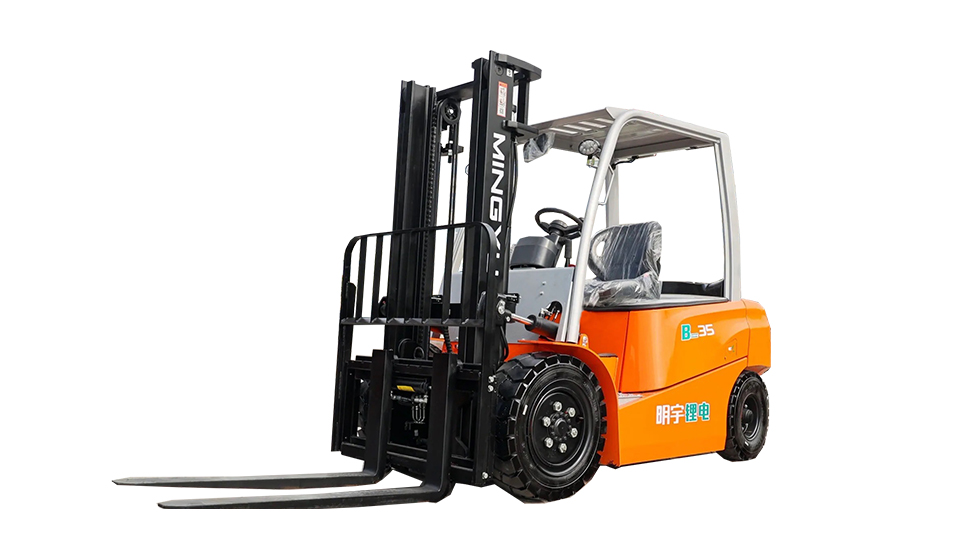
Before operating an electric forklift, operators must understand its key components and how they differ from traditional forklifts. The power system consists of a large industrial battery, typically lead-acid or lithium-ion, which powers an electric motor driving the hydraulic pumps and traction systems. The mast assembly, responsible for lifting and lowering loads, operates through hydraulic cylinders powered by an electric pump. Understanding these components is essential because electric forklifts behave differently than internal combustion models—they offer instant torque, quieter operation, and require specific battery management protocols .
The control systems in modern electric forklifts include sophisticated electronics managing speed, acceleration, and lifting operations. Many models feature regenerative braking systems that convert kinetic energy back into battery power, extending operational runtime. Familiarity with these systems enables operators to maximize efficiency while minimizing wear on critical components.
Pre-Operation Requirements and Certification
OSHA Standard 1910.178 mandates that all forklift operators must complete formal training and evaluation before operating powered industrial trucks . This requirement applies specifically to the type of truck being used—electric forklift operators must receive training distinct from propane or diesel models. Certification must be renewed every three years, or sooner if the operator demonstrates unsafe practices, is involved in an accident, or is assigned to operate a different type of forklift.
Training programs must cover both theoretical knowledge and practical skills. Theoretical components include understanding load capacities, stability principles, and workplace-specific hazards. Practical training involves supervised operation under various conditions, including load handling, maneuvering in tight spaces, and emergency procedures. Employers must maintain records of all training and evaluations, as these documents are subject to OSHA inspection .
Daily Pre-Operation Inspection
OSHA requires daily inspections before operating any forklift, with specific checklists for electric models . These inspections fall into two categories: non-driving checks performed while the forklift is off, and operational checks conducted with the machine running.
Non-Driving Inspection Checklist
Begin with a comprehensive visual inspection. Check for visible damage to the chassis, mast, forks, and overhead guard. Examine tires for proper inflation, cuts, or excessive wear—electric forklifts typically use cushion tires for indoor use, which require different inspection criteria than pneumatic tires. Verify that all safety decals and labels are legible and properly positioned, as these provide critical operational information and warnings .
For electric forklifts specifically, inspect battery cables for fraying or damage, ensure battery restraints are secure, and check that electrolyte levels are at proper levels if accessible. The battery compartment should be clean and free of corrosion. Confirm the hood latch is secure and that all safety devices, including seatbelts and finger guards, are functioning properly .
Operational Inspection
Once the non-driving inspection is complete, power on the forklift and test all operational systems. Verify that the brakes respond properly, testing both service and parking brakes. Check steering for smooth operation without excessive play. Test all hydraulic functions—lifting, lowering, tilting, and side-shifting—to ensure they operate smoothly without hesitation or unusual noises.
Test all safety features including lights, horn, backup alarm, and any warning indicators. Modern electric forklifts feature sophisticated diagnostic systems that display error codes or warnings—operators must understand these indicators and never operate a forklift displaying warning lights without proper authorization. Document any deficiencies immediately and remove the forklift from service until repairs are completed .
Battery Management and Charging Protocols
Battery management represents the most critical operational difference between electric and internal combustion forklifts. Improper battery care can result in reduced runtime, premature failure, and significant replacement costs. Understanding proper charging protocols is essential for every operator .
Charging Best Practices
Electric forklift batteries have a finite number of charge cycles, making charging discipline crucial for longevity. The general rule is to recharge after an eight-hour shift or when the battery discharges below 30%. Charging too frequently when the battery isn't sufficiently discharged shortens its lifespan. However, allowing deep discharge below 80% causes irreparable damage and significantly reduces battery life .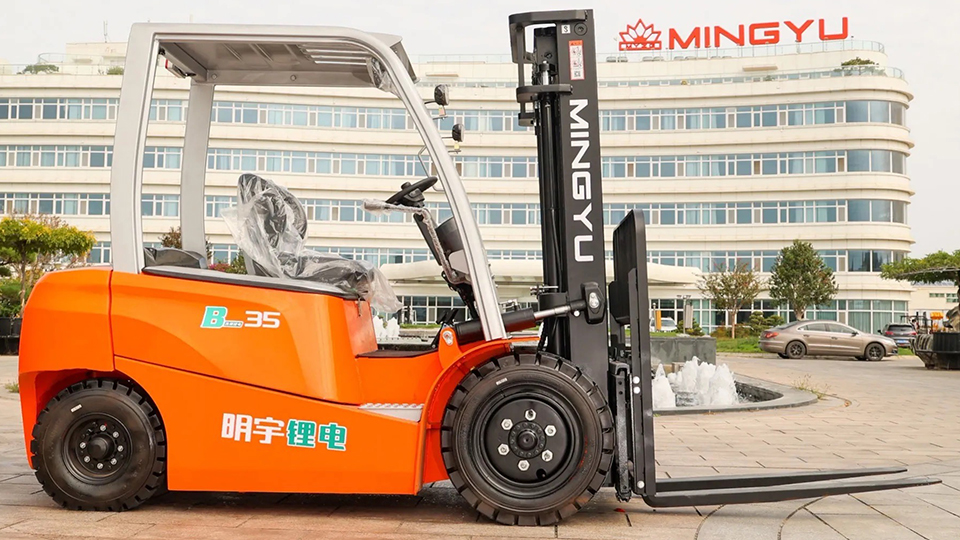
Once charging begins, allow the cycle to complete fully. Interrupting a charging cycle harms battery longevity. Similarly, never allow a discharged battery to sit idle for extended periods—hard sulfation develops within hours to a day, permanently reducing capacity and runtime . Temperature management is equally critical; excessive heat during charging can halve battery life. Maintain battery temperature near 25°C (77°F) when possible, and never allow charging temperatures to exceed 50°C .
Battery Watering and Maintenance
Lead-acid batteries require regular watering to maintain proper electrolyte levels. Check water levels approximately every five charging cycles, inspecting several cells to ensure water covers the plastic battery elements. Only add water after the battery is fully charged—adding water to a discharged battery causes overflow during charging. Use distilled or deionized water with a pH between 5 and 7, as impurities accelerate corrosion and reduce battery life .
Designated charging areas must include proper ventilation, fire extinguishers, emergency phones, and eye wash stations. Prohibit smoking near charging areas, and require operators to wear appropriate personal protective equipment including safety goggles, gloves, and aprons when handling batteries .
Operating Procedures and Techniques
Starting and Basic Maneuvering
Enter the forklift using three points of contact and fasten the seatbelt before starting. Adjust mirrors and ensure clear visibility in all directions. Test the horn and verify the path ahead is clear. Electric forklifts provide instant torque, so acceleration should be smooth and gradual to prevent jerky movement or load instability.
When maneuvering, maintain safe speeds appropriate for conditions—OSHA requires operators to slow down at cross aisles, doorways, and when making turns. Electric forklifts excel in tight spaces due to their compact turning radius, but operators must account for the rear-end swing, which can extend significantly beyond the rear wheels. Sound the horn at intersections and blind corners to alert pedestrians and other operators .
Load Handling Operations
Understanding load capacity is fundamental to safe operation. Every forklift displays a data plate indicating rated capacity at specific load centers and lift heights. Never exceed these ratings, as doing so compromises stability and risks tipping. Electric forklifts typically have different capacity ratings than equivalent internal combustion models due to battery weight distribution.
Approach loads squarely, centering the forks and inserting them fully before lifting. Tilt the mast back slightly to secure the load against the backrest before traveling. When lifting, raise the load only high enough to clear obstacles—traveling with elevated loads significantly increases tipping risk. Lower the load before turning or changing direction whenever possible .
When placing loads, position the forklift squarely before the destination, level the mast, and lower the load smoothly. Never place fingers or hands between the load and racking—use proper handling techniques and mechanical aids when necessary. After depositing the load, back away slowly, checking for clearance in all directions.
Ramp and Grade Operation
Operating on ramps requires specific techniques to maintain stability. Always drive forward when ascending with a load and reverse when descending. Travel without loads requires the opposite approach—reverse up ramps and drive forward down ramps. This maintains the center of gravity over the drive wheels and prevents tipping. Never turn on ramps or grades, as the combined forces of grade and turn dramatically increase instability .
Workplace Safety and Hazard Management
Pedestrian Safety
Electric forklifts operate quietly, creating unique pedestrian hazards. Operators must remain vigilant for pedestrians, especially in blind spots and congested areas. Use horns at intersections, maintain safe following distances, and never assume pedestrians see or hear the forklift. Many facilities establish pedestrian walkways and forklift-only zones—operators must respect these boundaries and yield right-of-way to pedestrians .
Environmental Considerations
Electric forklifts are designed primarily for indoor use on smooth, level surfaces. While some models handle outdoor conditions, operators must understand their forklift's limitations. Wet or slippery surfaces reduce traction and increase stopping distances—reduce speed accordingly. Be aware that electric forklifts may perform differently in extreme temperatures, with cold weather reducing battery efficiency and hot weather increasing overheating risks .
Emergency Procedures
Every operator must know emergency procedures for various scenarios. If the forklift begins tipping, brace yourself and stay in the seat—never attempt to jump. In case of fire, evacuate immediately and use appropriate fire extinguishers only if trained and safe to do so. For battery-related emergencies including acid spills or fires, follow specific protocols including evacuation, containment, and professional cleanup .
If the forklift malfunctions during operation, stop immediately in a safe location, lower any raised loads, engage the parking brake, and notify supervision. Never attempt repairs unless specifically trained and authorized. Document all incidents and near-misses for safety analysis and training improvement .
Maintenance and Record Keeping
While operators aren't expected to perform major repairs, they play crucial roles in maintenance through daily inspections and reporting. Keep the forklift clean—dirt and debris hide damage and can interfere with moving parts or electrical components. Report unusual noises, vibrations, or performance changes immediately, as these often indicate developing problems .
Maintain thorough records of all inspections, maintenance, and repairs. OSHA requires documentation of daily inspections and all service activities, including dates, technicians, and work performed. These records prove compliance during inspections and help identify patterns indicating systemic issues or training needs .
Conclusion
Operating an electric forklift safely and efficiently requires technical knowledge, disciplined procedures, and constant vigilance. From understanding battery management to mastering load handling techniques, operators must commit to continuous learning and strict adherence to safety protocols. By following the guidelines outlined in this article—maintaining proper certification, conducting thorough inspections, respecting equipment limitations, and prioritizing safety—operators ensure not only their own well-being but also the efficiency and longevity of their equipment. As electric forklift technology continues evolving with lithium-ion batteries and advanced automation features, ongoing training remains essential for maintaining the highest standards of operational excellence and workplace safety.
Name: selena
Mobile:+86-13176910558
Tel:+86-0535-2090977
Whatsapp:8613181602336
Email:vip@mingyuforklift.com
Add:Xiaqiu Town, Laizhou, Yantai City, Shandong Province, China