
vip@mingyuforklift.com
+86-0535-2090977

1. The Internal Combustion Engine (ICE) Mechanics
At the heart of an LPG truck is a modified Internal Combustion Engine. Unlike a standard car that runs on gasoline, these engines are engineered to combust propane.
Fuel System: Propane is stored as a liquid under pressure in a removable tank. As it leaves the tank, it passes through a vaporizer (or regulator), which converts the liquid back into a gas before it enters the engine’s intake manifold.
Clean Combustion: Propane has a higher octane rating than gasoline and burns more completely. This results in significantly lower carbon monoxide (CO) emissions, allowing these trucks to be used indoors in well-ventilated warehouses—something strictly prohibited for diesel models.
Constant Power: Unlike electric forklifts, which can lose "pep" as the battery drains, LPG trucks maintain 100% power output until the fuel tank is completely empty.
2. Physical Design and Versatility
LPG trucks are built to be the "all-rounders" of the forklift world. They are almost always equipped with pneumatic tires (air-filled or solid rubber with deep treads), which allows them to transition seamlessly from a smooth warehouse floor to a graveled loading dock or asphalt yard.
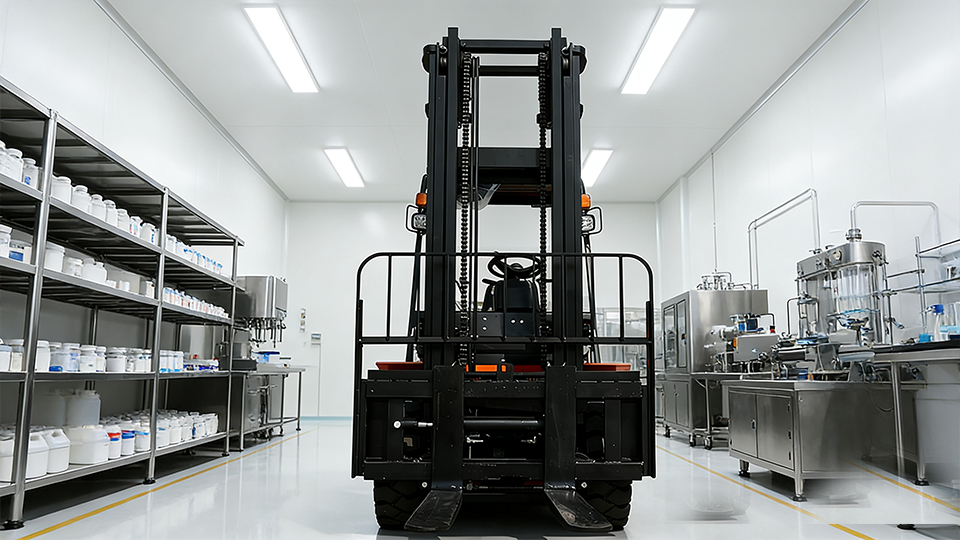
3. Comparing the Styles: Standard vs. Rough Terrain
When selecting an LPG truck, you typically choose between two main configurations based on your environment:
Standard Industrial Trucks: These feature a compact wheelbase and are designed for maneuverability in tight aisles. They are the backbone of manufacturing plants.
Rough Terrain Trucks: These are built on a larger chassis with higher ground clearance and 4-wheel drive. They are used on construction sites where the ground is uneven or muddy.
Technical Selection: Top 10,000 lb LPG Models
For heavy-duty applications requiring 10,000 lbs of lift capacity, LPG is often the preferred fuel source because it handles the weight without the long charging downtimes of electric models.
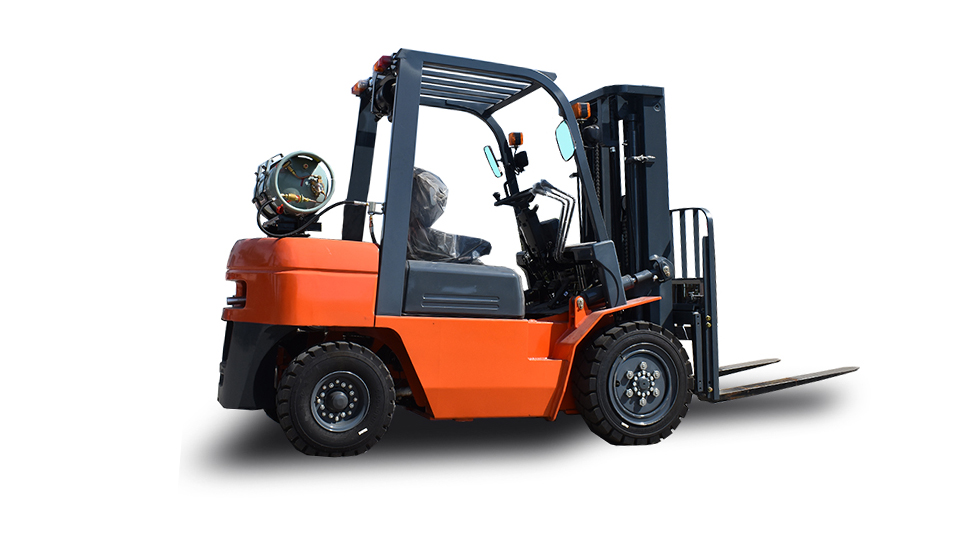
The Forklift is a standout example of a high-capacity LPG truck. It utilizes a Kubota engine, known in the industry for its long-term durability and ease of maintenance. With a 185-inch lift height, it provides the reach necessary for high-tier racking while maintaining the torque required for 5-ton loads.
4. Advantages and Operational Benefits
Why do many fleet managers choose LPG over Electric or Diesel?
Refueling Speed: An empty LPG tank can be swapped for a full one in under 2 minutes. There is no "8-hour charge, 8-hour cool down" cycle required for battery operation.
Cold Weather Performance: LPG engines start reliably in freezing temperatures, whereas electric batteries often see a drop in capacity and performance in the cold.
Lower Initial Cost: Generally, LPG forklifts have a lower upfront purchase price compared to high-voltage electric trucks of the same capacity.
5. Maintenance and Safety
Operating an LPG truck requires specific safety protocols. Because the fuel is stored under pressure, operators must be trained in tank inspection—checking for "O-ring" integrity and ensuring the tank is properly seated on the locating pin to prevent leaks.
Maintenance is similar to a car, requiring regular oil changes, spark plug replacements, and air filter cleanings to ensure the engine runs at peak efficiency and maintains its low emission profile.
Name: selena
Mobile:+86-13176910558
Tel:+86-0535-2090977
Whatsapp:8613181602336
Email:vip@mingyuforklift.com
Add:Xiaqiu Town, Laizhou, Yantai City, Shandong Province, China
