
vip@mingyuforklift.com
+86-0535-2090977

Introduction
Material handling operations face significant challenges during winter and rainy seasons. Forklifts, as the backbone of warehouse logistics and industrial operations, encounter heightened risks from freezing temperatures, moisture infiltration, and slippery surfaces. Cold weather can reduce battery capacity by 25–50%, thicken hydraulic fluids to the consistency of honey, and create hazardous ice patches that compromise traction and stability. Rainy conditions introduce additional complications, including electrical system moisture damage, reduced visibility, and wet surfaces that increase braking distances. This article provides a comprehensive technical guide on moisture-proof, anti-freezing, and anti-slip measures to ensure forklift safety, operational efficiency, and equipment longevity during adverse weather conditions.
1. Understanding Seasonal Hazards
1.1 Winter-Specific Risks
Winter conditions present multifaceted challenges for forklift operations. Temperatures below freezing fundamentally alter material properties and mechanical performance. Lead-acid batteries experience electrolyte thickening, slowing chemical reactions and reducing power output by up to 50% in extreme cold. Hydraulic systems suffer from increased fluid viscosity, causing sluggish response times and elevated internal friction. Rubber components—including seals, hoses, and tires—become brittle and prone to cracking. Furthermore, condensation forms when forklifts transition between heated indoor environments and cold outdoor areas, creating moisture accumulation that can freeze and expand, damaging critical components.
OSHA data indicates a significant spike in forklift accidents during winter months, with many incidents attributable to preventable maintenance failures and visibility issues. The combination of reduced daylight hours, snow accumulation, and ice formation creates an environment where standard operating procedures become insufficient without seasonal adaptations.
1.2 Rainy Season Challenges
Rain introduces distinct hazards that complement winter risks in transitional seasons. Water infiltration poses serious threats to electrical systems, potentially causing short circuits in batteries, controllers, and wiring harnesses. Wet braking surfaces reduce friction coefficients by 30–50%, dramatically increasing stopping distances. Standing water can mask potholes and uneven surfaces, increasing the risk of load instability and tipping. High humidity accelerates corrosion on metal components, particularly in coastal or industrial environments where airborne contaminants combine with moisture to attack unprotected surfaces.
2. Anti-Freezing Measures for Critical Systems
2.1 Battery Management and Thermal Protection
Battery systems require the most intensive winter preparation. For electric forklifts, maintaining optimal battery temperature is essential for preserving capacity and cycle life. Pre-heating batteries before charging prevents thermal shock and electrolyte stratification. Battery blankets or insulated compartments maintain operating temperatures during use, while charging stations should be located in climate-controlled environments to prevent cold-soaking during recharge cycles.
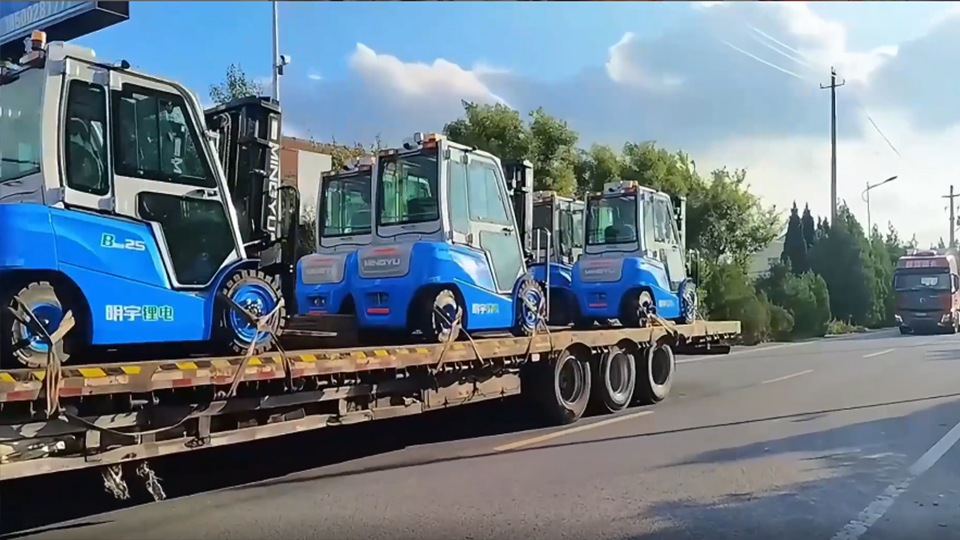
Lead-acid batteries require electrolyte density adjustment to 1.28–1.30 specific gravity for winter operation, with distilled water levels maintained above minimum thresholds. Lithium-ion batteries, while generally more cold-tolerant, still benefit from pre-conditioning systems that warm cells before high-current discharge. Regardless of chemistry, batteries should never be left in discharged states during freezing conditions, as ice crystal formation within cells causes permanent capacity loss and potential casing rupture.
For internal combustion forklifts, engine starting systems demand attention. Glow plugs and cold-start assist systems must be tested before seasonal onset. Engine block heaters maintain coolant and oil temperatures during overnight shutdown, reducing startup wear and fuel consumption. Battery maintenance includes terminal cleaning to prevent corrosion, cable tightening, and load testing to verify cranking capacity under cold conditions.
2.2 Hydraulic System Winterization
Hydraulic performance degrades significantly as temperatures drop. Standard hydraulic fluids thicken at low temperatures, increasing system resistance and response lag. Winter-grade hydraulic oils with lower viscosity indices and enhanced pour-point depressants maintain fluidity down to -20°C or lower. Systematic pre-operation warming—running the hydraulic system unloaded for 10 minutes—allows fluid circulation and temperature equilibration before lifting operations commence.
Seal and hose inspection becomes critical as rubber compounds stiffen. Nitrile and standard Buna-N seals may require replacement with low-temperature fluorocarbon or specialized compounds rated for arctic conditions. Hoses should be examined for surface cracking, particularly at bend radii and connection points where stress concentration occurs. Accumulated water in hydraulic reservoirs must be drained to prevent ice formation that blocks filters and valves.
2.3 Cooling and Fuel Systems
For diesel and propane forklifts, fuel system preparation prevents winter failures. Diesel fuel requires transition to winter-grade formulations (such as -10# or -20#) with cloud-point depressants to prevent paraffin crystal formation and filter plugging. Water separators must be drained daily to prevent ice blockage. Propane systems face vaporization challenges as tank pressure drops with temperature; maintaining tanks above 40% capacity and using insulating blankets ensures consistent fuel delivery.
Cooling systems require antifreeze concentration verification, typically maintaining a 50/50 ethylene glycol-to-water ratio for protection to -37°C. Propylene glycol alternatives offer reduced toxicity for food-handling applications. Daily coolant level monitoring and pressure cap testing prevent freeze-ups that crack engine blocks and radiators.
3. Moisture-Proofing Strategies
3.1 Electrical System Protection
Moisture represents the primary enemy of forklift electrical systems. Rain and condensation create conductive paths that cause corrosion, short circuits, and control system malfunctions. Protective measures begin with connector sealing—applying dielectric grease to battery terminals, controller connectors, and sensor interfaces prevents water ingress and electrolytic corrosion.
Enclosure integrity must be verified, particularly around motor housings, control cabinets, and battery compartments. Gasket replacement and seam sealing with appropriate caulking compounds maintain IP ratings. For outdoor operation during rain, temporary protective covers shield exposed electronics, though ventilation must be maintained to prevent condensation buildup.
Battery charging infrastructure requires dedicated moisture protection. Charging areas should feature covered canopies, sealed concrete pads with drainage slopes, and ground fault circuit interrupter (GFCI) protection on all electrical outlets. Charging connectors must be inspected for pin corrosion and insulation damage before each use.
3.2 Structural Corrosion Prevention
The freeze-thaw cycle accelerates corrosion on frames, masts, and attachment mechanisms. Protective coatings should be inspected annually, with touch-up painting applied to bare metal before winter onset. Galvanized components offer superior resistance but still require inspection for white-rust formation at joints and edges.
Forklift storage protocols significantly impact moisture accumulation. Equipment should be stored under cover when not in use, with indoor storage preferred for electric models. If outdoor parking is unavoidable, waterproof covers with ventilation gaps prevent condensation while shedding precipitation. Before storage, forklifts should be thoroughly dried, particularly in brake drums, wheel hubs, and recessed areas where water pools.
3.3 Operator Compartment Weatherization
Cab integrity affects both equipment protection and operator performance. Door and window seals must be inspected for compression set and cracking. Windshield defroster systems require testing and heater core flushing to ensure adequate airflow. For open-cab configurations, instrument cluster covers and control waterproofing become essential, with sealed switches and potting compounds protecting sensitive electronics.
4. Anti-Slip Measures and Traction Enhancement
4.1 Tire Selection and Maintenance
Tires constitute the critical interface between forklift and surface, making traction paramount for winter safety. Pneumatic tires require pressure monitoring, as cold temperatures reduce inflation pressure by approximately 1 PSI per 10°F drop. Underinflation increases rolling resistance and reduces tread contact patch effectiveness. Nitrogen inflation minimizes pressure fluctuation and prevents valve ice formation from internal moisture.
Tread depth inspection ensures adequate siping for water and slush evacuation. Minimum depths of 50% manufacturer specification should be maintained, with replacement considered before seasonal onset. For severe ice conditions, pneumatic tire chains provide enhanced bite, though speed must be limited to prevent chain failure and surface damage. Solid pneumatic and cushion tires benefit from specialized winter compounds with enhanced silica content for low-temperature grip.
4.2 Surface Treatment and Environmental Control
Facility management plays a crucial role in slip prevention. Exterior traffic routes require proactive snow removal and ice treatment with calcium chloride or magnesium chloride deicers that remain effective to -25°C. Sand application provides immediate traction on icy patches, though cleanup requirements must be factored into operational planning.
Interior transitions present unique challenges as moisture tracking occurs at dock doors and entrances. Absorbent mats, forced-air curtains, and designated drying zones reduce water migration into warehouse aisles. Floor surface treatments with epoxy aggregates or embedded aluminum oxide provide permanent friction enhancement. Real-time floor condition monitoring using moisture sensors enables automated alerts when threshold slip risks develop.
4.3 Operational Protocols for Adverse Conditions
Driving technique adaptation is essential when traction is compromised. Speed limits should be reduced by 50% on wet or icy surfaces, with loaded operations further restricted to 4 km/h maximum. Acceleration and deceleration must be gradual to prevent wheel spin and lockup. Turn radii should be widened, with speeds below 2 km/h in cornering to counteract centrifugal forces on reduced-friction surfaces.
Load handling requires additional caution. Lift heights should be minimized during transport to lower the center of gravity and reduce wind exposure on elevated loads. Mast tilting must be executed slowly to prevent load shift on uneven or slippery surfaces. Parking protocols include wheel chocking on slopes and designated flat areas to prevent unintended movement.
5. Comprehensive Maintenance Protocols
5.1 Pre-Operation Inspections
Daily inspections must expand beyond standard checklists to address seasonal vulnerabilities. The winter inspection protocol should include:
Battery: Verify charge state above 80%, check terminal torque, inspect cable insulation for cracking
Fluids: Confirm antifreeze protection level, hydraulic fluid clarity (no milkiness indicating water contamination), fuel system water separator drainage
Tires: Measure tread depth and pressure, inspect sidewalls for weather checking, verify chain integrity if equipped
Brakes: Test pedal feel and stopping performance, inspect drum moisture, verify parking brake engagement
Visibility: Clean all lights and mirrors, test defroster operation, verify wiper blade condition
Structure: Check mast rollers for ice packing, verify fork heel integrity, inspect overhead guard for ice accumulation
5.2 Scheduled Maintenance Intensification
Maintenance intervals should be compressed during severe weather periods. Hydraulic fluid sampling for moisture content and viscosity degradation should occur monthly rather than quarterly. Brake system inspection frequency doubles to address accelerated pad contamination from road salts and slush. Battery watering and specific gravity testing should follow every discharge cycle in cold conditions.
Lubrication schedules require adjustment with winter-grade greases applied to all pivot points, chains, and sliding surfaces. Standard lithium-based greases stiffen below 0°C; calcium sulfonate or aluminum complex formulations maintain pumpability to -30°C. Lift chains demand particular attention, with cleaning and re-lubrication after exposure to precipitation or deicing chemicals.
5.3 Operator Training and Human Factors
Technical measures must be complemented by comprehensive operator training. Winter-specific modules should address:
Recognition of black ice and hydroplaning conditions
Proper use of engine brakes and retarders on declines
Emergency procedures for loss of traction or load stability
Cold stress recognition and personal protective equipment requirements
Communication protocols for low-visibility conditions
Shift scheduling should incorporate shortened rotation periods, with maximum cold exposure limited to two-hour intervals followed by warming breaks. High-visibility outerwear with reflective strips ensures operator visibility to other equipment and pedestrians in dim winter lighting.
6. Emergency Preparedness and Contingency Planning
Despite preventive measures, winter emergencies require structured response capabilities. Each forklift should carry an emergency kit containing traction sand, portable shovel, tow strap, warning triangles, and first-aid supplies. Facilities must maintain backup power for charging operations during grid failures, with generator capacity sufficient for critical fleet segments.
Spare parts inventory should expand to include high-failure winter components: extra fuel filters (prone to waxing), hydraulic hoses, battery cables, and glow plugs. Maintenance bays require heating capability for emergency repairs, with portable heaters available for field service operations.
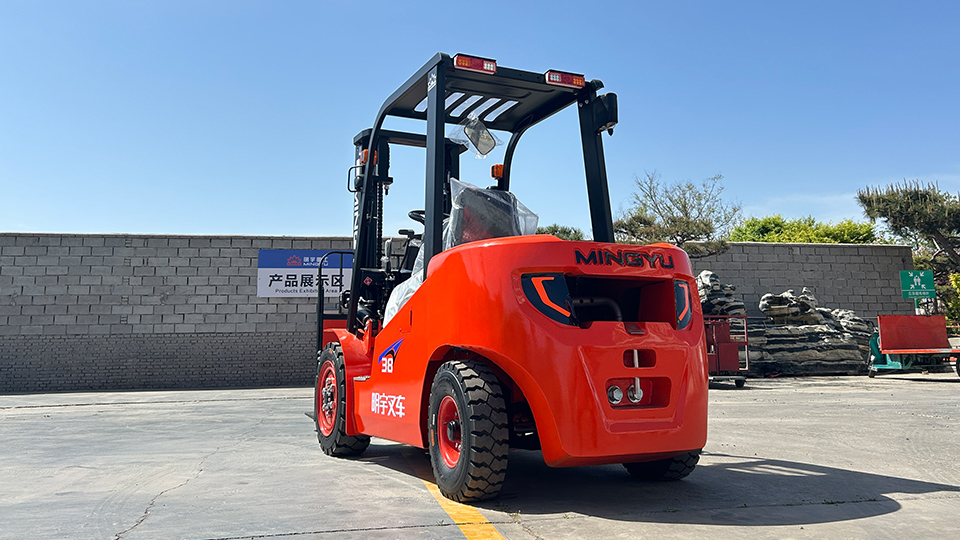
Weather monitoring integration into operational planning enables proactive shutdown decisions. Visibility thresholds below 50 meters or wind chill factors below -30°C should trigger outdoor operation suspension. Automated weather alert systems provide advance notice for fleet winterization activation.
Conclusion
Winter and rainy season forklift operations demand a systematic, multi-layered approach to safety and equipment preservation. The integration of anti-freezing protocols for power and hydraulic systems, moisture-proofing of electrical components, and comprehensive anti-slip measures creates resilient operational capability. Success requires moving beyond reactive maintenance to predictive preparation—transitioning fluids before temperature drops, installing tire chains before ice formation, and training operators before seasonal onset.
The economic case for winter preparation is compelling. Unplanned downtime costs during peak winter demand periods typically exceed preventive maintenance investments by factors of 5:1 or greater. More importantly, rigorous seasonal protocols protect the most valuable asset: operator safety. As material handling operations increasingly extend through adverse weather conditions to meet continuous supply chain demands, the technical measures outlined in this article provide the foundation for sustainable, year-round productivity without compromising safety standards.
Organizations must view seasonal adaptation not as a burden but as an integral component of professional fleet management. The convergence of proper equipment specification, disciplined maintenance practices, and educated operators creates a culture of resilience that transforms winter and rainy season challenges from operational threats into manageable variables within a comprehensive risk management framework.
Name: selena
Mobile:+86-13176910558
Tel:+86-0535-2090977
Whatsapp:8613181602336
Email:vip@mingyuforklift.com
Add:Xiaqiu Town, Laizhou, Yantai City, Shandong Province, China
