
vip@mingyuforklift.com
+86-0535-2090977

Introduction
Dual-fuel forklifts, operating on both liquefied petroleum gas (LPG) and gasoline, present unique safety and maintenance challenges that demand specialized knowledge, rigorous procedural discipline, and unwavering regulatory compliance. The integration of two distinct fuel systems within a single piece of material handling equipment introduces compounded hazards—pressurized gas storage alongside volatile liquid fuel, each with its own combustion characteristics, leak behaviors, and emergency response requirements. Effective safety management and maintenance programs for dual-fuel forklifts must address these complexities systematically, ensuring that operational benefits do not compromise personnel safety, equipment integrity, or environmental protection. This comprehensive technical guide examines the regulatory framework, safety protocols, and maintenance practices essential for responsible dual-fuel forklift operations.
Regulatory Framework and Compliance Obligations
Occupational Safety and Health Administration Standards
The Occupational Safety and Health Administration (OSHA) establishes the foundational regulatory structure governing dual-fuel forklift operations in the United States. Standard 29 CFR 1910.178, "Powered Industrial Trucks," provides comprehensive requirements for forklift design, operation, and maintenance, with specific provisions addressing fuel-related hazards. This standard mandates that all forklifts, including dual-fuel configurations, meet applicable design and construction requirements established by recognized testing laboratories such as the American National Standards Institute (ANSI) and the Industrial Truck Standards Development Foundation (ITSDF).
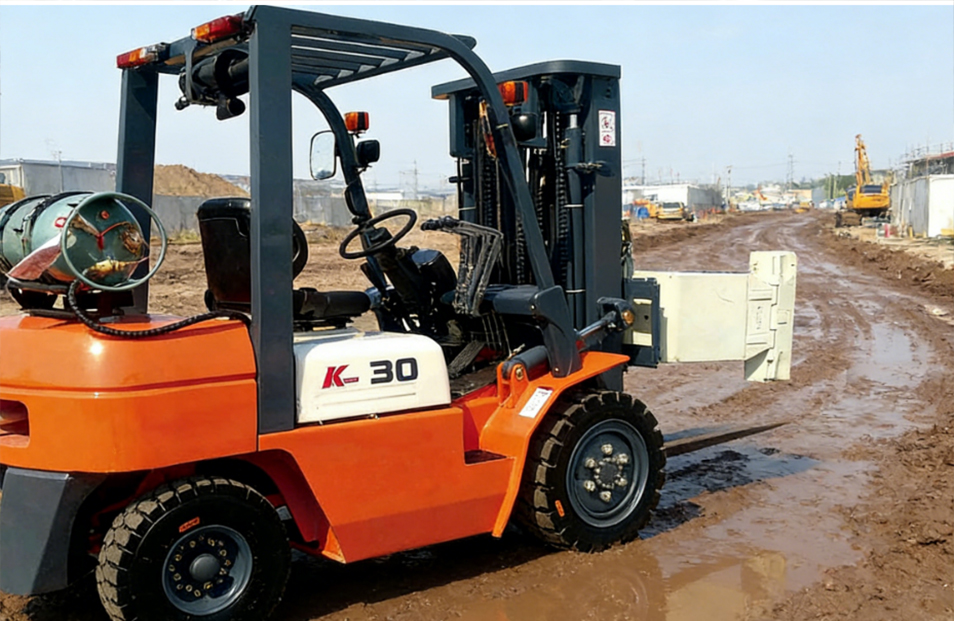
OSHA Standard 1910.110, "Storage and Handling of Liquefied Petroleum Gases," establishes detailed requirements specifically applicable to LPG systems. These provisions govern cylinder specifications, filling procedures, valve requirements, pressure relief devices, and fire protection measures. For dual-fuel forklifts, compliance with both standards is mandatory, creating an overlapping regulatory framework that demands integrated compliance strategies.
The OSHA Hazard Communication Standard (1910.1200) requires employers to maintain Safety Data Sheets (SDS) for both gasoline and LPG, ensure proper labeling of fuel containers and storage areas, and provide employee training on chemical hazards and protective measures. This standard intersects with forklift operations through fuel handling, storage, and emergency response procedures.
Department of Transportation Regulations
LPG cylinders used on forklifts fall under Department of Transportation (DOT) jurisdiction through 49 CFR specifications. Cylinders must bear current DOT certification marks, including the specification number (typically DOT-4BA, DOT-4BW, or DOT-4E), the service pressure rating, the original test date, and the retest date. Cylinders must undergo periodic requalification, typically every 5, 10, or 12 years depending on the specification and method, with visual inspections required at shorter intervals.
Transportation of LPG cylinders, whether by the forklift itself during relocation or by separate vehicles for filling, triggers DOT hazardous materials regulations. These rules specify packaging requirements, labeling, placarding, shipping papers, and driver training for hazardous materials transportation. Even routine cylinder exchange operations may implicate these requirements when quantities exceed specified thresholds.
National Fire Protection Association Codes
The National Fire Protection Association (NFPA) publishes consensus codes that, while not themselves regulations, are frequently adopted by reference into federal, state, and local law. NFPA 58, "Liquefied Petroleum Gas Code," provides comprehensive requirements for LPG storage, handling, and use that directly apply to forklift operations. Key provisions include cylinder storage limitations, distance requirements from buildings and ignition sources, and fire protection system specifications.
NFPA 30, "Flammable and Combustible Liquids Code," governs gasoline storage and handling. For dual-fuel forklift operations, compliance with both NFPA 58 and NFPA 30 creates a complex regulatory environment where fuel-specific requirements must be simultaneously satisfied.
Environmental Protection Agency Requirements
The Environmental Protection Agency (EPA) regulates fuel storage systems through the Spill Prevention, Control, and Countermeasure (SPCC) rule and the Underground Storage Tank (UST) program. Facilities with aggregate aboveground oil storage capacity exceeding 1,320 U.S. gallons or individual underground tanks must comply with these programs, which include engineering-certified plans, regular integrity testing, and secondary containment requirements.
Emissions regulations under the Clean Air Act increasingly affect forklift fuel choices and operational practices. While forklifts are generally exempt from on-road vehicle emission standards, state implementation plans and local air quality management districts may impose operational restrictions, particularly for indoor applications where air quality directly affects worker health.
State and Local Regulations
State and local regulations frequently exceed federal minimums, creating a patchwork of requirements that operators must navigate. Fire codes, administered by local authorities having jurisdiction (AHJ), govern fuel storage quantities, locations, and protection systems. Air quality districts in non-attainment areas may restrict gasoline operation or mandate emission controls. Building codes affect fuel system installation and facility design.
California's Proposition 65 and similar state right-to-know laws impose additional labeling and notification requirements for fuel handling areas. State occupational safety programs, operating under OSHA-approved plans, may establish requirements that differ from federal standards. Comprehensive compliance programs must identify and address all applicable state and local requirements.
Safety Management Systems
Hazard Identification and Risk Assessment
Effective safety management begins with systematic hazard identification. For dual-fuel forklifts, hazard categories include:
Pressurized Gas Hazards: LPG cylinders contain energy stored as compressed liquid and vapor. Cylinder rupture, valve failure, or uncontrolled release creates explosion and fire risks. The rapid expansion of released gas can generate powerful pressure waves, while the formation of vapor clouds creates explosion hazards if ignited.
Flammable Liquid Hazards: Gasoline presents fire and explosion risks through vapor release. Gasoline vapors are heavier than air, accumulating in low-lying areas and creating flash fire hazards. Static electricity during transfer operations can provide ignition energy sufficient to initiate combustion.
Toxic Exposure Hazards: Both fuels produce carbon monoxide during incomplete combustion, presenting acute poisoning risks in enclosed or poorly ventilated spaces. LPG is odorized with ethyl mercaptan to facilitate leak detection, but the odorant itself may cause nausea or respiratory irritation at high concentrations.
Physical Hazards: Cylinder handling presents ergonomic and crush hazards. Full LPG cylinders weigh substantially more than empty cylinders, requiring proper lifting techniques or mechanical assistance. Cylinder valve components may project, creating puncture or impact hazards.
Risk assessment evaluates hazard likelihood and consequence severity to prioritize control measures. Documented risk assessments, reviewed periodically and following incidents, provide the foundation for safety program development.
Engineering Controls
Engineering controls reduce hazards through physical system design. For dual-fuel forklifts, essential engineering controls include:
Ventilation Systems: Indoor operations require mechanical ventilation capable of maintaining fuel vapor concentrations below 25 percent of the lower explosive limit (LEL). Ventilation design must account for potential leak scenarios, not merely normal operation. Emergency ventilation systems may be required for high-volume storage or handling areas.
Gas Detection Systems: Fixed LPG detectors with alarm outputs provide early warning of leaks before concentrations reach dangerous levels. Detector placement considers LPG density (heavier than air) and potential leak sources. Regular calibration and maintenance ensure detector reliability.
Fire Suppression Systems: Fuel storage and handling areas require appropriate fire suppression, typically dry chemical or carbon dioxide systems for LPG, and foam systems for gasoline. Automatic suppression systems may be required for bulk storage installations.
Explosion Protection: Electrical equipment in fuel handling areas must meet hazardous location classification requirements. NFPA 70, the National Electrical Code, specifies area classifications based on fuel presence likelihood, with corresponding equipment ratings.
Administrative Controls
Administrative controls manage hazards through procedures, training, and organizational practices:
Standard Operating Procedures (SOPs): Documented procedures govern every fuel-related activity, from pre-start inspections through refueling, switching, and emergency response. SOPs must be specific, actionable, and regularly updated to reflect equipment changes and lessons learned.
Permit Systems: Hot work permits, entry permits for confined spaces, and excavation permits prevent uncontrolled hazards in fuel handling areas. Permit issuance requires hazard assessment, control verification, and competent person authorization.
Scheduling and Routing: Operational planning minimizes simultaneous fuel handling activities, reducing exposure potential. Traffic patterns separate fuel handling zones from general operations where practical.
Personal Protective Equipment
Personal protective equipment (PPE) provides final-layer protection when engineering and administrative controls cannot fully eliminate hazards:
Eye and Face Protection: Safety glasses with side shields protect against fuel splash during refueling. Face shields provide additional protection for bulk transfer operations.
Hand Protection: Chemical-resistant gloves, typically nitrile or neoprene, prevent skin contact with fuels. Glove selection considers fuel compatibility, dexterity requirements, and wear duration.
Respiratory Protection: Organic vapor respirators protect against fuel vapor exposure during maintenance or emergency response. Respiratory protection programs must comply with OSHA 1910.134, including medical evaluation, fit testing, training, and maintenance.
Foot and Body Protection: Safety-toe footwear protects against cylinder handling hazards. Flame-resistant clothing may be warranted for bulk fuel handling operations.
Maintenance Program Structure
Preventive Maintenance Scheduling
Preventive maintenance (PM) for dual-fuel forklifts integrates conventional mechanical maintenance with fuel system-specific procedures. Maintenance intervals are typically specified in operating hours, with calendar-based supplements for low-utilization equipment.
Daily Maintenance (Every 8-10 Operating Hours): Pre-start inspections encompass fluid levels, tire condition, brake function, and visible damage. Fuel system checks include leak testing of LPG connections, verification of cylinder security, and inspection of fuel selector mechanism operation.
250-Hour Maintenance: Oil and filter changes, air filter inspection or replacement, drive belt tension check, spark plug inspection, and comprehensive fuel system leak testing. LPG pressure regulator function verification and mixer inspection.
500-Hour Maintenance: Fuel filter replacement, valve clearance adjustment, hydraulic filter replacement, cooling system inspection, and detailed examination of LPG hoses and fittings for deterioration.
1000-Hour Maintenance: Comprehensive engine tune-up, transmission service, brake system overhaul, mast and chain inspection, and LPG cylinder valve maintenance. Pressure regulator diaphragm inspection or replacement per manufacturer recommendation.
2000-Hour Maintenance: Major service including coolant replacement, hydraulic fluid replacement, comprehensive electrical system inspection, and engine compression testing. LPG system pressure testing and component replacement based on condition assessment.
Predictive Maintenance Technologies
Predictive maintenance leverages condition monitoring to optimize maintenance timing and prevent unexpected failures:
Oil Analysis: Periodic oil sampling and laboratory analysis detect fuel dilution, coolant contamination, wear metal accumulation, and additive depletion. Trending analysis identifies developing problems before symptoms appear.
Vibration Analysis: Engine and drivetrain vibration monitoring detects bearing deterioration, imbalance, misalignment, and mechanical looseness. Fuel system component vibration may indicate mounting problems or internal damage.
Thermal Imaging: Infrared thermography identifies abnormal temperatures in electrical connections, bearings, and fuel system components. Overheating LPG vaporizers or regulators indicate flow problems or cooling system deficiencies.
Gas Detection Monitoring: Continuous recording of LPG detector readings identifies low-level leaks that may not trigger alarms but indicate developing seal or connection problems.
Corrective Maintenance Procedures
Corrective maintenance addresses identified failures or deficiencies. For dual-fuel forklifts, corrective maintenance requires particular attention to fuel system safety:
Isolation and Depressurization: Before LPG system maintenance, close cylinder valves and consume or vent residual pressure. Verify zero pressure with appropriate gauges before disassembly. Never assume a closed valve provides complete isolation.
Purging and Inerting: Maintenance involving LPG system entry requires purging with inert gas (typically nitrogen) to displace flammable vapor. Oxygen concentration must be verified safe before personnel entry.
Hot Work Controls: Welding, grinding, or other ignition sources near fuel systems require hot work permits, fire watch personnel, and appropriate extinguishing equipment. Fuel lines must be physically disconnected and blanked, not merely valve-isolated.
Reassembly and Testing: Post-maintenance reassembly requires torque specification adherence, leak testing at operating pressure, and functional verification before return to service. Documentation records maintenance actions, parts replaced, and test results.
Fuel System Maintenance Specifics
LPG System Component Maintenance
Cylinders: Visual inspection at each exchange for damage, corrosion, and certification status. Internal inspection and requalification per DOT requirements. Valve maintenance including handwheel operation, pressure relief device inspection, and dip tube integrity verification.
Pressure Regulators (Vaporizers): The pressure regulator is the heart of the LPG system, converting liquid fuel to vapor using engine coolant heat. Diaphragm inspection and replacement at manufacturer-specified intervals prevents failure modes including fuel lock, over-pressure, and external leakage. Coolant passage inspection ensures adequate heat transfer; scale or corrosion reduces vaporization capacity.
Mixers: The mixer combines vaporized LPG with combustion air. Carbon deposit accumulation affects mixture ratio and flow characteristics. Periodic cleaning maintains proper air-fuel ratio. Piston-type mixers require inspection for wear and binding; diaphragm-type mixers require diaphragm integrity verification.
Hoses and Fittings: Flexible LPG hoses deteriorate from age, ozone exposure, and flexing. Replacement intervals, typically 5-7 years maximum regardless of apparent condition, prevent catastrophic failure. Fitting inspection includes thread condition, sealing surface integrity, and proper torque.
Filters: LPG filters protect downstream components from particulate contamination. Filter replacement prevents restriction that reduces fuel delivery and causes lean mixture problems.
Gasoline System Component Maintenance
Fuel Tank: Inspection for corrosion, damage, and leakage. Vent system verification prevents pressure or vacuum buildup that affects fuel delivery. Cap seal integrity prevents evaporative emissions and water contamination.
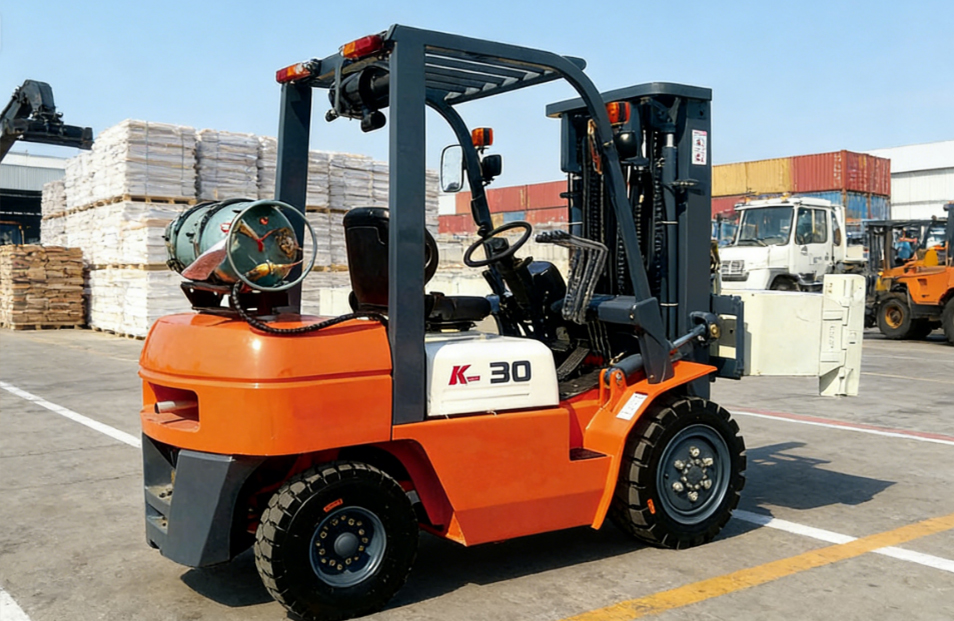
Fuel Lines: Replacement of deteriorated hoses before failure. Metal line inspection for corrosion and abrasion. Proper routing away from heat sources and moving components.
Carburetor/Fuel Injection: Cleaning and adjustment to maintain proper mixture ratio. Float level verification for carbureted systems. Injector flow testing and cleaning for fuel-injected engines. Choke and throttle linkage adjustment.
Fuel Pump: Pressure and volume testing verifies adequate delivery capacity. Electrical connection inspection prevents intermittent operation.
Emergency Response and Incident Management
Leak Response Procedures
Despite preventive measures, fuel leaks may occur. Structured response minimizes consequences:
LPG Leak Response: Upon leak detection, immediately eliminate ignition sources without creating sparks. Do not operate electrical switches, which may arc. Evacuate personnel from the affected area. If safe to do so, close the cylinder valve to stop the leak. If valve closure is not possible or safe, evacuate a wider area and contact emergency services. LPG vapors dissipate with ventilation; do not attempt to suppress vapor with water, which is ineffective.
Gasoline Leak Response: Eliminate ignition sources. Contain spilled liquid using absorbent materials or spill berms. Prevent spread toward drains or ignition sources. Ventilate enclosed areas. Report significant spills to environmental authorities per regulatory requirements.
Fire Emergency Response
Fuel fires require appropriate extinguisher selection and technique:
LPG Fires: Small fires at the point of leakage may be extinguished with dry chemical extinguishers if the leak can be simultaneously stopped. If the leak cannot be stopped, allow the fire to continue while cooling exposed cylinders with water spray to prevent rupture. Extinguishing a large LPG fire without stopping the leak creates an explosive vapor cloud hazard.
Gasoline Fires: Foam extinguishers are most effective, creating a blanket that suppresses vapors. Dry chemical extinguishers are also effective. Water is ineffective on gasoline fires and may spread burning liquid.
Incident Investigation
Post-incident investigation identifies root causes and prevents recurrence. Investigation teams should include operational, maintenance, and safety expertise. Analysis examines immediate causes, contributing factors, and systemic deficiencies. Corrective actions address all identified levels, with verification of implementation effectiveness.
Training and Competency Assurance
Operator Training Requirements
OSHA requires that forklift operators be trained and evaluated for the specific equipment they operate, including fuel-specific hazards. Dual-fuel forklift training must address:
Fuel properties and hazards
System component identification and function
Pre-start inspection procedures, including leak detection
Fuel switching procedures and prohibitions
Refueling safety protocols
Emergency response actions
Regulatory compliance requirements
Initial training combines formal instruction, practical demonstration, and hands-on practice. Evaluation confirms competency before unsupervised operation. Refresher training is required at least every three years, and following incidents, near-misses, or observed deficiencies.
Maintenance Technician Qualification
Maintenance personnel require specialized training beyond general mechanical skills. LPG system maintenance demands understanding of pressurized gas hazards, proper isolation procedures, and regulatory requirements. Certification programs, such as those offered by the National Propane Gas Association, provide recognized competency credentials.
Technicians must maintain currency with equipment-specific training from manufacturers. New technologies, including electronic fuel management systems and advanced emission controls, require ongoing education.
Documentation and Record Retention
Training records must document content, attendance, evaluation results, and instructor qualifications. OSHA requires retention for the duration of employment plus specified periods. Maintenance records, including inspection findings, service actions, and test results, support warranty claims, regulatory inspections, and incident investigations.
Conclusion
Safety regulations and maintenance for dual-fuel forklifts constitute a complex, interdependent discipline where regulatory compliance, technical proficiency, and organizational commitment converge. The dual-fuel configuration's operational flexibility is realized only through rigorous adherence to safety protocols that address the compounded hazards of pressurized gas and flammable liquid systems.
Effective programs integrate regulatory compliance into operational culture, moving beyond checkbox adherence to genuine hazard understanding and risk reduction. Maintenance excellence prevents the equipment failures that precipitate incidents, while emergency preparedness ensures appropriate response when preventive measures prove insufficient.
As regulatory requirements evolve, emission standards tighten, and operational demands intensify, the fundamentals remain constant: systematic hazard identification, layered control implementation, competent personnel development, and continuous improvement driven by incident learning and technological advancement. Organizations that embrace these principles achieve not merely compliance, but the operational excellence that distinguishes industry leaders.
Name: selena
Mobile:+86-13176910558
Tel:+86-0535-2090977
Whatsapp:8613181602336
Email:vip@mingyuforklift.com
Add:Xiaqiu Town, Laizhou, Yantai City, Shandong Province, China
