
vip@mingyuforklift.com
+86-0535-2090977

Abstract
The shutdown sequence of a dual-fuel forklift's fuel system represents a critical safety procedure that directly impacts operator safety, equipment longevity, and regulatory compliance. Unlike conventional single-fuel forklifts, dual-fuel systems operating on both liquefied petroleum gas (LPG) and gasoline require a carefully choreographed shutdown sequence to prevent fuel trapping, pressure accumulation, and potential ignition hazards. This article provides a comprehensive technical analysis of the fuel system shutdown sequence, examining the mechanical, electrical, and hydraulic interactions that occur during the pre-engine-stop phase, with particular emphasis on LPG system depressurization, residual fuel purging, and the safety interlocks that govern these processes.
1. Introduction
Dual-fuel forklifts have become increasingly prevalent in material handling operations due to their operational flexibility and environmental adaptability. These vehicles can operate on either LPG or gasoline, allowing operators to select the most appropriate fuel based on indoor air quality requirements, fuel availability, and operational demands . However, this flexibility introduces complexity in shutdown procedures that single-fuel systems do not encounter.
The shutdown sequence is not merely an operator convenience—it is an engineered safety protocol designed to address the unique hazards of pressurized LPG systems. LPG is stored as a liquid under pressure (typically 100–200 psi at ambient temperature) and vaporizes at -44°F (-42°C) when depressurized . This physical characteristic means that any residual pressurized fuel in the system after engine shutdown represents a potential leak hazard. The shutdown sequence must therefore systematically eliminate this risk.
This article examines the complete shutdown sequence from the moment the operator initiates the stop procedure through to the final engine cessation, analyzing each subsystem's role and the engineering rationale behind the prescribed steps.
2. System Architecture and Pre-Shutdown State
2.1 Fuel System Configuration
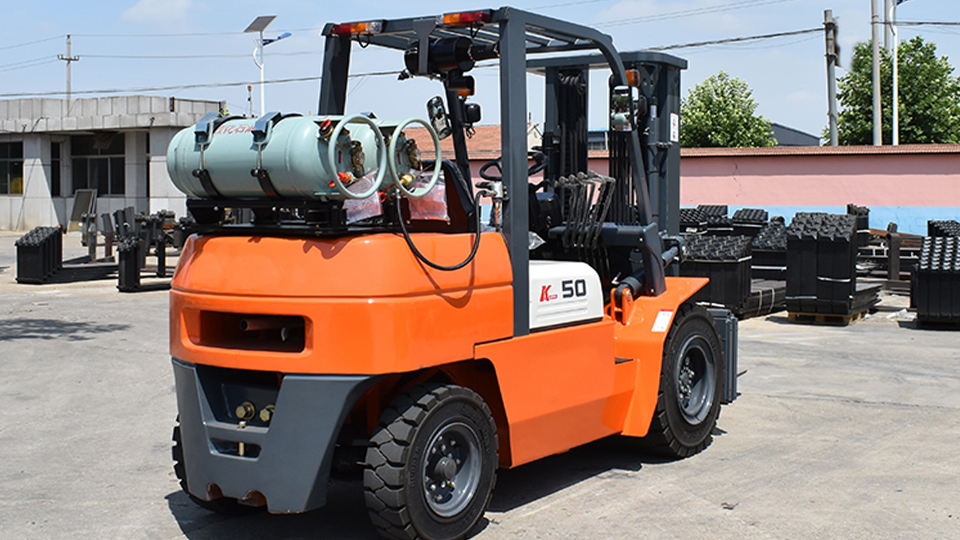
A dual-fuel forklift integrates two distinct fuel delivery systems unified under a central control mechanism. Understanding the pre-shutdown state of each subsystem is essential for comprehending the shutdown sequence.
LPG Subsystem Components:
Pressurized LPG cylinder with manual outlet valve (typically colored red for identification)
High-pressure liquid fuel line from cylinder to vaporizer/regulator
Vaporizer/regulator assembly (engine coolant-heated, converting liquid LPG to vapor at 3.5–5 PSI)
Low-pressure vapor line from regulator to mixer or fuel injectors
Safety lock-off solenoid valve (controlled by ECU)
Fuel selector switch with GAS/NEUTRAL/LPG positions
Gasoline Subsystem Components:
Standard fuel tank (rear-mounted)
Electric fuel pump
Carburetor or electronic fuel injection system
Dedicated fuel lines and filtration
Control Interface:
Three-position fuel changeover switch
Ignition key switch (OFF/ON/START)
ECU with fuel solenoid control outputs
2.2 Operational State Prior to Shutdown
During normal LPG operation, the system maintains the following state:
LPG cylinder outlet valve: fully open
Fuel changeover switch: LPG position
Safety lock-off solenoid: energized (open)
Vaporizer temperature: 70°C–85°C (engine coolant-heated)
Fuel pressure: 3.5–5 PSI at regulator output
Gasoline fuel pump: de-energized
Engine: running at operational speed
This state represents a dynamic equilibrium where fuel flow matches engine demand. The shutdown sequence must disrupt this equilibrium in a controlled manner that prevents hazardous fuel accumulation.
3. The Standard Shutdown Sequence: A Step-by-Step Technical Analysis
The shutdown sequence for a dual-fuel forklift after LPG operation follows a precise, manufacturer-specified protocol. While minor variations exist between manufacturers, the fundamental sequence remains consistent across major brands including UniCarriers, Hangcha, and GCT .
3.1 Step 1: Vehicle Stabilization and Neutral Position
Operator Action: Bring the forklift to a complete stop, lower forks to the ground, engage parking brake, and place the transmission in neutral.
Technical Rationale: Before any fuel system manipulation, the vehicle must be in a mechanically stable state. This prevents unintended movement during the shutdown sequence, which could be particularly dangerous if an LPG leak occurs. The neutral position ensures that no drivetrain load is applied to the engine during the subsequent idle phase, allowing the engine to run at minimum speed while consuming residual fuel.
Safety Interlock: Many modern dual-fuel systems incorporate a neutral-start interlock that also prevents fuel switching when the transmission is not in neutral. While not directly part of shutdown, this interlock reinforces the principle that fuel system changes require a stationary, neutral-state vehicle.
3.2 Step 2: Fuel Changeover Switch to Neutral Position
Operator Action: Rotate the fuel changeover switch from the LPG position to the NEUTRAL (middle) position.
Technical Rationale: This is the most critical step in the shutdown sequence. When the switch moves to NEUTRAL, several simultaneous actions occur:
LPG Solenoid De-energization: The ECU receives the neutral position signal and de-energizes the LPG safety lock-off solenoid valve. This valve, which was held open by electrical current during operation, spring-closes, cutting off LPG flow from the cylinder to the vaporizer .
Gasoline System Inactivation: The gasoline fuel pump remains de-energized, as the switch is not in the GAS position.
Fuel Supply Interruption: With both fuel systems effectively disabled, the engine receives no new fuel. However, residual fuel remains in the system components.
The neutral position is specifically designed as a "no-fuel" state. Unlike the GAS or LPG positions, which actively select a fuel source, NEUTRAL actively prevents fuel delivery from either system. This design ensures that no fuel can enter the engine during the shutdown phase unless it is already present in the system.
3.3 Step 3: Engine Idle Until Fuel Starvation
System Behavior: The engine continues to run, drawing fuel from the residual supply in the low-pressure vapor line, mixer, and intake manifold. As this residual fuel is consumed, the engine begins to run lean, then stalls due to fuel starvation.
Technical Analysis: The duration of this phase depends on several factors:
Residual fuel volume: The low-pressure vapor line between the regulator and mixer typically holds 50–200 mL of vaporized LPG at 3.5–5 PSI. The mixer and intake manifold may contain additional fuel-air mixture.
Engine displacement and idle speed: A 2.0L engine at 800 RPM consumes approximately 0.4–0.6 L/hour of fuel at idle. The residual vapor volume typically sustains operation for 15–45 seconds.
Vaporizer thermal mass: The heated vaporizer continues to vaporize any liquid LPG trapped in its chamber, extending the run-on period slightly.
Critical Safety Function: This fuel starvation phase serves the essential purpose of purging the entire low-pressure fuel system of combustible vapor. By allowing the engine to consume all residual LPG, the system eliminates the hazard of pressurized fuel remaining in the lines after shutdown .
Canadian Centre for Occupational Health and Safety (CCOHS) Guidance: The CCOHS explicitly recommends this procedure: "With the forklift engine running, dismount the forklift and close the valve on the cylinder. Run the engine until it is out of fuel, and it stops. This step ensures that the fuel supply hose is empty" .
3.4 Step 4: Ignition Key to OFF Position
Operator Action: After the engine has completely stopped, rotate the ignition key switch to the OFF position.
Technical Rationale: This step must only occur after engine cessation. Turning the key to OFF while the engine is still running would:
De-energize the ignition system, potentially causing unburned fuel to pass through the engine
Disable the ECU, preventing any safety monitoring
Create a risk of backfire if residual fuel ignites in the exhaust system
By waiting for complete engine stop, the operator ensures that all fuel has been consumed and no ignition source remains active. The OFF position then:
Opens the ignition circuit
De-energizes all ECU-controlled outputs
Disables the starter circuit
Typically activates any parking brake interlock systems
3.5 Step 5: LPG Cylinder Valve Closure (Extended Storage)
Operator Action: For extended parking or storage, fully close the LPG cylinder outlet valve (red valve).
Technical Rationale: Closing the cylinder valve isolates the high-pressure fuel source from the entire downstream system. This is particularly important for:
Leak prevention: Even with the solenoid valve closed, a small probability of valve leakage exists. Closing the manual cylinder valve provides a redundant isolation barrier.
Pressure relief: The closed cylinder valve ensures that any pressure in the high-pressure line cannot be replenished from the cylinder. If the vaporizer cools down, pressure will gradually equalize to ambient.
Long-term storage: Manufacturers explicitly recommend this step when the forklift will be stored for an extended period .
Post-Closure Verification: After closing the valve, operators should perform a leak check using soapy water solution or an electronic leak detector. Any hissing sound, frost formation, or bubble formation indicates a leak that requires immediate attention .
4. Gasoline-Mode Shutdown Comparison
When the forklift has been operating on gasoline, the shutdown sequence is significantly simpler:
Standard Gasoline Shutdown:
Bring vehicle to stop, neutral, parking brake engaged
Lower forks to ground
Turn ignition key to OFF position
Technical Differences from LPG Shutdown:
No Fuel Purging Required: Gasoline is stored at atmospheric pressure in the tank. The fuel pump de-energizes when the ignition is turned off, and the carburetor/fuel injection system retains only a small volume of liquid fuel at low pressure. There is no pressurized vapor hazard.
No Cylinder Valve: Gasoline systems lack a high-pressure isolation valve equivalent to the LPG cylinder valve.
Immediate Cessation: The engine stops immediately when ignition is cut, as there is no residual vapor supply to sustain combustion.
Fuel System Preservation: UniCarriers recommends parking the forklift with the fuel changeover switch in the GAS position if it will not be used for several hours. This facilitates easier starting on the next use, as gasoline systems do not require the warm-up period that LPG vaporizers need .
5. Engineering Safety Analysis
5.1 Hazard Identification
The shutdown sequence addresses several specific hazards inherent to LPG systems:
Hazard 1: Pressurized Fuel Trapping
Without proper purging, LPG vapor at 3.5–5 PSI remains trapped in the low-pressure lines. If a fitting loosens or a hose degrades, this pressurized fuel escapes rapidly. LPG vapor is heavier than air and accumulates in low-lying areas, creating explosion hazards.
Hazard 2: Liquid Propane in Lines
If the vaporizer is functioning correctly, only vapor should exist in the low-pressure lines. However, a malfunctioning vaporizer may allow liquid propane to pass through. Liquid propane expands approximately 270 times when vaporized. Trapped liquid in a closed line can generate extreme pressures as it warms, potentially rupturing components.
Hazard 3: Ignition During Maintenance
If fuel remains in the system during maintenance (e.g., cylinder replacement, regulator service), any spark or hot surface can ignite the vapor. The purging sequence ensures the system is fuel-free before maintenance begins.
Hazard 4: Restart Difficulties
A system with residual LPG in the lines may experience starting difficulties if the vaporizer has cooled down. The residual fuel may not vaporize properly, causing hard starting or flooding.
5.2 Failure Mode Analysis
Failure Mode: Operator Skips Purge Step
If an operator turns the ignition off immediately after moving the switch to NEUTRAL (without waiting for fuel starvation):
Residual LPG remains in the low-pressure system
The engine stops with unburned fuel in the intake manifold
Risk of backfire on next start attempt
Potential for fuel leak if system is disturbed before next use
Failure Mode: Solenoid Valve Stuck Open
If the LPG safety solenoid fails in the open position:
Moving the switch to NEUTRAL does not stop fuel flow
The engine continues to run indefinitely on LPG
The operator must manually close the cylinder valve to stop fuel supply
This scenario underscores the importance of the manual cylinder valve as a backup isolation mechanism
Failure Mode: Vaporizer Freeze-Up
If the vaporizer is cold (engine not at operating temperature):
Liquid LPG may not fully vaporize
The purge sequence may expel liquid rather than vapor
Liquid propane in the intake can cause severe engine damage (hydraulic lock)
Manufacturers specify that the engine should be at normal working temperature (70°C–85°C coolant) before fuel changes or shutdown procedures
5.3 Regulatory and Standards Compliance
The shutdown sequence aligns with multiple regulatory requirements:
OSHA 29 CFR 1910.178 (Powered Industrial Trucks):
Requires proper parking procedures including lowering forks, engaging brakes, and neutralizing controls. While not specific to fuel systems, the general safety principles support the comprehensive shutdown protocol.
NFPA 58 (Liquefied Petroleum Gas Code):
Mandates that LPG systems be equipped with emergency shutoff devices and that operators be trained in proper shutdown procedures. The manual cylinder valve serves as the required emergency shutoff.
CSA B149.2 (Canadian Propane Storage and Handling Code):
Requires leak checks after any cylinder change and specifies that systems be depressurized before maintenance. The purge sequence satisfies these requirements by ensuring line depressurization.
6. Advanced Control System Integration
6.1 Electronic Control Unit (ECU) Role
Modern dual-fuel forklifts incorporate sophisticated ECUs that manage the shutdown sequence. The ECU performs several critical functions:
Solenoid Control:
The ECU energizes the LPG lock-off solenoid only when:
Ignition is in ON or START position
Fuel selector switch is in LPG position
Engine is cranking or running (confirmed by RPM sensor)
No fault codes are present
During shutdown, the ECU de-energizes the solenoid within milliseconds of detecting the neutral switch position.
Ignition Timing Management:
During the fuel starvation phase, the ECU may retard ignition timing to prevent detonation as the mixture goes lean. This protects engine components from the damaging effects of lean combustion.
Diagnostic Monitoring:
The ECU monitors solenoid circuit continuity. If the solenoid fails to respond to the shutdown command, the ECU may log a fault code and illuminate a warning lamp, alerting maintenance personnel to the issue.
6.2 Automatic Shutdown Systems
Some advanced systems incorporate automatic shutdown features:
Idle Timeout:
If the engine idles for an extended period (typically 5–10 minutes) with no operator input, the system may automatically initiate the shutdown sequence to conserve fuel and reduce emissions.
Emergency Shutdown:
In the event of detected LPG leaks, engine overheating, or other critical faults, the ECU can automatically:
De-energize the LPG solenoid
Move the fuel selector to neutral (if electrically actuated)
Allow engine to purge and stop
Log the fault event for maintenance review
6.3 Telematics and Fleet Management
Modern forklifts with CAN bus connectivity can transmit shutdown event data to fleet management systems. This enables:
Monitoring of operator compliance with proper shutdown procedures
Detection of abnormal shutdown patterns (e.g., frequent skipped purge steps)
Predictive maintenance based on solenoid cycle counts and response times
Fuel consumption tracking by mode (LPG vs. gasoline)
7. Maintenance Implications of Shutdown Procedures
7.1 Component Wear Analysis
The shutdown sequence subjects several components to specific wear patterns:
LPG Lock-Off Solenoid:
Each shutdown cycle de-energizes the solenoid, causing the valve to close against its seat. Over thousands of cycles, the valve seat may wear, potentially leading to leakage. Manufacturers typically specify solenoid inspection intervals of 1,000–2,000 operating hours.
Fuel Changeover Switch:
Mechanical switches experience contact wear. The neutral position is particularly critical, as improper contact in this position could prevent proper solenoid de-energization. Switch inspection should verify crisp detent feel and clean contact surfaces.
Vaporizer/Regulator:
Thermal cycling during shutdown (hot vaporizer cooling to ambient) can cause seal degradation. The purge sequence ensures the vaporizer is empty of liquid LPG during cooldown, preventing thermal shock to internal components.
7.2 Preventive Maintenance Schedule
Daily (Operator Level):
Verify proper shutdown sequence completion
Check for fuel odors after shutdown (indicates leak)
Confirm cylinder valve closes fully
Weekly:
Inspect LPG lines for wear or damage
Check solenoid electrical connections
Verify fuel selector switch operation
Monthly:
Perform leak test with soapy water solution
Inspect vaporizer for proper mounting and heat shield integrity
Check cylinder mounting bracket and retaining straps
Annually (or per manufacturer specification):
Replace LPG filter element
Inspect and test lock-off solenoid valve
Calibrate regulator output pressure
Test emergency shutdown functionality
8. Operator Training and Human Factors
8.1 Training Requirements
Proper shutdown sequence execution requires comprehensive operator training that addresses:
Cognitive Understanding:
Operators must understand why each step is necessary, not merely memorize the sequence. Understanding the physics of pressurized LPG systems and the consequences of improper shutdown reinforces compliance.
Muscle Memory:
Through repeated practice, the shutdown sequence should become automatic. This is particularly important in emergency situations where cognitive load is high.
Hazard Recognition:
Operators must be able to recognize abnormal conditions during shutdown, such as:
Engine failing to stop after moving switch to neutral (solenoid stuck open)
Fuel odors persisting after purge (leak in system)
Unusual noises during fuel starvation phase (liquid propane in lines)
8.2 Common Operator Errors
Error 1: Rushing the Purge Step
Operators under time pressure may turn the ignition off before the engine fully stops. Training must emphasize that the 15–45 second purge period is non-negotiable.
Error 2: Forgetting Cylinder Valve Closure
For short breaks, operators may leave the cylinder valve open. While acceptable for brief stops, this practice becomes hazardous during extended parking. Clear policies should define when valve closure is required.
Error 3: Improper Sequence Order
Some operators may close the cylinder valve before moving the switch to neutral. While this achieves fuel cutoff, it bypasses the engineered solenoid control and may cause the engine to ingest air, leading to rough running or backfire.
9. Conclusion
The fuel system shutdown sequence in dual-fuel forklifts represents a carefully engineered safety protocol that addresses the unique hazards of pressurized LPG systems. The five-step sequence—vehicle stabilization, switch to neutral, engine purge via fuel starvation, ignition cutoff, and cylinder valve closure—ensures that no combustible fuel remains trapped in the system after engine stop.
This sequence reflects fundamental principles of process safety: isolation of energy sources, verification of zero energy state, and redundant protective measures. The LPG lock-off solenoid provides automatic isolation, while the manual cylinder valve offers manual backup. The fuel starvation purge verifies that the low-pressure system is depressurized and fuel-free.
As dual-fuel forklift technology advances, with electronic control systems, telematics integration, and automated safety features, the core shutdown principles remain unchanged. The physical properties of LPG—its storage pressure, vaporization characteristics, and combustion behavior—dictate that a methodical, sequential shutdown will always be necessary.
For fleet managers, maintenance personnel, and operators, understanding the technical rationale behind each shutdown step is essential for ensuring consistent compliance, preventing accidents, and maximizing equipment service life. The shutdown sequence is not merely an operational procedure—it is a critical safety system that protects personnel, property, and the operational integrity of the material handling environment.
Name: selena
Mobile:+86-13176910558
Tel:+86-0535-2090977
Whatsapp:8613181602336
Email:vip@mingyuforklift.com
Add:Xiaqiu Town, Laizhou, Yantai City, Shandong Province, China