
vip@mingyuforklift.com
+86-0535-2090977

1. Purpose and Scope
This Standard Operating Procedure (SOP) establishes the standardized workflow for replacing liquefied petroleum gas (LPG) cylinders on dual-fuel forklifts, ensuring operator safety, equipment integrity, and operational environment security. This procedure applies to all internal combustion counterbalanced forklifts equipped with LPG/gasoline dual-fuel systems, covering the entire process from pre-replacement preparation, replacement operations, post-installation inspection, to emergency response procedures.
2. Pre-Operation Preparation
2.1 Personnel Qualification Requirements
Operators must hold a valid forklift operator's license and special equipment operator certification
Must have completed specialized LPG cylinder replacement safety training and passed the qualification examination
Must be familiar with the structure and operating principles of the dual-fuel forklift LPG system
2.2 Work Environment Verification
Inspection Item Standard Requirement Verification Method
Ventilation conditions Outdoors or well-ventilated area Visual confirmation
Open flames/heat sources No open flames, heat sources, or ignition sources within 10 meters Visual confirmation
Ground conditions Level, firm, no low-lying water accumulation Visual confirmation
Firefighting equipment Dry powder fire extinguisher (≥4 kg) available On-site inspection
Warning signs "No Smoking or Open Flames" warning sign posted Visual confirmation
Environmental Safety Requirements: Cylinder refueling or replacement must be conducted outdoors in a well-ventilated, safe location. Open flames, heat sources, ignition sources, and low-lying areas (to prevent LPG accumulation) are strictly prohibited within the surrounding area.
2.3 Personal Protective Equipment (PPE)
Cut-resistant and puncture-resistant gloves (leather or rubber material): Prevent cuts from metal edges of cylinder valves and piping, and avoid low-temperature frostbite—when the cylinder valve is opened, liquid inside vaporizes and absorbs substantial heat, causing the valve and gas pipe to cool rapidly; contact may cause frostbite or even skin adhesion
Safety shoes (impact-resistant, puncture-resistant)
Safety goggles
High-visibility vest
2.4 Tools and Materials Preparation
Soapy water or electronic leak detector
Wrench (size matching cylinder fitting)
New cylinder (inspected and qualified, within validity period)
Record form (cylinder replacement log)
3. Standard Cylinder Replacement Workflow
3.1 Phase 1: Forklift Stabilization and System Shutdown
Step 3.1.1 — Forklift Positioning
Drive the forklift to the designated cylinder replacement area
Come to a complete stop, lower forks to the ground
Apply the parking brake, shift transmission to neutral
Turn off the ignition switch, shut down the engine
Operator dismounts from the operator's seat
Step 3.1.2 — Close Cylinder Manual Valve
Put on protective gloves
Rotate the manual valve (red valve) on the cylinder clockwise until fully closed
Note: The valve closing direction is clockwise, opposite to conventional water faucets
Step 3.1.3 — Residual Fuel Purge
Rotate the fuel selector switch to the NEUTRAL/OFF position
Restart the engine (using only residual LPG in the piping)
Allow the engine to idle until residual fuel in the piping is consumed and the engine stalls automatically
Purpose: Purge residual LPG from the low-pressure piping to prevent leakage during disassembly
Technical Note: This step is critical for cylinder replacement safety. If the residual LPG at 3.5–5 PSI in the low-pressure piping is not purged, fuel will spray out when the quick-connect fitting is disconnected, creating a combustible gas cloud.
3.2 Phase 2: Old Cylinder Removal
Step 3.2.1 — Confirm System Depressurization
Observe the pressure gauge (if equipped) and confirm the reading is zero
Gently touch the low-pressure piping fitting and confirm no gas flow sound
Step 3.2.2 — Disconnect Quick-Connect Fitting
The cylinder overflow valve outlet is equipped with a quick-connect fitting; both male and female fittings contain internal check valves
Rotate and separate the quick-connect fitting
Note: Due to the check valves, neither end will leak substantially, but a small amount of residual gas may escape (this is normal)
Secure the female fitting to the male fitting on the bracket to prevent the hose from swinging freely and causing accidents
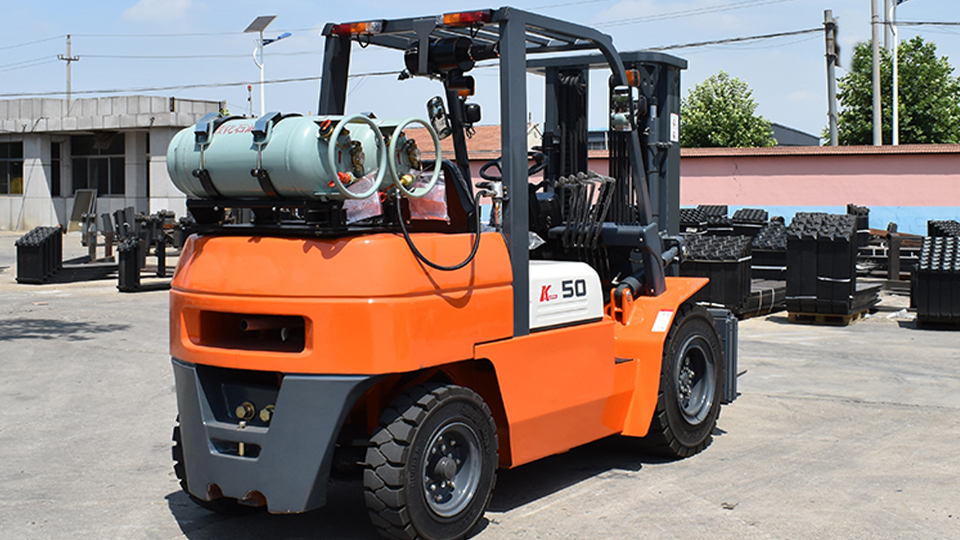
Step 3.2.3 — Remove Cylinder Retaining Device
Loosen the cylinder bracket retaining strap/latch
Carefully remove the cylinder from the bracket
Strictly Prohibited: Impacting, dropping, or rolling cylinders on the ground
Step 3.2.4 — Old Cylinder Disposal
Place the old cylinder in an upright position
Move to the designated empty cylinder temporary storage area
Ensure the valve protection cap is intact
Record the old cylinder serial number and estimate remaining quantity
3.3 Phase 3: New Cylinder Installation
Step 3.3.1 — New Cylinder Inspection
表格
Inspection Item Acceptance Criteria Non-Conforming Disposition
Inspection validity period Within validity period Reject and return to supplier
Cylinder exterior No obvious dents, scratches, or corrosion Reject
Valve assembly Operates normally, no damage, no leakage Reject
Safety relief valve Outlet not blocked, protection cap intact Clean or replace
Liquid level gauge Displays normally Record initial liquid level
Cylinder Usage Requirements: Must select a formal supply station; never use cylinders that have exceeded their inspection period. Cylinder contents must not be completely used up; a residual amount of not less than 0.5% of the specified filling quantity must remain.
Step 3.3.2 — Cylinder Positioning and Installation
Position and install the cylinder according to the orientation arrow (pointing upward) on the cylinder end face
Carefully place the cylinder into the forklift rear bracket
Ensure the cylinder valve is oriented in a direction convenient for operation
The cylinder outlet direction must never be pointed toward personnel
Step 3.3.3 — Connect Quick-Connect Fitting
Align the female fitting on the low-pressure piping with the male fitting on the cylinder valve
Tighten the connection to ensure sealing
Check that the O-ring/sealing gasket is intact
Step 3.3.4 — Secure Cylinder
Tighten the cylinder bracket retaining strap/latch
Confirm the cylinder is installed securely with no movement
The bracket must be firmly installed to prevent cylinder displacement during travel
3.4 Phase 4: Leak Detection and System Startup
Step 3.4.1 — Open Cylinder Valve
Slowly open the cylinder manual valve in the counterclockwise direction
Observe whether there are abnormal sounds at the valve and fitting
Confirm the valve is fully open (typically 1.5–2 turns)
Step 3.4.2 — Leak Detection
Method 1: Soapy Water Leak Test
Use a soft brush to apply soapy water to the following locations:
Cylinder valve to cylinder body connection
Quick-connect fitting connection
Low-pressure piping joints
Regulator/vaporizer interfaces
Observe for 15–30 seconds
Acceptance Criteria: Appearance of bubbles indicates leakage
Method 2: Electronic Leak Detector Method
Use a portable combustible gas detector
Slowly move the probe close to each connection point
Acceptance Criteria: Instrument alarm indicates leakage
Step 3.4.3 — Leak Remediation
If leakage is detected:
Immediately close the cylinder valve
Maintain ventilation to disperse accumulated gas
Strictly prohibit switching any electrical equipment
Inspect and re-tighten the leaking fitting
Replace damaged sealing components
Re-perform leak detection until qualified
Step 3.4.4 — System Startup Verification
Confirm the fuel selector switch is in the LPG position
Rotate the ignition switch to the ON position
Start the engine (do not press the accelerator)
Observe engine operating conditions:
Stable idle
No abnormal noise, no abnormal vibration
Normal exhaust (no black smoke, no unusual odor)
Check that the pressure gauge reading is normal (3.5–5 PSI)
Warm up the engine for 2–3 minutes (especially in cold weather) to ensure coolant warms up and flows into the vaporizer
4. Special Considerations for Dual-Fuel Systems
4.1 Fuel Switching Backup
When the LPG in the cylinder is nearly depleted, the operator will noticeably feel reduced engine power. At this time:
The dual-fuel system can be immediately switched to gasoline mode to continue operation
Switching method: Rotate the fuel selector switch directly to the GAS (gasoline) position
No need to pause at the intermediate position
4.2 Gasoline System Maintenance
When dual-fuel forklifts primarily use LPG as fuel, the gasoline system may experience the following issues from long-term idleness:
Fuel line embrittlement
Carburetor clogging
Fuel pump failure
Maintenance Requirements: Keep at least 1/4 fuel in the gasoline tank; it is recommended to burn approximately 10 kg of gasoline monthly to ensure the gasoline system does not malfunction due to extended idleness.
5. Safety Prohibitions and Emergency Response
5.1 Absolute Prohibitions
表格
No. Prohibited Behavior Consequence
1 Replacing cylinders while the forklift is moving or the engine is running Fuel leakage causing fire/explosion
2 Replacing cylinders indoors or in poorly ventilated areas LPG accumulation causing asphyxiation/explosion
3 Impacting, dropping, or rolling cylinders on the ground Cylinder damage, valve breakage, leakage
4 Using cylinders that have exceeded inspection period or are damaged Cylinder rupture, serious accident
5 Pointing cylinder valve outlet toward personnel Unexpected valve opening causing personnel injury
6 Using non-explosion-proof tools or generating sparks Igniting leaked LPG
7 Unauthorized disassembly or adjustment of safety relief valve Loss of overpressure protection function
5.2 Emergency Response Procedures
Scenario 1: Cylinder Leakage
Immediately close the cylinder valve (rotate clockwise to tighten)
Evacuate surrounding personnel and establish a cordoned area
Open ventilation equipment or provide natural ventilation
Strictly prohibit switching any electrical equipment
Go to a safe outdoor area and call emergency services
Scenario 2: Cylinder Fire
If the valve is intact: Cover the valve with a wet towel and close it
If the valve is damaged: Quickly evacuate to a safe outdoor area
Call 119 (fire department); do not attempt self-remediation
Scenario 3: Personnel Frostbite
Immediately move away from the low-temperature source
Soak the frostbitten area in warm water below 40°C
Do not rub or apply heat
Seek medical treatment
6. Documentation and Archiving
Each cylinder replacement must be recorded on the "LPG Cylinder Replacement Log," including:
Record Item Filling Requirement
Replacement date/time Accurate to the minute
Forklift number Consistent with equipment registry
Old cylinder number Cylinder body stamped number
New cylinder number Cylinder body stamped number
New cylinder inspection validity period Year/month/day
New cylinder initial liquid level Gauge reading or weight
Leak detection result Pass/Fail, detection method
Operator signature Handwritten signature
Supervisor signature If applicable
Records must be retained for no less than 3 years for audit purposes.
7. Training and Assessment
7.1 Training Content
LPG physical properties and hazards
Dual-fuel forklift LPG system structure
All operational procedures in this SOP
Leak detection methods
Emergency response procedures
7.2 Assessment Requirements
Theoretical examination: ≥80 points to pass
Practical assessment: Independently complete the full cylinder replacement process without violations
Refresher training cycle: At least annually
Name: selena
Mobile:+86-13176910558
Tel:+86-0535-2090977
Whatsapp:8613181602336
Email:vip@mingyuforklift.com
Add:Xiaqiu Town, Laizhou, Yantai City, Shandong Province, China