
vip@mingyuforklift.com
+86-0535-2090977

Introduction
Cold starting represents one of the most technically demanding operational phases for internal combustion engines, and this challenge is amplified significantly in dual-fuel forklift configurations where operators must select between distinct fuel systems with fundamentally different cold-start characteristics. The fuel selected for cold starting influences not only immediate startability but also engine warm-up behavior, emission profiles, component longevity, and operational readiness timelines. For material handling operations where equipment availability directly impacts supply chain throughput, suboptimal cold-start fuel selection can cascade into productivity losses, maintenance cost escalation, and regulatory compliance failures.
The dual-fuel forklift market encompasses several architectural variants, each presenting unique cold-start decision landscapes. LPG-gasoline systems dominate indoor-outdoor versatile applications, diesel-natural gas configurations serve heavy-duty operations, and emerging diesel-LPG hybrid systems address specialized requirements. Each configuration demands specific cold-start fuel selection strategies grounded in the thermophysical properties of available fuels, engine system design parameters, ambient environmental conditions, and operational context constraints.
This article provides a comprehensive technical analysis of cold-start fuel selection strategies for dual-fuel forklift systems. The analysis examines the scientific foundations governing cold-start behavior across fuel types, evaluates decision frameworks for various system architectures and operational scenarios, addresses environmental and regulatory considerations, and presents implementation strategies for organizations seeking to optimize cold-start performance while managing costs, emissions, and equipment reliability.
Thermophysical Foundations of Cold-Start Behavior
Fuel Vaporization and Ignition Characteristics
Cold-start performance is fundamentally governed by a fuel's capacity to achieve combustible air-fuel mixtures at low temperatures. Gasoline, a liquid fuel at atmospheric pressure, relies on atomization and vaporization from injector spray or carburetor discharge. At low temperatures, gasoline volatility decreases dramatically—vapor pressure may drop by 50% or more between 20°C and -10°C—impairing mixture formation and requiring richer mixtures to achieve ignitable conditions.
LPG exists as a pressurized liquid in storage but vaporizes upon pressure reduction through the regulator. This phase-change vaporization provides inherent mixture preparation advantages, as the fuel enters the intake system as a gas rather than liquid droplets. However, LPG vaporization is endothermic, absorbing heat from the surrounding environment and fuel system components. In cold conditions, inadequate heat availability can result in incomplete vaporization, liquid phase carryover, or regulator freeze-up that prevents fuel delivery entirely.
Diesel fuel exhibits substantially different cold-start characteristics due to its compression-ignition combustion principle. Rather than spark ignition of premixed vapor, diesel engines rely on compression heating to achieve auto-ignition temperatures. Cold starting demands adequate compression temperature and fuel spray atomization quality, both of which degrade at low temperatures. Diesel fuel itself becomes more viscous and prone to wax crystallization (cloud point and pour point phenomena) that can clog filters and fuel lines, preventing delivery to the injection system.
Natural gas, when employed in dual-fuel diesel systems, shares gaseous-phase mixture preparation advantages with LPG but typically requires even higher ignition energy or pilot fuel quantities for reliable cold starting due to its lower flame speed and narrower flammability limits compared to propane.
Engine System Thermal State
Cold-start fuel selection must account for the engine system's thermal state, which encompasses not merely ambient temperature but the temperature distribution across critical components. Engine block and cylinder head temperatures determine compression end temperatures for diesel ignition and heat transfer rates that influence mixture temperatures for spark-ignition systems. Intake manifold temperatures affect charge density and fuel vaporization. Lubricant viscosity, influenced by sump temperature, determines cranking resistance and initial lubrication effectiveness.
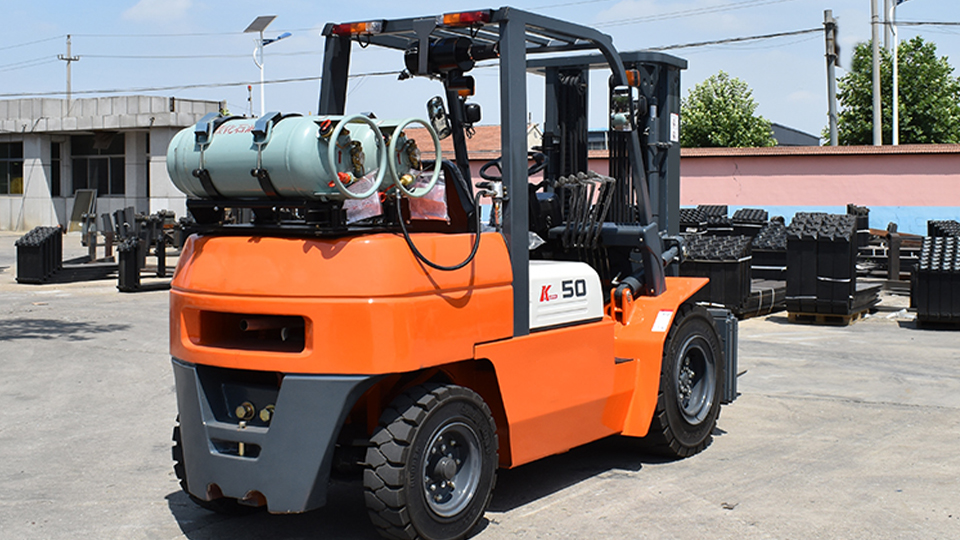
The thermal state at cold start depends on soak time duration—the interval since engine shutdown—and ambient conditions during that interval. Short soak periods may leave engines in semi-warm conditions where fuel selection flexibility is greater. Extended soaks, particularly in unheated facilities or outdoor storage, equilibrate engine temperatures with ambient, maximizing cold-start challenges.
Thermal management systems, including block heaters, oil heaters, and coolant circulation systems, modify effective thermal state and expand fuel selection options. These systems require electrical infrastructure and operational discipline to activate appropriately before start attempts, introducing logistical considerations into cold-start strategy.
LPG-Gasoline Dual-Fuel System Cold-Start Strategy
Gasoline Primary Cold-Start Approach
The predominant engineering recommendation for LPG-gasoline dual-fuel systems favors gasoline for cold starting across a broad range of conditions. This preference derives from several technical factors that collectively improve start reliability and reduce system stress.
Gasoline liquid injection or carburetion delivers fuel directly to the intake system, bypassing the LPG vaporizer-regulator assembly that requires thermal energy for proper function. Cold vaporizers exhibit poor vaporization efficiency, potentially delivering liquid LPG slugs to the engine that cause harsh starting, spark plug fouling from liquid fuel quenching, and lubricating oil dilution that degrades engine protection. The gasoline system's independence from vaporizer thermal state provides robust starting capability even when the engine and fuel system are fully cold.
Gasoline's superior cold-start volatility characteristics, particularly in winter-grade formulations, ensure that sufficient vapor fractions develop for ignitable mixtures at temperatures where LPG vaporization would be inadequate. Modern gasoline formulations incorporate light hydrocarbon fractions and oxygenates specifically engineered for low-temperature volatility, enhancing cold-start performance beyond base fuel properties.
Following gasoline cold starting, the engine generates combustion heat that progressively warms the LPG vaporizer and associated fuel system components. Once adequate vaporizer temperature is achieved—typically indicated by stable idle operation and responsive throttle behavior—operators may transition to LPG operation for the predominant warm-engine operating period. This sequence leverages each fuel's strengths: gasoline for reliable cold starting, LPG for clean, efficient warm operation.
LPG Cold-Start Conditions and Techniques
Despite gasoline's general advantages, specific conditions may favor or necessitate LPG cold starting. Gasoline system malfunctions, fuel depletion, or contamination may preclude gasoline starting, requiring LPG operation despite suboptimal conditions. Additionally, operational environments with gasoline vapor accumulation concerns, such as poorly ventilated indoor storage areas, may motivate LPG starting to minimize gasoline fume exposure.
Successful LPG cold starting requires specific techniques to compensate for vaporizer thermal limitations. Pre-heating strategies, including electric vaporizer heaters or engine coolant circulation from auxiliary heaters, can elevate vaporizer temperature before start attempts. Some systems incorporate pressure-boosted LPG delivery that increases vaporization driving force at low temperatures, though this approach increases system complexity and safety considerations.
Starting technique adaptations include extended cranking periods to generate initial combustion heat, throttle manipulation to enrich mixtures, and immediate light-load operation to accelerate warm-up rather than extended idling that provides minimal heat generation. These techniques demand operator skill and system familiarity, with increased risk of failed starts, battery depletion, or starter motor overheating compared to gasoline starting.
Ambient Temperature Threshold Considerations
The transition between gasoline-preferred and LPG-viable cold-start conditions depends on ambient temperature and system-specific characteristics. General guidance suggests gasoline starting for ambient temperatures below approximately 5°C to 10°C, though this threshold varies with vaporizer design, LPG composition (propane-rich mixtures vaporize more readily than butane-rich blends), and system maintenance condition.
Organizations operating across wide temperature ranges should establish temperature-dependent protocols that specify fuel selection by measured or forecast conditions. These protocols should incorporate safety margins that account for measurement uncertainty, wind chill effects on exposed equipment, and diurnal temperature variation that may shift conditions during shift operations.
Diesel-Natural Gas Dual-Fuel System Cold-Start Strategy
Diesel Primary Starting Requirement
Diesel-natural gas dual-fuel systems fundamentally require diesel fuel for cold starting due to the compression-ignition combustion principle. Natural gas cannot achieve auto-ignition under typical diesel compression ratios without excessive compression temperatures that would damage engine components. The pilot diesel injection provides the ignition source that subsequently ignites the natural gas-air mixture.
Cold-start strategy for these systems focuses on ensuring reliable diesel starting rather than fuel selection between alternatives. Diesel fuel cold-flow properties become critical, with fuel cloud point and pour point determining the minimum temperature for reliable fuel delivery. Winter-grade diesel with cold-flow improver additives, or alternative fuels such as winter diesel-kerosene blends, may be necessary for low-temperature operations.
Engine starting aids, including glow plugs, intake air heaters, and ether injection systems, supplement diesel fuel properties to achieve cold starting. Glow plug operation pre-heats combustion chamber surfaces, promoting ignition of the initial fuel injections. Intake air heaters elevate charge temperature during cranking, improving compression temperature and fuel vaporization. These systems require pre-heating periods that extend starting timelines and influence operational readiness.
Natural Gas System Activation Timing
Following diesel cold starting, natural gas system activation timing depends on engine warm-up progression and load conditions. Premature natural gas introduction before adequate combustion stability can result in misfire, rough operation, and elevated emissions as the pilot diesel quantity struggles to ignite lean natural gas mixtures. Conservative strategies delay natural gas activation until coolant temperatures reach specified thresholds, typically 40°C to 60°C, ensuring adequate combustion chamber temperatures for reliable ignition.
Progressive natural gas substitution strategies gradually increase gas substitution ratios as engine temperatures rise and combustion stability improves. Electronic control systems automate this progression, while manual systems require operator judgment to advance substitution rates. Rapid substitution to high gas ratios before adequate warm-up risks combustion instability, knock, or engine damage from excessive peak pressures.
Environmental and Regulatory Considerations
Emission Profile Variations by Fuel and Temperature
Cold-start emissions vary substantially by fuel selection and starting technique, influencing regulatory compliance and indoor air quality. Gasoline cold starting produces elevated hydrocarbon emissions due to rich mixture requirements and incomplete combustion during initial cycles. Carbon monoxide emissions are similarly elevated. These emissions are particularly problematic in indoor starting scenarios where ventilation may be limited.
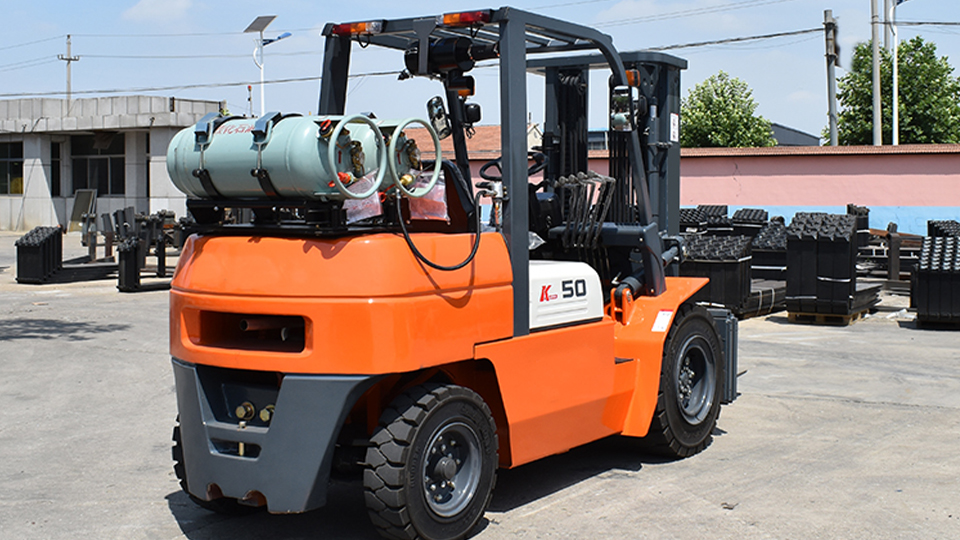
LPG cold starting, when successful, produces lower particulate and carbon monoxide emissions than gasoline due to more complete combustion of the gaseous fuel. However, failed LPG starting attempts—common in cold conditions—may result in substantial unburned fuel release that creates explosion hazards and emission spikes. The emission profile uncertainty of marginal LPG starting often favors the more predictable, if higher-emitting, gasoline starting for regulated environments.
Diesel cold starting produces characteristic white smoke (unburned fuel) and elevated particulate matter during initial operation before combustion temperatures stabilize. These emissions are generally managed through outdoor starting or adequate ventilation, with subsequent natural gas operation providing emission benefits during warm operation.
Regulatory Compliance Implications
Emission regulations increasingly address cold-start and transient operation phases that previously received less regulatory attention. Organizations must demonstrate compliance across operational modes, including cold starts, which may influence fuel selection strategies. In jurisdictions with stringent cold-start emission standards, gasoline starting may require catalytic converter light-off strategies or supplemental emission controls that add system complexity.
Indoor air quality regulations, including OSHA permissible exposure limits for carbon monoxide and hydrocarbons, may constrain cold-start fuel selection in enclosed facilities. Gasoline starting in poorly ventilated spaces may exceed exposure limits, motivating either LPG starting with adequate safety provisions or mandatory ventilation during starting procedures.
Operational Implementation Strategies
Pre-Operational Planning and Preparation
Effective cold-start fuel selection requires pre-operational planning that extends beyond the immediate starting event. Equipment storage location influences thermal state at start time—indoor storage in heated facilities dramatically reduces cold-start severity compared to outdoor exposure. Organizations should evaluate storage infrastructure investments against cold-start reliability improvements and associated operational benefits.
Fuel quality management ensures that available fuels possess properties appropriate for expected conditions. Gasoline winter volatility specifications, diesel cold-flow additive treatment, and LPG propane content monitoring all contribute to reliable starting. Fuel system maintenance, including filter replacement, water separation, and leak prevention, prevents starting failures attributable to fuel contamination or delivery problems.
Starting aid system functionality must be verified before cold seasons or operational periods. Glow plug resistance testing, block heater operation confirmation, and battery condition assessment prevent discovery of system failures at critical starting moments. Preventive maintenance scheduling should anticipate increased starting system demands during cold periods.
Operator Training and Decision Support
Operator competency in cold-start fuel selection requires training that extends beyond basic equipment operation to encompass fuel system principles, environmental effects, and diagnostic reasoning. Operators must understand why specific fuel selections are recommended, enabling appropriate adaptation when standard conditions are not met.
Decision support tools, including dashboard indicators of system temperature status, fuel system readiness, and recommended starting procedures, reduce operator cognitive load and standardize decision-making. Electronic control systems can automate fuel selection recommendations based on sensor inputs, though operator override capability should be retained for exceptional circumstances.
Documentation of cold-start events, including fuel selected, ambient conditions, start success or failure, and any anomalies, supports continuous improvement and maintenance planning. Pattern analysis of starting difficulties may reveal emerging system degradation or identify conditions where protocols require refinement.
Fleet Management and Standardization
Organizations operating multiple dual-fuel forklifts benefit from fleet standardization that simplifies training, maintenance, and operational planning. Standardized fuel system configurations, starting aid equipment, and operating protocols reduce variability that complicates cold-start management.
Fleet composition decisions should consider cold-start requirements alongside general operational capabilities. Equipment assigned to cold-environment operations may warrant enhanced starting aid systems or fuel system specifications optimized for low-temperature performance. Conversely, equipment operating exclusively in climate-controlled environments may accept simpler configurations with reduced capital cost.
Conclusion
Cold-start fuel selection for dual-fuel forklift systems represents a technically nuanced decision that balances immediate start reliability against operational efficiency, emission compliance, and equipment longevity. The thermophysical properties of available fuels, engine system design characteristics, ambient environmental conditions, and operational context constraints collectively determine optimal strategies that vary across system architectures and deployment scenarios.
For LPG-gasoline systems, gasoline generally provides superior cold-start reliability due to its independence from vaporizer thermal state and engineered low-temperature volatility characteristics. LPG cold starting remains viable under specific conditions with appropriate techniques and system preparation, but carries increased risk of starting failure and system stress. For diesel-natural gas systems, diesel starting is fundamentally required, with strategy focused on ensuring diesel fuel cold-flow performance and combustion aid effectiveness.
Organizations optimizing dual-fuel forklift cold-start performance must invest in comprehensive understanding of their specific system architectures, implement structured protocols grounded in technical analysis, develop operator competency through targeted training, and maintain rigorous preventive maintenance programs. The operational and economic returns from reliable cold starting—measured in equipment availability, productivity, regulatory compliance, and equipment life—justify this investment many times over in demanding material handling environments.
As dual-fuel technology evolves and alternative fuels emerge, cold-start fuel selection strategies will require continuous adaptation. However, the fundamental principles governing fuel behavior at low temperatures, engine system thermal management, and operational risk assessment will remain essential foundations for effective decision-making in this critical aspect of material handling equipment management.
Name: selena
Mobile:+86-13176910558
Tel:+86-0535-2090977
Whatsapp:8613181602336
Email:vip@mingyuforklift.com
Add:Xiaqiu Town, Laizhou, Yantai City, Shandong Province, China
