
vip@mingyuforklift.com
+86-0535-2090977

Introduction
The material handling industry has witnessed significant evolution in powertrain technologies over the past two decades, driven by environmental regulations, operational cost pressures, and the need for versatile equipment capable of functioning across diverse working environments. Among the various technological approaches, dual-fuel forklift systems have emerged as a pragmatic solution that bridges the gap between traditional internal combustion engines and fully electric alternatives. These systems, typically configured to operate on liquefied petroleum gas (LPG) and gasoline, or diesel and natural gas combinations, offer operators the flexibility to select optimal fuel sources based on operational requirements, fuel availability, emission constraints, and cost considerations.
The effective utilization of dual-fuel forklift technology hinges critically on proper switching operation procedures and astute timing selection. Unlike single-fuel systems where operational protocols are relatively straightforward, dual-fuel configurations introduce complexity that demands operator understanding, systematic procedures, and strategic decision-making. Improper switching operations can result in engine damage, safety hazards, emission non-compliance, and operational inefficiencies that undermine the economic justification for dual-fuel investment. This article provides a comprehensive technical analysis of dual-fuel forklift switching operations, examining the underlying engineering principles, procedural protocols, timing optimization strategies, and decision frameworks that enable safe, efficient, and cost-effective deployment of these versatile material handling systems.
Dual-Fuel System Architecture and Operational Principles
System Configuration Variants
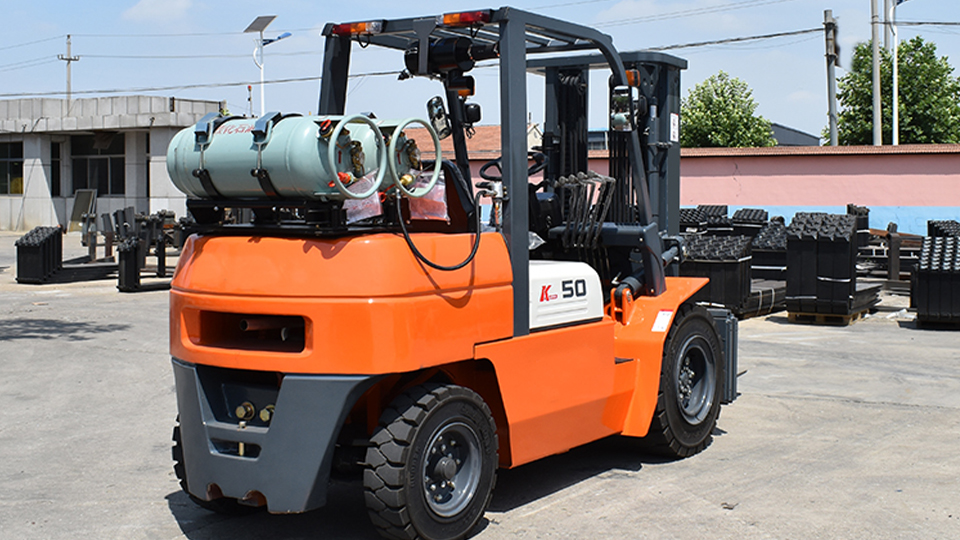
Dual-fuel forklift systems are implemented through several architectural approaches, each with distinct switching characteristics and operational implications. The most common configuration in the forklift industry employs LPG as the primary fuel with gasoline as the secondary option. This arrangement leverages the clean-burning characteristics of LPG for indoor and emission-sensitive operations while retaining gasoline capability for situations where LPG infrastructure is unavailable or during emergency contingencies.
LPG-gasoline dual-fuel systems typically utilize a single engine with modified fuel delivery infrastructure. The LPG system incorporates a pressurized storage tank, vaporizer-regulator assembly, mixer or injection system, and electronic control module that manages fuel selection and mixture ratios. The gasoline system maintains conventional fuel tank, pump, and injector or carburetor components. A fuel selector valve, either manual or electronically actuated, determines which fuel system delivers energy to the engine.
Diesel-natural gas dual-fuel configurations, while less common in forklift applications due to system complexity, operate on fundamentally different principles. These systems typically employ diesel pilot injection for ignition while substituting a significant portion of diesel energy with natural gas. The switching dynamics involve modulation of natural gas substitution ratios rather than complete fuel replacement, introducing additional complexity in timing and proportion control.
Combustion Characteristics and Switching Dynamics
The combustion characteristics of LPG and gasoline differ substantially, influencing switching behavior and engine response. LPG, primarily composed of propane and butane, possesses higher octane ratings (approximately 104-112 RON) compared to conventional gasoline (87-93 RON). This higher octane tolerance permits increased compression ratios and more aggressive ignition timing, though forklift engines are typically optimized for the lower-octane fuel to maintain compatibility.
LPG enters the combustion chamber as a vaporized gas, providing more homogeneous air-fuel mixture preparation compared to liquid gasoline injection or carburetion. This characteristic yields smoother combustion and reduced particulate emissions but requires careful mixture control during switching transitions to prevent lean or rich conditions that could cause misfire, knock, or catalytic converter damage.
The energy density of LPG on a volume basis is approximately 73% that of gasoline, necessitating larger fuel storage volumes or more frequent refueling for equivalent operating ranges. However, LPG combustion produces approximately 15% less carbon dioxide per unit of energy compared to gasoline, contributing to its environmental advantages.
Switching between fuels involves transient conditions where the engine management system must adjust fuel delivery, ignition timing, and air-fuel ratio to maintain stable combustion. The duration and character of these transients depend on system architecture, with electronically controlled systems achieving smoother transitions than manual switching configurations.
Switching Operation Procedures
Pre-Switching System Assessment
Effective switching operations begin with comprehensive pre-switching assessment of system status and operational requirements. Operators must verify fuel availability in both systems, confirming that the selected target fuel has adequate reserves for intended operations. LPG tank pressure readings should indicate sufficient contents; low-pressure conditions may signal near-empty status or temperature-related pressure reduction that could affect vaporization capacity.
Engine temperature status significantly influences switching feasibility and procedure. Cold engines may exhibit poor vaporization of LPG, leading to rough operation or failure to start. Optimal switching typically occurs when the engine has reached normal operating temperature, ensuring adequate vaporizer performance and combustion stability. However, certain operational scenarios may necessitate cold-start fuel selection decisions that influence subsequent switching procedures.
Emission control system status must be evaluated, particularly for catalyst-equipped systems. Switching during catalyst warm-up phases may expose the catalyst to damaging temperature excursions or unburned fuel mixtures. Modern electronic control systems typically inhibit switching during catalyst light-off periods, but operators of manual systems must exercise judgment based on operational experience and system instrumentation.
Manual Switching Procedures
Manual switching systems, while increasingly supplanted by electronic controls, remain prevalent in older equipment and certain cost-optimized configurations. These systems require direct operator intervention through a selector valve or switch, demanding procedural discipline to achieve smooth transitions.
The standard manual switching procedure from gasoline to LPG operation involves several sequential steps. With the engine operating at moderate speed and stable load, the operator activates the LPG system by opening the tank valve and permitting system pressurization. The fuel selector is then moved to the LPG position, initiating fuel flow through the vaporizer and mixer circuit. Simultaneously, the gasoline supply is interrupted, either through mechanical valve actuation or gradual restriction depending on system design.
During the transition period, the engine may exhibit momentary speed fluctuation as the fuel mixture shifts from gasoline to LPG. Operators should maintain steady throttle position and avoid load changes during this interval, typically lasting two to five seconds for well-maintained systems. Once stable LPG operation is confirmed through smooth engine sound and consistent performance, the gasoline system can be fully secured if the switching design requires sequential rather than simultaneous operation.
Switching from LPG to gasoline follows inverse logic but introduces additional considerations. Gasoline systems may require priming or pressure buildup, particularly if the system has been inactive for extended periods. The operator must ensure that gasoline has reached the carburetor or injector before initiating the switch to prevent engine stall from fuel starvation. Electronic fuel injection systems typically maintain residual pressure, but carbureted systems may experience delays that necessitate specific procedural adaptations.
Electronic Switching Procedures
Modern dual-fuel forklifts increasingly incorporate electronic control systems that automate switching procedures while providing diagnostic feedback and safety interlocks. These systems offer significant operational advantages but require understanding of their logic and limitations.
Electronic systems typically enable switching through dashboard-mounted controls, often integrated with display systems that indicate current fuel mode, tank levels, and system status. The switching command initiates a programmed sequence where the electronic control module modulates fuel delivery from both systems during the transition period, optimizing mixture ratios to minimize combustion disturbance.
Diagnostic systems monitor switching performance, recording events such as transition duration, speed fluctuation magnitude, and any fault conditions encountered. Operators should review diagnostic indicators following switching operations to confirm successful completion and identify emerging maintenance requirements. Persistent rough transitions, extended transition periods, or switching failures indicate system degradation requiring technical intervention.
Electronic systems incorporate safety interlocks that may prevent switching under specific conditions. Common interlocks include prohibition of switching during high-load operation, catalyst temperature excursions, detected fuel system leaks, or engine fault conditions. Operators must understand these interlock functions and not attempt to circumvent them, as they protect engine and emission control system integrity.
Emergency and Abnormal Switching Procedures
Operational contingencies may necessitate switching under non-ideal conditions or require rapid fuel system changes. Operators must be trained in emergency procedures that prioritize safety while minimizing equipment damage risk.
Fuel system malfunction, such as LPG leak detection or gasoline pump failure, may require immediate switching to the alternative fuel. Emergency switching procedures emphasize rapid but controlled transitions, accepting some performance degradation to maintain operational capability. Following emergency switching, the forklift should be operated at reduced load and speed to the nearest safe stopping location for system assessment.
Engine performance degradation during operation may indicate fuel system problems that switching could address or exacerbate. Operators must distinguish between fuel-related issues and broader engine or emission system problems. Switching in response to suspected fuel contamination or degradation may restore performance, but switching in response to mechanical problems may mask symptoms while permitting continued damage.
Timing Selection Strategies
Operational Environment Considerations
The primary determinant of optimal switching timing is the operational environment and associated emission constraints. Indoor operations, particularly in warehouses, food processing facilities, and pharmaceutical environments, typically mandate LPG operation due to its substantially reduced particulate and carbon monoxide emissions compared to gasoline. Switching to LPG should be completed before entering enclosed spaces, with verification of stable operation and emission control system functionality.
Outdoor operations offer greater fuel selection flexibility, with timing decisions driven by cost optimization, fuel availability, and performance requirements. Gasoline operation may be preferred for short-duration outdoor tasks where LPG tank contents are reserved for indoor requirements. Conversely, LPG operation may be selected when gasoline reserves are depleted or when emission minimization is desired despite outdoor operation.
Transition zones between indoor and outdoor environments present specific timing challenges. Switching operations should not occur during threshold crossing where ventilation conditions are uncertain. Optimal practice establishes designated switching zones with adequate ventilation, clear of traffic, and equipped for safe operation if transition difficulties arise.
Load and Duty Cycle Optimization
Engine load significantly influences switching feasibility and optimal timing. High-load operations, including heavy lifting, ramp climbing, and rapid acceleration, impose maximum demands on fuel delivery and combustion stability. Switching during high-load conditions increases the risk of engine stumble, stall, or damage from lean or rich mixtures.
Optimal switching timing targets steady-state, moderate-load operation periods. Typical opportunities include transit between storage locations at constant speed, idle periods between loading cycles, or low-load maneuvering phases. These conditions provide engine management systems maximum latitude to adjust fuel delivery and ignition parameters without compromising operational capability.
Duty cycle characteristics influence aggregate switching frequency and associated wear. Operations with frequent indoor-outdoor transitions may experience numerous switching events, accelerating fuel system component wear and increasing maintenance requirements. Strategic planning of operational sequences to consolidate switching events, such as batching indoor and outdoor tasks separately, can reduce switching frequency while maintaining emission compliance.
Fuel Economics and Cost Optimization
Fuel cost differentials between LPG and gasoline vary geographically and temporally, creating economic incentives for strategic fuel selection. However, cost optimization must be balanced against switching costs, including increased maintenance from frequent transitions, potential productivity losses during switching events, and emission compliance requirements.
Economic analysis should incorporate total fuel system costs rather than simple per-unit fuel prices. LPG infrastructure, including tank rental, delivery charges, and equipment modifications, affects effective fuel costs. Gasoline procurement convenience and storage requirements influence operational logistics. The optimal economic strategy may involve predominant operation on the lower-cost fuel with strategic reserves of the alternative for specific operational requirements.
Price volatility introduces uncertainty into cost optimization. Organizations with fuel price exposure may benefit from contractual arrangements that stabilize costs, though these arrangements may constrain operational flexibility. Switching timing decisions under volatile prices require judgment regarding price trend persistence versus short-term fluctuation.
Engine Temperature and Thermal State
Engine thermal state significantly affects LPG vaporization and combustion quality, influencing switching timing decisions. Cold engines exhibit poor LPG vaporization, potentially causing liquid LPG delivery to the engine with consequent rough operation, spark plug fouling, and lubrication dilution.
Optimal practice generally favors gasoline starting and warm-up, transitioning to LPG after achieving normal operating temperature. This approach leverages gasoline's superior cold-start characteristics while capturing LPG's operational and emission benefits during the predominant warm-engine operating period. The specific warm-up duration varies with ambient temperature, engine condition, and system configuration, typically requiring two to five minutes of operation.
Hot-soak conditions, where engines remain warm following recent operation, may permit immediate LPG operation without gasoline warm-up. However, elevated under-hood temperatures during hot-soak can increase fuel system vapor lock susceptibility, particularly for gasoline systems. Operators must recognize these thermal conditions and adapt starting and switching procedures accordingly.
Maintenance and System Degradation Factors
System degradation over time affects switching behavior and optimal timing. Worn vaporizers may require longer warm-up periods before achieving adequate LPG vaporization for stable operation. Degraded fuel selector valves may exhibit increased transition duration or incomplete sealing, permitting fuel cross-contamination. Aging electronic control systems may develop calibration drift, affecting mixture control precision.
Preventive maintenance scheduling should incorporate switching system assessment, including transition quality evaluation, fuel system leak testing, and control system diagnostic review. Operators should report switching anomalies promptly, as degraded switching performance often indicates emerging maintenance requirements that preventive intervention can address more economically than failure-driven repairs.
Seasonal maintenance adaptations may be necessary, particularly in climates with wide temperature variation. Winter operation may require more conservative switching timing, extended warm-up periods, and enhanced attention to vaporizer performance. Summer operation may encounter vapor lock susceptibility in gasoline systems, influencing fuel selection and switching strategies.
Training and Organizational Implementation
Operator Competency Development
Effective dual-fuel forklift operation requires operator competency extending beyond standard forklift certification. Training programs must address dual-fuel system principles, switching procedures, timing optimization, and abnormal situation response.
Initial training should establish theoretical understanding of dual-fuel system architecture, combustion characteristics, and safety considerations. Practical training must provide supervised experience with switching operations across varied conditions, building operator judgment regarding timing selection and procedure adaptation.
Competency assessment should verify both procedural execution and decision-making capability. Operators must demonstrate correct switching sequences under observation and articulate rationale for timing decisions in scenario-based evaluations. Refresher training should address emerging issues, system modifications, and lessons from operational experience.
Documentation and Standard Operating Procedures
Organizations must develop comprehensive standard operating procedures that specify switching protocols, timing guidance, and decision authority. These procedures should balance standardization for consistency with flexibility for operational variation.
Standard operating procedures must address normal operations, anticipated variations, and emergency contingencies. Normal operation procedures specify preferred fuel selections by operational context, standard switching sequences, and verification requirements. Variation procedures address situations such as fuel shortages, system degradation, or exceptional operational requirements that modify standard approaches. Emergency procedures prioritize safety and operational continuity when standard and variation procedures prove inadequate.
Documentation should incorporate operational logs that record switching events, fuel consumption, and system performance. This data supports performance analysis, maintenance planning, and continuous improvement initiatives. Electronic systems may automate data collection, while manual systems require disciplined operator recording.
Supervision and Performance Monitoring
Operational supervision ensures adherence to procedures and identifies opportunities for improvement. Supervisors should observe switching operations periodically, provide feedback on technique and timing, and address procedural deviations.
Performance monitoring extends beyond compliance to efficiency and effectiveness evaluation. Metrics may include switching success rate, transition duration, fuel consumption optimization, and maintenance frequency correlation with switching patterns. Analysis of these metrics informs training priorities, procedure refinement, and system modification decisions.
Conclusion
Dual-fuel forklift technology offers material handling operations valuable flexibility in balancing performance, emissions, costs, and operational constraints. Realizing these benefits requires disciplined switching operation procedures and astute timing selection that account for environmental requirements, load conditions, economic factors, and system characteristics.
The technical complexity of dual-fuel systems demands operator competency development, comprehensive procedural documentation, and organizational commitment to continuous improvement. Organizations that invest in these capabilities achieve superior operational outcomes, extended equipment life, and enhanced regulatory compliance compared to those treating dual-fuel capability as a simple fuel selection convenience.
As emission regulations tighten and fuel markets evolve, dual-fuel forklift technology may serve as a transitional solution toward fully electrified or hydrogen-powered material handling. During this transition period, and potentially for specialized applications where alternative technologies prove impractical, mastery of switching operation procedures and timing optimization remains essential for competitive and responsible material handling operations. The operators, supervisors, and organizations that develop and maintain this mastery will be positioned to extract maximum value from dual-fuel investments while contributing to broader industry sustainability objectives.
Name: selena
Mobile:+86-13176910558
Tel:+86-0535-2090977
Whatsapp:8613181602336
Email:vip@mingyuforklift.com
Add:Xiaqiu Town, Laizhou, Yantai City, Shandong Province, China
