
vip@mingyuforklift.com
+86-0535-2090977

Introduction
The operational reliability and efficiency of dual-fuel forklift systems depend critically on thermal management practices during pre-start and idle phases. Unlike conventional single-fuel internal combustion engines where thermal conditioning follows relatively standardized protocols, dual-fuel configurations introduce complexity that demands nuanced understanding of how preheating and idle management affect fuel system readiness, combustion stability, emission control, and component longevity. The transition between cold-soaked and thermally-stabilized operational states involves interactions between multiple fuel systems, each with distinct thermal requirements, that must be orchestrated to achieve optimal performance.
Material handling operations increasingly operate in environments where equipment availability expectations approach continuous uptime, and where emission constraints limit the duration and intensity of unproductive engine operation. These pressures create tension with the thermal conditioning requirements of dual-fuel systems, which may necessitate extended preheating periods or strategic idle management to ensure reliable fuel switching and emission-compliant operation. This article provides a comprehensive technical analysis of preheating and idle requirements for dual-fuel forklifts, examining system-specific considerations across LPG-gasoline, diesel-natural gas, and emerging hybrid configurations, and presenting operational frameworks that balance thermal readiness against productivity and environmental objectives.
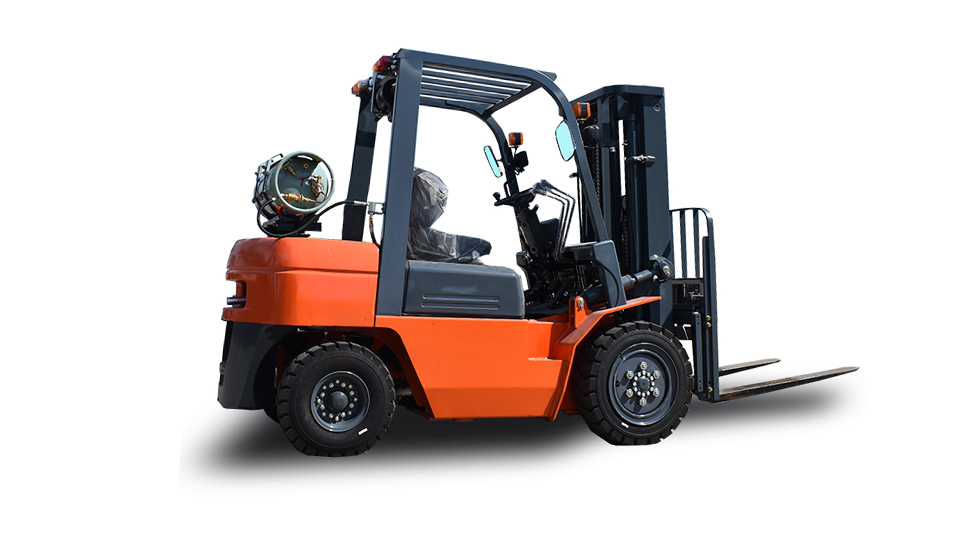
Thermal System Architecture and Preheating Fundamentals
Engine Block and Coolant Preheating Systems
Engine block preheating represents the most common and effective approach to reducing cold-start severity in dual-fuel forklift applications. Electric block heaters, typically rated between 400 and 1500 watts, are installed in engine coolant passages or oil galleries to elevate component temperatures before cranking. These systems transfer thermal energy gradually during the preheating interval, raising block, head, and coolant temperatures to levels that substantially improve starting reliability and reduce wear.
The effectiveness of block heating depends on heater power rating, installation location, coolant volume, and the thermal characteristics of the engine structure. Typical preheating periods range from 30 minutes to several hours for engines fully equilibrated with cold ambient conditions. Higher-power heaters reduce required preheating duration but increase electrical infrastructure demands and operating costs. Organizations must evaluate heater sizing against operational readiness requirements and available electrical capacity.
Coolant circulation preheating systems offer advantages over static block heaters by actively distributing heated coolant throughout the engine and, in some configurations, to auxiliary components including the LPG vaporizer. These systems may utilize engine-driven pumps during a brief pre-lubrication cycle or employ external circulation pumps. Active circulation reduces thermal gradients within the engine structure, promoting more uniform temperature distribution and reducing thermal stress during startup.
LPG Vaporizer Thermal Management
The LPG vaporizer-regulator assembly represents a critical thermal dependency in dual-fuel systems that fundamentally influences preheating requirements. Vaporizers operate by transferring thermal energy from engine coolant or exhaust to LPG, promoting phase change from liquid to vapor for delivery to the engine. In cold conditions, inadequate vaporizer temperature results in incomplete vaporization, liquid phase carryover, and potential regulator freeze-up that prevents fuel delivery entirely.
Vaporizer preheating strategies encompass several approaches. Engine coolant circulation systems can route heated coolant to the vaporizer before engine starting, provided that an external heat source or residual engine heat is available. Electric vaporizer heaters offer independent preheating capability but require electrical infrastructure and careful thermal management to prevent overheating. Some systems employ thermostatically controlled coolant valves that prioritize vaporizer heating during initial operation.
The thermal mass and surface area of vaporizer designs significantly influence preheating requirements. Compact vaporizers with minimal thermal mass achieve operating temperature more quickly following engine start but may exhibit greater temperature sensitivity during transient operation. Larger vaporizers with greater thermal mass provide more stable vaporization but require longer preheating intervals to achieve readiness.
Intake Air Preheating
Intake air preheating addresses the fundamental challenge of achieving ignitable mixture temperatures in cold, dense intake charges. Cold intake air increases charge density, which would theoretically improve volumetric efficiency, but simultaneously reduces mixture temperature and impairs fuel vaporization. The net effect typically degrades starting performance and increases hydrocarbon emissions during initial operation.
Intake air preheating systems include electric grid heaters installed in the intake manifold, coolant-heated intake manifolds, and exhaust gas recirculation strategies that introduce warm gases into the intake stream. Grid heaters offer rapid response and precise control but impose significant electrical loads during operation. Coolant-heated manifolds provide more gradual temperature elevation with lower power requirements but slower response to changing conditions.
For dual-fuel systems, intake air preheating must accommodate the distinct mixture preparation requirements of both fuels. Gasoline systems benefit from elevated intake temperatures that promote fuel vaporization from liquid injection or carburetion. LPG systems, with gaseous fuel delivery, are less dependent on intake temperature for vaporization but may experience mixture distribution challenges if condensation occurs on cold intake surfaces. Optimal intake preheating strategies balance these competing requirements.
Preheating Protocols by System Architecture
LPG-Gasoline Dual-Fuel Systems
LPG-gasoline dual-fuel systems present the most common preheating challenge in material handling applications, as these configurations dominate the indoor-outdoor versatile forklift market. Preheating protocols for these systems must address both fuel system readiness and engine starting reliability, with specific procedures varying by ambient temperature and operational urgency.
Moderate ambient conditions, typically above 5°C to 10°C, may permit starting without dedicated preheating, particularly for engines with residual warmth from recent operation. Standard starting procedures apply, with gasoline selected for cold starting and LPG engagement following vaporizer warm-up. Preheating in these conditions is discretionary, motivated by emission reduction objectives or wear minimization rather than starting reliability requirements.
Cold conditions, between approximately -10°C and 5°C, generally necessitate block heater activation for reliable starting and acceptable emission performance. Preheating periods of 30 to 60 minutes with appropriately sized heaters typically achieve coolant temperatures of 20°C to 40°C, sufficient for gasoline starting and progressive LPG system activation. Organizations should establish protocols specifying minimum preheating durations based on ambient temperature and soak time, with verification through coolant temperature indication or automated readiness systems.
Severe cold conditions, below -10°C and extending to -25°C or lower in extreme environments, demand comprehensive preheating strategies. Block heaters alone may prove insufficient, requiring supplemental oil heaters to reduce cranking resistance and improve initial lubrication, battery warmers to preserve cranking power, and extended preheating periods of two hours or more. LPG vaporizer preheating becomes critical, as vaporization efficiency degrades severely at these temperatures. Some operations may elect to utilize gasoline exclusively until sustained operation elevates system temperatures, accepting the emission and cost implications of extended gasoline operation.
Diesel-Natural Gas Dual-Fuel Systems
Diesel-natural gas dual-fuel systems present distinct preheating requirements governed by compression ignition principles and diesel fuel cold-flow characteristics. Preheating focuses on ensuring reliable diesel starting as the foundation for subsequent natural gas operation, with additional considerations for natural gas system readiness.
Glow plug systems represent the primary cold-start aid for diesel engines, with ceramic or metal glow plugs installed in each combustion chamber. Pre-glow periods, during which glow plugs are energized before cranking, elevate combustion chamber surface temperatures to promote ignition of initial fuel injections. Modern quick-start glow plugs achieve effective temperatures within 2 to 5 seconds, though extended pre-glow periods may be employed in severe cold to ensure adequate heat penetration. Post-glow operation, maintaining glow plug energization for several minutes following start, supports combustion stability during initial warm-up.
Intake air heaters supplement glow plug systems in severe cold conditions, elevating charge temperature during cranking and initial operation. These systems may be activated automatically based on ambient temperature or coolant temperature, or manually by operators. Electrical grid intake heaters impose substantial power demands, requiring adequate battery and charging system capacity.
Diesel fuel preheating addresses cold-flow limitations that can prevent fuel delivery regardless of ignition system performance. Fuel tank heaters, filter heaters, and fuel line heaters maintain diesel temperature above cloud point and pour point thresholds. These systems may utilize engine coolant circulation, electric resistance heating, or fuel recirculation strategies that return warm fuel from the injection system to the tank.
Natural gas system activation following diesel cold starting requires thermal management that ensures adequate combustion chamber temperatures for reliable pilot ignition. Conservative protocols delay natural gas introduction until coolant temperatures reach 40°C to 60°C, with progressive substitution ratios as temperatures rise. Electronic control systems automate this progression, while manual systems require operator judgment informed by temperature indication and engine response observation.
Idle Management Strategies
Warm-Up Idle Requirements
Following cold starting, engines require a warm-up period during which component temperatures rise, lubricant viscosity decreases, and fuel system components achieve operating readiness. The duration and character of this warm-up period significantly influence emission profiles, fuel consumption, and operational readiness for dual-fuel switching.
Conventional practice often specifies extended idle warm-up, with engines operated at moderate speed without load until temperature gauges indicate readiness. However, this approach consumes fuel without productive output, generates emissions without operational benefit, and may actually prolong warm-up compared to light-load operation that generates greater combustion heat. Modern guidance increasingly favors minimal idle warm-up followed by gradual engagement of light loads that accelerate thermal stabilization.
For dual-fuel systems, warm-up idle duration influences fuel switching readiness. LPG vaporizers require adequate coolant temperature for effective operation, which may not be achieved during brief idle periods. Operators may be tempted to switch to LPG prematurely to capitalize on its operational advantages, risking poor combustion, emission excursions, or engine damage. Protocols should specify minimum coolant temperatures or vaporizer temperature indications before LPG engagement, with idle or light-load operation continuing until these thresholds are achieved.
Idle speed settings during warm-up affect heat generation rate and emission production. Higher idle speeds increase combustion heat generation, accelerating warm-up, but also increase fuel consumption and noise. Some engine management systems employ elevated idle speeds automatically during cold conditions, balancing warm-up acceleration against operational considerations. Operators should not manually elevate idle speeds beyond specified ranges, as excessive speeds may cause lubrication issues or accelerated wear in cold conditions.
Operational Idle and Fuel Selection
During operational periods with intermittent load, such as waiting for loading instructions, queuing, or brief pauses between handling cycles, operators face decisions regarding idle continuation versus engine shutdown and subsequent restart. These decisions involve trade-offs between fuel consumption, emission generation, starting system wear, and operational readiness.
Dual-fuel systems introduce additional complexity through fuel selection during operational idle. Maintaining LPG operation during brief idle periods preserves system readiness for immediate load response but consumes fuel and generates emissions. Switching to gasoline may offer cost or availability advantages but introduces switching transients and potential emission spikes. Shutting down entirely eliminates idle consumption but requires subsequent starting with associated wear and readiness delays.
General guidance suggests that idle periods anticipated to exceed approximately 60 seconds justify engine shutdown consideration, though this threshold varies by fuel cost, emission constraints, and starting system condition. For dual-fuel systems, the fuel selection at shutdown influences subsequent starting requirements—gasoline shutdown preserves gasoline system readiness for immediate restart, while LPG shutdown may necessitate gasoline starting if vaporizer temperature has declined.
Extended idle periods, whether operational or intentional for system conditioning, should employ the fuel offering optimal emission characteristics for the operational environment. Indoor idle operation generally mandates LPG due to its superior emission profile, while outdoor idle may accept gasoline if cost optimization predominates. Automatic shutdown systems can enforce idle duration limits, preventing excessive unproductive operation.
High-Idle and PTO Considerations
Some dual-fuel forklift applications require power take-off (PTO) operation to drive auxiliary equipment such as hydraulic pumps for attachments. PTO operation at idle or elevated idle speeds imposes distinct thermal and fuel system demands that influence preheating and idle management.
PTO loading during cold conditions may strain engines before adequate warm-up, increasing wear and potentially causing lubrication failures. Protocols should specify minimum coolant temperatures before PTO engagement, with warm-up idle or light-load operation preceding auxiliary equipment activation. The additional heat generation from PTO loading can accelerate warm-up once minimum temperatures are achieved, but premature engagement risks damage.
Fuel selection during PTO operation must account for load characteristics and emission constraints. LPG operation under PTO load generally produces lower emissions but may experience combustion instability if vaporizer capacity is marginal. Gasoline operation provides more robust performance under varying loads but with emission penalties. Electronic control systems may automatically adjust fuel selection based on PTO engagement status and engine load parameters.
Emission and Regulatory Considerations
Cold-Start and Idle Emission Profiles
Cold-start and idle operation phases produce disproportionate emission contributions relative to their duration in engine operating cycles. Incomplete combustion during cold conditions elevates hydrocarbon and carbon monoxide emissions, while catalytic converter ineffectiveness before light-off temperature permits these emissions to escape untreated. Particulate matter emissions from diesel systems are similarly elevated during cold operation.
Idle operation, while producing lower per-unit-time emissions than loaded operation, accumulates significant total emissions due to extended duration in some operational patterns. Carbon monoxide accumulation in enclosed spaces during idle operation presents acute safety hazards, while carbon dioxide contributes to climate impact objectives.
Dual-fuel systems offer emission reduction opportunities through strategic fuel selection during preheating and idle phases. LPG operation produces substantially lower particulate matter and carbon monoxide compared to gasoline or diesel, making it preferable for idle operation in emission-constrained environments. However, LPG cold-start emission advantages are realized only when vaporizer temperatures permit effective operation, creating a tension between emission objectives and system readiness requirements.
Regulatory Compliance Strategies
Emission regulations increasingly address non-road engine idle and cold-start performance, with standards such as EPA Tier 4 Final and EU Stage V imposing limits across operational modes. Dual-fuel system certification must demonstrate compliance under specified starting and warm-up protocols, influencing manufacturer design decisions and operator procedural requirements.
Organizations subject to emission reporting or carbon accounting must incorporate preheating and idle fuel consumption into their calculations. Extended preheating periods, while improving starting reliability, increase energy consumption and associated emissions from electrical generation or fuel combustion in heating systems. Idle management strategies that minimize unproductive operation contribute to emission reduction objectives.
Indoor air quality regulations may impose specific requirements on idle operation duration and fuel selection in enclosed facilities. Carbon monoxide monitoring systems can enforce automatic shutdown when concentrations approach permissible exposure limits, directly influencing idle management protocols. Organizations should integrate regulatory requirements into standard operating procedures with clear accountability for compliance.
Operational Implementation and Best Practices
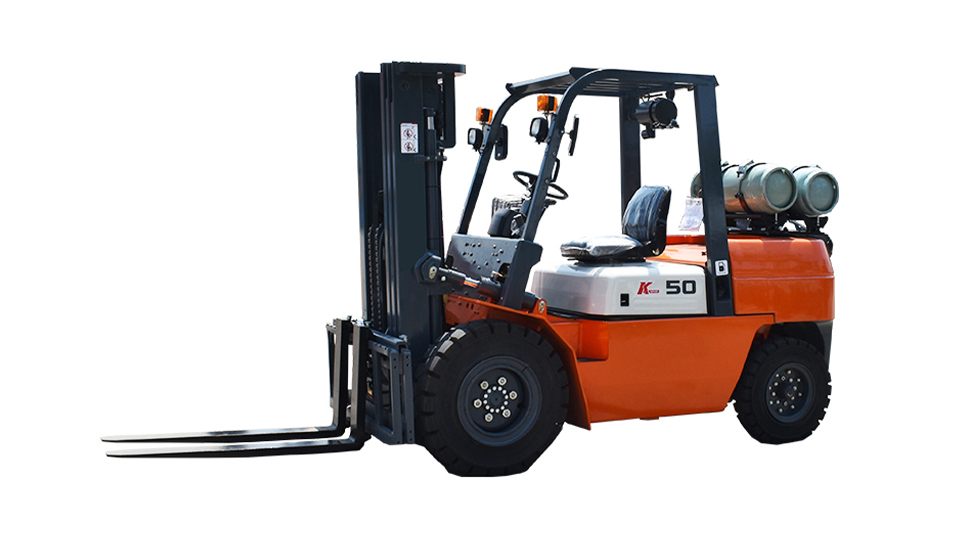
Preheating Infrastructure and Scheduling
Effective preheating implementation requires adequate electrical infrastructure for block heaters, battery warmers, and auxiliary heating systems. Facility electrical capacity must accommodate simultaneous preheating of multiple forklifts without overloading circuits. Timer systems or smart controls can sequence heater activation to manage peak electrical demand while ensuring equipment readiness for scheduled operations.
Operational scheduling should incorporate preheating requirements into shift planning. Equipment assigned to early-shift operations requires preheating initiation before operator arrival, potentially through automated timer systems or overnight heating protocols. Last-shift equipment may benefit from sustained heating through the interval before next-day operation, though energy costs must be evaluated against readiness benefits.
Preheating verification systems, including coolant temperature indication, automated readiness notifications, or operator confirmation protocols, ensure that equipment is not operated before adequate thermal conditioning. Cold-starting inadequately preheated equipment risks accelerated wear, emission non-compliance, and operational failures that exceed the costs of extended preheating.
Operator Training and Accountability
Operator competency in preheating and idle management requires training that extends beyond basic equipment operation to encompass thermal system principles, fuel system interactions, and emission implications. Operators must understand why specific protocols are established, enabling appropriate judgment when conditions deviate from standard scenarios.
Training should address preheating system operation, including heater activation, duration estimation based on conditions, and readiness verification. Operators must recognize indicators of inadequate preheating, such as hard starting, rough idle, or emission anomalies, and respond appropriately by extending warm-up or seeking technical assistance.
Idle management training should establish clear guidelines for shutdown versus idle continuation decisions, fuel selection during idle, and emission awareness. Operators should understand the cumulative impact of idle operation on fuel costs and emission profiles, fostering behavioral commitment to efficient practices.
Performance monitoring and feedback systems reinforce training objectives. Metrics may include preheating compliance rates, idle duration statistics, fuel consumption patterns, and emission monitoring data. Recognition of exemplary performance and constructive feedback on deviations promote continuous improvement in thermal management practices.
Maintenance and System Integrity
Preheating and idle management effectiveness depends on system maintenance integrity. Block heaters degrade over time, with element corrosion, seal failures, or electrical connection deterioration reducing heating effectiveness. Periodic resistance testing and operational verification identify degraded heaters before cold-season demand.
Coolant system maintenance, including coolant quality, level, and circulation integrity, directly affects preheating effectiveness and warm-up behavior. Contaminated or degraded coolant reduces heat transfer efficiency, while air locks or circulation restrictions create thermal gradients that impair uniform heating.
Fuel system maintenance ensures that preheating investments translate into reliable operation. LPG vaporizer cleaning, inspection, and calibration maintain vaporization efficiency that permits timely fuel switching. Diesel fuel system maintenance, including filter condition, water separation, and injection system performance, supports reliable cold starting that preheating enables.
Conclusion
Preheating and idle management for dual-fuel forklift systems represent critical operational disciplines that bridge engineering design and practical deployment. The thermal dependencies of dual-fuel systems, particularly LPG vaporization requirements and diesel cold-flow characteristics, necessitate structured preheating protocols that ensure reliable starting and emission-compliant operation across anticipated environmental conditions.
Effective implementation requires integrated approaches encompassing infrastructure investment, procedural development, operator training, and maintenance discipline. Organizations must balance the operational readiness benefits of comprehensive preheating against energy costs, emission implications, and productivity pressures. Idle management strategies that minimize unproductive operation while preserving system readiness contribute to economic and environmental performance objectives.
As dual-fuel technology evolves and emission regulations intensify, preheating and idle management will increasingly influence equipment selection, facility design, and operational planning decisions. The organizations that develop superior capabilities in these areas will achieve competitive advantages through enhanced equipment availability, reduced operating costs, and regulatory compliance assurance. The technical foundations presented in this analysis provide a framework for developing these capabilities, though specific implementations must be adapted to organizational contexts, operational requirements, and local regulatory environments.
Name: selena
Mobile:+86-13176910558
Tel:+86-0535-2090977
Whatsapp:8613181602336
Email:vip@mingyuforklift.com
Add:Xiaqiu Town, Laizhou, Yantai City, Shandong Province, China