
vip@mingyuforklift.com
+86-0535-2090977

Introduction
The decision to invest in a forklift fleet represents one of the most significant capital allocation choices that manufacturing, warehousing, and logistics businesses make. These investments typically involve millions of dollars in equipment acquisition, ongoing maintenance, operator training, and facility modifications. Yet despite substantial upfront costs and continuing operational expenses, organizations across virtually every industrial sector consistently choose to deploy forklift fleets rather than rely on manual material handling or alternative mechanization strategies.
This widespread investment pattern reflects a fundamental economic reality: forklift fleets deliver returns that far exceed their costs when properly deployed and managed. The business case for forklift investment extends beyond simple labor substitution to encompass productivity multiplication, operational scalability, risk mitigation, competitive positioning, and strategic flexibility. Understanding why businesses invest in forklift fleets requires examining the multifaceted value proposition these machines offer across financial, operational, and strategic dimensions.
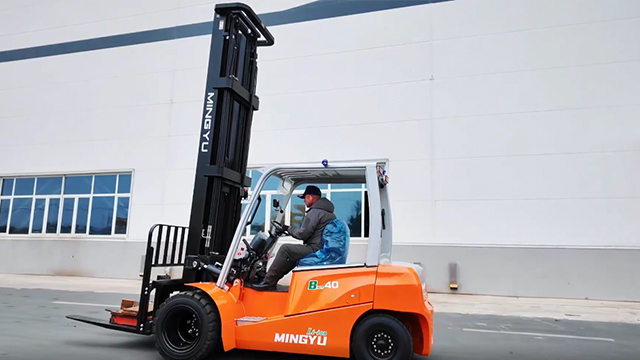
The Economics of Mechanized Material Handling
The primary driver of forklift fleet investment is economic: forklifts enable businesses to move more material with fewer resources, creating productivity gains that translate directly into profitability improvements. Quantifying these gains requires comparing total cost of ownership against the value generated through enhanced throughput, reduced labor requirements, and improved space utilization.
Labor cost reduction represents the most visible economic benefit. Manual material handling is labor-intensive, requiring multiple workers to accomplish tasks that a single forklift operator can perform. In high-wage economies, the labor cost differential alone often justifies forklift investment within months. A warehouse operation handling 500 pallets daily might require 15-20 manual laborers working in shifts, compared to 3-4 forklift operators with appropriate equipment. At an average loaded labor cost of $25 per hour, the annual savings from reduced headcount can exceed $500,000—sufficient to finance a substantial forklift fleet.
However, the labor substitution calculation understates true forklift value. Forklifts operate continuously at consistent speeds without fatigue-related performance degradation. Unlike human workers who require rest breaks, experience declining productivity during long shifts, and are unavailable during vacations and illness, forklifts maintain predictable performance profiles. This consistency enables precise operational planning and capacity commitments that are impossible with manual operations.
Throughput capacity represents another critical economic consideration. Businesses invest in forklift fleets not merely to reduce costs but to handle volumes that would be impossible manually. E-commerce fulfillment centers processing tens of thousands of orders daily, automotive plants producing vehicles every minute, and food distribution networks serving thousands of retail locations all depend on forklift-enabled throughput. The revenue potential of high-volume operations often exceeds any conceivable labor savings, making forklift investment a revenue enabler rather than merely a cost reducer.
Productivity Multiplication and Operational Velocity
Forklift fleets dramatically accelerate material flow through business operations, reducing cycle times and improving responsiveness. In warehousing, this velocity manifests as faster dock-to-stock times, reduced order fulfillment cycles, and improved inventory turns. In manufacturing, it appears as reduced work-in-process inventory, shorter production lead times, and improved on-time delivery performance.
The physics of forklift operation enable speeds and lifting capabilities impossible for manual alternatives. A typical electric forklift travels at 8-12 miles per hour while carrying loads exceeding 3,000 pounds. Manual pallet jacks, by comparison, require walking speeds of 3-4 miles per hour and demand significant physical exertion that limits sustained operation. The cumulative effect of these speed differentials across thousands of daily movements creates throughput improvements measured in multiples rather than percentages.
Vertical handling capabilities further amplify productivity. Forklifts access storage heights of 20-40 feet, enabling dense rack configurations that multiply usable storage capacity. Without forklifts, businesses would require floor-level storage or manual ladder-based access, both of which dramatically reduce space efficiency and handling speed. The ability to store and retrieve materials at elevation transforms warehouse economics, reducing facility costs per unit stored and enabling inventory consolidation that improves management efficiency.
Multi-shift operations extend forklift productivity benefits around the clock. While human workers require shift changes and experience performance variations, forklift fleets maintain consistent capability across all operating hours. Battery-powered electric forklifts exchange depleted batteries for charged units in minutes, while internal combustion models refuel quickly. This operational continuity ensures that businesses can meet demand spikes, accommodate global supply chain schedules, and maximize capital utilization of expensive facilities.
Scalability and Business Growth Enablement
Forklift fleet investments provide scalability that manual operations cannot match. As businesses grow, adding forklift capacity is faster and more predictable than recruiting, training, and managing additional manual labor. A growing e-commerce retailer might increase forklift fleet size by 50% to accommodate seasonal demand, deploying additional machines within days. Comparable labor expansion would require weeks of recruitment, background checks, training, and supervision establishment.
This scalability is particularly valuable in volatile markets where demand patterns are unpredictable. Forklift fleets can be reconfigured, redeployed, or supplemented with rental equipment to address temporary surges. Fixed automation systems such as conveyors or automated storage and retrieval systems lack this flexibility, requiring permanent infrastructure modifications that cannot be reversed if demand declines. Forklift-based operations provide "reversible" capacity that protects businesses against overinvestment risks.
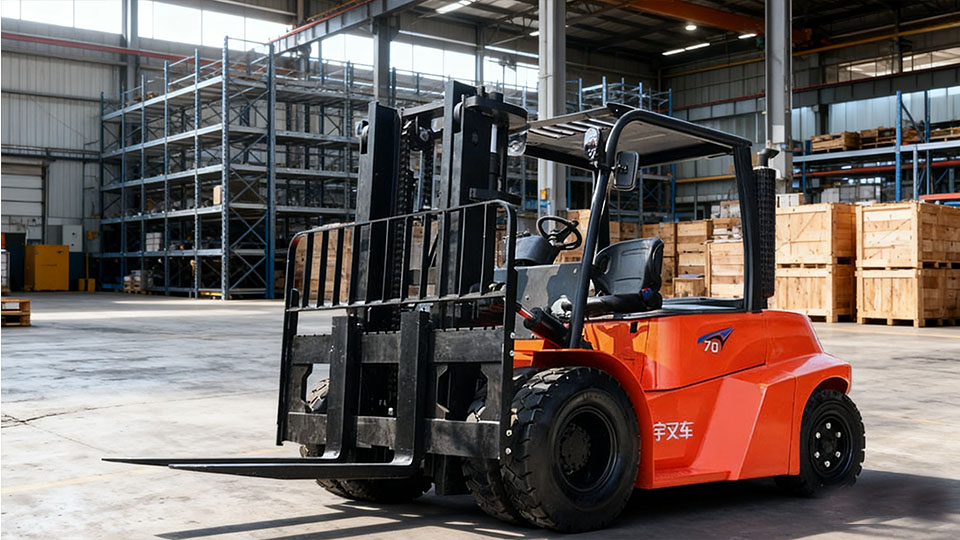
Geographic expansion also drives forklift fleet investment. Businesses entering new markets require material handling capability at new facilities, and standardizing on forklift-based operations enables consistent processes, shared training programs, and fleet interchangeability. A national distribution network using standardized forklift models can shift equipment between facilities to address regional demand variations, optimizing fleet utilization across the enterprise.
Mergers and acquisitions create forklift fleet consolidation opportunities that generate synergies. Combined operations can standardize on optimal equipment types, negotiate volume purchasing discounts, and consolidate maintenance programs. The forklift fleet becomes a platform for operational integration that accelerates value realization from business combinations.
Risk Mitigation and Safety Enhancement
Businesses invest in forklift fleets partly to mitigate risks that manual material handling creates. Workplace injuries from lifting, carrying, and repetitive material movement represent significant costs including direct medical expenses, workers' compensation premiums, regulatory penalties, and lost productivity. The ergonomic hazards of manual handling are well-documented, with back injuries alone accounting for substantial portions of workplace injury costs.
Forklifts eliminate many of these risks by mechanizing the most hazardous aspects of material handling. Workers no longer lift heavy loads, reducing musculoskeletal injuries. They no longer carry loads across distances, eliminating slip-trip-fall incidents associated with obstructed vision and unbalanced loads. The physical demands of material handling shift from human bodies to engineered machines designed to manage stress and strain.
Modern forklift safety systems further reduce operational risks. Stability control systems prevent tip-overs, the most dangerous type of forklift accident. Overhead guards and operator restraint systems protect against falling objects and ejections. Proximity sensors and collision avoidance technologies address the hazards that forklift operation itself introduces. These engineered safety features create layered protection that manual operations cannot replicate.
Regulatory compliance also drives forklift investment. Occupational safety regulations in developed economies impose strict requirements on manual material handling, including weight limits, lifting technique training, and hazard assessments. Compliance with these regulations often requires investment in mechanization that reduces manual handling to acceptable levels. Forklift fleets provide a compliance pathway that satisfies regulatory requirements while improving operational efficiency—a rare instance where compliance and performance objectives align.
Insurance and liability considerations reinforce the safety business case. Businesses with strong safety records benefit from lower workers' compensation premiums and reduced liability exposure. Forklift-based operations, supported by proper training and maintenance programs, demonstrate commitment to worker protection that insurers and regulators recognize. The investment in safe material handling equipment becomes a risk management strategy with financial returns extending beyond direct operational savings.
Space Optimization and Real Estate Economics
Commercial real estate represents a significant cost category for most businesses handling physical goods. Warehouse space, manufacturing floor area, and distribution center footprints all incur costs including rent or depreciation, utilities, property taxes, and maintenance. Forklift fleets enable businesses to maximize the productive use of this expensive space, improving return on real estate investment.
Vertical storage is the most obvious space optimization benefit. Forklifts with appropriate mast configurations access storage heights limited only by building structure and fire safety regulations. Modern warehouses routinely store materials 30-40 feet high, achieving storage densities four to six times greater than floor-stacking alternatives. This vertical utilization delays or eliminates facility expansion requirements, preserving capital for other investments.
Narrow aisle forklift technologies further optimize space. Reach trucks and turret trucks operate in aisles as narrow as 5.5-6 feet, compared to 12-foot aisles required for standard counterbalance forklifts. Converting to narrow aisle configurations can increase storage capacity by 40-50% within existing footprints. Very narrow aisle (VNA) systems with wire or rail guidance achieve even greater density, though they require greater capital investment and operational discipline.
The space optimization benefits extend to operational layout flexibility. Forklift-based operations can reconfigure storage arrangements, modify traffic patterns, and adapt to changing product mixes with minimal infrastructure modification. Fixed automation systems, by contrast, constrain layout options and require substantial reengineering when operational requirements change. This flexibility preserves option value that is difficult to quantify but strategically significant in dynamic markets.
Quality Preservation and Damage Reduction
Product damage during material handling represents a hidden cost that many businesses underestimate. Manual handling subjects goods to dropping, crushing, tipping, and environmental exposure that degrades quality and creates waste. Forklift handling, when properly executed, provides controlled movement that preserves product integrity.
Specialized forklift attachments address specific handling challenges. Carton clamps handle appliances and electronics without pallets, eliminating packaging waste and reducing product damage from strap marks or pallet splinters. Roll clamps handle paper rolls, textile bolts, and similar cylindrical loads with pressure control that prevents crushing. Drum handlers manage hazardous materials with spill prevention features. These specialized tools extend forklift benefits to product categories that would be difficult or impossible to handle safely manually.
Temperature-controlled environments benefit particularly from forklift-based handling. Cold storage and freezer operations require rapid door cycles to maintain temperature integrity. Forklifts move palletized goods quickly through refrigerated spaces, minimizing exposure to ambient temperatures and reducing refrigeration energy costs. Manual handling in these environments is slow, uncomfortable for workers, and disruptive to temperature control.
The cumulative effect of reduced damage extends beyond immediate product loss. Improved quality preservation enhances customer satisfaction, reduces returns and claims, and supports brand reputation. In industries where product quality is paramount—pharmaceuticals, food and beverage, high-value electronics—these indirect benefits can exceed direct handling cost savings.
Competitive Positioning and Customer Service
Forklift fleet capabilities increasingly differentiate competing businesses in customer-facing operations. Delivery speed, order accuracy, and handling quality are all influenced by material handling capability, and customers increasingly expect performance levels that manual operations cannot achieve.
E-commerce fulfillment exemplifies this competitive dynamic. Consumers expect next-day or same-day delivery, requiring fulfillment centers to process orders within hours of receipt. Manual picking and packing operations cannot achieve the throughput necessary for this service level at scale. Forklift-enabled operations, often integrated with warehouse management systems and automated sortation, provide the velocity and accuracy that modern consumers demand.
Business-to-business customers also impose service requirements that drive forklift investment. Retailers require precise delivery windows, manufacturers demand just-in-time component delivery, and distributors expect rapid order turnaround. Businesses that cannot meet these requirements lose market share to competitors with superior material handling capabilities. The forklift fleet becomes a competitive weapon that enables market positioning rather than merely supporting internal operations.
Contract logistics providers illustrate this dynamic clearly. Third-party warehousing and distribution businesses compete primarily on operational capability, and forklift fleet sophistication is a key evaluation criterion. Providers with modern, well-maintained fleets featuring advanced technology integration win contracts over competitors with outdated or inadequate equipment. The forklift fleet is both operational infrastructure and marketing asset.
Technology Integration and Digital Transformation
The evolution of forklift technology creates new investment rationales centered on digital transformation. Modern forklifts are no longer isolated mechanical devices but connected components of intelligent supply chain systems. This connectivity enables capabilities that generate returns beyond traditional material handling benefits.
Telematics systems provide fleet managers with real-time visibility into equipment location, utilization, operator behavior, and maintenance status. This data enables evidence-based decisions about fleet size and composition, identifies training opportunities, and supports predictive maintenance that reduces unexpected downtime. The operational intelligence from forklift telematics improves asset utilization and extends equipment life, generating returns that compound over time.
Warehouse management system (WMS) integration creates synchronized material and information flows. Forklifts with onboard terminals receive picking instructions, confirm completions, and update inventory records in real time. This integration eliminates paper-based processes, reduces data entry errors, and provides accurate inventory visibility that supports demand planning and customer service. The forklift becomes a data collection device that enhances supply chain intelligence.
Automation technologies, including automated guided vehicles (AGVs) and autonomous mobile robots (AMRs), represent the frontier of forklift investment. These driverless systems operate continuously without fatigue, maintain consistent performance, and integrate seamlessly with digital control systems. While requiring substantial upfront investment, automated forklift systems reduce labor costs, improve safety, and enable operations in environments unsuitable for human workers. Early adopters in high-volume, predictable applications are achieving compelling returns that will drive broader adoption.
Sustainability and Environmental Responsibility
Environmental considerations increasingly influence forklift fleet investment decisions. Regulatory pressures, corporate sustainability commitments, and customer expectations all drive interest in cleaner, more efficient material handling.
Electric forklifts powered by lithium-ion batteries have emerged as the preferred solution for indoor operations and many outdoor applications. These machines eliminate exhaust emissions, reducing air quality impacts and eliminating ventilation requirements in enclosed spaces. They operate more quietly than internal combustion alternatives, improving workplace conditions and enabling operations in noise-sensitive environments. Energy efficiency improvements reduce electricity consumption and associated carbon emissions compared to older battery technologies.
Fuel cell technology offers rapid refueling advantages that support continuous operation in high-throughput environments. Hydrogen fuel cell forklifts refuel in minutes compared to the hours required for battery charging, maximizing equipment availability while maintaining zero-emission operation. These systems are particularly attractive in large distribution centers where battery changeout logistics create operational complexity.
The sustainability benefits of forklift-based operations extend beyond equipment emissions. Optimized material handling reduces product damage and associated waste. Efficient space utilization reduces facility energy consumption per unit stored. Improved logistics velocity reduces inventory holding requirements and associated obsolescence risk. These systemic sustainability contributions support corporate environmental objectives while generating operational cost savings.
Total Cost of Ownership and Financial Optimization
Sophisticated businesses evaluate forklift investments using total cost of ownership (TCO) frameworks that capture all cost categories over equipment lifecycles. This comprehensive approach identifies optimization opportunities and supports informed acquisition decisions.
Acquisition costs, while significant, represent only a portion of TCO. Lease versus buy decisions, fleet standardization strategies, and volume purchasing arrangements all influence capital outlay. Many businesses find that leasing provides flexibility advantages that outweigh ownership benefits, particularly in volatile demand environments or when technology evolution is rapid.
Operating costs include energy or fuel, maintenance, tires, and attachments. Electric forklifts typically offer lower energy costs than internal combustion alternatives, though this advantage varies with local electricity and fuel prices. Maintenance costs depend on equipment quality, operating intensity, and preventive maintenance program effectiveness. Standardized fleets reduce parts inventory requirements and enable maintenance staff specialization that improves efficiency and reduces external service dependence.
Productivity costs reflect the impact of equipment downtime and performance limitations on operational output. Reliable equipment with high availability generates superior returns despite potentially higher acquisition costs. Fleet management practices that optimize equipment deployment, preventive maintenance scheduling, and backup capacity planning minimize productivity losses from equipment unavailability.
Residual value considerations influence replacement timing and disposal strategies. Well-maintained equipment retains value in secondary markets, reducing net ownership costs. Trade-in programs and equipment remarketing channels provide value recovery that improves investment returns. Lifecycle management strategies that optimize replacement timing—balancing maintenance cost escalation against residual value decline—maximize fleet economic performance.
Conclusion
Businesses invest in forklift fleets because these versatile machines solve fundamental material handling challenges that constrain operational performance, increase costs, and create risks. The economic case for forklift investment is robust, encompassing labor productivity multiplication, throughput enablement, space optimization, risk mitigation, quality preservation, and competitive positioning. Beyond these tangible benefits, forklift fleets provide strategic flexibility, technology integration platforms, and sustainability improvement pathways that support long-term business objectives.
The decision to invest in forklift capacity is ultimately a decision about operational capability and competitive positioning. In an economy characterized by accelerating product flows, rising customer expectations, and relentless cost pressures, businesses that fail to invest in efficient material handling cede advantage to competitors that do. Forklift fleets represent not merely operational infrastructure but strategic assets that enable businesses to participate effectively in modern supply chains.
As technology continues to evolve, the value proposition for forklift investment strengthens further. Automation, electrification, connectivity, and data analytics create new capability dimensions that extend beyond traditional material handling benefits. Businesses that recognize these emerging opportunities and invest accordingly position themselves for sustained competitive advantage in increasingly complex and demanding operational environments.
Name: selena
Mobile:+86-13176910558
Tel:+86-0535-2090977
Whatsapp:8613181602336
Email:vip@mingyuforklift.com
Add:Xiaqiu Town, Laizhou, Yantai City, Shandong Province, China
