
vip@mingyuforklift.com
+86-0535-2090977

Introduction
Material handling and transport form the backbone of modern manufacturing, warehousing, and logistics operations. For over a century, forklifts have stood as one of the most transformative pieces of industrial equipment, fundamentally reshaping how businesses move, store, and distribute goods. From small retail warehouses to massive distribution centers spanning millions of square feet, these versatile machines have become indispensable tools that directly impact operational efficiency, worker safety, and bottom-line profitability.
The global forklift market, valued at over $50 billion annually, reflects the critical importance of these vehicles in contemporary supply chains. Yet their value extends far beyond simple load transportation. Modern forklifts represent sophisticated engineering solutions that integrate advanced technologies, ergonomic designs, and safety systems to address the complex challenges of material transport. Understanding how forklifts improve efficiency and safety requires examining their mechanical capabilities, technological innovations, operational methodologies, and the comprehensive training protocols that govern their use.
Mechanical Efficiency: The Physics of Load Movement
At the core of forklift efficiency lies their unique mechanical design, which leverages hydraulic systems and counterbalance physics to achieve remarkable lifting capabilities relative to their size. Unlike manual material handling or alternative transport methods, forklifts can lift loads weighing several tons to heights exceeding 30 feet, all while operating in compact footprints that maximize warehouse space utilization.
The counterbalance forklift, the most common type, uses a heavy weight at the rear of the vehicle to offset the load at the front. This design eliminates the need for external support structures, allowing operators to approach racks and loading docks from any angle. The physics of this system means that a 9,000-pound capacity forklift might weigh only 15,000 pounds itself—a power-to-weight ratio impossible to achieve with manual labor or conveyor systems for equivalent load capacities.
Hydraulic lifting systems provide smooth, controlled vertical movement that protects both the load and the operator. Modern forklifts employ multi-stage masts that can extend to considerable heights while maintaining stability. These masts use nested rails and hydraulic cylinders that allow operators to position loads with precision measured in inches, critical when placing pallets in high-density storage racks where clearance may be minimal.
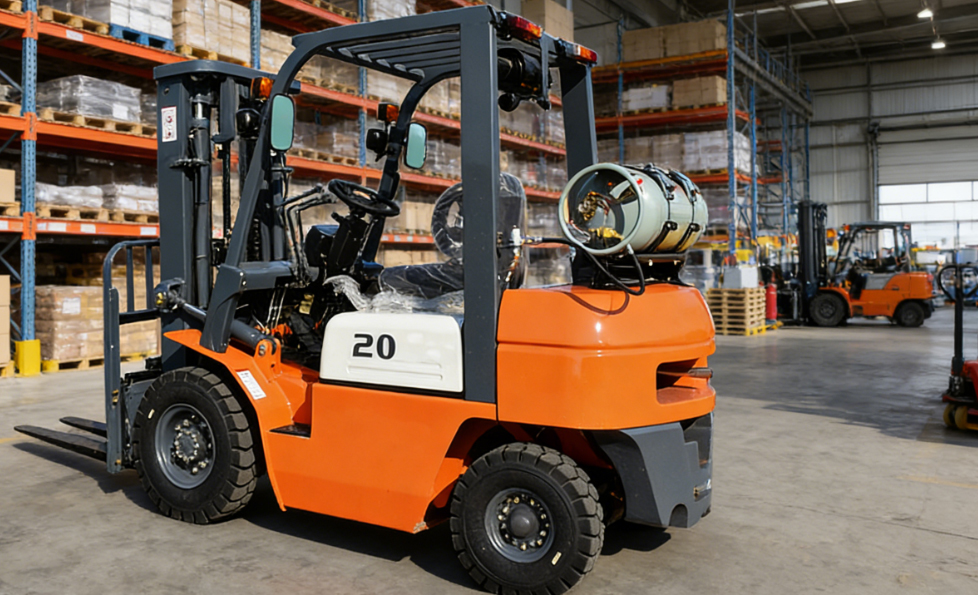
The efficiency gains from this mechanical advantage translate directly into labor productivity metrics. A single forklift operator can typically move materials that would require 10 to 15 workers using manual methods. In high-volume operations, this ratio becomes even more pronounced. A warehouse receiving 50 truckloads daily might require an army of manual laborers without forklifts, whereas a well-equipped forklift fleet with just a handful of operators can process the same volume in a fraction of the time.
Speed and Throughput: Accelerating Material Flow
Beyond raw lifting capacity, forklifts dramatically accelerate material flow through facilities. Travel speeds, while seemingly modest compared to highway vehicles, are optimized for industrial environments. Electric forklifts typically operate at 8-12 miles per hour, while internal combustion models may reach 15-18 miles per hour in open areas. These speeds, combined with rapid acceleration and deceleration capabilities, allow operators to traverse large warehouses quickly while maintaining control.
The concept of "double handling"—picking up a load, transporting it, and placing it in a single continuous operation—eliminates the intermediate steps inherent in manual transport. Workers using hand trucks or pallet jacks must often make multiple trips, transfer loads between equipment, or wait for assistance with heavy items. Forklifts consolidate these steps, reducing the number of touches per load and minimizing the time materials spend in transit.
In cross-docking operations, where speed is paramount, forklifts enable rapid transfer of goods from incoming to outgoing vehicles with minimal storage time. A skilled operator can unload a trailer, transport pallets across a dock, and load them onto an outbound truck in minutes rather than hours. This velocity is essential in industries with time-sensitive products, such as fresh food, pharmaceuticals, and just-in-time manufacturing components.
The integration of forklifts with warehouse management systems (WMS) further enhances throughput. Modern forklifts equipped with onboard computers and barcode scanners allow operators to receive real-time instructions, verify picks and putaways, and update inventory systems instantly. This connectivity eliminates the paper-based processes that once caused delays and errors, creating a seamless flow of information that matches the physical flow of materials.
Space Optimization: Maximizing Storage Density
Warehousing costs represent a significant portion of supply chain expenses, making space utilization a critical efficiency metric. Forklifts enable vertical storage strategies that multiply usable warehouse capacity without expanding the building footprint. High-reach forklifts, including reach trucks and turret trucks, can access pallets stored 40 feet or higher, effectively tripling or quadrupling storage density compared to floor-level storage.
Narrow aisle forklifts, which operate in aisles as slim as 5.5 to 6 feet wide, allow warehouses to increase rack density by 40-50% compared to standard aisle configurations. These specialized machines use rotating masts or articulated designs that enable load placement and retrieval in confined spaces. The trade-off between aisle width and storage density directly impacts facility costs—narrower aisles mean more racks, more inventory positions, and ultimately lower cost per pallet stored.
Very narrow aisle (VNA) forklifts take this concept further, operating in aisles as narrow as 4.5 feet with the assistance of wire or rail guidance systems. These systems ensure precise alignment within the aisle, allowing operators to focus on vertical movement rather than horizontal steering. The result is storage configurations that approach the theoretical maximum density for a given building height, transforming warehouse economics.
Even standard counterbalance forklifts contribute to space efficiency through their maneuverability. Tight turning radii and compact designs allow these machines to operate in spaces where larger equipment would be impractical. Side-loader forklifts, used for handling long loads such as lumber or pipes, can transport materials through standard doorways and aisles that would require excessive clearances for front-loading alternatives.
Safety Engineering: Protecting Workers and Loads
The safety improvements forklifts bring to material transport are equally significant as their efficiency gains, though they manifest differently. Manual material handling is a leading cause of workplace injuries, including back strains, hernias, crushed fingers, and falls. By mechanizing the lifting and transport of heavy loads, forklifts eliminate the ergonomic hazards that plague manual operations.
However, forklift operation itself introduces risks that manufacturers have addressed through comprehensive safety engineering. The Occupational Safety and Health Administration (OSHA) estimates that forklifts are involved in approximately 85 fatal accidents and 34,900 serious injuries annually in the United States alone. These statistics underscore the importance of the safety features integrated into modern forklift designs.
Stability systems represent the first line of defense. Forklifts incorporate sophisticated stability triangles and load-sensing technologies that prevent tip-overs, the most dangerous type of forklift accident. The stability triangle is an imaginary area connecting the front and rear wheels; if the combined center of gravity of the forklift and load moves outside this triangle, the vehicle becomes unstable. Modern systems use sensors to monitor load weight and distribution, warning operators when stability limits are approached.
Overhead guards and roll cages protect operators from falling objects, a critical feature in environments where overhead storage or stacking creates hazards. These structures must withstand significant impact forces, and their design is governed by strict international standards. Load backrests prevent materials from shifting backward onto the operator, while hydraulic systems incorporate pressure relief valves and velocity fuses that prevent uncontrolled descent if a hose fails.
Visibility enhancements have evolved considerably, addressing the inherent blind spots created by mast structures and large loads. Modern forklifts feature panoramic mirrors, camera systems, and proximity sensors that alert operators to pedestrians or obstacles in their path. Blue spotlights and red zone lights project warning zones on the floor around the forklift, alerting nearby workers to the machine's presence even in noisy environments where audible alarms might be missed.
Ergonomic Design: Reducing Operator Fatigue
Operator fatigue is a subtle but significant safety factor. Tired operators make poor decisions, react slowly, and are more likely to engage in risky behaviors. Forklift manufacturers have invested heavily in ergonomic designs that reduce physical and mental strain during long shifts.
Adjustable seats with lumbar support, armrests, and suspension systems isolate operators from vibrations transmitted through the chassis. Low-effort hydraulic controls reduce the physical demands of operating lifting mechanisms. Tilt-adjustable steering columns and suspended pedals accommodate operators of varying sizes, ensuring comfortable positioning that minimizes repetitive strain.
Cab designs have evolved to reduce noise levels, particularly in electric forklifts where the absence of engine noise creates opportunities for quieter operation. Climate-controlled cabs protect operators from extreme temperatures, maintaining alertness and comfort. These ergonomic improvements translate directly into safety benefits—comfortable operators are attentive operators, and attentive operators have fewer accidents.
Technological Integration: The Smart Forklift Revolution
The integration of advanced technologies has elevated forklift safety and efficiency to unprecedented levels. Telematics systems provide fleet managers with real-time data on forklift utilization, operator behavior, maintenance needs, and safety incidents. This data-driven approach enables predictive maintenance, reducing unexpected downtime by identifying component wear before failure occurs.
Automated guided vehicles (AGVs) and autonomous mobile robots (AMRs) represent the cutting edge of forklift technology. These driverless systems follow predefined paths or use artificial intelligence to navigate dynamic environments, eliminating human error from transport operations. AGVs operate continuously without fatigue, maintaining consistent speeds and following exact routes that optimize traffic flow. In high-volume, repetitive applications such as automotive manufacturing or e-commerce fulfillment, autonomous forklifts can operate 24/7 with minimal supervision.
Collision avoidance systems use LiDAR, radar, and computer vision to detect obstacles and automatically slow or stop the forklift when hazards are identified. These systems provide a safety net for momentary lapses in operator attention, addressing the reality that even well-trained humans are not infallible. Some advanced systems can differentiate between static obstacles and pedestrians, applying different response protocols based on the type of hazard detected.
Load-weighing technologies integrated into forklift hydraulics provide real-time weight verification, preventing overloading that could compromise stability or damage racking systems. These systems can interface with warehouse management software to verify that picked loads match expected weights, catching errors before they propagate through the supply chain.
Training and Certification: The Human Element
Technology alone cannot ensure safety; comprehensive training programs are essential. OSHA and similar regulatory bodies worldwide mandate formal forklift operator certification, requiring both classroom instruction and practical evaluation. These programs cover operational principles, load capacity calculations, stability considerations, hazard recognition, and proper operating techniques.
Effective training emphasizes the "competent person" concept—operators must not only know how to operate the equipment but also understand the physics and risks involved. They learn to assess load stability, calculate center of gravity, recognize environmental hazards such as uneven surfaces or overhead obstructions, and understand the limitations of their specific equipment.
Refresher training addresses skill degradation and introduces operators to new technologies or procedures. Many organizations implement ongoing evaluation programs where supervisors observe operations and provide corrective feedback. This continuous improvement approach maintains high safety standards and reinforces a culture where safe operation is valued as highly as productivity.
Environmental Considerations: Sustainable Material Handling
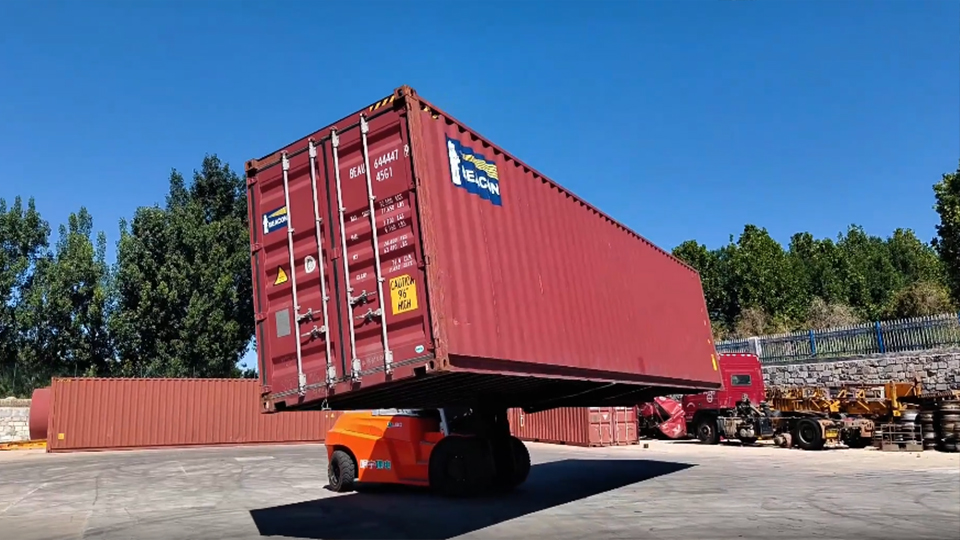
The evolution of forklift power systems reflects broader environmental concerns and contributes to operational efficiency in unexpected ways. Electric forklifts powered by lithium-ion batteries have largely replaced lead-acid batteries in many applications, offering faster charging, longer runtimes, and zero emissions during operation. These characteristics make electric forklifts suitable for indoor operations where air quality is a concern, eliminating the ventilation requirements and carbon monoxide monitoring necessary with internal combustion engines.
Fuel cell technology represents the next frontier, offering the rapid refueling of propane or diesel with the clean operation of electric power. Hydrogen fuel cell forklifts can be refueled in minutes compared to the hours required for battery charging, maximizing equipment utilization. These environmental benefits align with corporate sustainability goals while improving operational efficiency through reduced downtime.
Economic Impact: The Business Case for Forklifts
The economic rationale for forklift use extends beyond direct labor savings. Reduced product damage, lower injury costs, faster inventory turnover, and optimized space utilization all contribute to return on investment calculations. A single forklift might cost $20,000 to $50,000 depending on specifications, but the value it generates through efficiency gains typically justifies the investment within months in high-volume operations.
Total cost of ownership calculations must include maintenance, fuel or electricity, operator wages, training, and safety compliance costs. However, even comprehensive cost analyses typically show that mechanized material handling is substantially more economical than manual alternatives at scale. The ability to scale operations by adding equipment rather than hiring and training large numbers of manual laborers provides flexibility that is valuable in volatile markets.
Conclusion
Forklifts have earned their place as essential tools in modern material transport through a century of continuous innovation. Their contribution to operational efficiency is measurable in labor productivity gains, space utilization improvements, and accelerated material flow. Their safety benefits, while sometimes less quantifiable, are equally significant—protecting workers from the ergonomic hazards of manual handling while incorporating engineered safeguards that mitigate the risks inherent in mechanized transport.
As technology continues to advance, the integration of automation, artificial intelligence, and sustainable power systems promises to further enhance forklift capabilities. The fundamental principles of mechanical advantage, hydraulic precision, and operator protection that defined early forklift designs remain relevant, but they are now augmented by digital intelligence that optimizes every aspect of material movement.
For organizations seeking competitive advantage in increasingly complex supply chains, understanding and leveraging forklift capabilities is not merely an operational consideration—it is a strategic imperative. The efficiency and safety improvements these machines provide are foundational to modern commerce, enabling the rapid, reliable, and secure movement of goods that consumers and businesses depend upon every day.
Name: selena
Mobile:+86-13176910558
Tel:+86-0535-2090977
Whatsapp:8613181602336
Email:vip@mingyuforklift.com
Add:Xiaqiu Town, Laizhou, Yantai City, Shandong Province, China