
vip@mingyuforklift.com
+86-0535-2090977

Introduction
Forklift trucks represent one of the most versatile and indispensable pieces of material handling equipment in modern industry. Since their invention in the early 20th century, these powered industrial trucks have evolved from simple lifting devices into sophisticated machines that serve as the backbone of global supply chains. Today, forklifts operate in virtually every sector that involves the movement, storage, or distribution of goods—from massive port facilities handling intermodal containers to small retail backrooms managing daily deliveries.
The global forklift market continues to expand, driven by e-commerce growth, manufacturing automation, and the relentless pursuit of operational efficiency. Understanding the primary applications and benefits of forklift trucks requires examining their diverse roles across industries, the specific advantages they deliver in each context, and the technological innovations that continue to expand their capabilities. This comprehensive analysis explores how forklifts have become essential tools that transform material handling from a labor-intensive bottleneck into a streamlined, safe, and cost-effective process.
Primary Applications in Warehousing and Distribution
Warehousing and distribution centers represent the most visible and widespread application of forklift trucks. In these environments, forklifts perform the critical functions of receiving, putaway, replenishment, order picking, and shipping—collectively known as the warehouse material flow cycle.
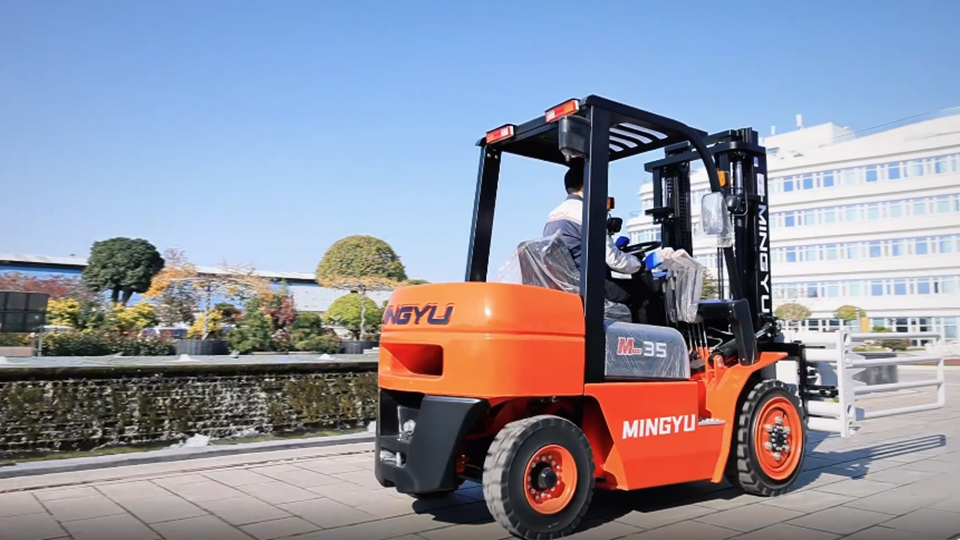
In receiving operations, forklifts unload inbound shipments from trucks, railcars, and containers. Counterbalance forklifts with standard mast configurations handle the majority of palletized goods, while specialized attachments such as carton clamps, push-pull systems, and slip sheet handlers accommodate non-palletized loads. The speed and precision of forklift unloading directly impact dock door turnaround times, a key performance indicator in high-velocity distribution operations.
Putaway operations involve transporting received goods to designated storage locations. Reach trucks and narrow aisle forklifts excel in this application, navigating tight rack configurations to place pallets at heights ranging from ground level to 40 feet or more. The ability to access vertical storage space transforms warehouse economics, allowing facilities to store three to four times more inventory per square foot than floor-stacking alternatives.
Order picking represents a particularly demanding forklift application. In full-pallet picking, operators retrieve entire pallet loads for shipment. In case-picking or piece-picking operations, forklifts may bring pallets to pick zones where workers extract individual items. Order picker forklifts, which elevate the operator along with the load, enable efficient picking from multiple rack levels without requiring ladders or scaffolding. These machines dramatically improve pick rates while reducing the ergonomic strain associated with manual picking methods.
Shipping operations mirror receiving in reverse, with forklifts loading outbound trailers and containers. Load sequencing—placing pallets in specific orders to facilitate unloading at destination facilities—is a sophisticated application that requires skilled operators and sometimes automated systems. Weight distribution within trailers is critical for safe transport, and forklift operators must understand load placement principles to prevent axle overloading and shifting during transit.
Cross-docking operations, where goods flow directly from inbound to outbound vehicles with minimal storage time, represent one of the most time-sensitive forklift applications. In these environments, forklifts must move with exceptional speed and precision, often operating in congested dock areas with multiple vehicles and pedestrians. The efficiency of cross-docking depends entirely on forklift throughput, making equipment selection and operator skill paramount.
Manufacturing and Production Support
Manufacturing facilities employ forklifts in diverse roles that extend far beyond simple material transport. Raw material receiving, work-in-process movement, finished goods storage, and shipping all require forklift support, often in environments with unique challenges such as narrow aisles, overhead cranes, and production line interfaces.
Just-in-time (JIT) manufacturing systems depend on precise forklift scheduling to deliver components to production lines exactly when needed. Late deliveries halt production; early deliveries create congestion and inventory waste. Forklift fleets in JIT environments often operate on fixed routes with timed schedules, functioning as an extension of the production process itself. Tugger trains—forklift-pulled carts that make milk-run deliveries to multiple workstations—represent an evolution of this concept, improving efficiency by delivering multiple loads in a single trip.
Heavy manufacturing applications, such as steel mills, foundries, and automotive plants, require specialized forklifts with capacities exceeding 50,000 pounds. These industrial forklifts handle steel coils, engine blocks, vehicle chassis, and other massive components that no other material handling equipment can manage. The robust construction and powerful engines of these machines enable operation in harsh environments with extreme temperatures, dust, and vibration.
Assembly line support often involves forklifts delivering parts to specific points along the production sequence. In automotive manufacturing, for example, forklifts transport seats, dashboards, engines, and other large components to the appropriate stations for installation. The timing of these deliveries must synchronize with the production takt time—the rate at which finished products emerge from the line. Forklift operators in these environments become integral members of the production team, their performance directly impacting overall line efficiency.
Retail and Wholesale Operations
Retail and wholesale businesses utilize forklifts in backroom storage, receiving docks, and floor replenishment operations. While smaller than warehouse applications, these uses are no less critical to business success.
Big-box retailers and grocery stores receive frequent deliveries that must be unloaded, checked, and moved to backroom storage quickly to maintain shelf availability. Stand-up forklifts and electric pallet jacks navigate tight receiving areas and narrow backroom aisles, often operating during business hours in proximity to customers. The compact dimensions and maneuverability of these machines make them ideal for constrained retail environments.
Wholesale clubs and home improvement stores use forklifts for both backroom operations and customer-facing applications. In lumber yards and garden centers, rough-terrain forklifts and telehandlers move heavy, bulky items such as building materials, bagged products, and potted plants. These outdoor-capable machines feature pneumatic tires, four-wheel drive, and high ground clearance for operation on unpaved surfaces.
Construction and Infrastructure Projects
Construction sites present some of the most challenging forklift applications, requiring machines that operate on uneven terrain, in adverse weather, and under tight deadlines. Rough-terrain forklifts, also known as straight-mast forklifts, dominate this sector with their large pneumatic tires, high ground clearance, and powerful diesel engines.
These machines transport building materials such as lumber, steel beams, roofing materials, and masonry across job sites. They load and unload delivery trucks at staging areas, move materials to work areas as construction progresses, and support demolition operations by removing debris. The ability to operate on slopes, mud, and loose surfaces makes rough-terrain forklifts essential for outdoor construction projects.
Telehandlers—forklifts with extendable booms—have largely supplanted traditional rough-terrain forklifts in many construction applications. The telescopic boom allows these machines to reach over obstacles, place loads at elevation, and function as mini cranes for lifting tasks. Attachments such as buckets, grapples, and work platforms further expand their utility, making telehandlers among the most versatile machines on modern construction sites.
Infrastructure projects including road construction, bridge building, and utility installation also rely on forklift support. These long-duration projects often establish material yards where forklifts organize and distribute supplies to multiple work fronts. The logistical complexity of coordinating materials across large project areas makes forklift efficiency a critical success factor.
Port and Intermodal Operations
Maritime ports and intermodal facilities handle enormous volumes of containerized cargo, and forklifts play essential supporting roles in these operations. While container cranes and straddle carriers handle the majority of container movements, forklifts manage breakbulk cargo, empty containers, and container stuffing and stripping operations.
Empty container handlers—specialized forklifts with top-lift or side-lift attachments—stack and transport empty shipping containers in depot facilities. These machines stack containers up to eight high, maximizing the density of empty container storage. The ability to handle containers without crane support provides flexibility in depot operations and reduces congestion at crane-served areas.
Reach stackers, a type of heavy forklift with telescopic booms, handle loaded containers in smaller ports and inland terminals where full container cranes are not economically justified. These machines can lift loaded containers weighing up to 45 tons and stack them several high, providing cost-effective container handling for facilities with moderate throughput.
Inside warehouses and distribution centers associated with port operations, standard forklifts manage the flow of palletized cargo that has been deconsolidated from containers. The integration of port operations with inland distribution creates complex material flows where forklifts serve as the connective tissue between maritime and land-based logistics.
Agriculture and Food Processing
Agricultural operations utilize forklifts for handling produce, livestock feed, equipment, and packaging materials. In grain storage facilities, forklifts with specialized attachments handle bagged grain, feed pellets, and agricultural chemicals. Cold storage warehouses for fruits and vegetables depend on forklifts that can operate reliably in refrigerated and frozen environments.
Food processing plants present unique challenges including strict hygiene requirements, temperature extremes, and contamination risks. Stainless steel forklifts with sealed components resist corrosion from cleaning chemicals and moisture. Electric forklifts eliminate exhaust emissions that could contaminate food products. These specialized machines handle raw ingredients, work-in-process materials, and finished packaged goods through all stages of food production.
Beverage distribution represents a particularly demanding forklift application. Cases of bottled beverages are heavy, slippery, and fragile. Carton clamps and multi-pallet handlers allow forklifts to move large quantities efficiently while minimizing product damage. The high volume and weight of beverage products make manual handling impractical, making forklifts essential to beverage logistics.
Recycling and Waste Management
Recycling facilities and waste management operations employ rugged forklifts to handle bales of compressed materials, scrap metal, and waste containers. These environments are abrasive and corrosive, requiring forklifts with enhanced protection for engines, hydraulics, and electrical systems.
Scrap metal yards use large-capacity forklifts with specialized grapple attachments to sort, stack, and load metal pieces for processing or shipment. The irregular shapes and extreme weights of scrap metal loads demand robust machines with exceptional stability. Paper and plastic recycling facilities handle bales of compressed material that, while uniform in shape, can weigh several tons and must be stacked efficiently to maximize storage density.
Waste transfer stations use forklifts to organize containerized waste for transport to disposal or processing facilities. The ability to compact and stack waste containers reduces transportation costs by maximizing payload per truck. In these applications, forklift reliability is critical—equipment downtime can cause backups that halt entire waste collection operations.
Specialized and Emerging Applications
Beyond these established applications, forklifts serve numerous specialized roles. Aircraft ground support equipment includes forklifts designed for loading cargo into aircraft holds, with low profiles and specialized dimensions to fit within aircraft cargo doors. Military logistics operations employ ruggedized forklifts capable of operating in extreme climates and austere conditions.
The emergence of automation has created new forklift applications in environments previously unsuitable for human operators. Automated guided vehicles (AGVs) and autonomous mobile robots (AMRs) operate in cleanroom environments for semiconductor and pharmaceutical manufacturing, in sub-zero frozen food warehouses, and in hazardous material handling facilities where human exposure risks are unacceptable.
Core Benefits Across All Applications
Regardless of the specific application, forklift trucks deliver consistent benefits that justify their widespread adoption. Labor productivity improvement is the most immediate and measurable benefit. A single forklift operator can accomplish material handling tasks that would require multiple workers using manual methods, and can do so faster and with less physical strain. This productivity multiplier allows organizations to scale operations without proportionally increasing labor costs.
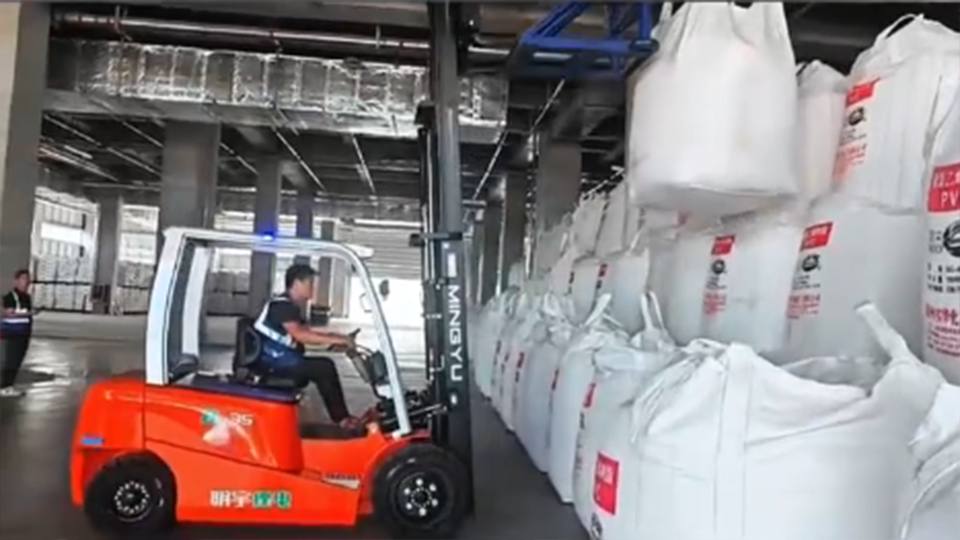
Space utilization optimization represents another universal benefit. Forklifts enable vertical storage strategies that multiply warehouse capacity without expanding building footprints. In expensive real estate markets, the ability to store more inventory in existing space provides substantial cost savings and delays or eliminates the need for facility expansion.
Load protection and quality preservation benefit operations handling fragile, perishable, or high-value goods. Forklift handling, when performed correctly, subjects products to less shock and stress than manual throwing, dragging, or dropping. Specialized attachments such as carpet poles, drum handlers, and rotators accommodate delicate loads that would be impossible to move manually without damage.
Safety improvements, while sometimes overlooked in productivity-focused analyses, are among the most significant forklift benefits. By mechanizing heavy lifting, forklifts eliminate the back injuries, strains, and crush injuries associated with manual material handling. Modern forklifts incorporate stability systems, operator protection structures, and visibility enhancements that further reduce accident risks.
Operational flexibility allows businesses to adapt to changing demands. Forklift fleets can be reconfigured, redeployed, and supplemented more easily than fixed conveyor systems or automated infrastructure. This flexibility is particularly valuable in volatile markets where demand patterns shift unpredictably.
Conclusion
Forklift trucks have earned their status as essential industrial equipment through decades of proven performance across diverse applications. From warehousing and manufacturing to construction and agriculture, these versatile machines solve material handling challenges that would otherwise constrain operational efficiency and worker safety. The benefits they deliver—productivity multiplication, space optimization, load protection, safety enhancement, and operational flexibility—translate directly into competitive advantage for the organizations that deploy them effectively.
As technology continues to advance, the applications and benefits of forklifts will expand further. Automation, electrification, and digital integration are transforming these already-capable machines into intelligent components of connected supply chains. Yet even as technology evolves, the fundamental value proposition of forklift trucks remains unchanged: they enable human beings to accomplish material handling tasks that exceed their natural capabilities, safely and efficiently, in virtually every environment where goods are produced, stored, or distributed.
Name: selena
Mobile:+86-13176910558
Tel:+86-0535-2090977
Whatsapp:8613181602336
Email:vip@mingyuforklift.com
Add:Xiaqiu Town, Laizhou, Yantai City, Shandong Province, China
