
vip@mingyuforklift.com
+86-0535-2090977

The modern global economy depends upon the seamless movement of goods from manufacturers to consumers, a process that requires sophisticated material handling capabilities at every stage. At the center of this physical infrastructure stands the forklift, a powered industrial truck that has evolved from a simple lifting aid into an indispensable component of contemporary logistics and manufacturing operations. Forklifts have become so deeply embedded in supply chain operations that imagining efficient warehousing, distribution, or production without them is practically impossible. This article examines the multifaceted reasons why forklifts remain essential equipment in modern logistics and manufacturing, exploring their operational necessity, economic impact, technological evolution, and the critical functions they perform that no alternative can replicate at comparable scale.
The Foundation of Warehouse Operations
Warehouses serve as the critical nodes in supply chain networks, temporarily storing inventory, consolidating shipments, and fulfilling orders with speed and accuracy. Forklifts form the operational backbone of these facilities, enabling the fundamental activities that define warehouse functionality. Without forklifts, the very concept of a modern warehouse—a multi-level structure filled with palletized goods stacked to the ceiling—would be unworkable. The vertical storage paradigm that maximizes space efficiency and inventory density depends entirely on mechanical lifting equipment capable of safely positioning loads at height.
The essential nature of forklifts in warehousing becomes apparent when examining throughput requirements. A typical distribution center processing thousands of orders daily must move tens of thousands of pallets through receiving, storage, picking, and shipping processes. Manual handling of these volumes would require workforces so large as to render operations economically unviable. A single forklift operator can move 20 to 30 pallets per hour in standard applications, a productivity level that manual labor cannot approach. This capacity multiplier enables the economies of scale that make centralized distribution profitable and consumer goods affordable.
Modern warehouses increasingly operate as sophisticated fulfillment engines rather than simple storage facilities. E-commerce demands have transformed warehouses into order assembly operations where individual items must be retrieved from massive inventories and consolidated into outbound shipments. Forklifts serve this evolution through specialized configurations such as order pickers, which elevate operators to pick individual items from elevated locations, and turret trucks, which can retrieve pallets from extremely narrow aisles while the operator remains at ground level. These adaptations demonstrate how forklift technology evolves to meet changing operational requirements, maintaining its essential status even as warehouse functions transform.
Enabling Efficient Manufacturing and Production Flow
In manufacturing environments, forklifts serve purposes that extend beyond material storage to encompass the orchestration of production logistics. Modern manufacturing relies upon just-in-time and lean production methodologies that minimize inventory buffers and require precise material delivery to production lines. Forklifts function as the mobile infrastructure that makes these methodologies feasible, transporting raw materials from receiving docks to production areas, moving work-in-process inventory between manufacturing stages, and removing finished goods to shipping departments.
The synchronization of material flow with production schedules represents a critical competitive factor in manufacturing. Production line stoppages caused by material shortages can cost thousands of dollars per minute in lost output. Forklifts enable the reliable internal logistics that prevent such disruptions, with dedicated fleet operations ensuring that components arrive at specified intervals and in correct sequences. In automotive manufacturing, for example, forklifts deliver parts kits directly to assembly stations, with timing precision measured in minutes. The absence of capable material handling equipment would force manufacturers to maintain excessive inventory buffers, increasing working capital requirements and reducing operational flexibility.
Manufacturing environments also present material handling challenges that forklifts are specifically engineered to address. Heavy industrial loads, such as steel coils, dies, and machinery components, exceed human lifting capacity by orders of magnitude. Specialized forklifts with attachments including coil rams, drum handlers, and multiple load handlers manage these demanding applications. Explosion-proof forklifts operate safely in chemical processing and pharmaceutical manufacturing where standard equipment would present ignition hazards. These specialized configurations demonstrate how forklift technology adapts to serve essential functions in diverse industrial contexts.
The Economics of Mechanized Material Handling
The economic case for forklifts as essential equipment rests upon compelling productivity and cost considerations. Labor constitutes the largest operational expense in most logistics and manufacturing operations, and forklifts multiply the productive output of individual workers by factors ranging from 10 to 100 depending on the application. This productivity enhancement translates directly into lower per-unit handling costs, enabling the pricing structures that support modern retail and distribution models.
Comparative analysis reveals the economic imperative of mechanized handling. A warehouse worker manually moving pallets using pallet jacks might handle 50 to 100 pallets during an eight-hour shift under optimal conditions. A forklift operator processing similar loads can move 150 to 250 pallets in the same period, with the differential increasing substantially when vertical storage access is required. The labor cost per pallet moved drops proportionally, creating economic advantages that compound across high-volume operations. For a facility processing one million pallets annually, the cost differential between manual and forklift-assisted handling can represent millions of dollars in operational savings.
Capital efficiency considerations further reinforce the essential nature of forklifts. Warehouse real estate represents a significant fixed cost, and the vertical storage enabled by forklifts maximizes inventory capacity within a given footprint. Facilities utilizing high-bay racking systems with reach trucks or turret trucks achieve storage densities 40 to 60 percent higher than ground-level alternatives. This space efficiency reduces facility requirements, lowering both occupancy costs and the environmental impact of industrial real estate development. The capital invested in forklift equipment generates returns through reduced facility requirements that typically exceed equipment costs over the operational lifespan.
Safety and Ergonomic Imperatives
Beyond productivity and economics, forklifts serve essential functions in protecting worker health and safety. Manual material handling remains a leading cause of occupational injuries, with the Bureau of Labor Statistics consistently reporting that musculoskeletal disorders related to lifting and carrying account for a substantial percentage of workplace incidents. Forklifts eliminate the direct physical strain of moving heavy materials, transferring mechanical loads from human bodies to engineered equipment designed specifically for such stresses.
The safety benefits of forklift utilization extend beyond injury prevention to encompass systematic hazard reduction. Modern forklifts incorporate sophisticated safety systems including stability control, load weight indicators, automatic speed reduction in turns, and collision avoidance technologies. These features protect operators and pedestrians in busy industrial environments where large equipment and foot traffic share confined spaces. Overhead guards, load backrests, and ergonomic operator compartments further reduce accident risks and operator fatigue.
Regulatory frameworks reinforce the essential nature of forklifts in maintaining safe operations. Occupational safety standards establish requirements for material handling that effectively mandate mechanical assistance for loads exceeding specified weights. Compliance with these standards requires forklift utilization in most industrial contexts, making their presence not merely economically advantageous but legally necessary. The regulatory infrastructure surrounding workplace safety has evolved with the assumption that powered industrial trucks will be available, embedding their essential status in the legal framework governing industrial operations.
Adaptability to Diverse Operational Requirements
The essential nature of forklifts derives partly from their extraordinary adaptability to diverse applications and environments. Unlike specialized automation systems designed for specific tasks, forklift platforms serve as flexible bases that accommodate hundreds of attachments and configurations. This adaptability enables a single equipment category to address needs ranging from standard pallet handling to highly specialized industrial applications.
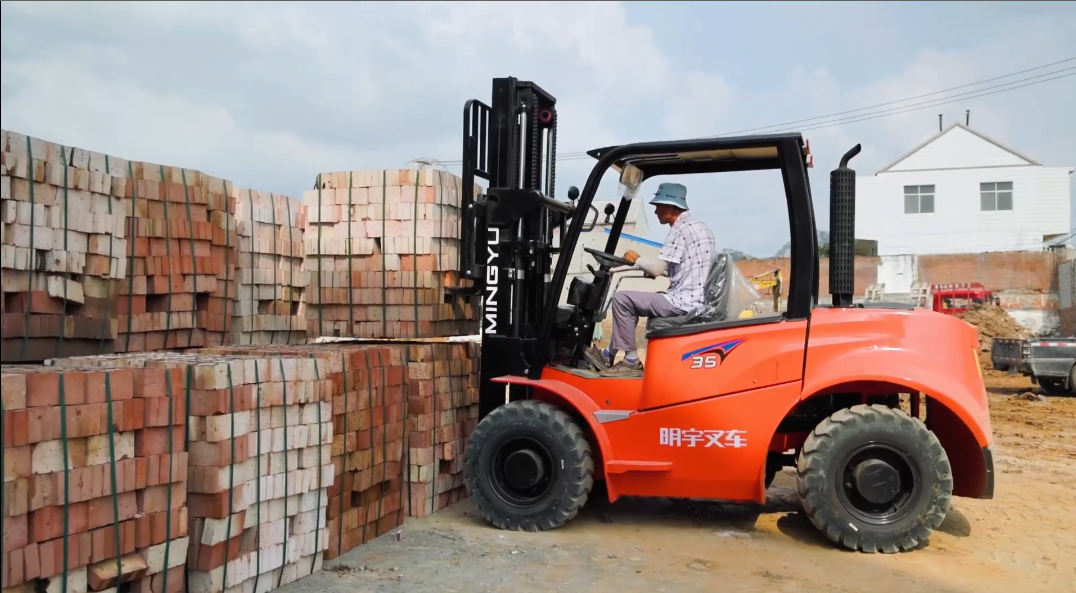
In cold storage and frozen food distribution, forklifts operate in environments maintained at temperatures as low as minus 20 degrees Fahrenheit, with specialized models featuring heated operator compartments and cold-weather hydraulic systems. In outdoor lumber yards and construction material distribution, rough terrain forklifts navigate unpaved surfaces while handling loads that would challenge standard warehouse equipment. In maritime logistics, heavy-duty forklifts manage containerized cargo in port environments, bridging the gap between ship-to-shore cranes and inland transportation.
The attachment ecosystem exponentially expands forklift utility. Side shifters enable precise load positioning without repositioning the entire vehicle. Paper roll clamps handle cylindrical loads without pallets, reducing shipping weight and material costs. Multiple pallet handlers simultaneously transport several pallets, doubling productivity in high-volume applications. Rotators invert loads for dumping or repositioning. This modular adaptability ensures that forklift platforms can be configured for virtually any material handling requirement, reinforcing their essential status across industries.
Integration with Modern Supply Chain Technologies
Contemporary logistics and manufacturing operations increasingly depend upon digital systems for inventory management, order processing, and operational optimization. Forklifts have evolved to integrate seamlessly with these technologies, transforming from purely mechanical devices into connected components of digital supply chain ecosystems. This technological integration reinforces their essential status by ensuring that material handling equipment keeps pace with broader operational digitization.
Warehouse management systems communicate directly with forklift-mounted terminals, providing operators with real-time instructions for put-away, picking, and replenishment tasks. Barcode and RFID scanning capabilities integrated into forklift operations enable instantaneous inventory tracking, eliminating the latency and error rates associated with paper-based processes. Telematics systems collect operational data including utilization rates, operator performance, maintenance requirements, and safety incidents, enabling data-driven fleet optimization that maximizes return on equipment investment.
The emergence of automated guided vehicles and autonomous mobile robots derived from forklift platforms represents the most significant technological evolution in material handling. These systems perform repetitive horizontal transport and, increasingly, complex put-away and retrieval operations without human operators. While currently representing a minority of total forklift deployments, autonomous models are growing rapidly as artificial intelligence and sensor technologies mature. The trajectory toward automation suggests that forklift-derived equipment will remain essential even as the nature of human involvement in material handling evolves.
Sustainability and Environmental Considerations
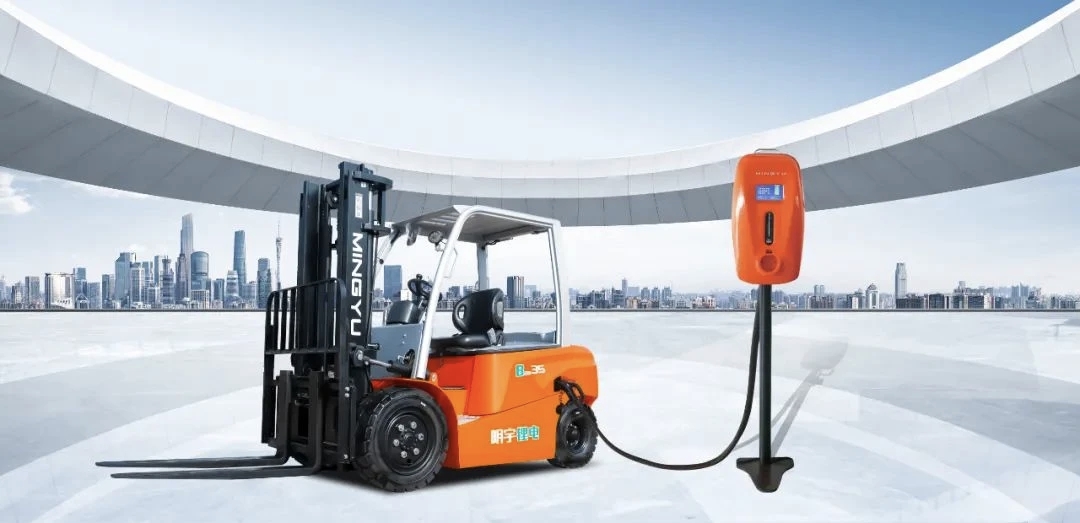
Environmental sustainability has become an essential consideration in modern logistics and manufacturing, and forklift technology has evolved to address these concerns. The transition from internal combustion engines to electric powertrains reduces emissions in indoor environments and supports corporate sustainability objectives. Lithium-ion battery technology has extended the operational range and reduced the charging infrastructure requirements of electric forklifts, making them viable for applications previously dominated by propane or diesel models.
The space efficiency enabled by forklift-supported vertical storage contributes indirectly to environmental sustainability by reducing the industrial real estate footprint required for given inventory volumes. Fewer and smaller facilities translate to reduced energy consumption for heating, cooling, and lighting, as well as diminished environmental impact from construction and land use. The productivity advantages of forklift utilization also reduce the transportation requirements associated with material handling, as consolidated, efficient operations minimize the vehicle movements and associated emissions within facilities.
The Competitive Imperative
In an economic environment characterized by thin margins and intense competition, operational efficiency often determines business survival. Companies that fail to exploit available productivity advantages, including mechanized material handling, face cost structures that render them uncompetitive. The ubiquity of forklift utilization across logistics and manufacturing creates an operational baseline that businesses must meet to remain viable. A warehouse attempting to compete while relying primarily on manual handling would face cost disadvantages so substantial as to preclude competitive pricing.
This competitive dynamic creates a self-reinforcing cycle that establishes forklifts as essential equipment. As industry leaders optimize operations through forklift utilization and associated technologies, market expectations for speed, accuracy, and cost efficiency adjust accordingly. Customers and supply chain partners come to expect the service levels that mechanized handling enables, making forklift investment not merely advantageous but necessary for market participation. The essential nature of forklifts is thus embedded in the competitive structure of modern commerce.
Conclusion
Forklifts have earned their status as essential equipment in modern logistics and manufacturing through decades of proven performance across diverse applications. They enable the vertical storage paradigms that maximize warehouse efficiency, support the precise material flows that sustain lean manufacturing, deliver economic advantages that determine competitive viability, protect worker safety in demanding industrial environments, and adapt to evolving technological and operational requirements. The integration of digital technologies and the trajectory toward autonomous operation suggest that forklift-derived equipment will remain central to material handling even as specific operational roles evolve.
The essential nature of forklifts extends beyond their mechanical functions to encompass their role as enablers of contemporary commerce. The distribution networks that deliver goods to consumers within hours of ordering, the manufacturing systems that produce complex products with minimal inventory, and the industrial safety standards that protect millions of workers all assume the availability of capable material handling equipment. As supply chains continue to evolve in response to globalization, e-commerce growth, and sustainability imperatives, the fundamental need to move, position, and store physical materials efficiently ensures that forklifts will remain indispensable components of logistics and manufacturing infrastructure for the foreseeable future.
Name: selena
Mobile:+86-13176910558
Tel:+86-0535-2090977
Whatsapp:8613181602336
Email:vip@mingyuforklift.com
Add:Xiaqiu Town, Laizhou, Yantai City, Shandong Province, China
