
vip@mingyuforklift.com
+86-0535-2090977

Forklifts represent one of the most transformative pieces of material handling equipment ever developed, fundamentally reshaping how warehouses and industrial facilities operate. Since their invention in the early 20th century, these powered industrial trucks have evolved from simple lifting devices into sophisticated machines capable of performing complex logistics operations. Today, forklifts serve a multitude of critical purposes across warehouse and industrial environments, enabling businesses to achieve efficiency, safety, and scalability that would be impossible through manual labor alone. This article explores the comprehensive roles forklifts play in modern supply chain operations, examining their functional applications, operational benefits, and the technological innovations that continue to expand their utility.
Core Material Handling and Vertical Storage
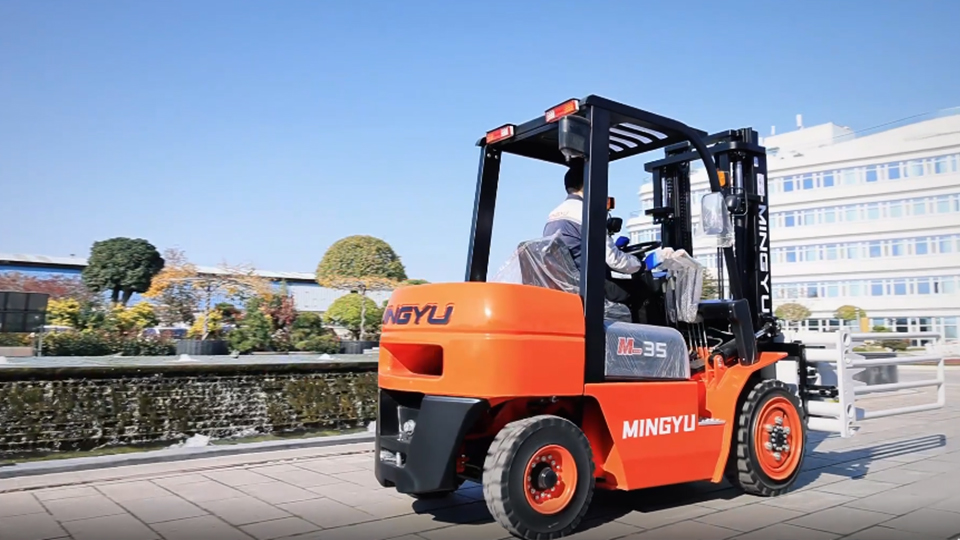
At the most fundamental level, forklifts serve the essential purpose of lifting, transporting, and positioning heavy materials that exceed human physical capabilities. In warehouse environments, this core function manifests in several critical applications. Standard counterbalance forklifts, the most common type found in industrial settings, handle palletized goods weighing thousands of pounds with relative ease. A typical warehouse forklift can lift loads ranging from 3,000 to over 50,000 pounds, depending on the model and configuration, reaching heights of 20 feet or more to access elevated racking systems.
The vertical storage capability that forklifts provide has revolutionized warehouse design and space utilization. Before widespread forklift adoption, warehouses relied on ground-level storage and manual stacking, severely limiting inventory capacity. Modern warehouses employ selective pallet racking, drive-in racking, and push-back racking systems that extend 30 feet or higher, with specialized high-reach forklifts and turret trucks accessing the uppermost levels. This vertical integration allows facilities to store significantly more inventory within the same footprint, directly reducing real estate costs and enabling centralized distribution models that serve broader geographic regions.
Reach trucks, designed specifically for narrow-aisle warehouse operations, exemplify how forklift specialization enhances storage density. These machines can operate in aisles as narrow as 7.5 feet while extending their forks forward to retrieve pallets from deep within racking systems. The combination of narrow-aisle forklifts and optimized racking configurations can increase storage capacity by 40-50% compared to traditional wide-aisle layouts, representing substantial capital efficiency for warehouse operators.
Loading, Unloading, and Cross-Docking Operations
One of the most time-sensitive applications of forklifts occurs at the intersection of transportation and storage—loading docks. Forklifts serve as the primary interface between over-the-road vehicles and warehouse inventory, performing the critical transfer of goods from trailers to storage locations and vice versa. In high-volume distribution centers, a single forklift might load or unload dozens of trailers daily, with operational efficiency directly impacting carrier detention costs and delivery schedules.
The loading dock environment presents unique challenges that forklifts are specifically engineered to address. Container handlers and specialized dock forklifts navigate the confined spaces of semi-trailers and shipping containers, often working with uneven surfaces and limited maneuvering room. Side-loader forklifts and multi-directional models enable operators to handle long loads such as lumber, pipes, and carpet rolls within these constrained spaces. The speed and precision of forklift operations at the dock directly influence warehouse throughput, with automated loading systems and high-speed forklifts capable of processing hundreds of pallets per hour.
Cross-docking operations, where incoming goods are immediately sorted and transferred to outbound vehicles with minimal storage time, represent an extreme application of forklift efficiency. In these facilities, forklifts serve as the execution mechanism for just-in-time logistics, moving products directly from receiving to shipping in a continuous flow. The ability to rapidly reposition pallets without intermediate storage requires precise coordination between forklift operators, warehouse management systems, and transportation schedules. Successful cross-docking operations can reduce inventory holding costs by 30-50% while accelerating delivery times, with forklifts serving as the physical enablers of this streamlined supply chain strategy.
Order Fulfillment and Picking Operations
As e-commerce has transformed consumer expectations, warehouses have shifted from bulk storage facilities to sophisticated order fulfillment centers. Forklifts have adapted to serve this evolution through specialized configurations that support piece picking, case picking, and mixed pallet building. Order picker forklifts, featuring elevated platforms that raise operators alongside the forks, enable manual selection of individual items from high-bay racking. These machines transform forklifts from pure material movers into integrated workstations where operators can access inventory at height while maintaining ergonomic positioning.
In full-case and pallet picking operations, forklifts equipped with barcode scanners and warehouse management system integration serve as mobile data collection points. Operators receive pick instructions via onboard terminals, navigate to the designated location, scan the product to confirm accuracy, and transport the picked items to consolidation areas. This integration of material handling and information management reduces picking errors to less than 0.1% in well-managed operations while increasing productivity by 200-300% compared to manual paper-based picking methods.
The emergence of hybrid picking strategies, where automated storage and retrieval systems work alongside manual forklift operations, demonstrates the continued relevance of human-operated forklifts in increasingly automated environments. Forklifts serve as the flexible component in these systems, handling exceptions, managing oversized items, and performing tasks that fall outside the rigid operational parameters of fully automated equipment. This complementary role ensures that forklifts remain essential even as warehouse automation advances.
Manufacturing Support and Production Logistics
Beyond traditional warehousing, forklifts serve critical functions within manufacturing and industrial production environments. In these settings, forklifts function as the circulatory system of the facility, transporting raw materials from receiving areas to production lines, moving work-in-process inventory between manufacturing stages, and delivering finished goods to shipping departments. The just-in-time manufacturing philosophy, which minimizes inventory buffers and requires precise material delivery scheduling, depends heavily on reliable forklift operations.
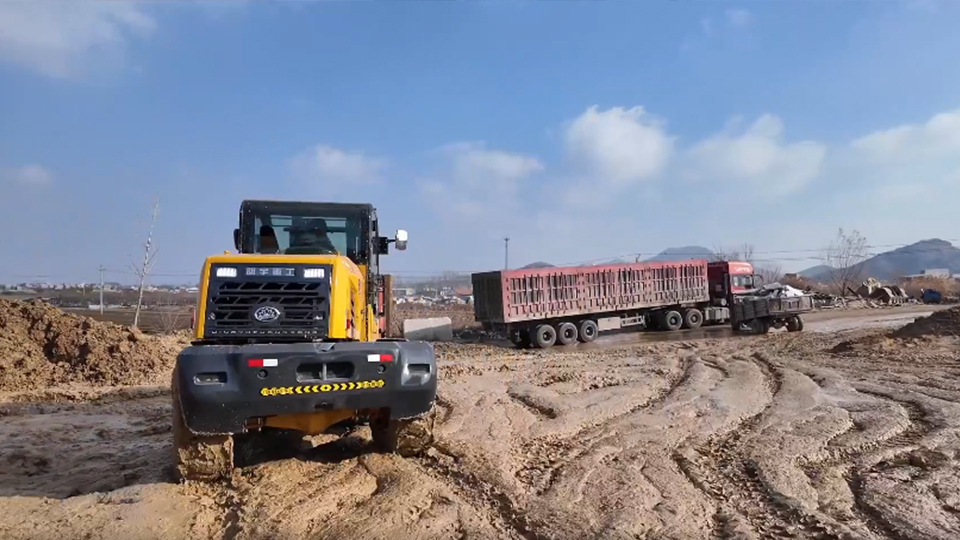
Specialized industrial forklifts address the unique demands of manufacturing environments. Rough terrain forklifts navigate unpaved yards and construction sites, handling building materials and heavy equipment. Explosion-proof forklifts operate in chemical plants, refineries, and other hazardous environments where standard equipment would present ignition risks. Coil handlers and ram attachments enable forklifts to transport steel coils, paper rolls, and other cylindrical loads that would be unstable on standard forks. These specialized configurations demonstrate how forklift technology adapts to serve specific industrial applications.
In assembly operations, forklifts often deliver components directly to production stations at scheduled intervals, supporting lean manufacturing principles. Milk run logistics, where a single forklift makes scheduled rounds to multiple production areas, optimizes material flow while minimizing aisle congestion. The timing and reliability of these internal logistics operations directly impact production efficiency, with forklift downtime potentially causing expensive line stoppages. Consequently, many manufacturers maintain dedicated forklift fleets with preventive maintenance programs designed to maximize equipment availability.
Safety and Ergonomic Benefits
While productivity gains often receive primary attention, forklifts serve equally important purposes in enhancing workplace safety and ergonomics. Manual material handling remains a leading cause of workplace injuries, with the Bureau of Labor Statistics consistently reporting hundreds of thousands of musculoskeletal disorders annually related to lifting, carrying, and pushing heavy loads. Forklifts eliminate the direct physical strain of moving heavy materials, transferring the mechanical burden from human workers to engineered equipment.
Modern forklift design incorporates numerous safety features that protect both operators and pedestrians in busy industrial environments. Overhead guards protect operators from falling objects, while load backrests prevent materials from shifting backward onto the operator compartment. Stability control systems, including active mast control and speed-sensitive steering, reduce the risk of tip-over accidents—the most dangerous category of forklift incidents. Blue spotlights, pedestrian warning systems, and collision avoidance technologies address the visibility challenges inherent in operating large equipment in spaces shared with foot traffic.
Ergonomically, forklift cabs have evolved significantly to reduce operator fatigue and repetitive stress injuries. Adjustable seats with suspension systems, tilt-adjustable steering columns, and climate-controlled compartments minimize physical strain during long shifts. These ergonomic improvements serve the dual purpose of protecting operator health and maintaining productivity, as fatigued operators are more prone to errors and accidents.
Specialized Applications and Emerging Technologies
The versatility of forklift platforms enables numerous specialized applications that extend beyond conventional material handling. In cold storage environments, forklifts operate in sub-zero temperatures that would incapacitate unprotected workers, with specialized models featuring heated cabs and cold-weather hydraulic fluids. In the beverage industry, clamp attachments allow forklifts to handle unitized loads without pallets, reducing shipping weight and material costs. In recycling and waste management, grapple attachments transform forklifts into material recovery tools capable of handling loose materials and irregular loads.
The integration of automation and digital technologies represents the most significant evolution in forklift functionality. Automated guided vehicles (AGVs) and autonomous mobile robots (AMRs) derived from forklift platforms now operate in increasingly complex warehouse environments without human operators. These systems serve purposes ranging from repetitive horizontal transport to fully autonomous put-away and retrieval operations. While currently representing a small percentage of total forklift deployments, autonomous models are growing rapidly as sensor technology and artificial intelligence capabilities mature.
Telematics systems installed on modern forklifts serve fleet management purposes that extend beyond the immediate material handling task. These systems collect data on utilization rates, operator performance, maintenance needs, and safety incidents, enabling data-driven fleet optimization. Predictive maintenance algorithms analyze operational data to forecast component failures before they occur, maximizing equipment uptime. This convergence of physical material handling with digital information management exemplifies how forklifts continue to evolve in response to broader industrial digitization trends.
Economic Impact and Operational Considerations
The economic purpose that forklifts serve in warehouse and industrial environments cannot be overstated. Labor represents the largest operational cost in most warehousing operations, and forklifts multiply the productivity of individual workers by factors of 10 to 100 depending on the application. A single forklift operator can move materials that would require dozens of workers to handle manually, fundamentally altering the economics of material handling. This productivity multiplier enables the large-scale distribution networks that support modern retail and e-commerce, making next-day and same-day delivery economically viable.
However, realizing these economic benefits requires careful attention to operational factors. Forklift fleet sizing must balance capital investment against utilization rates, with underutilized equipment representing wasted resources and insufficient capacity creating operational bottlenecks. Power source selection—whether lead-acid batteries, lithium-ion batteries, or internal combustion engines—impacts operational costs, maintenance requirements, and environmental compliance. Training and certification programs ensure that operators can safely and efficiently exploit forklift capabilities while complying with occupational safety regulations.
The total cost of ownership for forklift fleets extends beyond acquisition costs to include maintenance, energy, insurance, and facility modifications required to support forklift operations. Aisle width requirements, floor load capacities, ventilation needs for internal combustion models, and charging infrastructure for electric units all represent facility investments tied to forklift deployment. Understanding these comprehensive costs is essential for realizing the economic benefits that forklifts are capable of delivering.
Conclusion
Forklifts serve purposes in warehouse and industrial environments that extend far beyond simple material lifting. They enable vertical storage optimization, facilitate efficient loading and unloading operations, support sophisticated order fulfillment processes, maintain manufacturing production flows, enhance workplace safety, and adapt to specialized applications through technological innovation. As supply chains continue to evolve in response to e-commerce growth, globalization, and sustainability pressures, forklifts remain essential tools that bridge the gap between manual capabilities and operational requirements.
The continued development of autonomous operation, electrification, and digital integration suggests that the purposes forklifts serve will expand rather than contract in coming years. While new technologies may automate certain forklift functions, the fundamental need to move, position, and store physical materials within industrial environments ensures that forklift-derived equipment will remain central to warehouse and manufacturing operations. Understanding the comprehensive roles that forklifts serve enables organizations to optimize their material handling strategies, maximize return on equipment investment, and maintain competitive operational capabilities in an increasingly demanding logistics landscape.
Name: selena
Mobile:+86-13176910558
Tel:+86-0535-2090977
Whatsapp:8613181602336
Email:vip@mingyuforklift.com
Add:Xiaqiu Town, Laizhou, Yantai City, Shandong Province, China
