
vip@mingyuforklift.com
+86-0535-2090977

Introduction: The Foundation of Modern Logistics
In the modern industrial landscape, efficient material handling is pivotal for operational success. Businesses across various sectors rely on forklifts as an integral part of their logistics and supply chain management . These machines have evolved from simple hydraulic lifting devices to sophisticated material handling systems that define warehouse productivity, manufacturing throughput, and distribution efficiency. Understanding the multifaceted advantages of forklifts requires examining their impact on productivity, safety, space utilization, ergonomics, and overall operational economics.
The transition from manual material handling to mechanized forklift operations represents one of the most significant productivity leaps in industrial history. Where teams of workers once struggled to move heavy pallets, a single operator now accomplishes the same task in a fraction of the time with greater precision and reduced physical strain. This transformation is not merely about moving faster—it fundamentally restructures how facilities organize their workflows, utilize vertical space, and protect their workforce.
Productivity and Efficiency Gains
Quantifiable Throughput Improvements
The most immediately apparent advantage of forklift utilization is the dramatic increase in material movement speed. Forklifts can carry much heavier loads than human workers, reducing the time and effort required to move items from one location to another . In a bustling warehouse, a single forklift can replace the hand labor of several workers, enabling faster loading and unloading of goods . This multiplier effect becomes particularly evident during peak operational periods when dock doors must be cleared rapidly to maintain supply chain schedules.
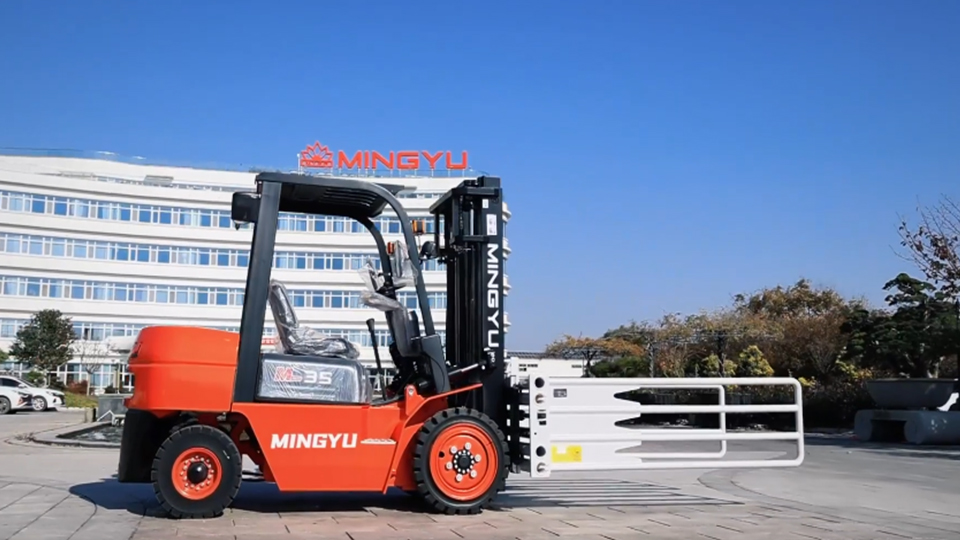
Stacker forklifts exemplify this efficiency advantage. These compact, powered pallet stackers are specifically designed to move goods and materials efficiently in tight spaces, and they can handle horizontal and vertical movements which makes them ideal for stacking goods in warehouses with limited floor space . Tasks that traditionally require multiple workers can now be completed by a single operator, significantly increasing warehouse productivity .
Continuous Operation Capability
Unlike human labor, which requires rest periods and is subject to fatigue-induced performance degradation, forklifts can operate continuously across multiple shifts with minimal downtime for refueling or battery changes. Electric forklifts, in particular, can be opportunity-charged during breaks, enabling near-continuous operation in high-throughput environments . This operational continuity ensures that material flow remains constant, preventing the bottlenecks that often occur during shift changes or break periods.
The hydraulic forklift demonstrates this capability through its precise lifting controls and robust construction, enabling operators to move heavy loads quickly and safely while reducing the time and effort required for material handling tasks . The system's ability to maintain consistent performance under repetitive loading cycles ensures that productivity metrics remain stable throughout extended operational periods.
Safety Enhancement and Risk Mitigation
Reduction in Manual Handling Injuries
Manual labor in warehouses is inherently riskier than using mechanized equipment. Workers manually lifting and moving goods are more likely to suffer from accidents, including slips, trips, falls, or injuries from improperly lifting heavy items . Forklifts significantly reduce these risks by mechanizing the lifting and transport process. The automatic lifting and lowering of goods ensure that operators can handle items in a controlled manner, minimizing the chance of accidents .
Modern forklifts are equipped with advanced safety features including load sensors, anti-tip systems, and stability controls that further protect operators from accidents . The 4.5 ton forklift, for example, offers enhanced stability and control when handling heavy loads, reducing the risk of accidents and injuries through sophisticated engineering .
Ergonomic Design and Operator Protection
Ergonomics in forklift design has evolved significantly, creating safer and more comfortable working environments. Optimized field of view through large glass panels and slim mast profiles maximizes visibility for safer handling, reducing blind spots and improving overall safety . Precision load control through joysticks integrated into armrests allows effortless handling with minimal physical strain, while advanced steering systems minimize hand movement and fatigue .
Shock absorption technology, including air-sprung seats and mast damping, reduces physical strain by cushioning against shocks and vibrations, preventing long-term musculoskeletal issues for operators . Climate-controlled cabins maintain optimal working conditions in all environments, ensuring operator alertness and reducing fatigue-related errors .
Load Stability and Damage Prevention
Forklifts provide superior load stability compared to manual handling methods. The hydraulic forklift's precise lifting and lowering capabilities minimize the risk of damage to goods, ensuring that products reach their destination in perfect condition . Modern stackers equipped with automatic braking, overload protection, and stabilizers keep loads balanced and significantly reduce the risk of damaging goods during handling .
Space Optimization and Vertical Storage
Maximizing Warehouse Density
One of the most transformative advantages forklifts provide is the ability to utilize vertical space effectively. Vertical storage is one of the most effective ways to maximize warehouse space, and forklifts can lift materials to greater heights, allowing for stacking goods and freeing up floor space for other purposes . Reach trucks and turret trucks are particularly effective for maximizing vertical space, especially when paired with very narrow aisle (VNA) racking systems .
High-rack shelving systems allow forklifts to lift materials to the ceiling, utilizing vertical space to store pallets and products . Mezzanine floors can add additional storage space without taking up valuable floor area when ceiling height permits . Push-back or flow racking systems allow for denser pallet storage and efficient retrieval, with forklifts quickly loading and unloading pallets to improve storage density without sacrificing accessibility .
Narrow Aisle Operation
The ability to operate in narrow aisles is critical for modern warehouse efficiency. Narrow aisle forklifts are specialized to operate in aisles as narrow as 6-8 feet, compared to standard forklifts that require aisles at least 10-12 feet wide . The 4.5 ton forklift exemplifies this capability, retaining high maneuverability despite its heavy-duty capacity, making it suitable for operations in relatively tight spaces . This compact design ensures efficient navigation in confined areas without sacrificing lifting capabilities.
Cost Efficiency and Labor Economics
Reduced Labor Requirements
Relying on manual labor for physically demanding tasks means paying for more employees and spending more on training, salaries, and benefits . Additionally, with the increasing difficulty of finding workers willing to perform manual tasks, companies face higher recruitment and turnover costs. Forklifts help address these challenges by reducing the need for a larger workforce. Since only the operator handles tasks that might otherwise require several workers, companies can achieve the same, if not greater, results with fewer employees .
This reduction in manpower needs directly translates into lower wages, fewer employee benefits, and reduced recruitment costs. The dramatic reduction in physical strain on operators also leads to fewer injuries and health-related work absences, benefiting businesses with lower healthcare costs and significant long-term savings .
Lower Total Cost of Ownership
While forklifts require initial capital investment, their total cost of ownership often proves lower than manual operations over time. Manual forklifts offer lower upfront costs and reduced ongoing maintenance expenses due to their simpler design . However, automatic forklifts, despite higher initial costs, can offer greater long-term value for businesses with high-volume operations through increased productivity and efficiency .
Hydrostatic transmission systems in modern forklifts contribute to lower operating costs through reduced fuel consumption and emissions. The closed-center load sensing capability automatically senses loading with a variable displacement pump that supplies only the amount of hydraulic fluid needed, providing much greater efficiency than conventional fixed displacement gear pumps . This precision in power delivery reduces overall fuel consumption and extends component life.
Versatility and Adaptability
Multi-Environment Operation
Forklifts demonstrate remarkable adaptability across diverse operational environments. The Gaoli forklift, for example, can be used in a variety of applications from warehouses and manufacturing plants to construction sites, making it an important tool for companies that need efficient material handling solutions . All-terrain forklifts with durable, large tires are ideal for uneven surfaces and outdoor applications, while counterbalance forklifts serve general material transport needs in warehouses and storage facilities .
Attachment Versatility
Modern forklifts accept a wide range of attachments that extend their functionality beyond simple pallet handling. The forklift bale clamp transforms standard forklifts into versatile machines capable of managing baled materials such as paper, textiles, hay, and straw . Pallet rotator crank handles enable precise pallet positioning for applications requiring specific load orientation . This attachment versatility ensures that one piece of equipment can manage various tasks, eliminating the need for specialized machinery and maximizing capital investment returns .
Technological Integration and Future-Ready Operations
Automation Compatibility
Forklifts serve as foundational elements for warehouse automation initiatives. Advanced models can be integrated with warehouse management systems (WMS), allowing for automation of inventory movement and tracking . Semi-automated order picking systems enable trucks to follow operators automatically for efficient material movement, minimizing unnecessary walking and lifting while reducing physical strain .
Driverless forklifts equipped with 360° LiDAR sensors, AI-powered obstacle detection, and emergency braking within 0.3 seconds represent the cutting edge of material handling technology . These systems maintain strict speed limits and follow predefined paths, reducing collision risks by 90% while operating continuously without fatigue-related performance degradation .
Precision Control Systems
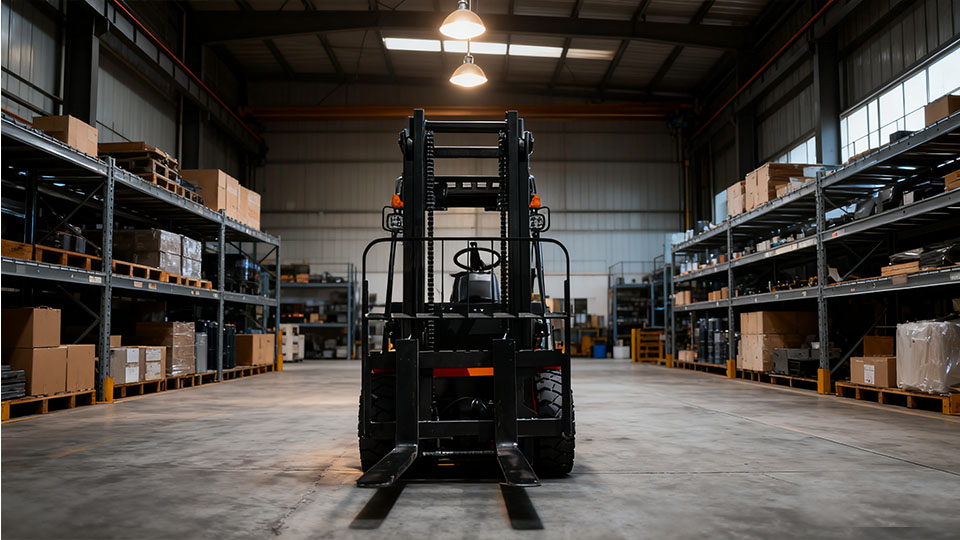
Modern forklifts incorporate sophisticated control systems that enhance operational precision. The multifunction lever allows operators to handle multiple tasks seamlessly, reducing time spent on adjustments and improving workflow . Precision dual pedal control systems enable operators to change direction without removing their feet from the pedals, reducing cycle times and improving responsiveness in tight spaces .
Polyurethane forklift wheels represent another technological advancement, offering low rolling resistance that improves battery life on electric forklifts while providing quiet, non-marking operation essential for indoor distribution centers and cleanrooms . These wheels resist oils, solvents, and chemicals while maintaining shape under heavy loads without deformation, contributing to consistent performance in demanding environments .
Environmental and Sustainability Benefits
Emissions Reduction
Electric forklifts produce zero direct emissions, making them ideal for indoor use where air quality is a concern . Hydrostatic transmission systems further reduce environmental impact by enabling engines to operate at lower RPMs without the need for revving, directly reducing CO2 emissions . Combined with multiple catalytic and gas recirculation systems that decompose NOx into water vapor and non-toxic gas, modern forklifts meet stringent environmental standards while maintaining operational efficiency .
Energy Efficiency
The energy efficiency of modern forklift systems contributes significantly to sustainability goals. Electric forklifts convert electrical energy to mechanical motion with higher efficiency than internal combustion engines, particularly when combined with regenerative braking systems that recover energy during deceleration. The low rolling resistance of polyurethane wheels further extends battery life, reducing the frequency of charging cycles and associated energy consumption .
Conclusion
The advantages of using forklifts in material handling operations extend far beyond simple load movement. These machines fundamentally transform warehouse and industrial operations by enhancing productivity through quantifiable throughput improvements, creating safer working environments through ergonomic design and load stability systems, maximizing facility density through vertical storage capabilities, and reducing total operational costs through labor efficiency and technological integration .
As warehouse operations evolve toward higher automation, greater density, and more complex inventory management requirements, forklifts continue to adapt through advanced control systems, attachment versatility, and integration with warehouse management technologies. The strategic use of forklifts not only streamlines warehouse operations but also contributes to the overall profitability and sustainability of businesses across various industries . For operations managers and facility planners, understanding these multifaceted advantages is essential to making informed equipment decisions that align with both immediate operational needs and long-term strategic objectives.
Name: selena
Mobile:+86-13176910558
Tel:+86-0535-2090977
Whatsapp:8613181602336
Email:vip@mingyuforklift.com
Add:Xiaqiu Town, Laizhou, Yantai City, Shandong Province, China