
vip@mingyuforklift.com
+86-0535-2090977

Introduction
Fuel management represents one of the most critical operational domains for dual-fuel forklifts, directly impacting safety, performance, cost efficiency, and environmental compliance. Unlike single-fuel material handling equipment, dual-fuel forklifts operating on liquefied petroleum gas (LPG) and gasoline require operators and fleet managers to master two distinct fuel systems, each with unique storage, handling, procurement, and consumption characteristics. Effective fuel management extends beyond simply selecting which fuel to use; it encompasses strategic planning, safety protocols, inventory control, cost optimization, and regulatory compliance. This comprehensive technical guide examines the essential principles and practices of fuel management for dual-fuel forklift operations.
Understanding Fuel Characteristics and Selection Criteria
LPG Properties and Operational Implications
Liquefied petroleum gas, commonly comprising propane or butane mixtures, possesses distinct physical and chemical properties that govern its storage, handling, and combustion characteristics. LPG is stored as a liquid under moderate pressure, typically 100-200 psi at ambient temperatures, and vaporizes upon pressure reduction. This phase-change requirement fundamentally influences fuel system design and operational procedures.
The energy content of LPG averages approximately 91,500 BTU per gallon, compared to gasoline's 114,000 BTU per gallon. However, LPG's higher octane rating, typically 104-112, allows for higher compression ratios and more efficient combustion in optimized engines. In practical forklift applications, fuel consumption rates between LPG and gasoline generally fall within comparable ranges when adjusted for energy density differences.
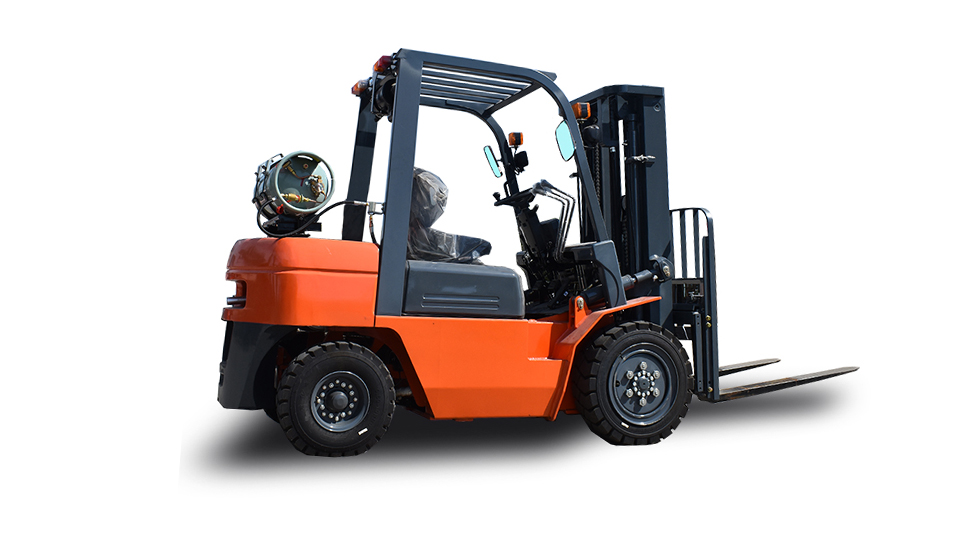
LPG combustion produces fewer carbon deposits and reduced particulate matter compared to gasoline, contributing to cleaner engine internals and extended oil change intervals. However, LPG burns at higher temperatures, necessitating robust valve seat materials and potentially affecting long-term engine durability if specifications are inadequate.
Gasoline Properties and Operational Implications
Gasoline remains a widely understood and accessible fuel for internal combustion engines. Its liquid state at ambient conditions simplifies storage and handling compared to pressurized LPG systems. Standard automotive gasoline with appropriate octane ratings, typically 87-93 AKI depending on engine requirements, suffices for most dual-fuel forklift applications.
Gasoline's higher energy density per unit volume provides marginally greater range per tank capacity compared to equivalent LPG volumes. However, gasoline degrades over time through oxidation and evaporation of volatile components, forming varnish and gum deposits that impair fuel system performance. This degradation characteristic significantly influences fuel management strategies for dual-fuel equipment.
Fuel Selection Decision Framework
Strategic fuel selection balances multiple operational factors:
Cost Considerations: Fuel prices fluctuate regionally and seasonally. LPG often offers cost advantages in bulk procurement scenarios, particularly for fleets with established cylinder exchange programs. Gasoline may prove more economical for intermittent users lacking bulk LPG infrastructure.
Availability and Supply Chain Reliability: Evaluate local fuel supply infrastructure. LPG requires specialized suppliers capable of cylinder filling or bulk delivery. Gasoline availability is nearly universal but may involve transportation from retail stations in containers, introducing regulatory complexity.
Environmental Regulations: Emissions requirements increasingly favor LPG in enclosed or semi-enclosed environments due to reduced carbon monoxide and hydrocarbon emissions. Some jurisdictions mandate alternative fuels for indoor applications.
Operational Environment: Cold climates may favor gasoline starting with subsequent LPG switching. Enclosed warehouses may require LPG for air quality compliance. Outdoor operations with adequate ventilation accommodate either fuel.
Equipment Utilization Patterns: High-hour operations benefit from bulk fuel arrangements and streamlined refueling. Low-utilization equipment may suit gasoline to avoid LPG system deterioration from disuse.
Fuel Storage and Handling Systems
LPG Cylinder Management
LPG storage for forklifts typically employs removable cylinders mounted in designated brackets. Cylinder specifications must comply with Department of Transportation (DOT) or equivalent regulatory standards, with current certification marks and inspection dates clearly visible.
Cylinder capacity selection balances operational range against weight and handling considerations. Common forklift cylinder sizes range from 20 to 33 pounds propane capacity. Larger cylinders extend operating intervals but increase equipment weight and may affect stability calculations.
Establish a cylinder inventory sufficient to maintain operations during supply disruptions. A practical guideline maintains three cylinder sets per forklift: one installed, one full spare at the point of use, and one in the filling queue. This "three-cylinder rule" ensures continuous availability while accommodating logistical delays.
Cylinder storage areas require specific safety provisions. Store full and empty cylinders separately with clear identification. Maintain outdoor storage in well-ventilated areas away from ignition sources, building openings, and high-traffic zones. Indoor storage is generally prohibited or strictly limited by quantity; consult local fire codes for specific allowances.
Protect cylinder valves with installed protective collars. Store cylinders upright on stable, level surfaces secured against tipping. Never store cylinders in enclosed vehicles or areas where leaks could accumulate to explosive concentrations.
Gasoline Storage and Handling
Gasoline storage for forklift operations typically involves smaller quantities than fleet vehicle applications, but regulatory requirements remain stringent. Portable containers must bear appropriate DOT approval markings and capacity limits, commonly 5 gallons for standard containers.
Gasoline storage areas require fire-rated cabinets for indoor containment or dedicated outdoor fuel sheds meeting electrical classification requirements. Storage quantities trigger various regulatory thresholds; consult Occupational Safety and Health Administration (OSHA) standards and local fire codes for applicable limits.
Gasoline containers must be clearly labeled and color-coded, typically red, to prevent misidentification. Keep containers sealed when not in immediate use to minimize vapor release and degradation. Store gasoline in cool, shaded locations away from direct sunlight and heat sources that could increase internal pressure and vapor generation.
Bulk Fuel Considerations
Fleet operations with multiple dual-fuel forklifts may justify bulk LPG installations. Bulk tanks, typically 500-1000 gallons or larger, reduce per-unit fuel costs and eliminate cylinder handling. However, bulk installations require significant capital investment, regulatory permitting, and specialized maintenance.
Bulk LPG systems include the storage tank, vaporizer (for liquid withdrawal), pressure regulation, odorization equipment, and distribution piping. Professional installation by licensed contractors is mandatory. Regular inspection and maintenance by qualified technicians ensure system integrity and regulatory compliance.
Fuel Procurement and Inventory Management
Supplier Relationship Management
Establish reliable fuel supply relationships with certified providers. LPG suppliers should demonstrate compliance with National Fire Protection Association (NFPA) standards, appropriate licensing, and adequate insurance coverage. Evaluate supplier reliability through delivery consistency, emergency response capability, and technical support availability.
Negotiate supply agreements that balance price stability against market flexibility. Fixed-price contracts provide budget predictability but may result in above-market costs during price declines. Index-based pricing tracks market movements but introduces budget uncertainty.
Maintain backup supplier relationships to ensure continuity during primary supplier disruptions. Document alternative contact information and establish preliminary account arrangements before emergencies arise.
Inventory Monitoring and Reordering
Implement systematic fuel inventory tracking. For LPG cylinder operations, maintain logs of cylinder exchanges, noting dates, quantities, and forklift assignments. Track cylinder turnaround time from empty exchange to full return to identify supply chain bottlenecks.
Establish reorder points based on consumption rates and supplier lead times. A practical approach sets the reorder trigger at 50 percent of maximum inventory, providing buffer stock for delivery delays. Emergency procedures should address supply interruptions, potentially including temporary fuel switching or rental equipment arrangements.
For gasoline operations, monitor container levels and schedule refills before depletion. Track consumption patterns to identify anomalies that may indicate leaks, theft, or equipment malfunctions requiring maintenance attention.
Fuel Quality Assurance
Fuel quality directly affects engine performance and longevity. LPG quality varies by supplier and production source. Specify compliance with HD-5 propane standard (minimum 90 percent propane, maximum 5 percent propylene) to ensure consistent combustion characteristics and minimize residue formation.
Gasoline quality requires attention to octane rating, volatility, and age. Use appropriate octane ratings as specified by the forklift manufacturer; higher octane provides no benefit in engines not designed for it. Avoid gasoline stored beyond 30 days without stabilization additives, as degradation products foul carburetors and fuel injectors.
Periodically inspect stored fuel for contamination. Water contamination in gasoline causes phase separation and microbial growth. Particulate contamination damages fuel system components. Implement filtration during transfer and consider periodic fuel testing for critical applications.
Refueling Procedures and Safety Protocols
LPG Cylinder Exchange Procedure
Cylinder exchange represents the most common refueling method for forklift LPG systems. Proper procedure ensures operator safety and system integrity:
Preparation: Park the forklift in the designated exchange area, level ground preferred. Lower any raised loads. Engage the parking brake and shut down the engine. Ensure the area is well-ventilated and free from ignition sources.
Cylinder Removal: Close the cylinder service valve completely by turning clockwise. Allow the engine to run momentarily if practical to consume residual fuel in the line, then shut down. Disconnect the fuel line coupling, using appropriate tools if necessary. Install protective caps on both the cylinder valve and the fuel line fitting to prevent contamination and damage.
Cylinder Replacement: Inspect the replacement cylinder for damage, proper certification, and adequate fill level. Verify the cylinder valve is closed. Position the cylinder in the mounting bracket, ensuring proper orientation—typically with the liquid level gauge positioned at approximately 60 degrees from horizontal for accurate indication.
Connection and Leak Check: Connect the fuel line to the cylinder valve, ensuring proper thread engagement without cross-threading. Open the cylinder service valve slowly to pressurize the system. Apply leak detection solution to all connections and observe for bubble formation. Any leak requires immediate shutdown and correction.
Return Empty Cylinder: Place the empty cylinder in the designated storage area for supplier pickup or transport to the filling station. Ensure valve protection and secure positioning.
Bulk LPG Refueling
Bulk LPG systems eliminate cylinder handling but require specialized refueling procedures. Tank refilling must be performed by certified personnel using appropriate transfer equipment. The 80 percent fill limit is critical; overfilling creates dangerous hydrostatic pressure increases with temperature rises.
Install automatic fill limit devices, such as float gauges or fixed liquid level indicators, to prevent overfilling. Never rely solely on volume calculations, as temperature variations affect liquid density and tank capacity.
During bulk delivery, monitor the filling process continuously. Maintain communication with the delivery operator and be prepared to shut off flow immediately if anomalies occur. Post-fill verification includes leak checking and quantity confirmation.
Gasoline Refueling
Gasoline refueling from portable containers requires careful handling to prevent spills, fires, and environmental contamination. Use approved containers with functional spouts and venting. Ground containers during transfer to prevent static electricity accumulation.
Refuel only in designated areas with appropriate fire extinguisher availability. Avoid refueling near building entrances, air intakes, or enclosed spaces where vapors could accumulate. Never refuel with the engine running or hot; allow adequate cool-down period after shutdown.
Use funnels or spill-proof nozzles to minimize splash and spillage. Immediately clean any spilled fuel with absorbent materials and dispose of contaminated materials as hazardous waste. Never wash spills into drains or onto soil.
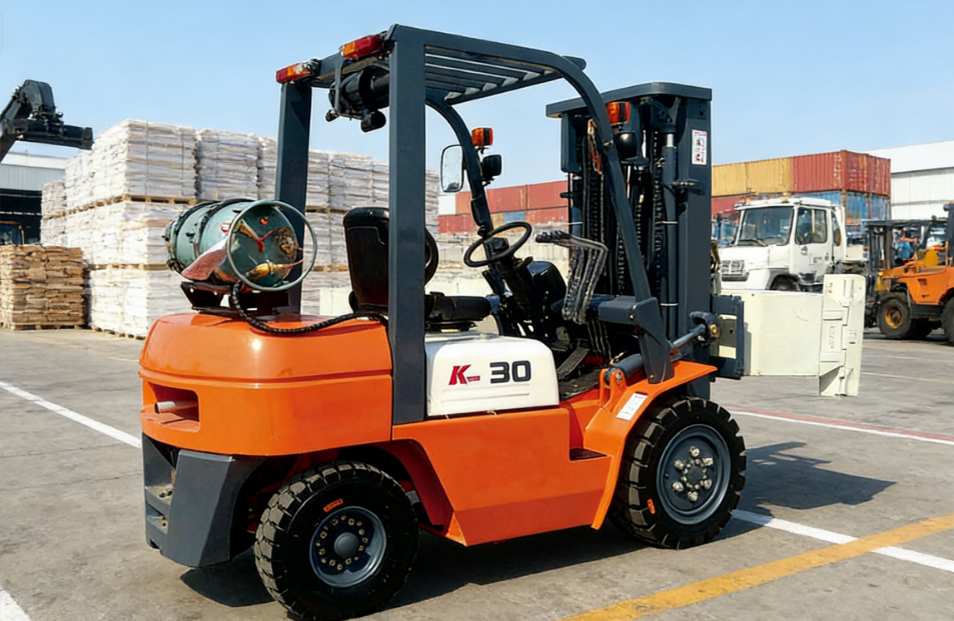
Fuel Consumption Monitoring and Optimization
Tracking and Analysis
Systematic fuel consumption monitoring enables operational optimization and early problem detection. Record fuel purchases and consumption by individual forklift, noting operating hours, loads handled, and fuel type used.
Calculate consumption metrics such as gallons per operating hour or pounds per pallet moved. Establish baseline consumption rates for normal operations and investigate deviations exceeding 10-15 percent. Common causes of increased consumption include engine tuning problems, fuel system leaks, degraded operator technique, or increased load severity.
Modern telematics systems automate fuel tracking, providing real-time consumption data, idle time analysis, and operator behavior insights. These systems justify investment through fuel savings and maintenance optimization for larger fleets.
Operational Efficiency Practices
Fuel efficiency extends beyond equipment specification to operational practices. Minimize unnecessary idling; modern engines require minimal warm-up under normal conditions. Excessive idling consumes fuel without productive output and accelerates engine wear.
Optimize travel paths and load sequencing to minimize travel distance and elevation changes. Plan multi-pick operations to reduce empty travel. Maintain appropriate travel speeds; excessive speed increases fuel consumption disproportionately and creates safety hazards.
Ensure proper tire inflation and maintenance. Underinflated tires increase rolling resistance, directly increasing fuel consumption. Damaged or worn tires further reduce efficiency and compromise stability.
Fuel System Maintenance Impact
Fuel system maintenance directly affects consumption efficiency. Clogged air filters enrich mixtures, increasing fuel consumption and emissions. Worn spark plugs cause incomplete combustion, wasting fuel and reducing power. Maladjusted carburetors or fuel injection systems fail to optimize air-fuel ratios.
Scheduled maintenance must address fuel-specific components. LPG pressure regulators require periodic inspection and diaphragm replacement. Mixers accumulate deposits affecting flow characteristics. Gasoline systems need carburetor cleaning, fuel filter replacement, and fuel line inspection for deterioration.
Regulatory Compliance and Environmental Management
Occupational Safety and Health Administration Requirements
OSHA standards govern fuel storage, handling, and forklift operation. Standard 1910.178 addresses powered industrial trucks, including fuel-related requirements. Standard 1910.110 specifically covers LPG storage and handling with detailed provisions for container specifications, filling procedures, and fire protection.
Compliance requires documented training programs, equipment inspections, and incident reporting. Maintain records of employee training, equipment maintenance, and regulatory inspections for the duration required by applicable standards.
Environmental Protection Agency Regulations
Environmental regulations address fuel storage tanks, spill prevention, and emissions. Underground storage tanks for gasoline trigger comprehensive leak detection and corrosion protection requirements. Aboveground tanks require secondary containment and periodic integrity testing.
Spill Prevention, Control, and Countermeasure (SPCC) plans may apply to facilities with aggregate aboveground oil storage exceeding 1,320 gallons or underground storage exceeding 42,000 gallons. These plans require professional engineering certification and regular updates.
Emissions regulations increasingly affect fuel choice and equipment specification. Indoor air quality standards may limit gasoline operation, favoring LPG for reduced carbon monoxide emissions. Emerging regulations may mandate emission controls or alternative fuels for specific applications.
Local and State Regulations
State and local regulations often exceed federal minimums. Fire codes govern fuel storage quantities, locations, and protection systems. Air quality management districts may impose additional emission controls or fuel restrictions. Building codes affect fuel system installation and facility design.
Maintain current awareness of applicable regulations through professional associations, regulatory agency communications, and qualified consultants. Regulatory violations can result in substantial penalties, operational shutdowns, and liability exposure.
Emergency Preparedness and Response
Fuel Leak Response
Despite preventive measures, fuel leaks may occur. Immediate response minimizes safety hazards and environmental damage. For LPG leaks, evacuate personnel from the affected area, eliminate ignition sources, and allow vapors to dissipate. Do not attempt to stop leaks if personal safety is compromised; contact emergency services and qualified technicians.
For gasoline spills, contain spread using absorbent materials or spill berms. Eliminate ignition sources and ventilate enclosed areas. Report significant spills to environmental authorities as required by regulations. Dispose of contaminated materials through licensed hazardous waste handlers.
Fire Emergency Procedures
Fuel fires require appropriate extinguisher selection. LPG fires typically involve pressurized gas; extinguishment without stopping the leak may create explosive vapor accumulation. Gasoline fires involve liquid fuel requiring foam or dry chemical extinguishment.
Establish clear emergency procedures, including evacuation routes, assembly points, and communication protocols. Conduct regular drills to ensure personnel preparedness. Maintain accessible, properly charged fire extinguishers in fuel handling areas.
Conclusion
Fuel management for dual-fuel forklifts encompasses technical knowledge, operational discipline, and regulatory awareness that extends far beyond simple fuel selection. Effective management optimizes the economic and operational advantages of dual-fuel capability while maintaining safety and compliance standards.
Success requires systematic approaches to storage, procurement, handling, consumption monitoring, and emergency preparedness. As fuel costs, environmental regulations, and operational requirements continue evolving, proficient fuel management remains essential for competitive and responsible material handling operations.
Organizations that invest in comprehensive fuel management programs, employee training, and appropriate infrastructure realize tangible returns through reduced operating costs, improved safety performance, and regulatory compliance. The complexity of dual-fuel operations demands this commitment to excellence in fuel management practices.
Name: selena
Mobile:+86-13176910558
Tel:+86-0535-2090977
Whatsapp:8613181602336
Email:vip@mingyuforklift.com
Add:Xiaqiu Town, Laizhou, Yantai City, Shandong Province, China
