
vip@mingyuforklift.com
+86-0535-2090977

Introduction
Dual-fuel forklifts, typically configured to operate on liquefied petroleum gas (LPG) and gasoline, represent a significant advancement in material handling equipment technology. These versatile machines offer operators the flexibility to switch between fuel sources based on availability, cost considerations, and operational requirements. However, this flexibility comes with the responsibility of understanding proper daily operating procedures to ensure safety, efficiency, and equipment longevity. This comprehensive guide examines the essential aspects of daily operation for dual-fuel forklifts, from pre-start inspections through shutdown procedures.
Understanding Dual-Fuel System Architecture
Before delving into operational procedures, it is essential to understand the fundamental architecture of dual-fuel forklift systems. These vehicles incorporate two distinct fuel delivery systems that share a common internal combustion engine. The gasoline system utilizes a conventional carburetor or fuel injection system with a standard fuel tank, while the LPG system comprises a pressurized cylinder, pressure regulator (vaporizer), mixer, and associated control valves. A fuel selector mechanism, typically a dashboard-mounted switch, enables the operator to choose between fuel sources.
The LPG system operates on a fundamentally different principle from gasoline. LPG is stored as a liquid under pressure in the cylinder and must be converted to vapor before entering the engine. This phase change occurs in the pressure regulator, which uses engine coolant heat to vaporize the liquid fuel. Understanding this thermal dependency is critical for proper cold-weather operation and explains why warm-up procedures differ between fuel modes.
Pre-Start Inspection Procedures
Standard Mechanical Checks
Every operational day must begin with a thorough pre-start inspection. This procedure should be conducted before the engine is started and before any fuel system is activated. The inspection encompasses both conventional forklift components and dual-fuel-specific elements.
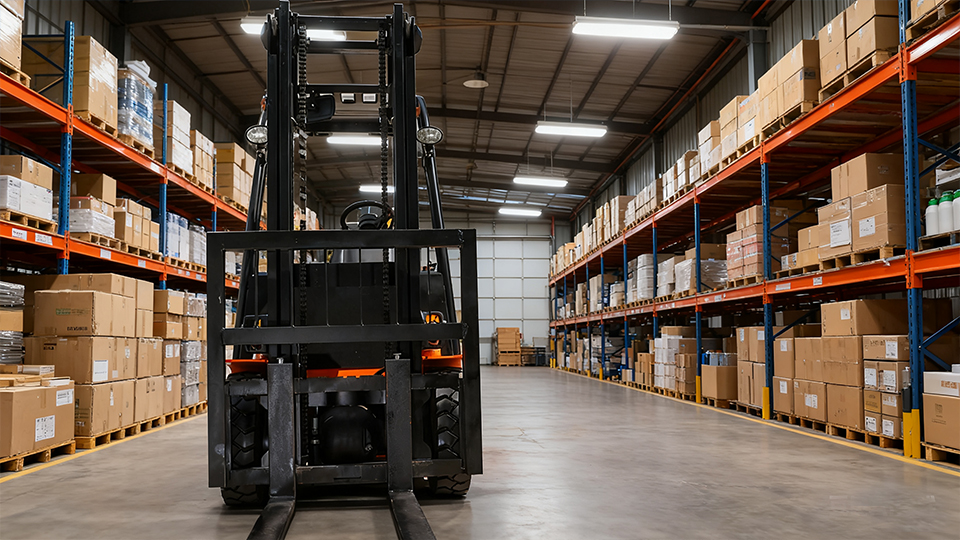
Begin with a walk-around inspection of the vehicle. Examine tires for proper inflation and damage. Check the mast, forks, and carriage for cracks, deformation, or excessive wear. Inspect hydraulic cylinders and hoses for leaks, abrasion, or deterioration. Verify that all safety devices—including lights, horn, backup alarm, and overhead guard—are present and functional.
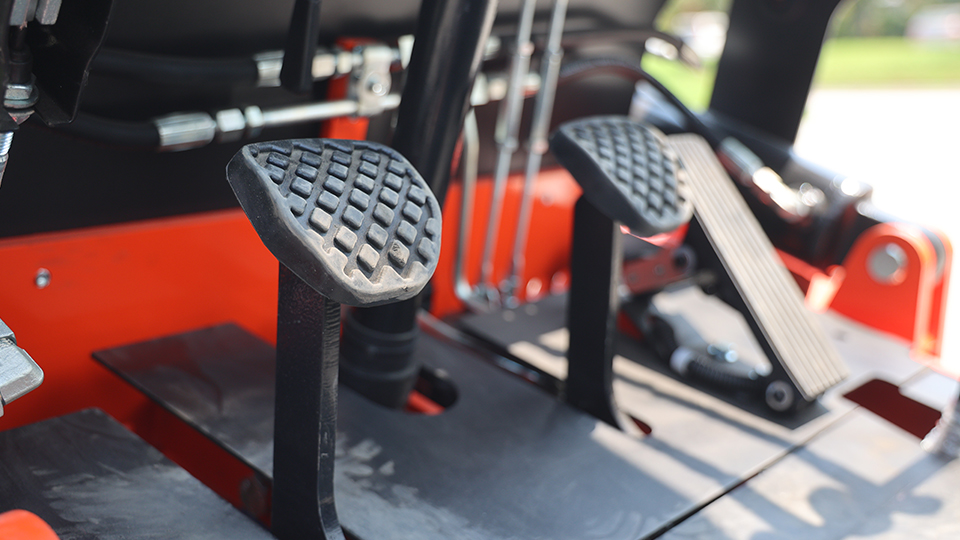
The brake system requires particular attention. Test the service brake pedal for proper travel, typically approximately 40 millimeters of free play before engagement. Verify parking brake effectiveness; it should hold the unloaded forklift on a 20 percent grade. Examine the parking brake lever or pedal for secure engagement and release.
Hydraulic system inspection includes checking the hydraulic oil level using the sight gauge or dipstick. The oil level should register at the midpoint of the indicator range. Low hydraulic oil can cause pump cavitation and system damage, while overfilling may result in reservoir overflow during operation.
Dual-Fuel System Inspection
The dual-fuel inspection represents the most critical and specialized aspect of pre-start procedures. This examination focuses on the LPG system components, as pressurized fuel presents unique hazards.
First, verify the LPG cylinder installation. The cylinder should be securely mounted in the designated bracket with proper retention chains or clamps. The cylinder valve protection ring must be intact, and the cylinder itself should show no evidence of dents, corrosion, or damage. Check the cylinder certification date to ensure it remains within the required inspection interval, typically 5 to 10 years depending on jurisdiction.
The liquid level gauge provides essential operational information. Confirm adequate fuel supply for the planned work shift. Operating with insufficient LPG can result in fuel starvation, engine stalling, and potential safety hazards during load handling.
Next, inspect all visible LPG system components including the service valve, excess flow valve, pressure regulator, mixer, and connecting hoses. Look for physical damage, corrosion, or deterioration. Pay particular attention to flexible hoses, which may develop cracks or abrasion over time.
The most critical pre-start check is the leak test. Using an approved leak detection solution (soapy water or commercial leak detector), apply the solution to all connections, valves, and fittings. Open the cylinder service valve briefly and observe for bubble formation, which indicates leakage. Never use open flame for leak detection. If any leak is detected, close the cylinder valve immediately, tag the equipment out of service, and arrange for qualified repair before operation.
Fluid and Lubrication Verification
Beyond the hydraulic system, verify engine oil level using the dipstick. The oil should register between the minimum and maximum marks. Check coolant level in the reservoir, ensuring it registers within the acceptable range. Low coolant may indicate leakage or consumption and can lead to overheating, particularly detrimental to LPG vaporization.
Inspect the air cleaner condition. A restricted air filter reduces engine performance and increases fuel consumption. In dusty environments, more frequent inspection and replacement may be necessary.
Engine Starting Procedures
Gasoline Starting Mode
When beginning operation with gasoline, ensure the fuel selector switch is in the gasoline position. Turn the ignition key to the "ON" position without starting the engine, allowing the electric fuel pump (if equipped) to pressurize the system. For carbureted systems, a brief pause permits fuel to fill the float bowl.
Turn the ignition key to "START" while depressing the clutch pedal on manual transmission models. Do not apply throttle during starting; modern engines are designed to start without accelerator input. Once the engine fires, release the key immediately to prevent starter damage. Allow the engine to idle at approximately 800-1000 RPM.
LPG Starting Mode
LPG starting requires specific preparatory steps. First, open the cylinder service valve fully. The valve should be turned counterclockwise until firm resistance is encountered. Partial opening may restrict fuel flow and cause operational problems.
Move the fuel selector switch to the LPG position. Some systems incorporate a safety interlock requiring the engine to be cranking before LPG flows; others allow fuel pressure to build before starting. Consult the specific equipment manual for the correct sequence.
Crank the engine using the ignition key. LPG engines may require slightly longer cranking periods than gasoline, particularly in cold conditions, as the fuel system must establish proper pressure and flow. Once started, allow the engine to idle and stabilize.
Cold Weather Considerations
Cold weather operation presents unique challenges for dual-fuel forklifts. LPG vaporization depends on heat transfer from engine coolant. In cold conditions, the pressure regulator may not receive sufficient heat to vaporize fuel effectively, resulting in poor engine performance or stalling.
The recommended procedure is to start the engine on gasoline when ambient temperatures fall below 10°C (50°F). Gasoline does not require vaporization and provides more reliable cold starting. Allow the engine to idle for 2-3 minutes to warm the coolant. Once the temperature gauge indicates normal operating temperature, switch to LPG if desired.
Some advanced systems incorporate electric vaporizer heaters or engine block heaters to facilitate cold-weather LPG operation. When these accessories are available, follow manufacturer instructions for their use.
Warm-Up and System Stabilization
Regardless of starting fuel, a proper warm-up period is essential before applying load or operating at high RPM. During warm-up, engine oil circulates to all lubricated components, coolant temperature rises to operational range, and hydraulic fluid viscosity decreases for efficient power transmission.
For LPG operation, the warm-up period serves the additional function of heating the pressure regulator. Cold regulators cannot vaporize fuel efficiently, leading to liquid LPG entering the engine. Liquid LPG does not combust properly and can cause severe engine damage, including broken pistons, bent connecting rods, and damaged valves.
Monitor the engine temperature gauge during warm-up. Normal operating temperature typically ranges from 70°C to 85°C (158°F to 185°F). Operation below this range indicates insufficient warm-up or cooling system problems. Operation above this range suggests overheating, which demands immediate shutdown and investigation.
Fuel Switching Procedures
Critical Safety Requirements
Fuel switching represents the most technically demanding aspect of dual-fuel forklift operation. Improper switching can cause engine stall, fuel system damage, or safety hazards. The cardinal rule is: never switch fuels while the forklift is in motion or under load. Fuel switching must be performed only when the forklift is stationary, the transmission is in neutral, and the parking brake is applied.
Gasoline to LPG Transition
The gasoline-to-LPG transition requires a specific sequence to prevent fuel system contamination and ensure smooth operation.
Bring the forklift to a complete stop. Lower any raised loads to the ground. Shift the transmission to neutral and apply the parking brake.
Allow the engine to idle at normal operating temperature. Cold switching may result in poor performance or stall.
Move the fuel selector switch to the intermediate position, if equipped. This closes gasoline supply while allowing the engine to consume residual gasoline in the carburetor or fuel rail.
Allow the engine to run until it stalls from fuel exhaustion. This typically requires 10-30 seconds depending on carburetor volume and engine size. Stalling indicates that gasoline has been purged from the system.
Move the fuel selector switch to the LPG position.
Restart the engine using normal LPG starting procedures.
Verify stable idle and proper throttle response before resuming operation.
Some modern systems eliminate the intermediate switch position and incorporate automatic purging. Consult the operator's manual for specific equipment procedures.
LPG to Gasoline Transition
The LPG-to-gasoline transition is generally simpler, as gasoline does not require purging of the alternative fuel system.
Stop the forklift completely with the transmission in neutral and parking brake applied.
Move the fuel selector switch to the gasoline position.
If equipped with a manual LPG shutoff cable, pull the cable to close the LPG mixer valve.
The engine should continue running on gasoline. If the engine stalls, restart using gasoline mode.
Verify stable operation before resuming work.
Switching Frequency and Best Practices
While dual-fuel capability provides operational flexibility, excessive switching increases wear on fuel system components and may introduce operational inconsistencies. Develop a fuel management strategy based on operational requirements rather than frequent switching.
When operating primarily on LPG, maintain at least one-quarter tank of gasoline. This reserve ensures availability for cold starting and provides emergency backup if LPG supply is interrupted.
Regular gasoline operation is necessary to prevent fuel system deterioration. Gasoline can degrade over time, forming varnish and gum deposits that clog carburetors and fuel injectors. Fuel lines may deteriorate from prolonged disuse. Operate on gasoline for a minimum distance or duration at regular intervals—typically every two weeks or approximately 10 kilograms of gasoline consumption monthly.
Normal Operation Techniques
Load Handling
Dual-fuel operation should not affect load handling techniques, but operators must remain aware of fuel-specific performance characteristics. LPG typically provides slightly higher octane rating than gasoline, potentially offering marginally better performance under heavy load. However, the difference is generally negligible in normal forklift applications.
Maintain standard load handling practices: approach loads squarely, mast vertical, forks at proper height. Tilt the mast back slightly before lifting to secure the load against the carriage. Raise loads only to the minimum height necessary for travel. Travel with the load in the lowered position, mast tilted back, and at safe speeds appropriate for conditions.
Operating Environment Considerations
LPG is heavier than air and accumulates in low-lying areas. When operating in pits, basements, or enclosed spaces, ensure adequate ventilation. LPG concentration between 2.1 and 9.5 percent in air creates explosive mixtures. Install and maintain LPG detectors in enclosed operating areas.
Avoid operating near ignition sources. LPG ignition energy is low; static electricity, sparks from electrical equipment, or hot surfaces can initiate combustion. Maintain safe distances from welding operations, open flames, and heating equipment.
Monitoring During Operation
Vigilant monitoring during operation identifies developing problems before they cause failure or safety incidents.
Watch the engine temperature gauge. LPG operation generates comparable heat to gasoline, and cooling system problems manifest similarly. Overheating reduces LPG vaporization efficiency, creating a compounding problem.
Monitor fuel consumption patterns. Sudden changes in consumption may indicate leaks, system malfunctions, or engine problems. Record fuel usage to identify trends and schedule maintenance.
Listen for abnormal sounds. Knocking, popping, or backfiring may indicate improper fuel mixture, ignition problems, or valve issues. LPG systems are particularly sensitive to mixture adjustment; a lean mixture causes overheating, while a rich mixture reduces power and increases consumption.
Shutdown Procedures
Normal Shutdown
Proper shutdown preserves fuel system integrity and ensures safe parking.
Bring the forklift to the designated parking area. Lower all raised loads to the ground. Place the mast in the vertical position.
Shift the transmission to neutral and apply the parking brake.
Allow the engine to idle for 30-60 seconds. This cool-down period permits turbocharger bearing cooling (if equipped) and stabilizes temperatures.
Turn the ignition key to "OFF."
For LPG operation, close the cylinder service valve. This prevents fuel leakage through the pressure regulator and mixer, which could create a hazardous condition. Some operators prefer to close the valve before shutdown to purge the system; however, this may make restarting more difficult.
Remove the ignition key and secure it.
Extended Parking
For parking periods exceeding 10 minutes, closing the LPG cylinder valve is mandatory. For overnight or extended parking, additional precautions apply.
Verify that the fuel selector switch is in a defined position, preferably gasoline, to prevent accidental LPG discharge. Engage the parking brake and wheel chocks if parked on an incline.
In facilities with multiple shifts, communicate fuel status to subsequent operators. A tag or log entry indicating cylinder valve position prevents confusion and potential starting problems.
Documentation and Record Keeping
Professional forklift operation includes maintaining accurate records of daily inspections, fuel usage, maintenance activities, and incidents. Pre-start inspection checklists should be completed and retained for the period required by applicable regulations—typically 90 days to one year.
Record fuel purchases and consumption to track operating costs and identify anomalies. Unexplained increases in consumption may indicate leaks requiring immediate attention.
Document any unusual occurrences, near-misses, or equipment malfunctions. These records support maintenance scheduling, warranty claims, and safety investigations.
Operator Training and Competency
Effective daily operation depends on competent, well-trained operators. Dual-fuel forklift operators require training beyond standard forklift certification to address fuel-specific hazards and procedures.
Training should cover: LPG properties and hazards; system component identification and function; leak detection and emergency response; fuel switching procedures; cold weather operation; and regulatory requirements. Refresher training should occur at regular intervals, typically every three years, or following incidents that indicate competency gaps.
Conclusion
Daily operation of dual-fuel forklifts demands technical knowledge, procedural discipline, and vigilant attention to safety. The flexibility of dual-fuel operation provides operational and economic benefits, but only when operators understand and implement proper procedures for inspection, starting, warm-up, fuel switching, normal operation, and shutdown.
By adhering to the practices outlined in this guide, operators maximize equipment reliability, minimize safety risks, and optimize the economic advantages that dual-fuel technology offers. As with all industrial equipment, continuous learning, adherence to manufacturer specifications, and commitment to safety culture remain the foundations of professional forklift operation.
Name: selena
Mobile:+86-13176910558
Tel:+86-0535-2090977
Whatsapp:8613181602336
Email:vip@mingyuforklift.com
Add:Xiaqiu Town, Laizhou, Yantai City, Shandong Province, China
