
vip@mingyuforklift.com
+86-0535-2090977

Introduction
Forklifts are indispensable workhorses in warehouses, manufacturing facilities, construction sites, and distribution centers worldwide. These powerful industrial trucks enable the efficient movement of heavy materials, but they also represent significant safety risks when not properly maintained. Forklift inspections serve as the critical frontline defense against accidents, equipment failures, and operational inefficiencies. Understanding the comprehensive objectives behind these inspections reveals why they are not merely regulatory obligations but essential business practices that protect people, assets, and productivity.
Ensuring Operator and Personnel Safety
The foremost objective of forklift inspections is protecting human life. Forklifts weigh several thousand pounds and can travel at speeds up to 18 miles per hour, creating substantial kinetic energy that can cause severe injuries or fatalities. Pre-operation inspections identify potential hazards before an operator begins their shift, checking critical safety components including brakes, steering mechanisms, hydraulic systems, and overhead guards.
Brake failures represent one of the most dangerous scenarios in forklift operations. Inspections verify that service brakes, parking brakes, and emergency stopping systems function correctly under various load conditions. Steering system checks ensure operators can maintain control during maneuvers in tight spaces where pedestrian traffic may be present. The overhead guard, often overlooked, provides crucial protection against falling objects—a common hazard in warehouse environments where materials are stored at height.
Daily inspections also examine safety devices such as horns, lights, backup alarms, and seatbelts. These components alert pedestrians to approaching forklifts and protect operators during tip-over events, which remain among the leading causes of forklift-related fatalities. By systematically verifying these safety systems, inspections create multiple layers of protection for everyone in the work environment.
Preventing Equipment Damage and Extending Asset Lifespan
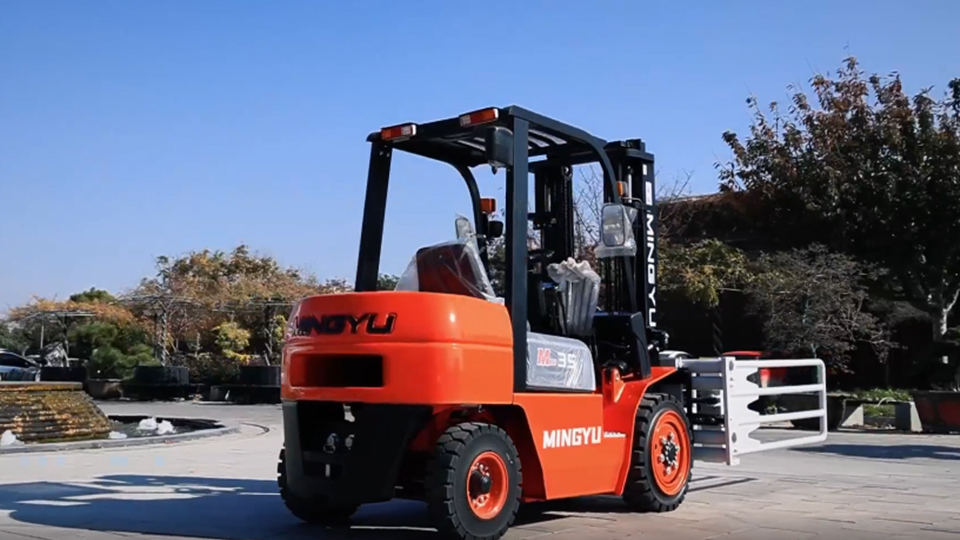
Forklifts represent significant capital investments, with new units costing anywhere from $20,000 to over $100,000 depending on capacity and features. Regular inspections protect these investments by identifying minor issues before they escalate into major failures that require expensive repairs or premature replacement.
Hydraulic system inspections exemplify this preventive approach. Small leaks in hoses or fittings, if caught early, can be addressed with inexpensive repairs. Left undetected, these leaks lead to complete hydraulic failure, potentially damaging the mast, carriage, or load-handling attachments. Similarly, inspections of tires and wheels prevent uneven wear that can stress axles, bearings, and frames, extending the operational life of these expensive components.
Engine and electrical system checks during inspections ensure optimal performance and fuel efficiency. Clogged air filters, worn spark plugs, or battery maintenance issues reduce power output and increase operating costs. By maintaining these systems through regular inspection protocols, organizations maximize their return on equipment investment while ensuring reliable performance during critical operations.
Maintaining Regulatory Compliance and Avoiding Legal Liability
Occupational safety agencies worldwide mandate regular forklift inspections as part of comprehensive powered industrial truck safety programs. In the United States, OSHA Standard 1910.178 requires that forklifts be examined daily before being placed in service, with more thorough inspections conducted on a periodic basis. Failure to comply with these regulations exposes organizations to substantial penalties, citations, and potential criminal liability in cases of serious accidents.
Documentation of inspections creates essential legal protection. Detailed inspection records demonstrate due diligence in maintaining safe equipment, providing crucial evidence in the event of accidents or regulatory investigations. Courts consistently consider maintenance records when determining liability in personal injury cases involving forklift incidents. Organizations with robust inspection programs and comprehensive documentation are better positioned to defend against negligence claims and insurance disputes.
Beyond federal regulations, industry-specific standards and insurance requirements often mandate specific inspection frequencies and procedures. Warehouse operations, chemical handling facilities, and food production environments may have additional inspection criteria addressing contamination risks, hazardous material compatibility, or sanitary requirements. Meeting these diverse compliance obligations requires systematic inspection programs tailored to specific operational contexts.
Ensuring Operational Efficiency and Productivity
Equipment reliability directly impacts operational efficiency. Unplanned downtime from forklift failures disrupts material flow, delays shipments, and creates cascading inefficiencies throughout supply chain operations. Inspection programs minimize these disruptions by transitioning maintenance from reactive to predictive models.
Pre-shift inspections typically require only 5-10 minutes but can prevent hours of lost productivity from unexpected breakdowns. When operators identify developing problems during inspections, maintenance can be scheduled during planned downtime rather than interrupting critical operations. This proactive approach maintains consistent throughput and enables reliable delivery commitments to customers.
Well-maintained forklifts also operate more efficiently, consuming less fuel or electrical power and handling loads with greater precision. Smooth hydraulic systems enable faster lifting and lowering cycles, while properly maintained drivetrains provide consistent acceleration and travel speeds. These performance advantages compound across multiple shifts and units, creating measurable productivity gains that justify inspection investments.
Protecting Product Integrity and Quality
Modern supply chains handle increasingly valuable and sensitive products, from electronics and pharmaceuticals to precision components and perishable goods. Forklift malfunctions during material handling can damage inventory, resulting in direct financial losses and customer dissatisfaction.
Inspection programs verify that forks are properly rated for loads, free from cracks or deformation, and correctly aligned. Damaged forks can drop loads unexpectedly or cause uneven stress that damages palletized goods. Hydraulic system checks ensure smooth, controlled lifting and lowering that prevents jarring movements capable of damaging fragile contents.
For operations handling temperature-sensitive or contamination-prone materials, inspections address specialized requirements such as attachment integrity for carton clamps, rotators, or push-pull systems. Battery maintenance inspections in electric forklifts prevent acid spills or gas emissions that could contaminate food products or pharmaceutical materials. By ensuring equipment handles materials gently and reliably, inspections protect product quality and customer relationships.
Developing Operator Competence and Safety Culture
Inspection protocols serve educational purposes beyond immediate safety verification. Requiring operators to conduct pre-shift inspections reinforces technical knowledge of forklift systems and builds habits of safety consciousness that extend throughout operating practices.
When operators systematically examine their equipment, they develop familiarity with normal operating conditions and become attuned to subtle changes indicating developing problems. This heightened awareness enables them to recognize abnormal sounds, vibrations, or performance characteristics during operation, often preventing accidents through early intervention. The inspection process also reinforces understanding of load capacity ratings, stability principles, and operational limitations that guide safe operating decisions.
Organizations that emphasize thorough inspection programs signal that safety takes priority over production speed, fostering cultures where operators feel empowered to remove equipment from service when concerns arise. This cultural foundation proves more effective than any single safety procedure in preventing accidents and promoting continuous improvement in operational practices.
Facilitating Data-Driven Maintenance Optimization
Modern inspection programs generate valuable data that enables sophisticated maintenance planning and equipment management. Systematic documentation of inspection findings, maintenance actions, and equipment performance creates datasets revealing patterns in component wear, failure modes, and maintenance effectiveness.
Analysis of inspection data enables organizations to optimize maintenance intervals based on actual operating conditions rather than generic manufacturer recommendations. Facilities operating in dusty environments may require more frequent air filter changes, while high-cycle operations may need accelerated hydraulic fluid analysis. This condition-based maintenance approach reduces unnecessary maintenance costs while preventing failures that generic schedules might miss.
Fleet management systems integrating inspection data with utilization metrics, maintenance histories, and replacement costs support strategic asset management decisions. Organizations can identify units requiring replacement, optimize fleet composition for specific applications, and negotiate warranty coverage based on documented maintenance practices. These data-driven capabilities transform inspection programs from compliance exercises into strategic business tools.
Addressing Environmental and Sustainability Goals
Environmental considerations increasingly influence forklift inspection programs, particularly as electric and alternative-fuel units replace traditional internal combustion equipment. Inspections ensure that emissions control systems function properly on remaining combustion-engine forklifts, minimizing air quality impacts in indoor environments.
For electric forklifts, battery inspections are critical for both operational safety and environmental protection. Proper electrolyte levels, terminal connections, and charging system performance prevent battery damage that would require hazardous material disposal. Inspections of charging infrastructure ensure efficient energy use and prevent electrical hazards.
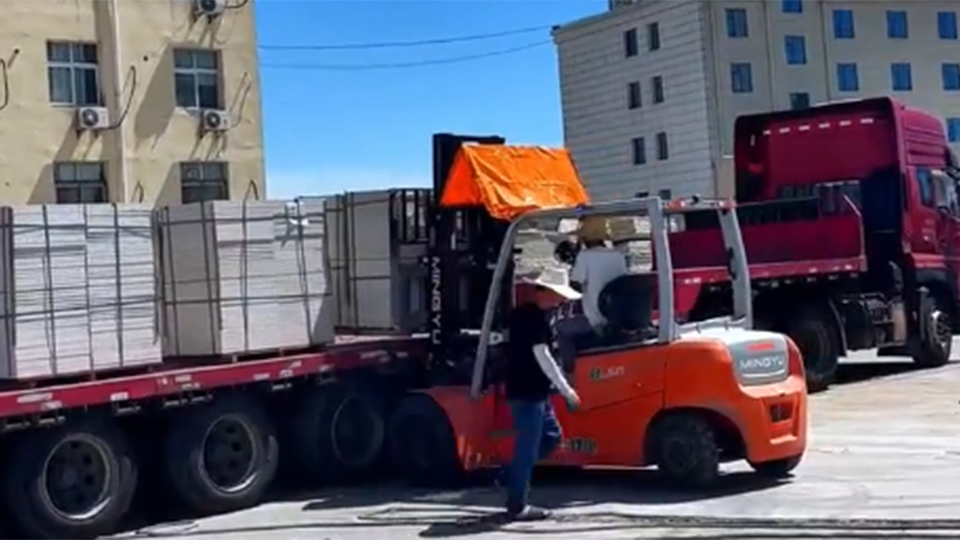
Leak detection during inspections prevents hydraulic fluid, engine oil, or coolant contamination of facility environments. Even small leaks accumulated across large fleets create significant environmental liabilities and cleanup costs. Proactive inspection programs align with corporate sustainability objectives while preventing regulatory violations related to environmental protection.
Conclusion
Forklift inspections serve multiple interconnected objectives that extend far beyond simple regulatory compliance. At their core, these programs protect human safety by identifying hazards before they cause accidents. They preserve capital investments through preventive maintenance, ensure legal compliance, and maintain operational productivity by preventing unexpected failures. Quality protection, operator development, data-driven optimization, and environmental stewardship represent additional layers of value that comprehensive inspection programs deliver.
Organizations that view inspections merely as paperwork exercises miss opportunities to leverage these programs for competitive advantage. Conversely, facilities that invest in thorough inspection protocols, operator training, and data integration create resilient operations capable of consistent performance in demanding material handling environments. As forklift technology evolves with automation, telematics, and alternative power systems, inspection programs will adapt to address new components and operational modes while maintaining their fundamental commitment to safety and reliability.
The investment of time and resources in proper forklift inspection programs yields returns measured in lives protected, accidents prevented, and operational excellence achieved. In the complex landscape of modern material handling, these systematic checks remain essential practices that no responsible organization can afford to neglect.
Name: selena
Mobile:+86-13176910558
Tel:+86-0535-2090977
Whatsapp:8613181602336
Email:vip@mingyuforklift.com
Add:Xiaqiu Town, Laizhou, Yantai City, Shandong Province, China
