
vip@mingyuforklift.com
+86-0535-2090977

Introduction
In the vast ecosystem of internet humor, few niches have carved out such a dedicated and surprisingly vibrant following as forklift memes. From Reddit communities with hundreds of thousands of members to TikTok accounts generating millions of views, these seemingly mundane pieces of industrial equipment have become unlikely stars of online culture. The phenomenon raises intriguing questions about the nature of workplace humor, digital community formation, and the unexpected ways technical subjects capture collective imagination. Understanding why forklift memes have achieved such popularity requires examining the intersection of occupational culture, internet humor mechanics, and the universal human need to find levity in daily labor.
The Foundation: Forklifts as Ubiquitous Cultural Touchstones
Forklifts occupy a unique position in the global workforce consciousness. Unlike specialized industrial equipment confined to specific sectors, forklifts appear across virtually every industry involving physical goods. Warehouses, construction sites, manufacturing plants, retail distribution centers, ports, and agricultural operations all rely on these versatile machines. This ubiquity creates an immediate recognition factor that transcends individual occupational boundaries, providing the foundational audience necessary for meme proliferation.
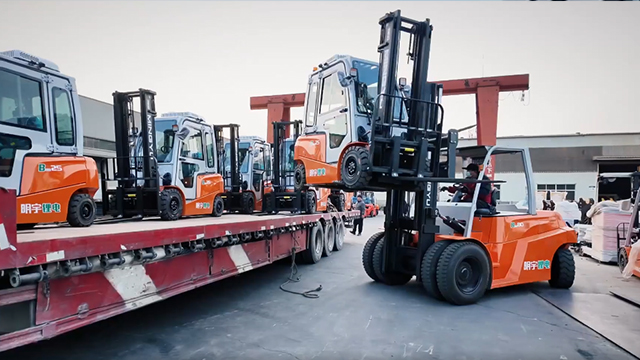
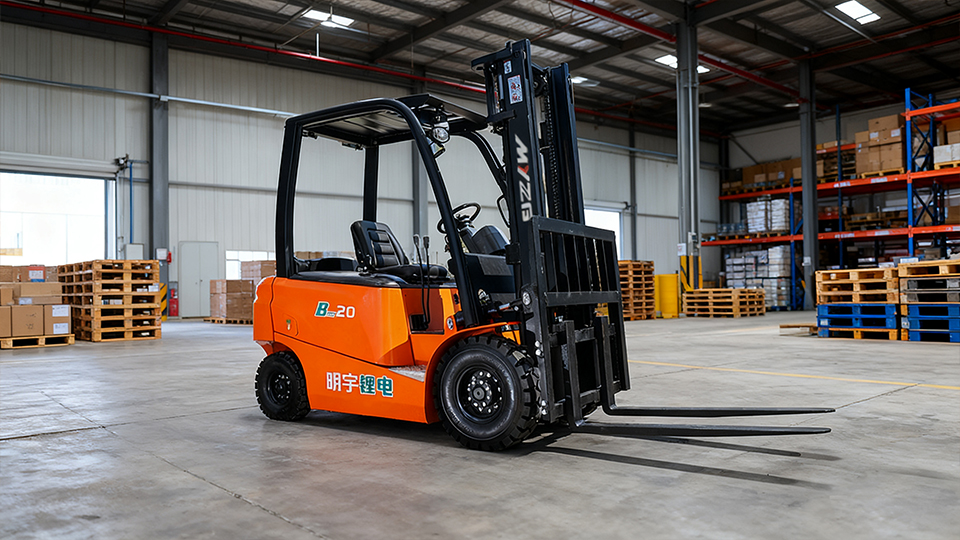
The visual distinctiveness of forklifts contributes significantly to their meme potential. The counterbalanced design, visible forks, mast assembly, and characteristic silhouette make forklifts instantly recognizable even in simplified or abstract representations. This visual clarity enables effective meme templates where the forklift serves as an immediately understood symbol without requiring explanation or context. When a meme features a forklift tipping over or attempting an absurd maneuver, viewers instantly comprehend the scenario regardless of their specific background.
Furthermore, forklifts represent a technology that has remained conceptually consistent across generations. While modern units incorporate sophisticated electronics and safety systems, the fundamental operating principles—lifting, transporting, and stacking heavy loads—have changed little over decades. This temporal stability allows forklift memes to resonate across age demographics, from veteran operators with decades of experience to younger workers encountering the equipment for the first time. The shared understanding of what forklifts do and how they operate creates common ground for humor that spans generational divides within the workforce.
The Appeal of Specialized Knowledge and In-Group Identity
Forklift memes derive substantial power from their ability to signal insider knowledge and create in-group solidarity among operators and warehouse workers. Many successful forklift memes reference specific operational challenges, regulatory requirements, or workplace scenarios that resonate deeply with those who have direct experience while remaining opaque to outsiders. This specialized knowledge component transforms simple jokes into markers of professional identity and shared experience.
The Occupational Safety and Health Administration (OSHA) features prominently in forklift meme culture, with countless variations on themes of regulatory compliance, safety violations, and the sometimes absurd gaps between official procedures and practical workplace realities. These memes allow workers to collectively process the tension between safety protocols designed to prevent accidents and the production pressures that sometimes encourage shortcuts. The humor provides a socially acceptable outlet for discussing workplace frustrations that might otherwise remain unexpressed.
Certification requirements for forklift operation create another layer of in-group dynamics. The process of obtaining and maintaining operator credentials, including formal training and periodic recertification, generates shared experiences that meme creators can reference. Jokes about the disparity between training scenarios and real-world conditions, the anxiety of practical examinations, or the perceived gap between certified competence and actual skill development all resonate with this specific audience. The certification framework provides narrative structures that support ongoing meme creation and variation.
The exclusivity of understanding certain forklift memes enhances their appeal within operator communities. When a meme references specific hydraulic system behaviors, load capacity calculations, or attachment configurations, those who comprehend the reference experience validation of their specialized expertise. This dynamic creates strong community bonds and encourages the sharing and creation of increasingly specific content that reinforces group cohesion while maintaining boundaries against casual outsiders.
The Absurdity Factor: Transforming the Mundane into Comedy
Forklift memes frequently derive humor from the contrast between the industrial seriousness of material handling equipment and the inherently absurd scenarios depicted. The visual of a forklift—designed for careful, controlled movement of heavy loads—engaging in clearly inappropriate activities creates immediate comedic tension. Whether attempting to lift objects far exceeding rated capacity, performing acrobatic maneuvers, or appearing in contexts completely unrelated to material handling, these juxtapositions generate humor through violation of expected behavior.
The physical characteristics of forklifts lend themselves to slapstick comedy traditions. Their top-heavy design, limited maneuverability in tight spaces, and the dramatic consequences of instability create natural opportunities for physical humor. Images or videos of forklifts tipping, dropping loads, or becoming stuck in improbable situations trigger schadenfreude responses while simultaneously serving as cautionary tales. The combination of potential danger and actual absurdity produces complex emotional responses that fuel meme engagement.
Internet culture's tendency toward anthropomorphization finds particularly fertile ground with forklifts. Memes frequently attribute human emotions, motivations, and social dynamics to these machines, creating narratives of forklift rebellion, workplace romance between vehicles, or generational conflicts between different forklift models. This anthropomorphic treatment transforms industrial equipment into relatable characters, expanding the emotional range of potential humor and enabling storytelling approaches that would be impossible with strictly realistic treatment.
The "forklift certification" meme format exemplifies this absurdity principle, presenting the credential as a mark of elite status deserving of profound respect and social privilege. The exaggerated elevation of a routine occupational requirement to the level of advanced academic achievement or professional licensure creates humor through hyperbole. This format has proven remarkably adaptable, spawning countless variations that apply the same treatment to other mundane accomplishments or credentials, demonstrating how forklift-specific content can evolve into broader internet culture phenomena.
Digital Platforms and Community Formation
The rise of forklift meme popularity cannot be separated from the platform dynamics that enable niche content to find and build audiences. Reddit's r/OSHA and r/Warehouse subreddits, along with specialized forklift operator forums, provide dedicated spaces where content creators and consumers gather, share, and refine meme formats. These communities function as incubators where successful concepts are identified, variations are developed, and content quality standards emerge through collective curation.
TikTok has emerged as a particularly powerful platform for forklift content, with the video format enabling demonstrations of actual forklift operations alongside comedic skits and reaction content. The platform's algorithmic content distribution allows forklift videos to reach users who might never actively seek industrial content, expanding the audience beyond traditional operator demographics. Viral forklift videos frequently feature impressive precision operations, dramatic saves, or spectacular failures, each category generating distinct engagement patterns and meme responses.
The comment sections of forklift-related content reveal active community participation in meaning-making and humor development. Experienced operators frequently contribute technical commentary that adds depth to seemingly simple content, explaining why certain operations are particularly impressive or dangerous, or providing context about specific equipment models and their characteristics. These expert contributions elevate forklift content beyond pure entertainment into educational and professional development resources, further strengthening community bonds.
Cross-platform pollination ensures that successful forklift meme formats achieve wide distribution. Content originating on TikTok gets screenshotted and shared on Twitter, compiled into compilation videos for YouTube, and discussed in dedicated Reddit threads. This multi-platform presence creates feedback loops where content success on one platform drives creation and variation on others, maintaining momentum and preventing any single community from becoming an isolated echo chamber.
Psychological Functions: Coping, Connection, and Catharsis
Beyond entertainment value, forklift memes serve important psychological functions for workers in demanding physical occupations. Material handling work involves genuine physical risks, repetitive tasks, and often challenging environmental conditions. Humor provides essential coping mechanisms that enable workers to process stress, acknowledge danger, and maintain psychological wellbeing in potentially hazardous environments.
The normalization of risk through humor represents a complex psychological phenomenon evident in forklift meme culture. By laughing at scenarios involving tipping, falling loads, or near-miss incidents, workers collectively acknowledge the dangers inherent in their occupation while simultaneously asserting their ability to manage those dangers. This dual function allows expression of vulnerability regarding workplace safety without undermining the competence and toughness often valued in industrial work cultures.
Forklift memes also facilitate connection between workers in isolated or physically dispersed settings. Individual operators may spend entire shifts working independently, with limited interaction with colleagues. Digital communities centered on forklift content provide social connection that complements rather than replaces workplace relationships, enabling workers to share experiences with broader audiences than their immediate physical environments allow. This expanded social network provides emotional support, professional advice, and sense of belonging that contributes to job satisfaction and retention.
The cathartic function of forklift humor addresses the frustrations and indignities of warehouse work that might otherwise accumulate as resentment. Memes about unreasonable productivity expectations, inadequate maintenance resources, or conflicts between safety protocols and operational demands allow workers to validate each other's experiences and recognize that their challenges reflect systemic issues rather than individual failings. This collective recognition can catalyze both personal coping and, occasionally, organized responses to workplace conditions.
Educational Value Disguised as Entertainment
A surprising aspect of forklift meme popularity is the genuine educational content embedded within humorous presentations. Many successful memes require or reward understanding of forklift physics, operational limitations, and safety principles. Viewers who engage deeply with forklift content often absorb substantial technical knowledge about load centers, stability triangles, mast types, and attachment configurations, even when their primary motivation is entertainment rather than education.
This educational dimension creates pathways for professional development that bypass traditional training resistance. Workers who might tune out formal safety presentations may actively seek and engage with forklift content that conveys similar information through humor and narrative. The meme format's brevity and visual nature can make complex safety concepts more accessible than text-heavy training materials, potentially improving safety awareness among operators who consume this content.
Safety professionals and training organizations have recognized this educational potential, increasingly incorporating meme formats and humor into formal training programs. By validating the cultural forms that workers already engage with voluntarily, these organizations increase the relevance and effectiveness of safety messaging. The blurring boundaries between official training content and organic meme culture creates opportunities for more effective communication about critical safety practices.
The documentation of real incidents through video and photography, often shared initially for entertainment or shock value, also serves educational purposes. Analysis of actual forklift accidents, near-misses, and operational failures provides concrete examples for safety training that supplement hypothetical scenarios. While the primary sharing motivation may be entertainment or morbid curiosity, the resulting content archives support ongoing safety education and research into accident causation and prevention.
Economic and Industry Context
The popularity of forklift memes reflects broader economic trends that have elevated the importance and visibility of logistics and supply chain operations. E-commerce growth, just-in-time manufacturing, and global trade expansion have increased both the number of forklift operators and the societal dependence on efficient material handling. As these operations become more economically central, cultural attention to the work and workers involved naturally increases.
Labor market dynamics also influence forklift meme culture. Persistent shortages of skilled operators in many regions create competitive pressures that elevate the status and visibility of these positions. Memes celebrating forklift certification and operator skill reflect genuine market recognition of the value these workers provide. The humor serves partly as cultural acknowledgment of economic contributions that traditional status hierarchies might overlook.
Technological change within the industry generates meme content addressing automation, telematics, and alternative power systems. As electric forklifts replace internal combustion models and autonomous systems begin appearing in warehouses, meme creators document and comment on these transitions. The humor often addresses anxieties about technological displacement, the learning curves associated with new equipment, or the ironic contrast between futuristic technology and persistent operational challenges.
The COVID-19 pandemic significantly impacted forklift meme culture by highlighting the essential nature of supply chain operations and the workers who maintain them. As consumers became more aware of logistics infrastructure through discussions of delivery delays and inventory shortages, cultural interest in warehouse operations increased. Forklift operators, previously largely invisible to the general public, received new recognition as essential workers, and content depicting their work gained broader audiences and appreciation.
The Future of Forklift Meme Culture
As digital culture continues evolving, forklift memes appear likely to maintain and potentially expand their cultural presence. The fundamental conditions supporting their popularity—ubiquitous recognition, specialized knowledge communities, absurdity potential, and genuine occupational relevance—remain stable. However, several trends may shape future development of this content category.
Increasing integration of augmented reality and virtual reality technologies into training and operations may create new formats for forklift content. Virtual simulations that currently serve training purposes may become platforms for entertainment and competitive gaming, blurring boundaries between work skills and leisure activities. Meme culture will likely follow these developments, incorporating new technological contexts into existing humor frameworks.
Generational transitions within the workforce may shift forklift meme aesthetics and platforms as younger digital natives enter operator positions in larger numbers. The platforms and formats that resonate with established operators may not capture the attention of new workforce entrants, requiring adaptation of content creation and distribution strategies. However, the underlying social and psychological functions that forklift memes serve appear likely to persist across generational change.
Potential automation of forklift operations raises questions about the future of operator-centered meme culture. If autonomous systems significantly reduce human operator roles, the specific experiences and knowledge that currently fuel forklift humor may become historical rather than contemporary references. However, the transition period itself will likely generate substantial meme content addressing the relationship between human operators and automated systems, potentially extending the cultural relevance of forklift humor even as the occupation transforms.
Conclusion
The popularity of forklift memes represents far more than a quirky internet curiosity. These cultural artifacts emerge from genuine occupational experiences, serve important social and psychological functions for workers, and reflect broader economic and technological trends shaping modern employment. The humor derives its power from the contrast between industrial seriousness and everyday absurdity, from the solidarity of shared specialized knowledge, and from the universal human need to find meaning and connection through work.
Understanding forklift meme popularity provides insights applicable to broader questions about digital culture, workplace communication, and the ways technical occupations develop and maintain professional identities. As material handling continues evolving with technological change, the cultural forms surrounding this work will adapt while likely preserving the core functions that have made forklift humor a surprisingly significant corner of internet culture. The humble forklift, essential to global commerce yet rarely celebrated in traditional media, has found in meme culture a form of recognition that validates the skill, risk, and occasional absurdity of modern industrial work.
Name: selena
Mobile:+86-13176910558
Tel:+86-0535-2090977
Whatsapp:8613181602336
Email:vip@mingyuforklift.com
Add:Xiaqiu Town, Laizhou, Yantai City, Shandong Province, China
