
vip@mingyuforklift.com
+86-0535-2090977

Introduction
Utilev is a brand of internal combustion counterbalanced forklift trucks introduced by NACCO Materials Handling Group (now Hyster-Yale Materials Handling) in 2011, designed to provide reliable and cost-effective materials handling solutions for light to medium-duty applications. The diesel-powered models in the Utilev lineup—typically ranging from 2.0 to 3.5 tonnes capacity—are equipped with Japanese Yanmar diesel engines and are widely used across warehouses, factories, construction sites, and logistics operations worldwide.
Starting a diesel Utilev forklift is not merely a matter of turning a key. It requires a systematic pre-operation inspection, an understanding of the diesel engine's cold-start characteristics, and adherence to strict safety protocols. This guide provides a comprehensive, step-by-step technical walkthrough for operators and maintenance personnel.
Section 1: Pre-Start Inspection (The Foundation of Safe Operation)
Before attempting to start any diesel Utilev forklift, a thorough pre-operation inspection is mandatory. Skipping this phase is one of the leading causes of equipment damage and workplace accidents.
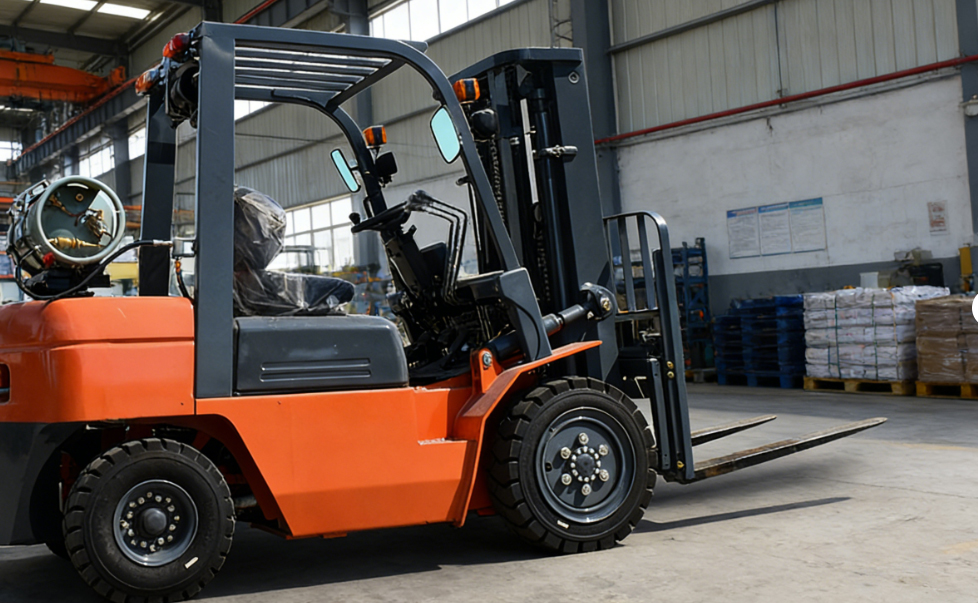
1.1 Visual Walk-Around Inspection
Begin by conducting a 360-degree visual inspection of the forklift:
Tire Condition: Check pneumatic tires for proper inflation, cuts, or embedded debris. For cushion tires, inspect for chunking or excessive wear. Uneven wear patterns may indicate alignment issues.
Fluid Leaks: Look beneath the forklift for any signs of oil, coolant, or hydraulic fluid leaks. Diesel engines operate at high pressures; even minor leaks can escalate rapidly.
Fork and Mast Integrity: Examine the forks for cracks, bends, or worn heel thickness. Inspect the lift chains for proper tension, lubrication, and signs of elongation or damaged links. The mast rollers should move freely without binding.
Overhead Guard and Backrest: Ensure the overhead guard is securely mounted and free of structural damage. The load backrest must be intact to prevent load shift.
1.2 Fluid Level Verification
Diesel engines are critically dependent on proper fluid levels. Open the engine compartment hood and verify:
表格
Fluid Location Check Method Normal Level Indicator
Engine Oil Dipstick tube (usually yellow or orange handle) Pull dipstick, wipe, reinsert, remove and read Between MIN and MAX marks
Coolant Radiator reservoir or expansion tank Visual inspection of translucent tank Between LOW and FULL marks
Hydraulic Oil Hydraulic reservoir Sight glass or dipstick At specified mark
Diesel Fuel Fuel tank gauge or sight glass Visual reading Sufficient for shift operation
Brake Fluid Master cylinder reservoir Visual inspection Between MIN and MAX lines
Critical Note: If the engine oil appears milky or the coolant level is consistently dropping, do not start the engine. These symptoms indicate potential head gasket failure or coolant intrusion, which can cause catastrophic engine damage if operated.
1.3 Battery and Electrical System Check
Utilev diesel forklifts typically use a 12V battery system (12V/80Ah configuration on common models). Inspect the battery terminals for corrosion and ensure connections are tight. A loose or corroded connection can cause voltage drop, leading to hard starting or failure to crank, particularly in cold weather.
Test all exterior lights—headlights, taillights, brake lights, and turn signals. Verify the horn operates correctly. These are not merely convenience features; they are legally required safety devices in most jurisdictions.
1.4 Operator Compartment Inspection
Enter the operator's seat and check:
Seat Belt: Ensure it latches and retracts properly.
Operator Presence System: Most modern Utilev models are equipped with an Operator Presence Sensing System (required in most markets). This system prevents operation if the operator is not properly seated. Verify the seat sensor responds when you sit down.
Steering: Turn the steering wheel lock-to-lock; it should move smoothly without excessive play or binding.
Parking Brake: Engage and release the parking brake. It should hold the forklift stationary on a slight incline.
Control Levers: Verify the hydraulic control levers (lift, lower, tilt, sideshift if equipped) return to neutral automatically and move without sticking.
Section 2: Cold-Start Considerations for Diesel Engines
Diesel engines operate differently from gasoline or LPG engines, and Utilev's Yanmar diesel powerplants are no exception. Understanding cold-start behavior is essential.
2.1 Glow Plug Pre-Heating
Diesel engines rely on compression ignition rather than spark ignition. In cold ambient temperatures (typically below 10°C / 50°F), the compressed air may not reach sufficient temperature to ignite the diesel fuel reliably. Utilev diesel forklifts are equipped with a glow plug system to address this.
Procedure:
Insert the key and turn to the "ON" position (do not crank yet).
Observe the glow plug indicator lamp on the instrument panel—usually a coil or glow plug symbol.
Wait for the lamp to extinguish. This typically takes 5–15 seconds in moderate cold, and up to 30 seconds in freezing conditions.
Do not skip this step. Attempting to crank without adequate pre-heating can result in incomplete combustion, excessive white smoke, fuel washdown of cylinder walls, and accelerated engine wear.
2.2 Cold Weather Additional Measures
In temperatures below freezing:
Fuel Quality: Ensure the diesel fuel is winter-grade with appropriate cloud point and pour point additives. Standard summer diesel can gel in cold weather, clogging fuel filters and lines.
Block Heater: If the forklift is equipped with an engine block heater (common in cold-climate specifications), plug it in 2–4 hours before starting. This warms the coolant and engine block, significantly improving cold-start performance and reducing engine wear.
Battery Health: Cold temperatures reduce battery cranking capacity. A battery that tests fine at 20°C may fail at -10°C. If the engine cranks slowly, the battery may need charging or replacement.
Section 3: The Starting Procedure — Step by Step
With the pre-start inspection complete and cold-start considerations addressed, proceed with the engine start sequence.
Step 1: Secure the Area
Ensure the forklift is on level ground. Engage the parking brake firmly. Place all hydraulic control levers in the neutral position. Verify the direction control lever (forward/reverse) is in neutral. The mast should be in the vertical position with forks fully lowered to the ground.
Step 2: Neutral Safety Verification
Modern Utilev forklifts incorporate a neutral-start safety feature that prevents engine cranking unless the transmission is in neutral. Attempting to start with the direction lever engaged will result in no crank condition—this is by design, not a malfunction.
Step 3: Pre-Heat (if applicable)
As described in Section 2.1, activate the glow plug system by turning the ignition key to "ON" and waiting for the indicator lamp to extinguish.
Step 4: Crank the Engine
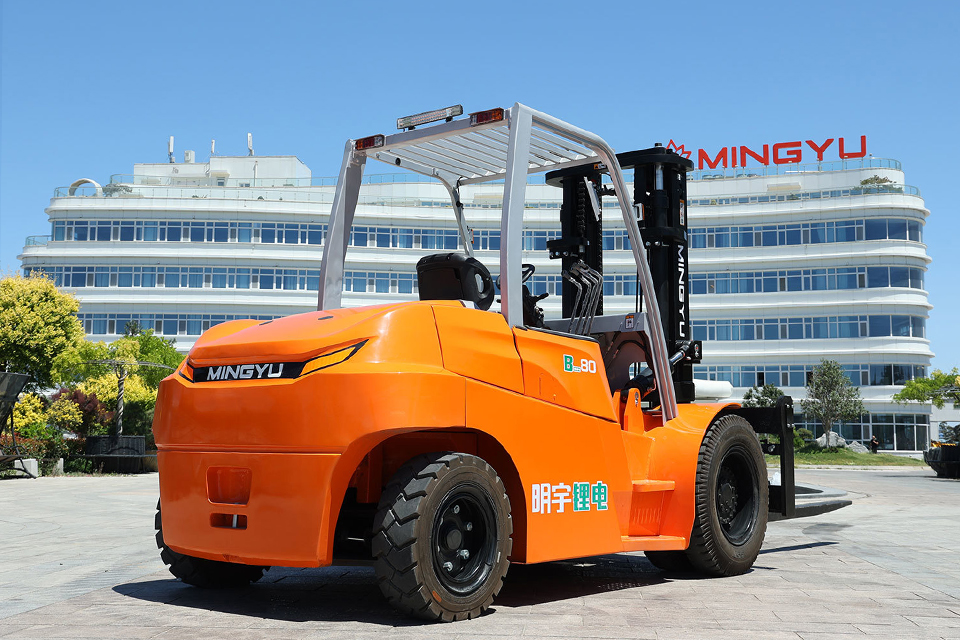
Turn the ignition key to the "START" position. The starter motor should engage immediately.
Normal Crank Time: Do not crank continuously for more than 10–15 seconds. If the engine fails to start, release the key and wait 30–60 seconds for the starter motor to cool before attempting again.
Successful Start: Once the engine fires, release the key immediately. The starter is not designed for extended operation and can overheat or sustain damage if held engaged.
Step 5: Initial Idle Observation
After the engine starts, allow it to idle for 2–3 minutes before applying any load or operating hydraulics. During this period:
Oil Pressure: Observe the oil pressure gauge or warning lamp. Oil pressure should build within 2–3 seconds of starting. If the warning lamp remains illuminated or pressure does not register, shut down immediately and investigate.
Exhaust Smoke: Brief white smoke on cold startup is normal (unburned fuel vapor). Persistent blue smoke indicates oil burning (worn rings/valve seals). Black smoke suggests over-fueling or air restriction. Excessive smoke of any color warrants investigation.
Unusual Noises: Listen for knocking, rattling, or grinding sounds. Diesel engines are inherently noisier than gasoline engines, but metallic knocking or irregular rhythms indicate mechanical problems.
Coolant Temperature: The coolant temperature gauge should begin rising from cold toward normal operating range (typically 80–95°C / 176–203°F).
Step 6: Hydraulic System Warm-Up
Diesel Utilev forklifts use hydraulic oil for all lifting and tilting functions. Cold hydraulic oil is viscous and can cause sluggish operation or cavitation. After the engine has idled for 2–3 minutes:
Raise the forks approximately 15–30 cm (6–12 inches) off the ground.
Cycle the tilt function forward and backward 2–3 times.
If equipped with sideshift, cycle it left and right.
Lower the forks back to the ground.
This circulates hydraulic fluid through the system, warming it and ensuring all valves and cylinders respond properly.
Section 4: Post-Start Operational Checks
Before moving the forklift into productive operation, perform these final verification steps.
4.1 Brake Test
With the engine at normal idle, depress the service brake pedal. It should feel firm, not spongy. Sponginess indicates air in the hydraulic brake lines or low fluid. Test the parking brake by attempting to move the forklift slightly in neutral with the brake engaged—it should hold firmly.
4.2 Steering Response
With the engine running, test steering response by turning the wheel. Power steering should assist with minimal effort. If steering feels heavy or unresponsive, check hydraulic steering fluid levels and pump operation.
4.3 Hydraulic Function Test
Raise the forks to approximately 1 meter (3 feet) and test:
Lifting: Smooth ascent without jerking or hesitation.
Lowering: Controlled descent without "drifting" or rapid drops.
Tilting: Forward and backward tilt should be smooth and hold position when the lever is released.
Attachment Functions: If equipped with sideshift, fork positioners, or other attachments, verify all operate correctly.
4.4 Instrument Panel Verification
Confirm all gauges read within normal ranges:
Engine oil pressure: Within green/normal zone
Coolant temperature: Rising toward normal (not overheating)
Alternator/charging system: Indicator extinguished (charging)
Fuel level: Sufficient for operation
Section 5: Troubleshooting Common Start Failures
Even with proper procedure, starting failures can occur. Here is a diagnostic approach:
表格
Symptom Likely Cause Corrective Action
No crank; no click Dead battery, loose terminals, blown fuse, neutral safety switch fault Check battery voltage (should be >12.4V), tighten terminals, check fuses, verify transmission in neutral
Click but no crank Weak battery, faulty starter solenoid, seized engine Charge/replace battery; if battery is good, test starter/solenoid; if engine is seized, do not force—call technician
Cranks but won't fire No fuel, glow plugs not functioning, air in fuel lines, clogged fuel filter Check fuel level and fuel shutoff valve; test glow plug circuit; bleed fuel system if air is suspected; replace fuel filter
Fires then dies Fuel starvation, air leak in fuel system, faulty shutdown solenoid Check fuel lines for leaks; inspect fuel shutoff solenoid operation; verify tank vent is clear
Hard start in cold only Weak glow plugs, wrong fuel grade, low compression, weak battery Test glow plug resistance; switch to winter-grade diesel; perform compression test; test battery cold-cranking amps
Section 6: Long-Term Storage and Restart Procedures
If a diesel Utilev forklift has been stored for more than 30 days, additional steps are required before starting:
Battery: Charge fully and test load capacity. Stored batteries self-discharge and sulfate.
Fuel System: Drain any water contamination from the fuel/water separator. Check for algae growth in the fuel tank (common in humid climates).
Engine Oil: Change if storage exceeded 6 months. Condensation can contaminate oil during long-term storage.
Cooling System: Verify coolant concentration and condition. Test for freeze protection and corrosion inhibitor levels.
Hydraulic System: Check oil level and condition. Water contamination appears as a milky emulsion.
First Start After Storage: Crank without starting for 10 seconds to build oil pressure, then start and idle for 10–15 minutes before loading.
Section 7: Safety Protocols and Regulatory Compliance
Operating a diesel forklift carries inherent risks. The following safety protocols are non-negotiable:
Personal Protective Equipment (PPE): Hard hat, safety shoes, high-visibility vest, and hearing protection in enclosed spaces.
Exhaust Ventilation: Diesel exhaust contains carbon monoxide, particulate matter, and nitrogen oxides. Never operate in enclosed spaces without adequate ventilation or exhaust scrubbers.
Operator Certification: Most jurisdictions require formal forklift operator certification. Untrained personnel must never start or operate the equipment.
Daily Log: Record pre-start inspection results, hours, fuel consumption, and any anomalies. This documentation is critical for maintenance scheduling and incident investigation.
Conclusion
Starting a diesel Utilev forklift is a methodical process that demands attention to detail, technical understanding of diesel engine characteristics, and unwavering adherence to safety protocols. The pre-start inspection, glow plug pre-heating, controlled cranking, and post-start system verification are not bureaucratic formalities—they are engineering safeguards designed to protect both the operator and the equipment.
By following the procedures outlined in this guide, operators can ensure reliable starts, extended engine life, and safe productive operation. Remember: the 10 minutes spent on proper starting procedure can prevent hours of costly downtime and, more importantly, prevent accidents that could cause injury or worse. When in doubt, consult the official Utilev Operation and Maintenance Manual for your specific model—documentation that remains the authoritative source for all operational procedures.
Name: selena
Mobile:+86-13176910558
Tel:+86-0535-2090977
Whatsapp:8613181602336
Email:vip@mingyuforklift.com
Add:Xiaqiu Town, Laizhou, Yantai City, Shandong Province, China
