
vip@mingyuforklift.com
+86-0535-2090977

Introduction
The material handling industry stands at a critical inflection point in its propulsion technology evolution. For decades, internal combustion engines—primarily diesel and liquefied petroleum gas (LPG)—dominated forklift powertrains, offering established performance characteristics and refueling infrastructure. However, intensifying environmental regulations, corporate sustainability commitments, and advancing battery and fuel cell technologies have catalyzed a fundamental shift toward zero-emission alternatives. Electric forklifts, once limited to light-duty indoor applications, now challenge combustion counterparts across the full performance spectrum. Simultaneously, hydrogen fuel cell forklifts have emerged from demonstration projects to commercial viability, particularly in intensive multi-shift operations where battery charging constraints create operational bottlenecks.
This technical article examines the current state and trajectory of electric and hydrogen fuel cell forklift technologies, analyzing engineering advancements, economic parameters, infrastructure requirements, and market dynamics that will determine their respective roles in the decarbonized material handling landscape of the coming decade.
1. Electric Forklift Technology Progression
1.1 Battery Chemistry Evolution
The performance envelope of electric forklifts has expanded dramatically through successive generations of battery technology. Lead-acid batteries, the historical standard, offered proven reliability but imposed substantial operational constraints: 8-hour charging cycles, mandatory cool-down periods, electrolyte maintenance requirements, and significant weight penalties that partially offset payload capacity.
Lithium-ion battery technology has fundamentally transformed electric forklift economics and capabilities. Contemporary lithium iron phosphate (LiFePO₄) chemistries deliver energy densities of 140–160 Wh/kg, compared to 30–50 Wh/kg for lead-acid equivalents. This density improvement enables compact battery packs that maintain full-shift operational duration while reducing total vehicle weight by 15–25%. Critically, lithium-ion systems support opportunity charging—brief, high-current partial charges during operator breaks—that eliminates the dedicated charging infrastructure and schedule disruptions inherent to lead-acid systems.
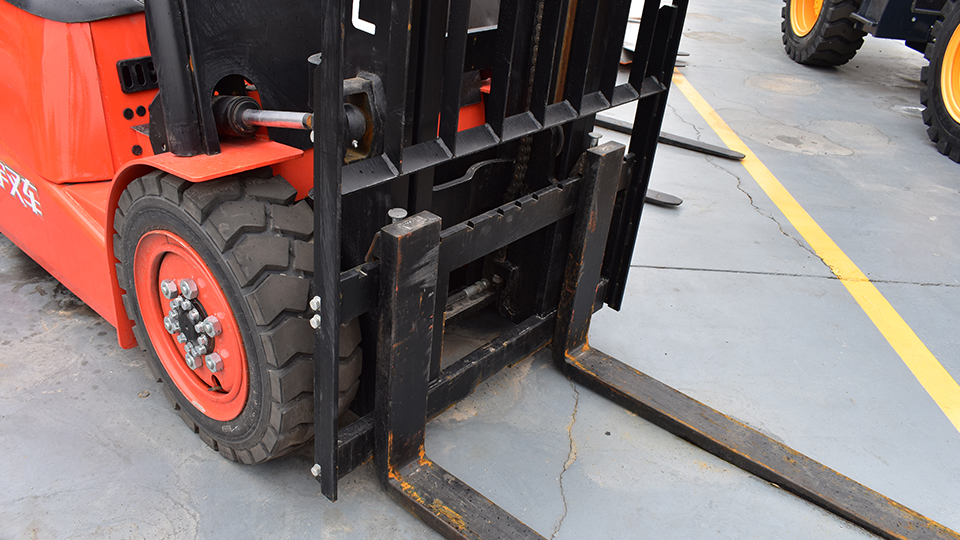
Emerging solid-state battery technologies promise further advances. Prototype systems demonstrate energy densities exceeding 400 Wh/kg with inherent thermal stability that eliminates fire risk concerns associated with liquid electrolyte systems. Toyota Industries and Crown Equipment have announced solid-state evaluation programs, with commercialization targeted for the late 2020s. These developments will extend electric forklift operational range into applications currently reserved for combustion powertrains, including outdoor rough-terrain operations and extended-shift continuous use.
1.2 Powertrain Efficiency and Performance
Modern electric forklifts employ permanent magnet synchronous motors (PMSM) with rare-earth magnet rotors, achieving peak efficiencies of 94–96% compared to 25–35% for diesel engines. This efficiency differential translates to substantially lower energy consumption per unit of work: a 3.5-ton electric counterbalance forklift typically consumes 4.5–6.0 kWh per operating hour, versus 3.5–4.5 liters of diesel for an equivalent combustion model. At current European energy prices, the electric powertrain delivers 40–60% lower fuel costs despite electricity price volatility.
Torque characteristics of electric motors provide operational advantages beyond efficiency. Maximum torque is available from zero RPM, eliminating the clutch engagement and transmission shifting that characterize combustion forklift operation. This instantaneous torque delivery improves acceleration, enhances load control during lifting, and reduces component wear. Regenerative braking systems recover kinetic energy during deceleration and mast lowering, further improving system efficiency and reducing brake maintenance.
1.3 Thermal Management and Environmental Adaptation
Early-generation electric forklifts suffered performance degradation in temperature extremes: capacity reduction in cold environments and accelerated degradation in high-temperature conditions. Contemporary systems incorporate active thermal management using liquid cooling circuits and battery heating elements that maintain optimal operating temperatures across −20°C to +45°C ambient ranges. These adaptations have expanded electric forklift applicability into refrigerated warehousing and outdoor operations in continental climates.
1.4 Intelligence Integration
Electric powertrains facilitate integration with advanced control systems that optimize energy consumption and operational safety. Machine learning algorithms analyze operator behavior, load characteristics, and route profiles to predict energy requirements and recommend charging strategies. Predictive maintenance systems monitor battery state-of-health parameters—internal resistance, capacity fade, thermal uniformity—to schedule replacement before performance degradation impacts operations.
2. Hydrogen Fuel Cell Forklift Technology
2.1 Fuel Cell System Architecture
Hydrogen fuel cell forklifts generate electricity through electrochemical reaction of hydrogen and oxygen in a proton exchange membrane (PEM) fuel cell stack. The generated power drives electric traction motors identical to those in battery-electric forklifts, while a small lithium-ion buffer battery manages transient power demands and regenerative braking recovery.
The defining characteristic of fuel cell systems is energy storage decoupled from power generation. Hydrogen is stored as compressed gas at 350 or 700 bar in Type III (aluminum-lined carbon fiber) or Type IV (plastic-lined carbon fiber) cylinders. This configuration enables rapid refueling—typically 3–5 minutes—while maintaining zero-emission operation throughout the duty cycle.
2.2 Technical Performance Parameters
Contemporary fuel cell forklifts achieve system efficiencies of 45–55% (well-to-wheel), compared to 25–30% for battery-electric systems when grid transmission and charging losses are included. For intensive multi-shift operations, this efficiency differential is outweighed by operational advantages: elimination of battery changeout infrastructure, continuous availability without charging downtime, and consistent power delivery unaffected by state-of-charge degradation.
Fuel cell systems demonstrate particular advantages in cold environments. Unlike batteries, which suffer capacity reduction below 0°C, fuel cell operation generates waste heat that maintains optimal stack temperature. Plug Power, the dominant North American fuel cell forklift supplier, reports reliable cold-start performance to −30°C without performance degradation.
2.3 Durability and Lifecycle Considerations
PEM fuel cell stack durability has improved substantially through catalyst optimization and membrane stabilization. Current generation stacks achieve 15,000–20,000 operating hours before performance degradation necessitates replacement, comparable to diesel engine overhaul intervals. Stack replacement costs have declined from approximately $1,500/kW in 2015 to $500–800/kW in 2025, with Department of Energy targets of $80/kW by 2030 that would achieve cost parity with combustion powertrains.
Hydrogen storage cylinder lifecycles are governed by composite material fatigue. Type IV cylinders are certified for 15-year service life with periodic inspection, after which replacement is mandatory. Cylinder weight remains a design constraint: a 5 kg hydrogen capacity system (sufficient for 8–10 hours of intensive operation) adds approximately 80–100 kg to vehicle weight compared to equivalent battery systems.
3. Infrastructure and Total Cost Analysis
3.1 Charging Infrastructure for Electric Forklifts
Electric forklift charging infrastructure spans a spectrum from conventional Level 2 AC charging (7–22 kW) to DC fast charging (50–150 kW) and emerging megawatt-class systems for heavy-duty applications. Facility electrical capacity frequently constrains deployment: a fleet of 20 forklifts with simultaneous fast charging can demand 1–2 MW electrical service, potentially requiring utility infrastructure upgrades costing $500,000–$2,000,000.
Opportunity charging strategies mitigate infrastructure requirements by distributing charging demand across operating periods. Wireless inductive charging systems—installed at staging areas, break rooms, and intersection points—enable automated charging without operator intervention. These systems add $8,000–$15,000 per vehicle but eliminate connector wear and charging procedure compliance failures.
3.2 Hydrogen Supply Chain Infrastructure
Hydrogen infrastructure encompasses production, distribution, and dispensing components. On-site electrolysis using grid electricity or renewable power eliminates distribution requirements but demands substantial capital investment: a 500 kg/day electrolysis system costs $2–4 million installed. Alternatively, delivered liquid or gaseous hydrogen requires tube trailer delivery, vaporization equipment, and high-pressure dispensing systems.
Hydrogen dispensing for forklifts typically employs 350 bar systems, with dual-hose configurations enabling simultaneous refueling of two vehicles. Station capital costs range from $500,000 to $1.5 million depending on throughput capacity and storage configuration. Economic viability generally requires minimum fleet sizes of 20–30 forklifts to achieve sufficient utilization.
3.3 Total Cost of Ownership Comparison
Comprehensive TCO analysis must incorporate vehicle acquisition, energy/fuel costs, infrastructure amortization, maintenance, and residual value. For a representative 3-ton counterbalance forklift operating 2,000 hours annually over 7 years:
Battery-electric: $45,000–$55,000 vehicle, $0.08–$0.15/kWh electricity, $15,000–$25,000 charging infrastructure (fleet-amortized), 30% lower maintenance than combustion. TCO advantage increases with operating hours and electricity price stability.
Hydrogen fuel cell: $65,000–$85,000 vehicle (including fuel cell premium), $8–$12/kg hydrogen, $500,000–$1,500,000 station infrastructure (fleet-amortized), comparable maintenance to electric. TCO advantage emerges in intensive multi-shift operations where charging downtime costs exceed fuel cost premiums.
Current economics favor battery-electric for single-shift and moderate multi-shift operations, while hydrogen fuel cell achieves parity or advantage in continuous 24/7 operations with high labor costs associated with charging downtime.
4. Market Dynamics and Competitive Landscape
4.1 Global Market Scale and Growth Trajectories
The global forklift market exceeded 2.3 million units in 2024, with electric variants capturing 65% of unit volume and 58% of revenue. China dominates production and consumption, accounting for 45% of global electric forklift shipments, driven by aggressive industrial electrification policies and domestic battery supply chain advantages.
Hydrogen fuel cell forklifts represent a smaller but rapidly expanding segment. Approximately 50,000 fuel cell forklifts were in commercial operation globally by end-2024, concentrated in North American distribution centers (Walmart, Amazon, Home Depot) and Korean manufacturing facilities. Annual deployment growth rates of 25–35% are projected through 2030 as hydrogen infrastructure matures.
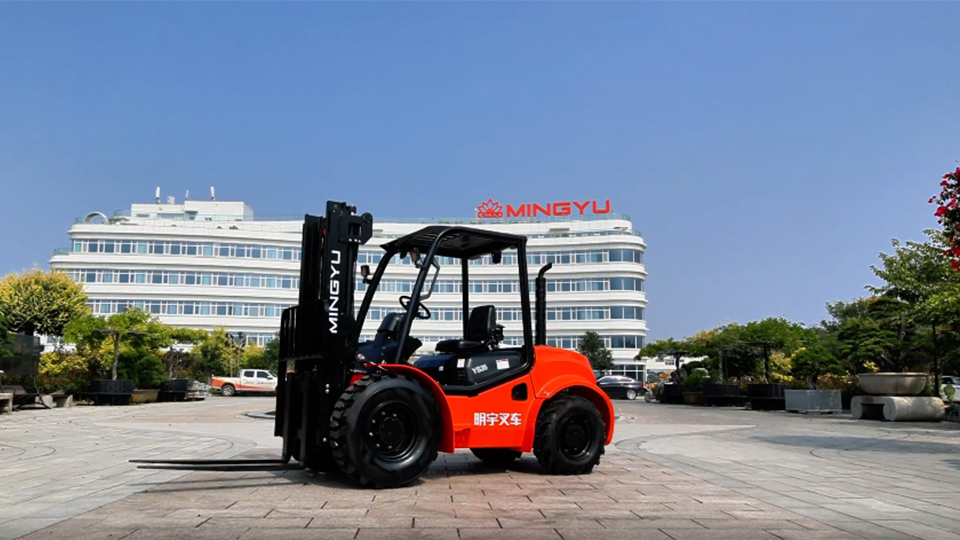
4.2 Regulatory Drivers
Emission regulations constitute the primary market driver for zero-emission forklift adoption. The European Union's Stage V non-road emission standards impose stringent particulate and NOx limits that effectively prohibit new diesel forklift sales in urban applications by 2027. California's Advanced Clean Trucks regulation mandates increasing zero-emission forklift percentages, reaching 100% for specified categories by 2036. Similar regulatory frameworks are emerging in China (National VI standards), Japan (Green Growth Strategy), and South Korea (Hydrogen Economy Roadmap).
Carbon pricing mechanisms indirectly influence forklift economics. At carbon prices exceeding €100/tonne CO₂, the operating cost advantage of zero-emission alternatives expands substantially. Corporate net-zero commitments increasingly mandate supply chain decarbonization, extending electric and hydrogen forklift requirements to logistics contractors and warehousing operators.
4.3 Competitive Positioning of Major Manufacturers
Traditional forklift manufacturers have pursued divergent electrification strategies. Toyota Industries and KION Group (Linde, STILL) emphasize battery-electric platforms with modular battery configurations spanning applications from pedestrian pallet trucks to heavy-duty container handlers. These manufacturers leverage established dealer networks and service infrastructure to support electric transition.
Emerging competitors specialize in fuel cell integration. Plug Power has deployed over 50,000 fuel cell systems, predominantly in material handling applications, and has vertically integrated into hydrogen production and distribution. Hyster-Yale's Nuvera subsidiary develops fuel cell powertrains for integration across the manufacturer's product range. Chinese manufacturers (Anhui Heli, Hangcha) are expanding fuel cell offerings targeting domestic port and logistics applications.
5. Technical Challenges and Development Trajectories
5.1 Battery Technology Limitations
Despite substantial progress, battery-electric forklifts face persistent constraints. Fast charging generates thermal stress that accelerates capacity fade; current lithium-ion systems typically achieve 3,000–5,000 cycles before capacity retention falls below 80%. Solid-state batteries promise 10,000+ cycle lifespans but require resolution of manufacturing scale-up challenges and cost reduction.
Resource constraints for battery materials—lithium, cobalt, nickel—introduce supply chain vulnerabilities. Cobalt-free chemistries (LiFePO₄, sodium-ion) are gaining traction to mitigate ethical sourcing concerns and price volatility. Sodium-ion batteries, with abundant raw material availability, may emerge as cost-competitive alternatives for moderate-duty applications by 2027–2028.
5.2 Hydrogen Infrastructure Scaling
Hydrogen forklift deployment is constrained by infrastructure availability. Green hydrogen production—electrolysis powered by renewable electricity—remains 2–3× more expensive than gray hydrogen (steam methane reforming) or fossil-derived alternatives. Production cost parity requires electrolyzer capital cost reduction to $400/kW and electricity prices below $30/MWh.
Hydrogen distribution faces "chicken-and-egg" challenges: infrastructure investment awaits vehicle deployment volumes, while fleet operators hesitate without guaranteed fuel supply. Government-backed hydrogen hub initiatives in the United States, European Hydrogen Backbone program, and Chinese fuel cell vehicle demonstration cities aim to resolve this coordination failure through coordinated infrastructure and vehicle deployment.
5.3 Convergence and Hybrid Architectures
Future forklift powertrains may incorporate hybrid architectures combining battery and fuel cell advantages. Range-extender configurations use compact fuel cells (5–10 kW) to maintain battery charge during intensive operation, reducing battery size requirements while preserving plug-in charging capability. These systems offer operational flexibility for applications with variable duty cycles and uncertain hydrogen availability.
Conclusion
Electric and hydrogen fuel cell forklifts represent complementary pathways toward zero-emission material handling, each optimized for distinct operational profiles. Battery-electric technology has achieved commercial maturity across the majority of forklift applications, with continuing advances in energy density, charging speed, and cost reduction extending its addressable market. Hydrogen fuel cell systems offer compelling advantages in intensive multi-shift operations where refueling speed and continuous availability outweigh infrastructure investment requirements.
The trajectory of market adoption will be shaped by regulatory stringency, infrastructure development, and technological convergence. Organizations evaluating forklift fleet transitions must conduct rigorous application-specific analysis incorporating duty cycles, facility constraints, energy costs, and strategic sustainability objectives. The material handling industry's transition from combustion dominance is irreversible; the relevant question is not whether to electrify, but which combination of battery and fuel cell technologies optimally serves diverse operational requirements in the emerging zero-emission landscape.
Name: selena
Mobile:+86-13176910558
Tel:+86-0535-2090977
Whatsapp:8613181602336
Email:vip@mingyuforklift.com
Add:Xiaqiu Town, Laizhou, Yantai City, Shandong Province, China
