
vip@mingyuforklift.com
+86-0535-2090977

1. Introduction
Brief overview of forklift mast technology and its role in material handling
Definition of mast "stages" and "free-lift" concepts
Purpose of the article: to explain the triple-stage free-lift mast design and identify where it delivers the most value
2. What Is a Triple-Stage Free-Lift Mast?
2.1 Basic Terminology
Mast stage: explanation of inner, middle, and outer rails
Free lift: meaning and significance (lifting height without increasing overall mast height)
Triple-stage (3-stage) vs. single-stage and two-stage masts
2.2 Structural Composition
Outer stationary rail (attached to forklift chassis)
Middle movable rail
Inner movable rail (with carriage and forks)
Hydraulic cylinder arrangement (typically two lift cylinders + one free-lift cylinder)
Chain and pulley system for synchronized extension
2.3 How Free Lift Works
First phase: free-lift cylinder raises the inner rail and carriage without extending the outer mast
Second and third phases: full extension of middle and outer rails via main lift cylinders
Visual/mechanical distinction between free-lift zone and full-lift zone
3. Key Technical Specifications
Typical free-lift ranges (e.g., 1,200–1,600 mm or custom)
Maximum lift heights achievable with triple-stage design (up to 6,000+ mm)
Load capacity considerations and derating at height
Overall lowered mast height vs. maximum extended height ratio
Hydraulic pressure and flow requirements
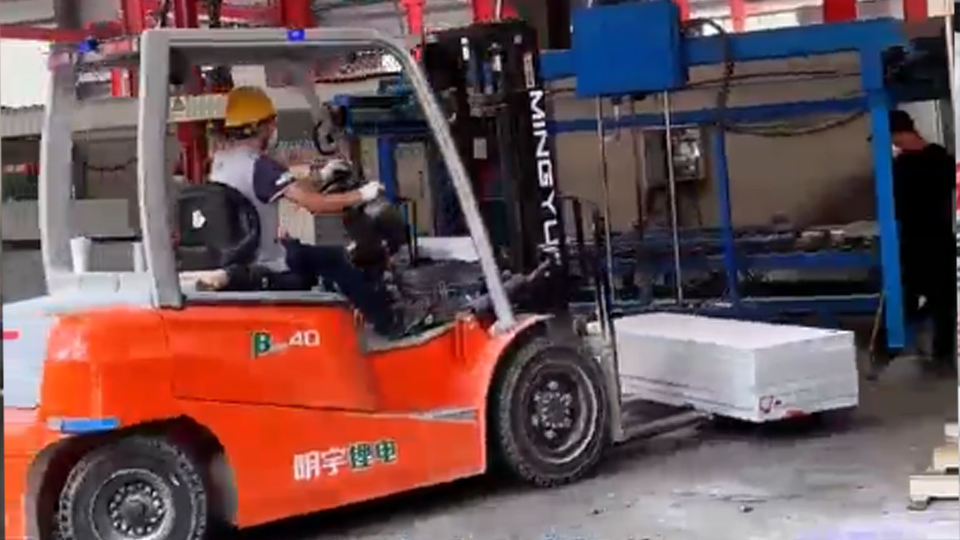
4. Advantages of Triple-Stage Free-Lift Design
Low overhead clearance in travel position: ability to enter containers, low doorways, and mezzanines
High reach capability: stacking at extended heights when needed
Improved maneuverability: compact chassis-to-height ratio
Versatility: one forklift handling both low-clearance transport and high-rack storage
Operational efficiency: reduced need for multiple specialized trucks
5. Applicable Working Conditions
5.1 Warehouse and Distribution Centers
High-density racking systems (narrow aisle, very narrow aisle)
Mixed-height storage environments
Cross-docking operations with varying door heights
5.2 Container Handling and Shipping Yards
Loading and unloading inside standard shipping containers (low door height constraints)
Intermodal freight facilities requiring free lift before full extension
5.3 Retail and Wholesale Facilities
Stockrooms with low ceiling clearance but high backroom shelving
Mezzanine floor access
Multi-level storage in space-constrained environments
5.4 Manufacturing and Assembly Plants
Moving materials between production floors with different ceiling heights
Feeding overhead conveyors or elevated workstations
Navigating under overhead cranes, pipes, and ductwork
5.5 Cold Storage and Specialized Facilities
Low-ceiling freezer/cooler doorways
High-density pallet positions in climate-controlled warehouses
5.6 Outdoor and Rough-Terrain Hybrid Use
Construction sites requiring both transport under obstacles and placement at elevation
Lumber yards and building supply operations
6. Comparison with Alternative Mast Configurations
Single-stage mast: simple, durable, but zero free lift—best for outdoor/yard use only
Two-stage mast (standard): moderate free lift, limited maximum height
Two-stage free-lift mast: good free lift but lower maximum reach than triple-stage
Four-stage (quad) mast: even higher reach and free lift, but reduced residual capacity and more complex maintenance
Decision matrix: when triple-stage is the optimal compromise
7. Selection and Operational Considerations
Matching free-lift height to lowest overhead obstruction in the facility
Calculating required maximum lift height based on top beam/rack level
Load center and capacity derating charts at full extension
Visibility trade-offs: triple rails can obstruct operator sight lines
Maintenance implications: more chains, cylinders, and wear points than simpler masts
Cost-benefit analysis: higher initial cost vs. operational flexibility gains
8. Safety and Maintenance Guidelines
Daily pre-operation checks for chain tension and hydraulic leaks
Proper lubrication schedules for multi-stage rails
Load stability best practices at free-lift and full-lift heights
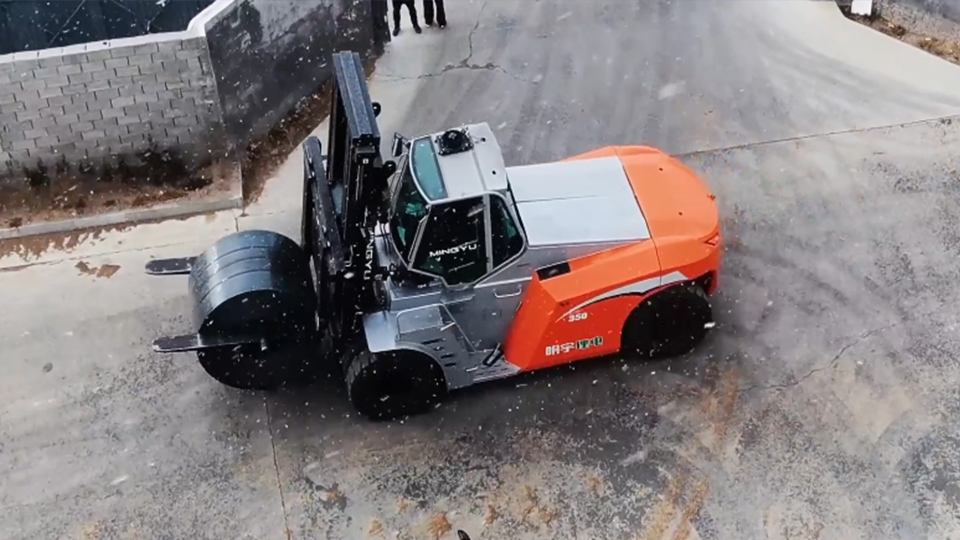
Operator training specific to free-lift phase transitions
Warning signs of cylinder seal wear and rail misalignment
9. Conclusion
Recap of the triple-stage free-lift mast as a versatile solution for constrained vertical spaces
Summary of ideal operational environments
Forward-looking note on trends in warehouse automation and mast design evolution
Name: selena
Mobile:+86-13176910558
Tel:+86-0535-2090977
Whatsapp:8613181602336
Email:vip@mingyuforklift.com
Add:Xiaqiu Town, Laizhou, Yantai City, Shandong Province, China
