vip@mingyuforklift.com
+86-0535-2090977

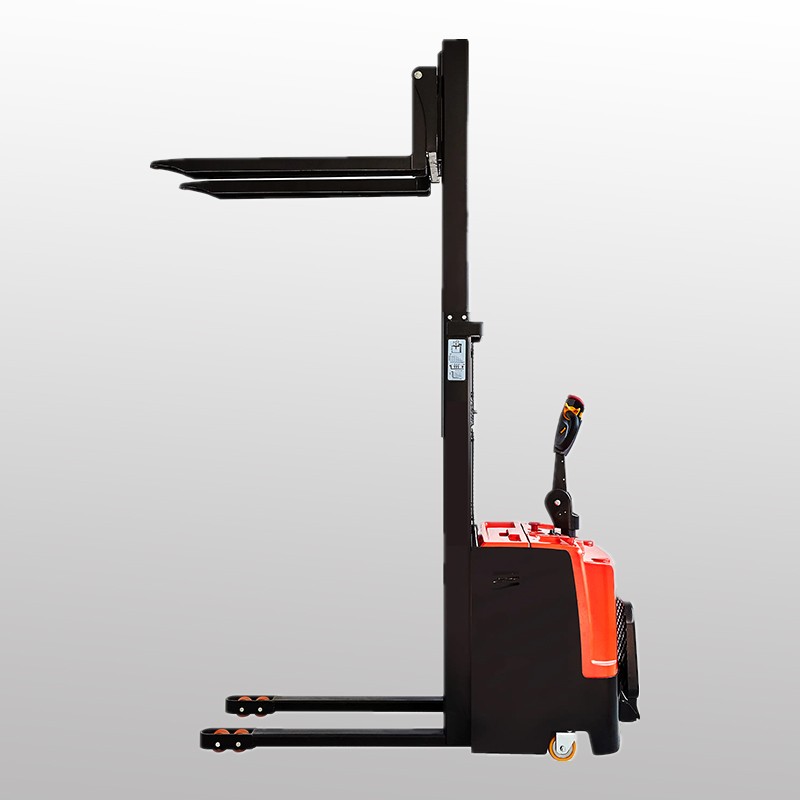
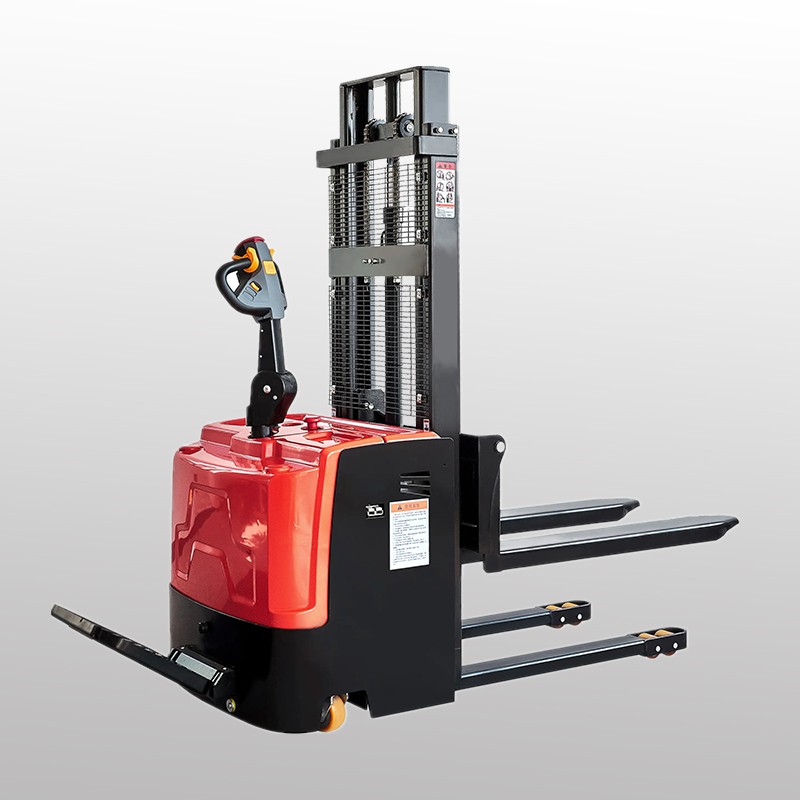
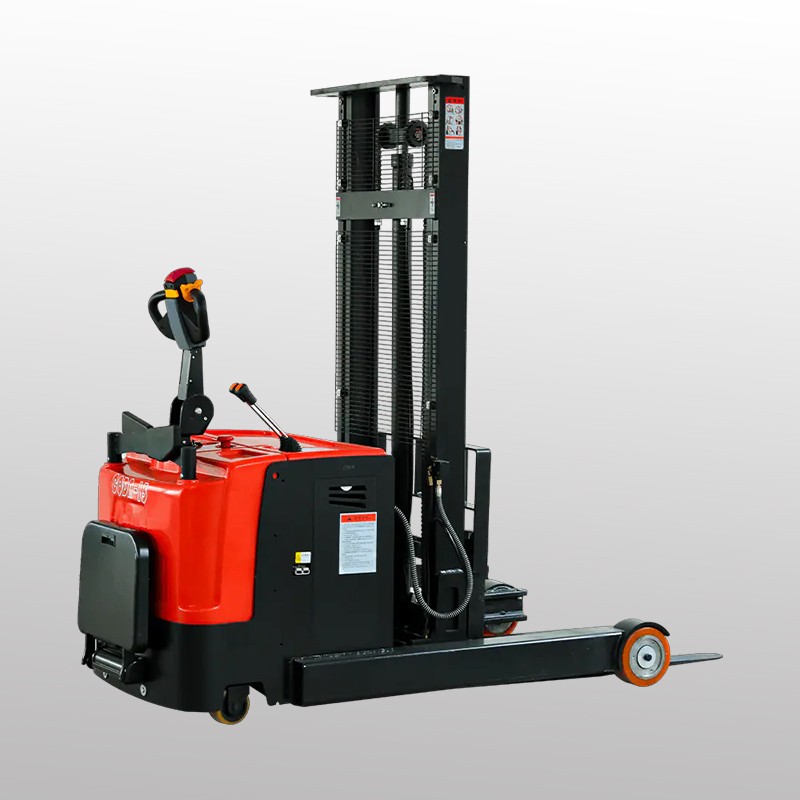
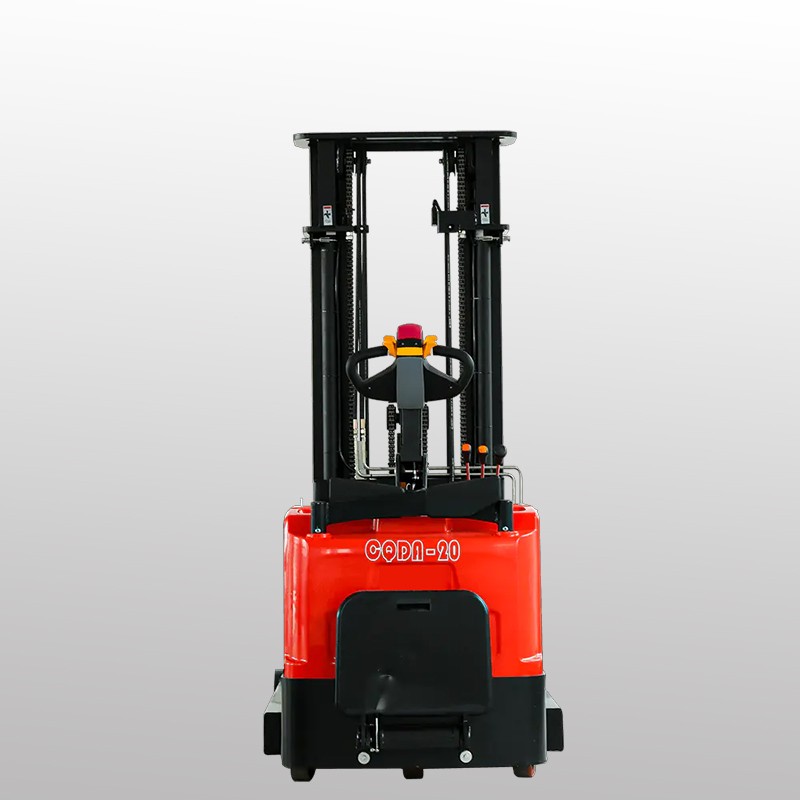
The CDD-E / CQDA electric stacker selection for automotive parts sequencing is designed around the real flow from inbound pallets to reserve storage, kitting lanes, line-side supermarkets and returnable-container collection. ZGFORKLIFT / MYZG compares the CDD-E high-configuration standing electric stacker with the CQDA electric reach pallet stacker so buyers can choose the correct geometry instead of selecting only by nominal capacity. Both source families cover 1,500 kg and 2,000 kg classes, subject to the ordered configuration, load center and residual-capacity confirmation.
Document the heaviest pallet or stillage, dimensions, center of gravity, entry direction and condition of returnable packaging. Record lift height, rack depth, aisle width, doorways, columns, floor joints, gradients, shift peaks and pedestrian crossings. Automotive parts can be dense, asymmetric or sensitive to impact, so the review must include engine parts, castings, body components, batteries, packaging and empty container returns rather than relying on one average pallet.
CDD-E can suit standing pallet transport and high-level shelf stacking where the pallet interface and support-leg clearances are compatible. CQDA adds a forward-and-back mast reach function that can help place pallets into rack positions where reach distance and rack depth are important. The reach mechanism does not remove the need to measure right-angle stacking aisle, support-leg clearance or residual capacity at the highest required level.
Choose the CDD-E layout when the workflow needs frequent standing travel, predictable pallet entry and direct stacking on firm, level floors. Review the established MYCDDE standing electric stacker source page for the verified family description. Consider CQDA when rack access requires the mast to reach toward the pallet position and retract before travel; use the MYCQDA electric reach stacker reference to understand that layout.
A buyer should not assume that one platform is automatically more productive. Model the number of loaded and empty trips, lift and reach cycles, travel distance, handoff waiting time and congestion at line-side buffers. A simpler stacker may be the better solution on open routes; reach geometry may add value at deeper rack interfaces. Compare both with the wider electric stacker category before fixing the specification.
Measure beam height, upright spacing, rack depth, pallet overhang and any sprinkler or lighting restriction. Confirm closed mast height under doors and services. Fork length, outside width and lowered height must match the pallet or stillage. Broken boards, deformed metal bins and uncertain weights need a quarantine process. Request written residual-capacity confirmation for the selected mast, actual load center and any approved option.
The source families use 24 V electric architectures, but battery capacity, charger, lift height, dimensions and performance must be confirmed in the quotation. Build the energy plan from the busiest shift: travel minutes, loaded ratio, lift height, reach cycles, breaks, ambient temperature and charging windows. Protect the charging point from vehicle impact and follow the supplied battery and charger instructions.
Separate equipment from pedestrians, tugger trains, robots and production cells. Define one-way routes where practical, protect rack ends and blind corners, and keep emergency exits and fire equipment clear. Operators should travel with the load low, control speed before turns and never allow anyone under raised forks. The site team can use the electric stacker safe-operation guide when preparing local procedures; the delivered manual and site rules remain controlling.
Acceptance testing should use representative full and partial pallets on the intended route. Verify steering, braking, emergency controls, warning devices, lift, lowering, mast reach where applicable, fork alignment, stability, visibility, charger compatibility and clearances at the highest rack position. Record the accepted operating envelope and train only authorized operators.
A pre-shift check should cover forks, carriage, mast, chains, rollers, hydraulic hoses, support legs, wheels, steering, brakes, controls, warning devices, battery connector and visible wiring. CQDA inspection should also include its reach rails and extension-retraction function. Isolate safety-related defects and use the supplied maintenance schedule. Plan wear parts and critical spares through the parts and lifecycle support page.
Dealers should collect application data before quoting and keep machine identity, mast, controller, battery and charger details for parts support. Useful handover records include load limits, approved pallet types, charging rules, inspection forms and escalation contacts. Compare other material-handling options through All Products when a counterbalance truck, walkie stacker or different reach solution better fits the route.
Where CE conformity is required, request documents tied to the exact supplied configuration. Because CDD-E and CQDA are electric machines without combustion engines, engine-emission EPA certification is generally not the applicable route; destination rules may still cover machinery safety, batteries, chargers, transport, recycling, labels and workplace use. No certificate number, named customer case, export count, performance result or third-party logo is claimed without evidence.
For export planning, confirm destination voltage and frequency, plug type, operating language, warning labels, packing, battery transport documents, spare-parts package and responsibility for import or registration. Shandong Zhuogong Machinery Equipment Co., Ltd. can review the commercial scope after receiving the real application information.
Send load and stillage drawings, maximum weight, load center, rack layout, lift height, aisle and doorway measurements, floor condition, shift profile, charging supply, destination and required documents. Contact Shandong Zhuogong Machinery Equipment Co., Ltd. through the contact and inquiry page, email vip@mingyuforklift.com, call +86-0535-2090977 or use WhatsApp +86 131 8160 2336. Include “CDD-E / CQDA automotive parts sequencing” so the team can compare capacity, mast, reach, fork, battery and service requirements together.
Name: selena
Mobile:+86-13176910558
Tel:+86-0535-2090977
Whatsapp:8613181602336
Email:vip@mingyuforklift.com
Add:Xiaqiu Town, Laizhou, Yantai City, Shandong Province, China