vip@mingyuforklift.com
+86-0535-2090977

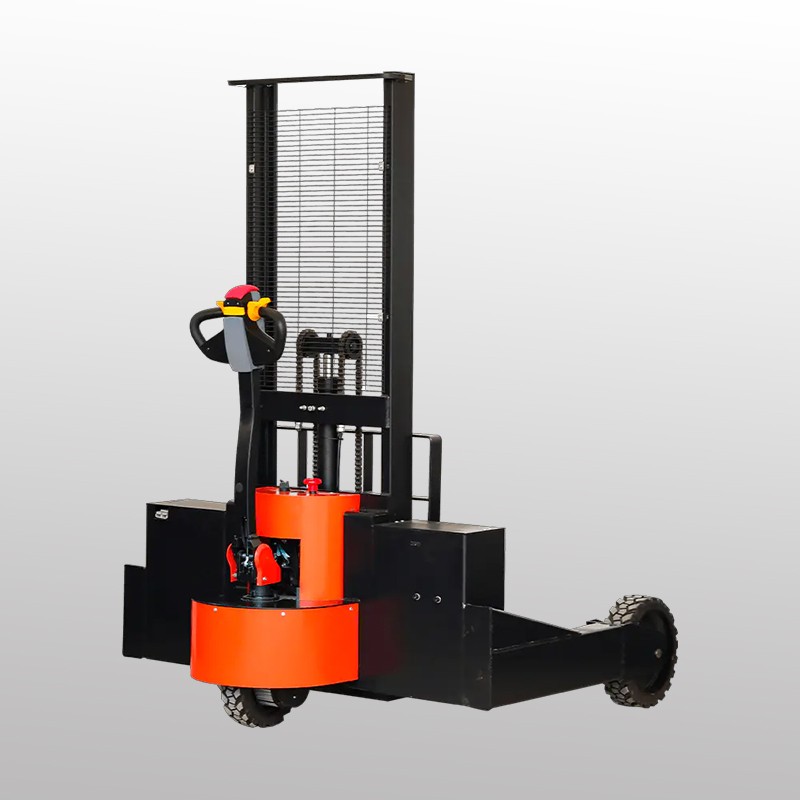
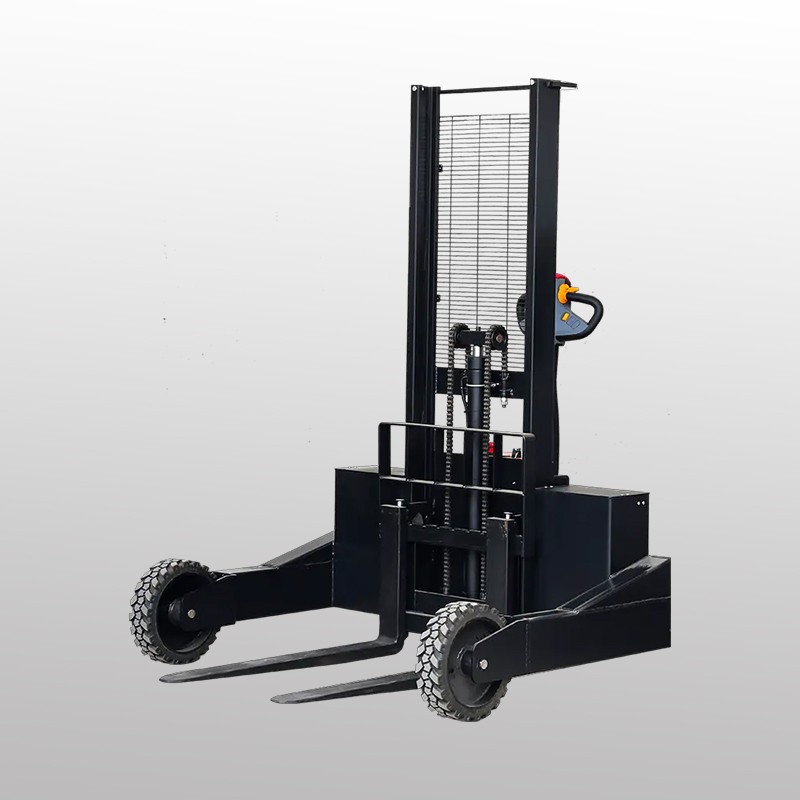
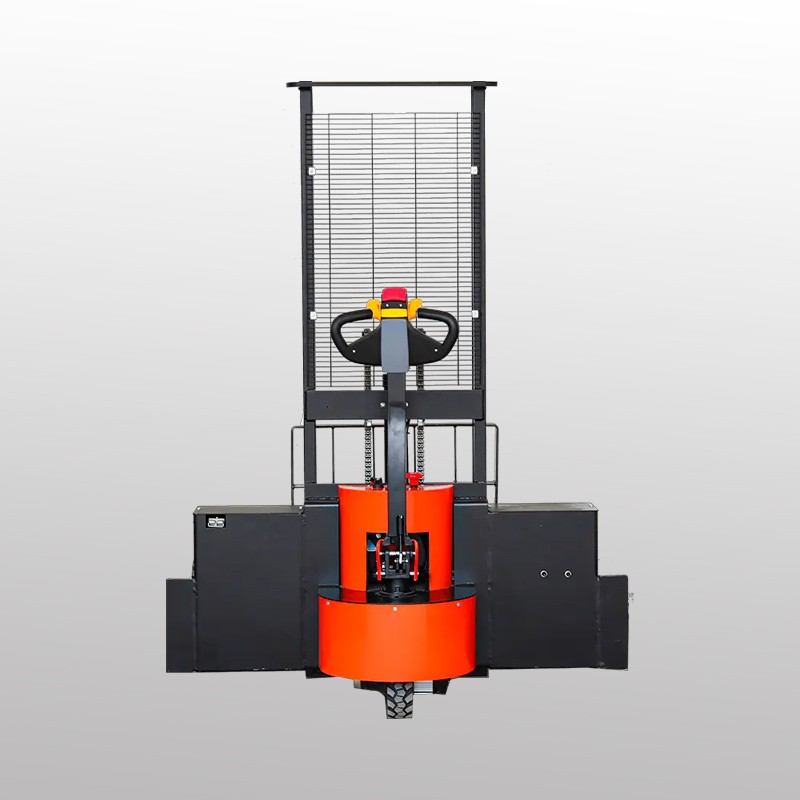
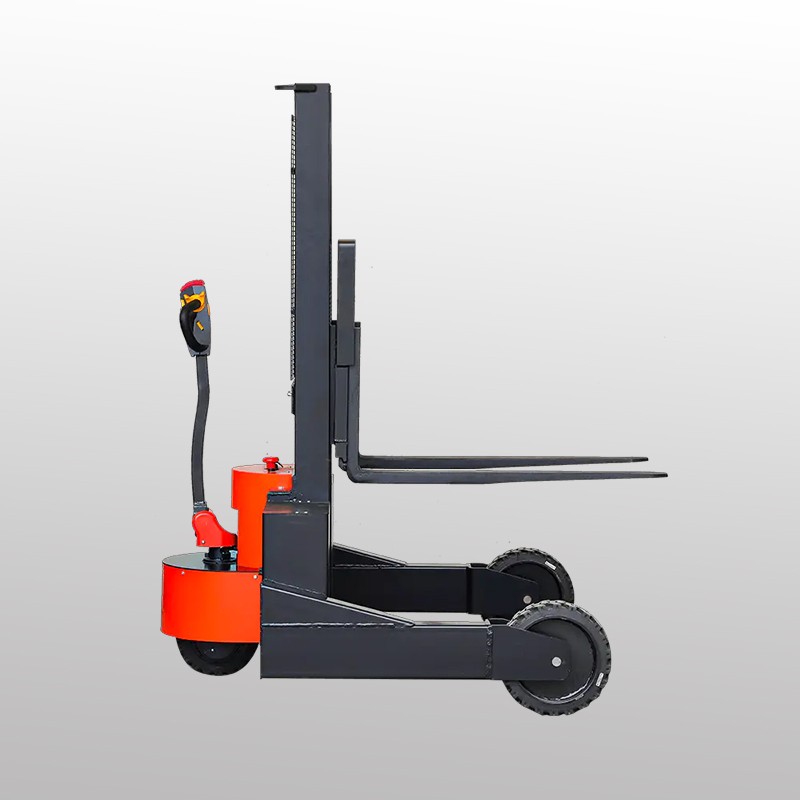
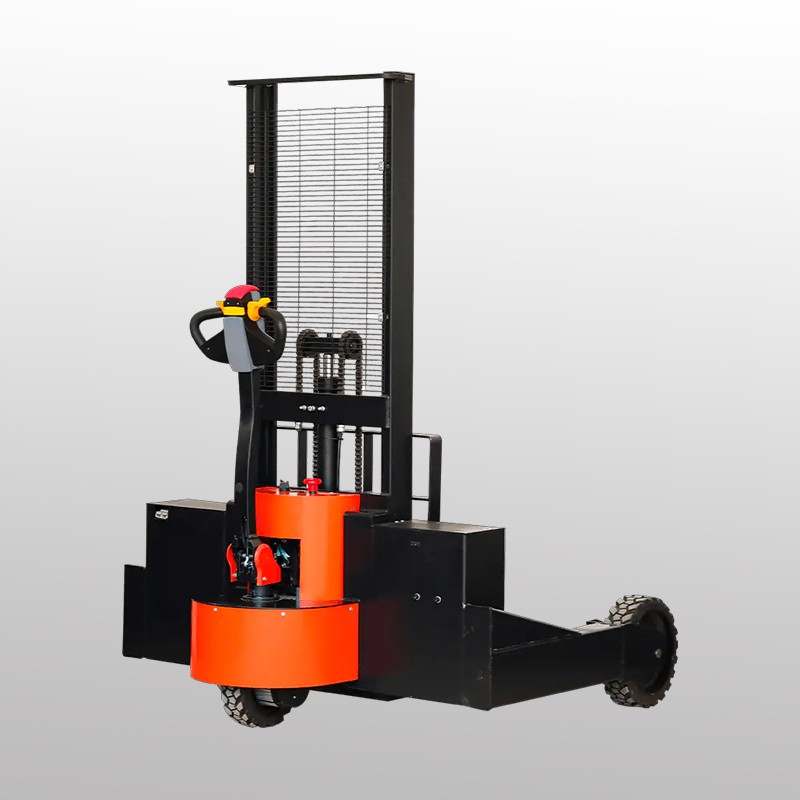
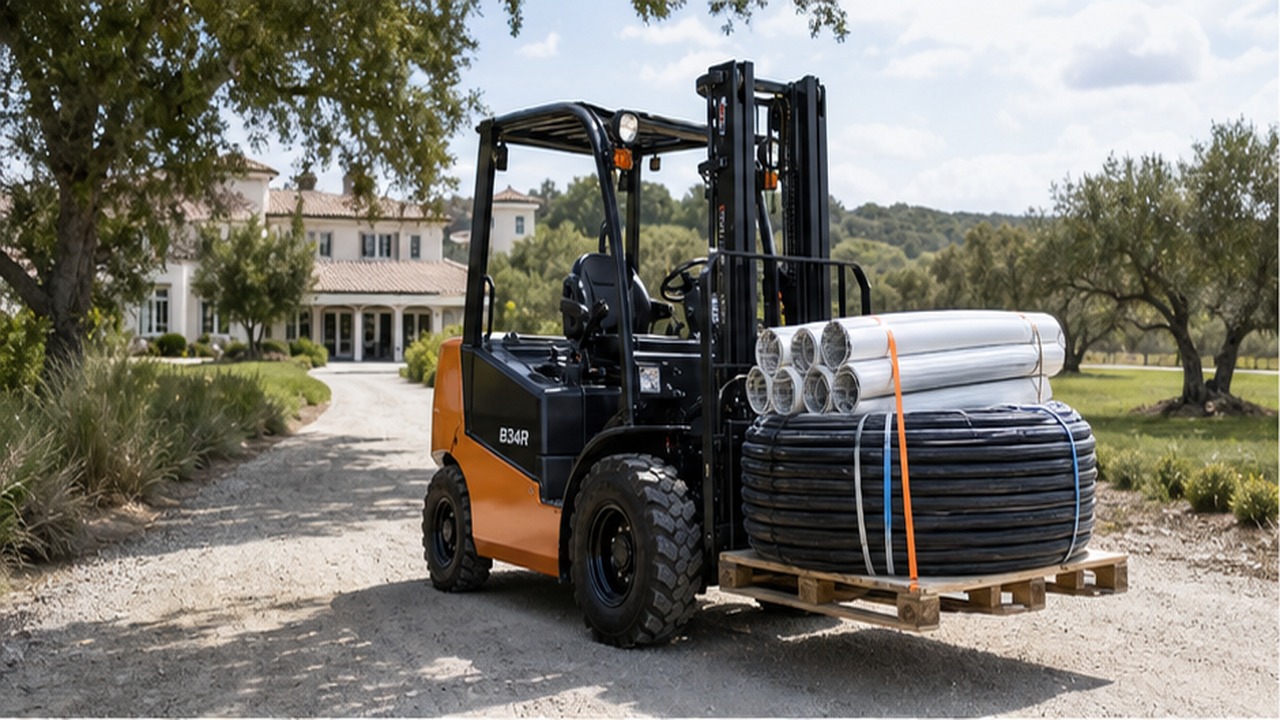
The CDD-H all-terrain electric pallet stacker application for building-supply depots and covered yards is based on the verified 1,500 kg and 2,000 kg family, subject to final configuration. It can support palletized fittings, tiles, bagged products, tools and packaged components between receiving, sheltered storage and dispatch. ZGFORKLIFT / MYZG reviews dense loads, pallet integrity, ground condition, mast, gradients, battery duty and local maintenance as one solution.
Building materials can be compact and heavy. Weigh representative pallets and record dimensions, load center, pallet opening, fork entry, lift height and storage position. Include broken bags, long cartons and mixed returns. Residual capacity must be confirmed for the final mast, forks and real load center.
Inspect yard transitions, compacted surfaces, concrete, dock approaches, drains, slopes and weather exposure. Identify deep gravel, holes, soft soil and unsupported edges where the stacker must not operate. Correct the route or choose a different machine where conditions exceed the approved operating envelope.
Review the pallet stacker category and the original MYCDD-H all-terrain electric stacker. A stacker can suit controlled pallet placement; a rough-terrain forklift or other counterbalanced solution may be required for loose ground, long loads, trailers or unsupported handling.
Capacity: weigh tiles, cementitious products, fittings and tools. Do not rely on supplier estimates alone.
Pallet integrity: inspect wet or damaged timber pallets and reject unsafe loads before lifting.
Surface: measure gradients and record the worst route after rain. Include potholes, drains and thresholds.
Energy: size the battery and charger for peak receiving and dispatch cycles, temperature and available breaks.
Separate customers, delivery vehicles and powered equipment. Use controlled loading zones, barriers and clear priorities. Operators should keep loads lowered during travel, avoid side slopes and abrupt turns, and stop when dust, rain, packaging or visibility creates uncertainty. Never lift a damaged pallet simply to clear a queue.
Use the electric stacker operation guide and the overview of stacker functions and selection as references. The delivered manual, local law and site assessment remain authoritative.
Inspect forks, carriage, mast, chains, hoses, wheels, brakes, steering, emergency controls, battery restraint and connectors before every shift. Remove dust, straps, wrap and bag material. Check for impacts, hydraulic leaks and abnormal noise. Isolate defects affecting control or stability.
Dust and outdoor exposure may require shorter service and cleaning intervals. Record fork and chain condition, lubrication, wheel wear, battery care and recurring defects. The parts and dealer support page can assist planning. Provide model identification, configuration, photographs and working conditions.
Dealers should inspect actual loads and surfaces before quoting. A demonstration should use representative dense pallets and approved routes. Handover should cover load limits, gradients, customer-area controls, charging, parking, inspections and emergency response.
Request applicable CE documentation for the exact machine when required. EPA engine-emissions certification is generally not applicable to an electric stacker. Destination compliance still needs importer review. No unsupported certificate, export case or performance promise is stated.
Compare other formats through All Products. Send pallet weights and dimensions, route photographs, gradients, lift heights, peak cycles, charging plan and destination. Contact Shandong Zhuogong Machinery Equipment Co., Ltd. at vip@mingyuforklift.com or +86-0535-2090977, or use the contact page. Reference “CDD-H building-supply depot application.”
Name: selena
Mobile:+86-13176910558
Tel:+86-0535-2090977
Whatsapp:8613181602336
Email:vip@mingyuforklift.com
Add:Xiaqiu Town, Laizhou, Yantai City, Shandong Province, China