vip@mingyuforklift.com
+86-0535-2090977

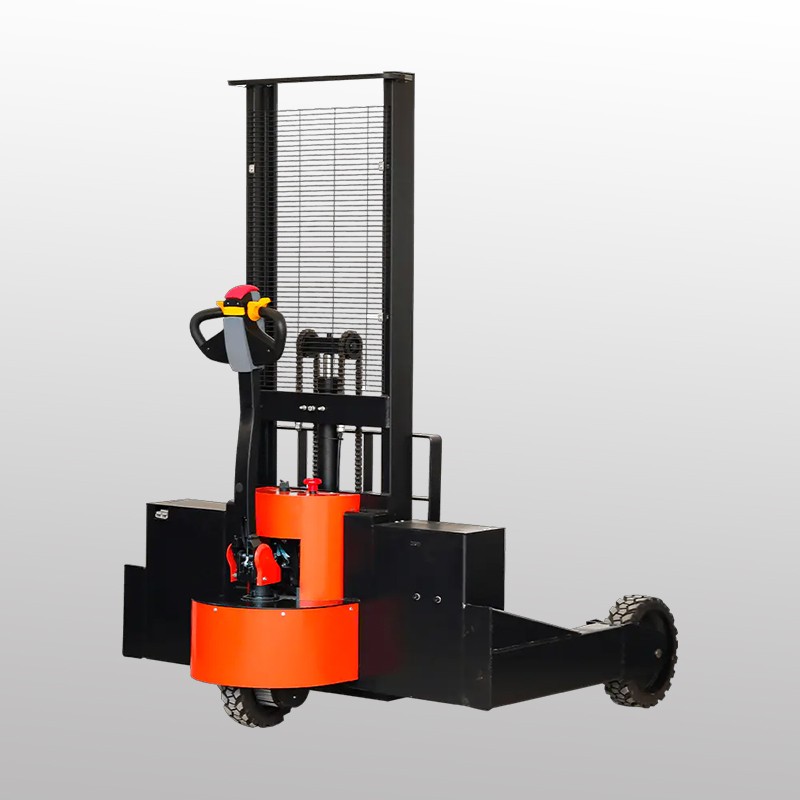
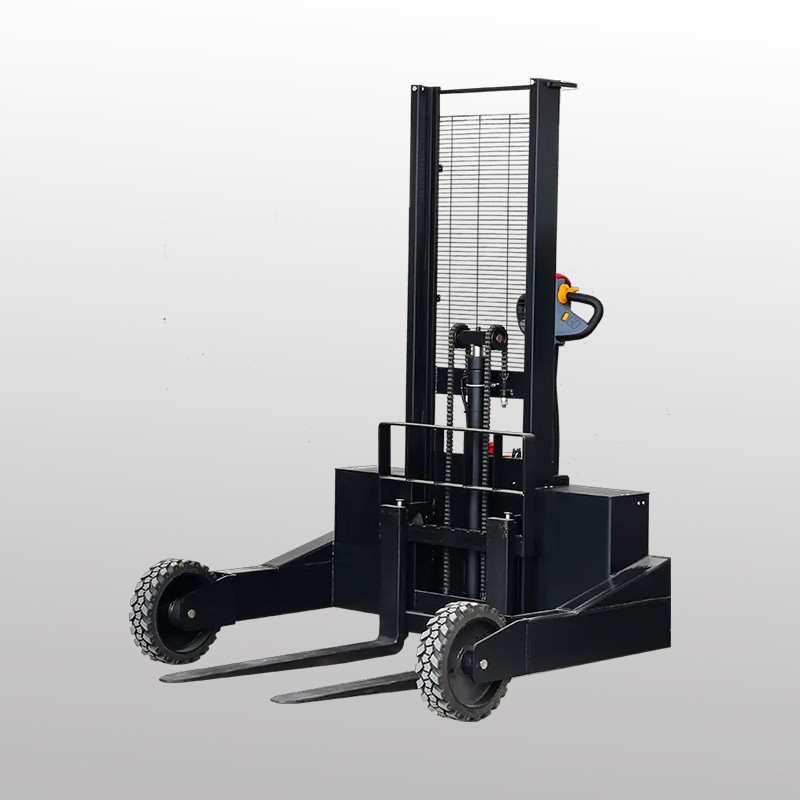
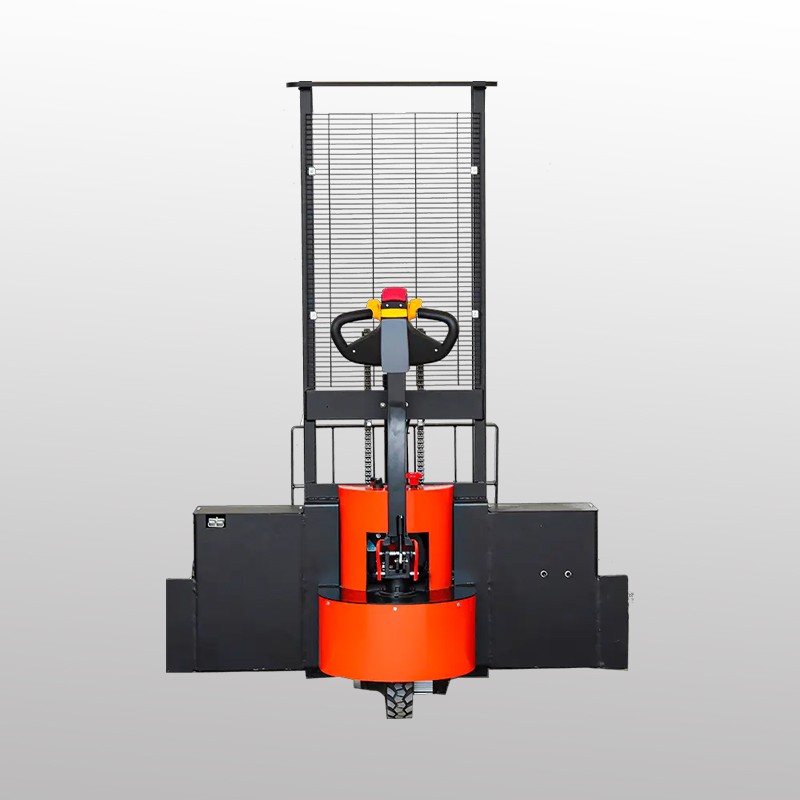
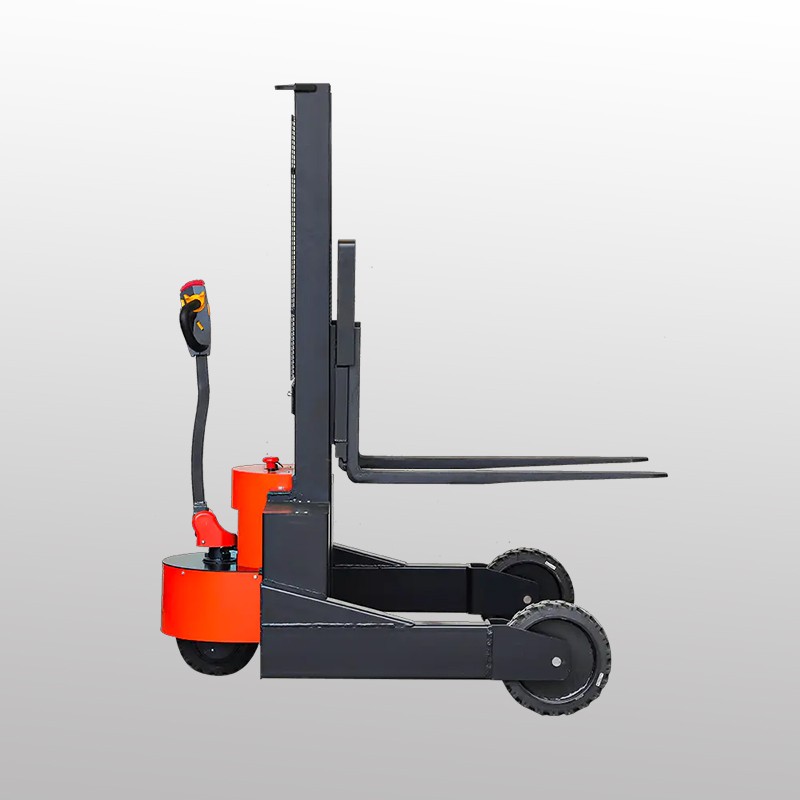
The CDD-H all-terrain electric pallet stacker application for landscape nurseries and garden centers is based on the established 1,500 kg and 2,000 kg family, depending on configuration. It can support palletized soil, pots, stone products, irrigation supplies and packaged plants between receiving, covered storage and customer dispatch. ZGFORKLIFT / MYZG reviews dense loads, wet surfaces, pallet condition, lift height, route, battery and service support together.
Record the heaviest pallet, dimensions, load center, pallet openings, wrap or strapping, lift height and storage layout. Bagged soil, stone and ceramic products can be dense; plant pallets can be tall and obstruct visibility. Confirm the final residual capacity for the ordered mast and real load center.
Survey concrete, paving, compacted yard sections, drains, wet thresholds and slopes. Mark soft ground, deep gravel, potholes and edges where stacker use is prohibited. All-terrain capability must operate within the manufacturer’s limits and the site’s risk assessment.
Start with the electric stacker range and the source MYCDD-H all-terrain stacker page. A stacker may fit controlled pallet movement and elevated placement; long outdoor routes, loose ground or unsupported loads may justify a different rough-terrain or counterbalanced machine.
Dense products: weigh representative soil, stone, fertilizer and ceramic pallets. Never estimate by package count.
Tall loads: document plant height and visibility. Establish travel direction and use a spotter only under an approved procedure.
Wet routes: inspect traction after irrigation or rain. Control algae, mud, debris and standing water.
Charging: provide shift length, cycles, charger supply and a protected dry charging area.
Nurseries can mix customers, staff, delivery trucks and handling equipment. Schedule pallet movement outside busy retail periods where possible, close the route to customers and use barriers at crossings. Operators should travel slowly with the load correctly lowered and stop when visibility, ground or load stability is uncertain.
Review the electric stacker safety procedures and the article on forklift and stacker differences. These resources do not replace operator training, local rules or the delivered manual.
Daily checks should cover forks, mast, chains, hoses, tyres or wheels, brakes, steering, emergency controls, battery restraint and connectors. Remove soil, wrap and vegetation. Inspect for moisture, corrosion and reduced traction. Unsafe equipment must be isolated until qualified repair.
Coordinate cleaning with electrical protection. Maintain records for lubrication, chains, forks, wheels, hydraulic leaks and battery condition. The parts support resource can assist dealers; include identification, configuration, photographs and the operating environment.
Dealers should visit the route in representative wet conditions and inspect real pallets. A trial should measure stability, clearance, traction, visibility, energy use and service observations. Handover must define approved surfaces, gradients, loads, charging and stop-work conditions.
Where required, request CE documentation for the exact supplied configuration. EPA engine-emissions rules generally do not apply to an electric stacker. Importers must still verify destination requirements. No unsupported certification, customer case or guaranteed result is claimed.
Browse All Products, then send load data, route photographs, surface and gradient details, lift height, duty cycle and destination. Contact Shandong Zhuogong Machinery Equipment Co., Ltd. at vip@mingyuforklift.com or +86-0535-2090977, or use the contact page. Reference “CDD-H landscape nursery application.”
Name: selena
Mobile:+86-13176910558
Tel:+86-0535-2090977
Whatsapp:8613181602336
Email:vip@mingyuforklift.com
Add:Xiaqiu Town, Laizhou, Yantai City, Shandong Province, China