
vip@mingyuforklift.com
+86-0535-2090977

Publication Date: 2026-11-09 (Asia/Shanghai)
HTML Meta Description: Electric stacker controls for reusable bins, reclaimed components, quality quarantine and dense storage in automotive green-parts warehouses.
Keywords: circular auto parts logistics, electric stacker, green-parts warehouse, reusable parts bins, automotive recycling storage, quality quarantine, dense spare-parts handling, ZGFORKLIFT, MYZG, circular economy warehouse
This briefing responds to new vehicle-recycling and green-parts facilities using automation to recover floor space and raise storage capacity. The practical question is how to convert a market headline into a controlled material-handling method. In reusable totes, cleaned automotive components, compact reserve racks and quality inspection buffers, the equipment decision must connect load identity, route condition, traffic, energy or fuel, supervision and exception recovery. ZGFORKLIFT and MYZG recommend documenting that chain before peak work begins.
Shandong Zhuogong Machinery equipment Co.,Ltd treats selection as an application review. Nominal capacity, maximum height or advertised runtime is only a starting point. The delivered configuration, data plate, load center, residual capacity, tires, mast or platform, attachment and local operating rules must govern the real task.
The defining exposure is that reclaimed components vary in shape, weight and packaging, so a visually identical tote can have a different center of gravity or quarantine status. A digital schedule can show an available slot while the physical scene is blocked, degraded or carrying a load unlike the planning record. Supervisors should therefore create a visible stop condition and identify the person who can release, reject or reroute the work.
Start equipment research with the CDD-A spare-parts walkie stacker. Its public page supports comparison, but buyers must confirm the exact ordered unit and should never infer certification, capacity at height or attachment performance from a family name or photograph.
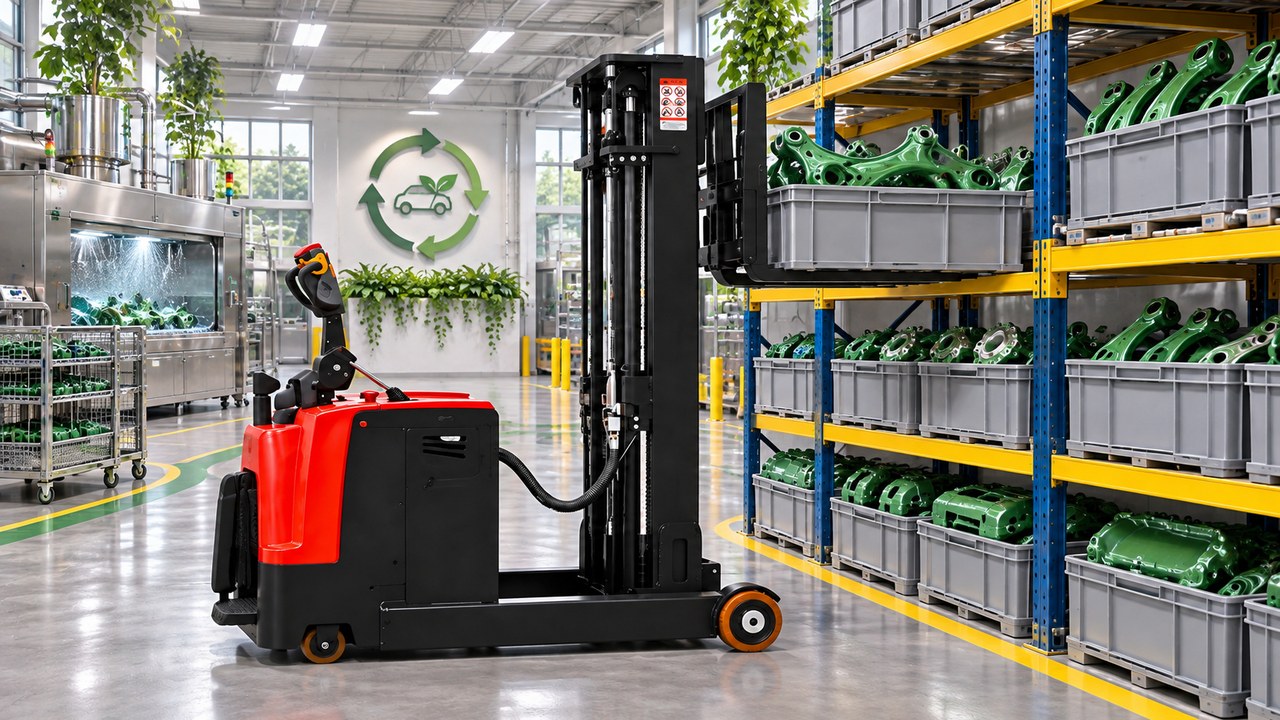
The proposed sequence is to identify tote and component class; confirm gross weight; inspect pallet interface; separate quarantine locations; scan the destination; verify rack clearance before lowering the load. Put each control on the shift worksheet with an owner, evidence field and expiry time. Temporary conditions should never become permanent through habit. If weather, congestion, pallet quality, software status or access geometry changes, the original release is no longer sufficient.
Brief operators and adjacent teams together. Drivers, maintenance personnel, robot-cell owners, dock coordinators and temporary workers need the same definition of a stopped machine, a released zone and a completed handoff. Use plain visual controls, but retain written records for exceptions that may affect the next shift.
Track misidentified totes, quarantine escapes, slot corrections, interface defects, replenishment time and parts damage. These indicators show whether throughput is repeatable or merely created by postponing inspection and recovery. Review the measures by time of day and work zone. Averages can hide a high-risk thirty-minute peak when arrivals, replenishment and maintenance compete for the same space.
Compare a second configuration through the CDD15D packaging-plant electric stacker. Build the comparison around the heaviest real load, actual load center, fork entry, required height, narrowest turn, floor or ground, gradient, overhead restriction, productive hours and service response. Record options separately because they can change weight, clearance and residual capacity.
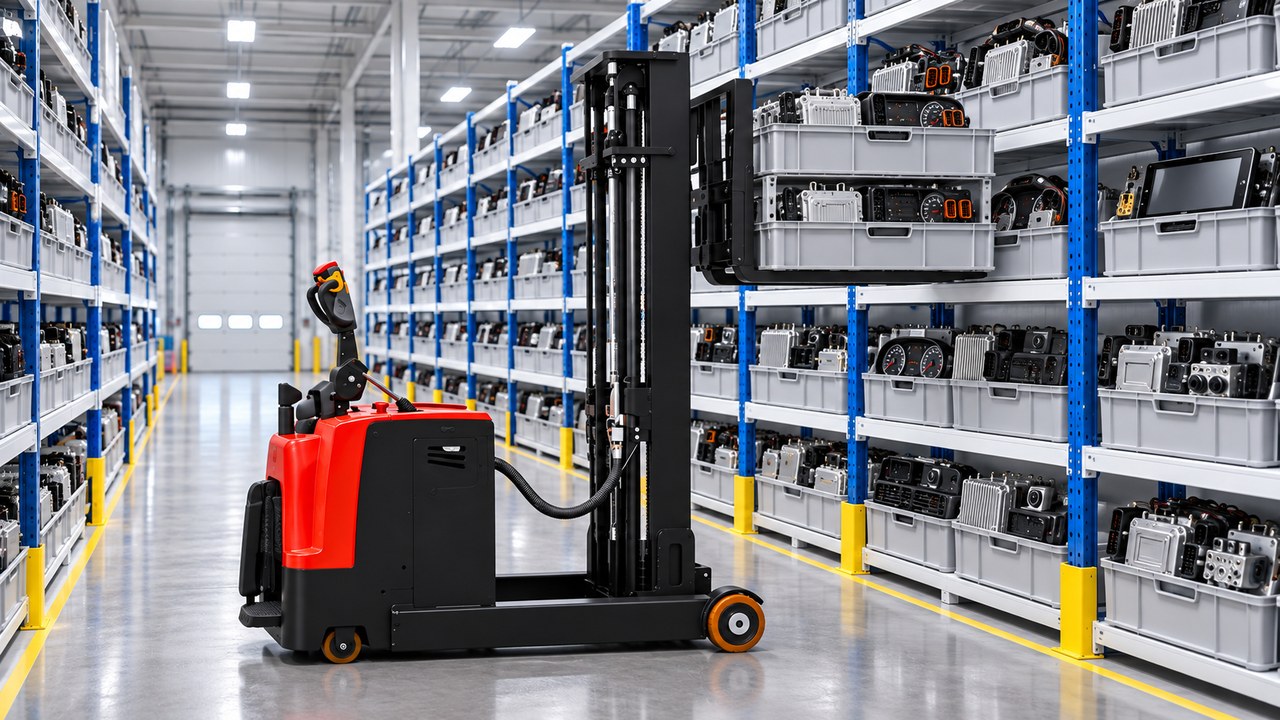
Use a pre-shift inspection based on the manual and local rules. Typical items include forks or platform, mast or boom, chains and hoses where fitted, wheels, steering, brakes, warning devices, guards, controls, energy system, visible leaks, structural damage and the data plate. A defect affecting stability, control, fuel integrity or safe access requires isolation and qualified review.
Automation does not transfer accountability to software. Where AI, robots, scanning or scheduling tools recommend a move, a named person should still handle mismatched load identity, damaged packaging, blocked routes, sensor alarms and emergency recovery. Cybersecurity and data quality also matter: an unverified task instruction should not override the physical label or approved work order.
Ask for the technical sheet tied to the quotation, residual-capacity information, energy or engine specification, charging or fuel interface, dimensions, shipping weight, manuals, labels, inspection record, spare-parts plan, warranty scope and destination documentation. CE, EPA and other requirements depend on the exact machine and market and must be verified rather than assumed.
A third useful reference is the CDD-D standing electric pallet stacker. Use three pages to frame questions, then require a written application match for the proposed model. The supplier should know the route, load, working height, shift pattern, climate, operator skill and local service capability before confirming configuration.
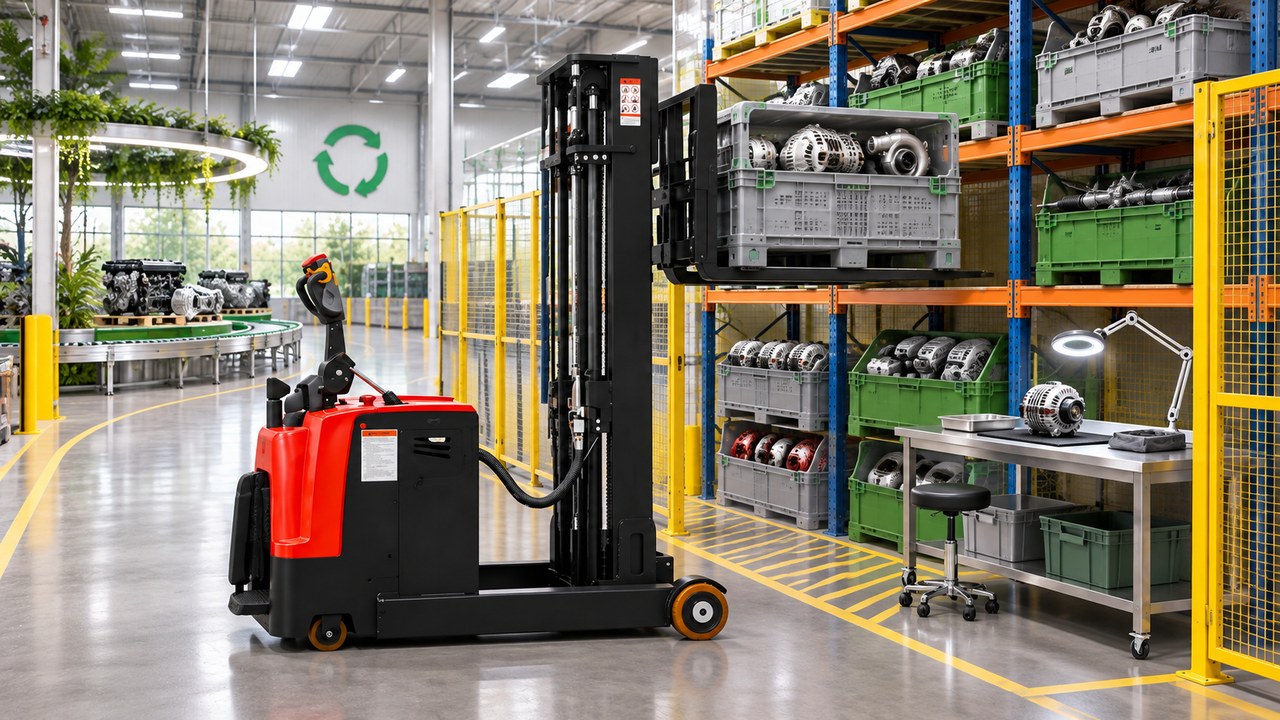
Day one records the baseline route and load. Day two tests normal flow. Day three introduces the busiest planned hour. Day four rehearses a blocked route or stopped system. Day five checks maintenance access and recovery. Day six reviews records with operators. Day seven approves only the conditions that remained stable. Repeat validation after a layout change, new attachment, software update, seasonal weather change or revised product mix.
The objective is not maximum motion. It is dependable flow with known limits, visible human authority and evidence that the real equipment can repeat the work safely. That is how current logistics technology becomes practical material-handling capacity rather than another source of peak complexity.
ZGFORKLIFT and MYZG are associated with Shandong Zhuogong Machinery equipment Co.,Ltd. Send the destination, site layout, load or access task, operating hours, power or fuel arrangement and service expectations for an application review.
Contact Information:
Email: vip@mingyuforklift.com
Tel: +86-0535-2090977
WhatsApp: +86 131 8160 2336
Address: Xiaqiu Town, Laizhou, Yantai City, Shandong Province, China
Name: selena
Mobile:+86-13176910558
Tel:+86-0535-2090977
Whatsapp:8613181602336
Email:vip@mingyuforklift.com
Add:Xiaqiu Town, Laizhou, Yantai City, Shandong Province, China