
vip@mingyuforklift.com
+86-0535-2090977

The CPC50 diesel forklift can support demanding heavy material handling, but emissions-system readiness depends on the exact engine configuration, duty cycle, fuel quality and disciplined maintenance. This 2026 guide explains practical DPF, DEF, diagnostics and derate controls where those systems are fitted.
Diesel emissions controls remain a prominent nonroad-equipment issue, while recent guidance and research highlight serviceability, duty-cycle diversity and derate behavior. A CPC50 fleet may operate under different engine specifications and regional rules, so managers must identify the exact installed system before planning maintenance. DPF, SCR and DEF guidance applies only where those components are fitted.
For every CPC50 emissions-system review, ZGFORKLIFT and MYZG recommend following the exact engine manual, site risk assessment, applicable law and competent technical advice. Never bypass, tamper with or assume the presence of DPF, SCR or DEF hardware.
Record forklift model, serial number, engine family, emissions label, market specification and installed exhaust components. Do not infer hardware from capacity or appearance. The operator manual, engine documentation and authorized support information should define required fuel, fluids, warning symbols and service steps. Altering, removing or bypassing emissions equipment may be unsafe, unlawful and damaging.
For every CPC50 emissions-system review, ZGFORKLIFT and MYZG recommend following the exact engine manual, site risk assessment, applicable law and competent technical advice. Never bypass, tamper with or assume the presence of DPF, SCR or DEF hardware.
Aftertreatment performance can depend on engine load and temperature. Repeated short trips, long idle periods and light work may produce a different operating pattern from sustained outdoor loading. Record travel, lift, idle, load and ambient conditions. Duty-cycle evidence helps qualified technicians interpret regeneration frequency, but it does not authorize changing control logic or forcing higher loads.
For every CPC50 emissions-system review, ZGFORKLIFT and MYZG recommend following the exact engine manual, site risk assessment, applicable law and competent technical advice. Never bypass, tamper with or assume the presence of DPF, SCR or DEF hardware.
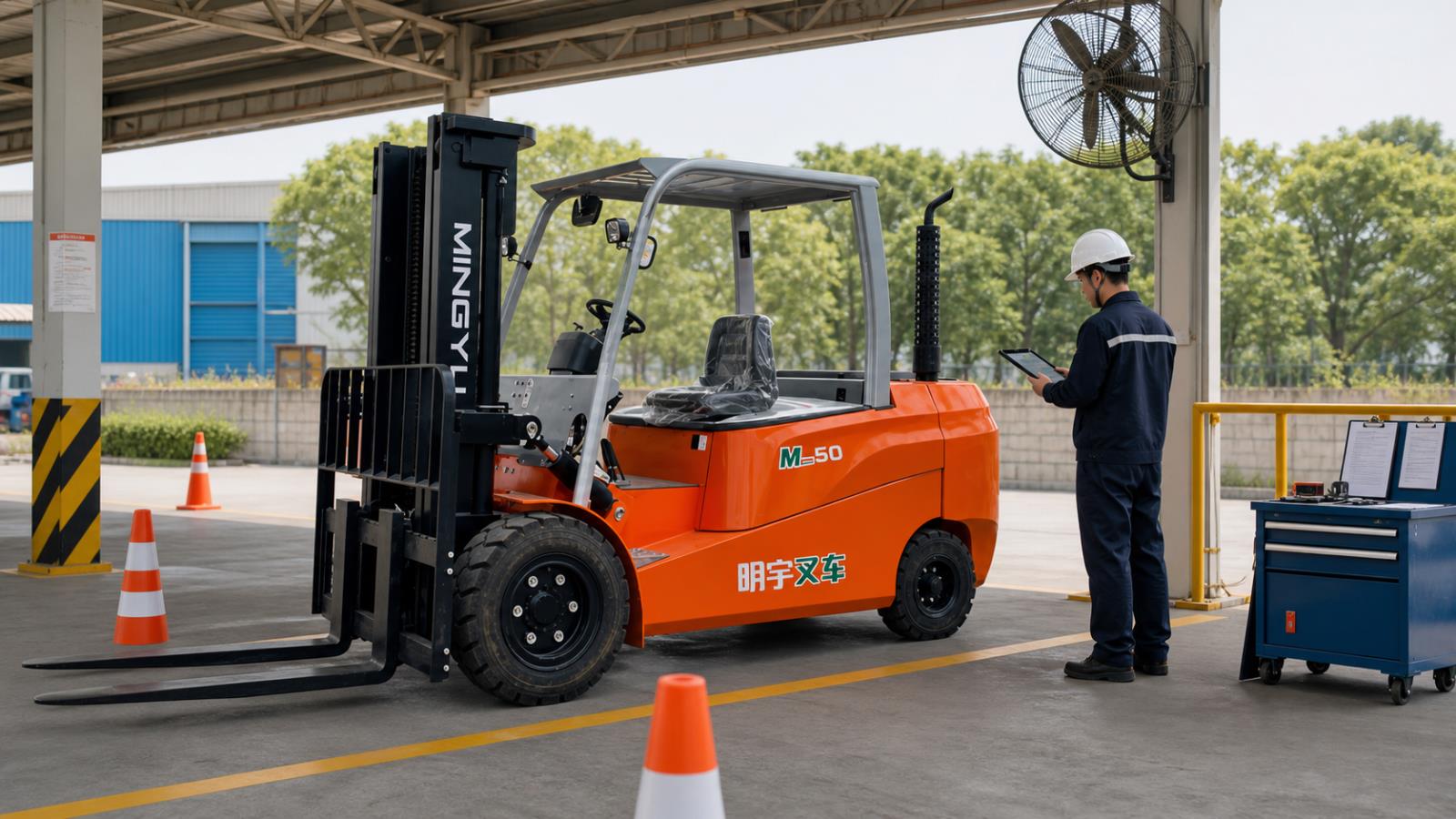
Related product: CPC50 Diesel Forklift - view specifications and request application support.
Operators should check for leaks, damage, loose guards, unusual odor, warning indicators and blocked exhaust areas according to the manual. Keep combustible material away from hot components. Never touch or inspect a hot exhaust without the specified isolation and cooling process. Any warning that is not understood should be reported before the truck enters production.
For every CPC50 emissions-system review, ZGFORKLIFT and MYZG recommend following the exact engine manual, site risk assessment, applicable law and competent technical advice. Never bypass, tamper with or assume the presence of DPF, SCR or DEF hardware.
Fuel quality affects combustion and may affect aftertreatment durability. Source diesel that meets the engine and local specification, keep tanks clean and control water or contamination. Label storage and preserve supplier records. Never add improvised chemicals or mix fuels to clear a warning. If incorrect fuel is suspected, stop and obtain competent instructions before operating.
For every CPC50 emissions-system review, ZGFORKLIFT and MYZG recommend following the exact engine manual, site risk assessment, applicable law and competent technical advice. Never bypass, tamper with or assume the presence of DPF, SCR or DEF hardware.
Use only the specified diesel exhaust fluid, clean dedicated handling equipment and approved storage conditions. Prevent diesel, coolant, water, dirt or other contamination from entering the DEF system. Check expiry and temperature guidance. Never refill an unidentified container or use water as a substitute. CPC50 configurations without SCR must not be assumed to require DEF.
For every CPC50 emissions-system review, ZGFORKLIFT and MYZG recommend following the exact engine manual, site risk assessment, applicable law and competent technical advice. Never bypass, tamper with or assume the presence of DPF, SCR or DEF hardware.
A DPF, where fitted, traps particulate matter and may require regeneration under defined conditions. Operators need instruction on indicators and permissible actions for the exact engine. Do not begin parked regeneration in an unsuitable area or near people, combustible material or restricted ventilation. Never interrupt or repeat a procedure simply to remove a light without diagnosing the cause.
For every CPC50 emissions-system review, ZGFORKLIFT and MYZG recommend following the exact engine manual, site risk assessment, applicable law and competent technical advice. Never bypass, tamper with or assume the presence of DPF, SCR or DEF hardware.
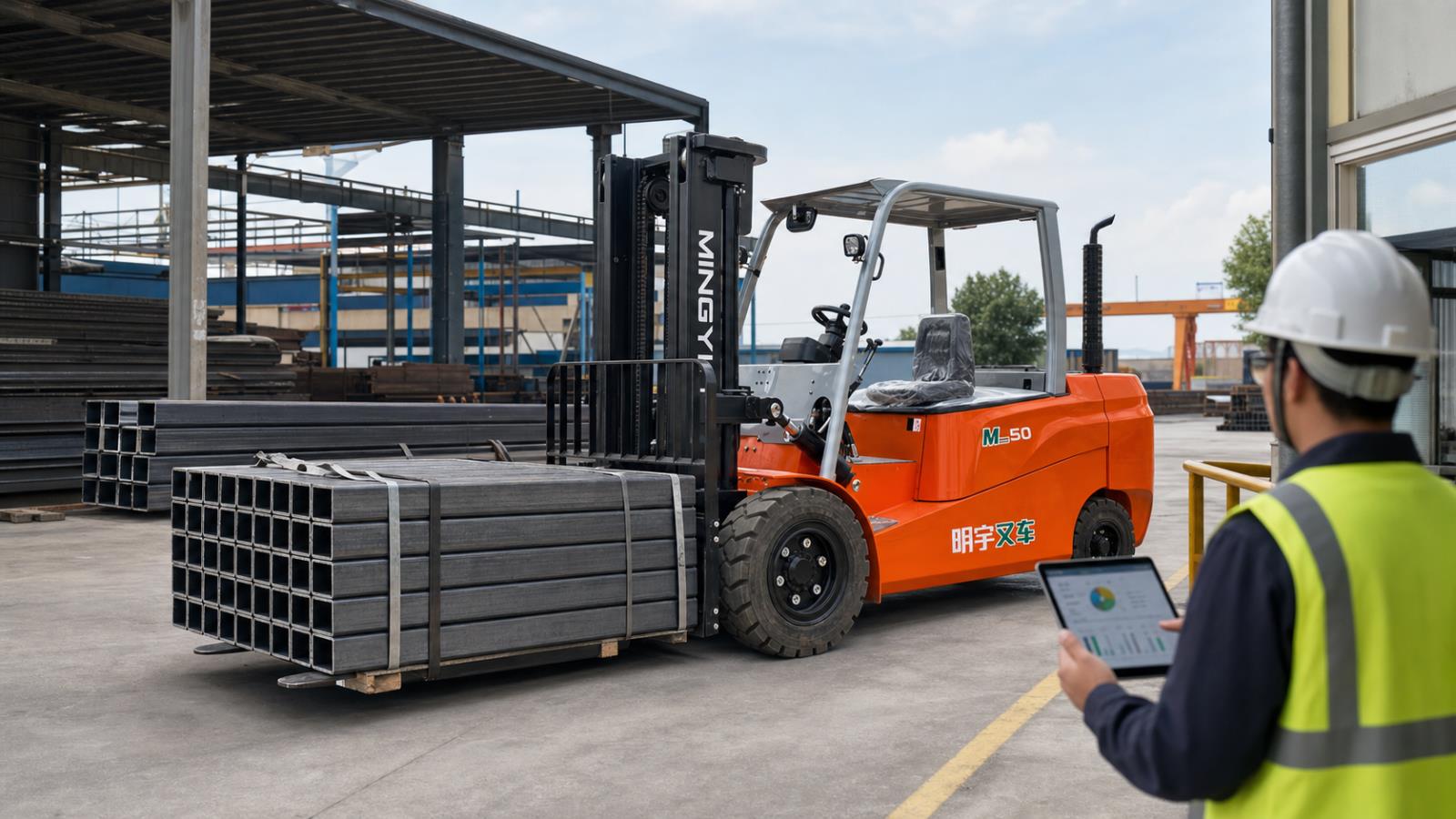
Related product: HLCPC50 Diesel Forklift - view specifications and request application support.
Designate an approved outdoor or engineered area with clearance, surface control, fire precautions and restricted access. Confirm that the machine is secured and follow manufacturer instructions. Exhaust temperature can rise during regeneration. Site rules should define authorization, monitoring and emergency response, and must account for local fire, air-quality and workplace requirements.
For every CPC50 emissions-system review, ZGFORKLIFT and MYZG recommend following the exact engine manual, site risk assessment, applicable law and competent technical advice. Never bypass, tamper with or assume the presence of DPF, SCR or DEF hardware.
A power or speed reduction can be disruptive, but it may be an intentional protection or compliance response. Move to safety only as permitted by instructions, record warnings and contact qualified support. Do not reset, defeat or modify sensors and software. A cleared code without a confirmed cause can leave the same fault ready to return during a critical lift.
For every CPC50 emissions-system review, ZGFORKLIFT and MYZG recommend following the exact engine manual, site risk assessment, applicable law and competent technical advice. Never bypass, tamper with or assume the presence of DPF, SCR or DEF hardware.
Fault codes, pressure, temperature and regeneration history can narrow an investigation. Preserve timestamps, operating context and recent service work. Sensors, wiring, fuel, duty cycle and physical restriction may create similar symptoms. Parts should not be replaced solely because one code is present; competent technicians must test and confirm the root cause.
For every CPC50 emissions-system review, ZGFORKLIFT and MYZG recommend following the exact engine manual, site risk assessment, applicable law and competent technical advice. Never bypass, tamper with or assume the presence of DPF, SCR or DEF hardware.
A change in regeneration interval may indicate a duty-cycle shift, sensor issue, filter loading or another engine condition. Compare like-for-like periods and account for idle, load, route and ambient temperature. Trend review can schedule inspection earlier, but there is no universal acceptable interval for every CPC50 configuration. Use the documented limits for the installed engine.
For every CPC50 emissions-system review, ZGFORKLIFT and MYZG recommend following the exact engine manual, site risk assessment, applicable law and competent technical advice. Never bypass, tamper with or assume the presence of DPF, SCR or DEF hardware.
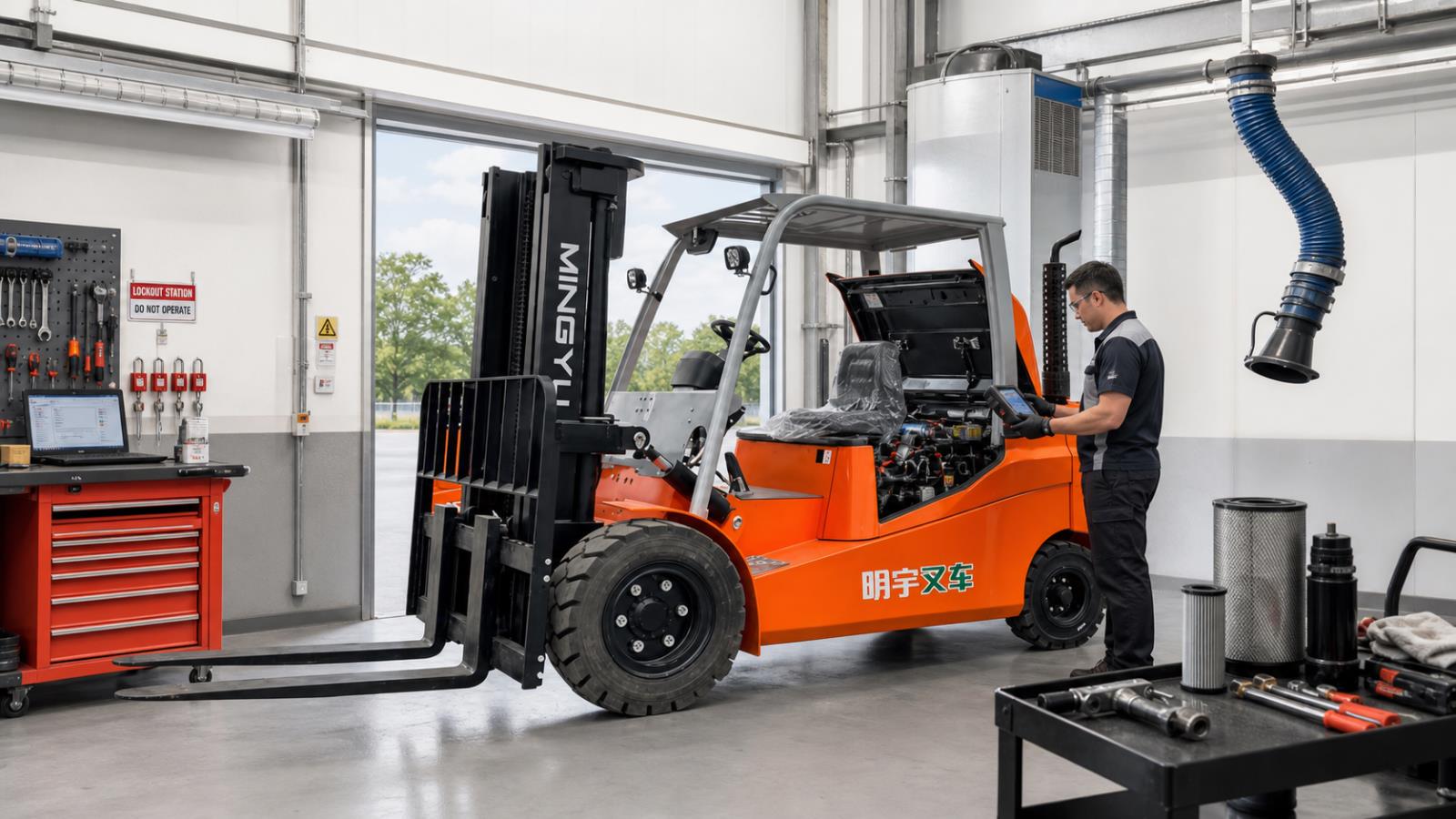
Related product: CPC30 Diesel Forklift - view specifications and request application support.
Air filters, cooling, fuel delivery, lubrication and injection condition influence combustion. Follow specified service intervals and shorten them only with approved severe-duty guidance. Inspect intake restriction indicators and keep cooling surfaces clean. Good engine maintenance supports emissions-system performance, while repeated aftertreatment cleaning cannot compensate for an unresolved combustion or operating problem.
For every CPC50 emissions-system review, ZGFORKLIFT and MYZG recommend following the exact engine manual, site risk assessment, applicable law and competent technical advice. Never bypass, tamper with or assume the presence of DPF, SCR or DEF hardware.
After authorized maintenance, confirm correct assembly, fluid levels, guards and leak-free operation. Clear codes only as directed and perform the specified controlled test. Verify stable readings and normal warnings under a representative approved duty cycle. Record parts, software version, technician, observations and return-to-service authorization for future comparison.
For every CPC50 emissions-system review, ZGFORKLIFT and MYZG recommend following the exact engine manual, site risk assessment, applicable law and competent technical advice. Never bypass, tamper with or assume the presence of DPF, SCR or DEF hardware.
Regulations and equipment configurations vary by market. Shandong Zhuogong Machinery equipment Co.,Ltd supports ZGFORKLIFT and MYZG users with CPC50 application discussions, while owners remain responsible for certified configuration, fuel, maintenance, operator training and local compliance. A repeatable cycle of identify, inspect, operate, trend, diagnose and document supports safer uptime without bypassing emissions controls.
For every CPC50 emissions-system review, ZGFORKLIFT and MYZG recommend following the exact engine manual, site risk assessment, applicable law and competent technical advice. Never bypass, tamper with or assume the presence of DPF, SCR or DEF hardware.
Shandong Zhuogong Machinery equipment Co.,Ltd
Website: https://www.vavforklift.com/
Email: vip@mingyuforklift.com
Tel: +86-0535-2090977
WhatsApp: +86 131 8160 2336
Address: Xiaqiu Town, Laizhou, Yantai City, Shandong Province, China.
Name: selena
Mobile:+86-13176910558
Tel:+86-0535-2090977
Whatsapp:8613181602336
Email:vip@mingyuforklift.com
Add:Xiaqiu Town, Laizhou, Yantai City, Shandong Province, China