
vip@mingyuforklift.com
+86-0535-2090977

Unplanned forklift downtime can interrupt loading, production and order fulfillment within minutes. A failed truck may force operators to share equipment, delay outbound vehicles or move loads through an inefficient route. In 2026, forklift telematics and predictive maintenance are becoming important topics because warehouse managers want to understand equipment condition, utilization and service needs before a small problem becomes an operational stoppage.
Shandong Zhuogong Machinery Equipment Co.,Ltd supplies material handling equipment under the ZGLOADER and MYZG brands. When customers evaluate connected fleet systems, the company recommends beginning with reliable forklift selection and disciplined basic maintenance. Telematics can improve visibility, but it does not replace inspection, correct operation or qualified service.
Forklift telematics is the collection and communication of equipment data. Depending on the truck and the installed system, data may include operating hours, key-on time, travel time, lift activity, energy consumption, impact events, fault codes and service intervals. Some platforms also manage operator access and digital pre-shift inspection records.
The value does not come from collecting the largest possible volume of information. A warehouse needs a clear operational question. Is one shift creating more impacts? Are certain trucks underused? Does battery consumption change by route? Are maintenance actions being completed on time? A focused dashboard can help managers turn raw records into decisions.
Traditional preventive maintenance follows a calendar or hour-meter schedule. This remains essential because filters, fluids, chains, brakes and other components require regular attention. Condition-based maintenance adds another layer by using operating data, inspection results and fault history to identify abnormal changes.
For example, repeated high-temperature warnings, unusual energy consumption or a rising number of hydraulic faults may justify inspection before the next scheduled service. Predictive maintenance uses historical patterns to estimate when a component is more likely to need attention. The result should be an earlier, planned intervention rather than a claim that every failure can be predicted.
Many businesses purchase forklifts according to peak demand and later lose visibility of how often each truck is used. Telematics can compare operating hours, idle time and task distribution. If one truck is overloaded while another remains parked, managers may be able to rebalance work before buying additional equipment.
Utilization should be interpreted carefully. A low-hour forklift may be a necessary standby unit or a specialized truck reserved for a particular load. A high-hour unit may need shorter inspection intervals because it works in dust, heat or multiple shifts. The goal is to understand the reason behind the number, not simply rank every machine.
Impact sensors can record shocks above a configured threshold. Repeated events may indicate damaged floors, poor visibility, unsuitable speed or an operator training issue. A single record should not be treated as proof of unsafe behavior without investigation. The sensor location, load condition and site environment must be considered.
Managers can review impact trends together with traffic layout and maintenance history. If events concentrate at one rack end or dock entrance, physical changes such as barriers, mirrors, lighting or speed control may be more effective than disciplinary action. Data should guide risk reduction and equipment protection.
Connected systems are useful, but the operator remains the first line of equipment care. Before each shift, the driver should check forks, mast chains, hydraulic hoses, tires, warning devices, brakes and visible leaks. A truck with a damaged fork or low fluid level should not be returned to service simply because no electronic warning is displayed.
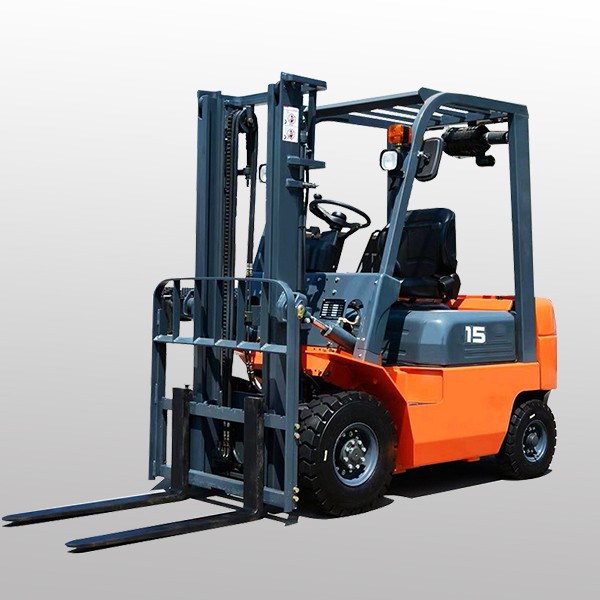
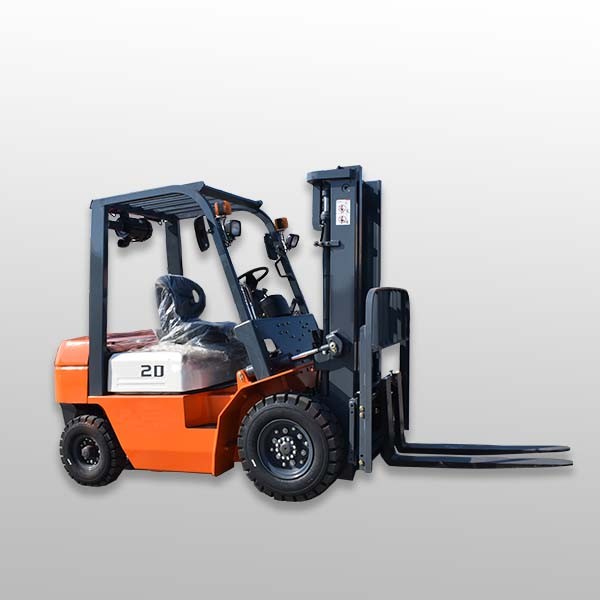
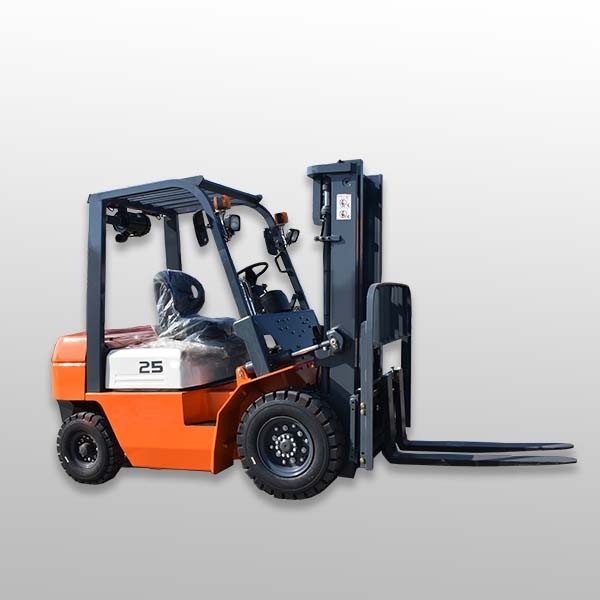
Customers can review the ZGLOADER and MYZG diesel forklift range for outdoor and industrial applications. The CPC15 diesel forklift, CPC20 diesel forklift and CPC25 diesel forklift represent different capacity options that should be matched to the real load center, lift height, surface and duty cycle.
For electric forklifts, energy information can help the warehouse plan charging and identify inefficient operation. Battery voltage, state of charge, charging frequency and temperature may be available depending on the system. A sudden change can point to battery condition, charger configuration, long idle periods or a more demanding work assignment.
Energy data must be reviewed with the correct battery instructions. Lithium and lead-acid systems have different charging and maintenance requirements. Telematics should support the approved process, not encourage operators to improvise charging methods or bypass safety procedures.
A practical dashboard should show exceptions that require action. Fleet size, operating hours, upcoming services, overdue inspections, open faults and high-impact events are useful starting points. Too many charts can hide the most important signal. Managers should agree on responsibility: who reviews the alert, who creates the work order, who confirms completion and who returns the truck to service.
Maintenance records should identify the symptom, diagnosis, parts used and final test. Consistent records make later analysis more reliable. If descriptions vary between technicians, the system may count the same failure under several names and weaken predictive results.
Before purchasing a platform, ask what data is collected, how frequently it is transmitted and whether the device can be installed without interfering with the forklift's electrical system. Confirm data ownership, export options, software support, network requirements and the process for adding future trucks.
Warehouses should also ask whether the platform supports mixed fleets. Many sites operate several brands, ages and power types. A system that only covers part of the fleet may still be useful, but its limitations must be understood when utilization and maintenance reports are compared.
Predictive analytics cannot compensate for an unsuitable forklift. Capacity, mast, tires, power system and attachment configuration must match the application. Correct selection reduces stress on the machine and improves the quality of the operating data. An overloaded or poorly matched truck will create abnormal conditions that should be corrected at the source.
ZGLOADER and MYZG support buyers by reviewing load weight, load-center distance, lift height, floor condition, shift length and environmental requirements. Optional monitoring technology can then be evaluated according to the customer's local supplier, standards and fleet-management objectives.
For forklift selection, technical information and international cooperation, please contact Shandong Zhuogong Machinery Equipment Co.,Ltd.
Shandong Zhuogong Machinery Equipment Co.,Ltd
Address: Xiaqiu Town, Laizhou, Yantai City, Shandong Province, China
Mobile: +86-13176910558
Email: vip@mingyuforklift.com
Website: https://www.vavforklift.com/
In 2026, forklift telematics is moving fleet management from assumptions toward measurable evidence. When connected data is combined with dependable ZGLOADER or MYZG equipment, trained operators and qualified maintenance, warehouses can plan service more effectively, control costs and reduce avoidable downtime.
Name: selena
Mobile:+86-13176910558
Tel:+86-0535-2090977
Whatsapp:8613181602336
Email:vip@mingyuforklift.com
Add:Xiaqiu Town, Laizhou, Yantai City, Shandong Province, China
