
vip@mingyuforklift.com
+86-0535-2090977

Published: September 5, 2026
Record data-center construction in 2026 is increasing demand for clean, precise material handling while many projects also face constrained grid connections. Lithium electric forklifts fit indoor equipment rooms, finished floors and mixed construction logistics when charging is treated as part of the site energy plan.
For procurement teams, the question is not only whether a machine can lift a rated load. The equipment must fit the route, load center, surface, energy plan, operator environment and maintenance capability. ZGFORKLIFT / MYZG recommends a site-based evaluation that converts current logistics pressure into measurable operating requirements.
Data-center builds receive switchgear, cable, cooling equipment, batteries and sensitive components on compressed schedules. Quiet zero-tailpipe-emission operation supports enclosed work areas, while managed charging can avoid unnecessary peaks on temporary power.
Start with a documented route survey. Record the narrowest turn, doorway and gate, overhead clearance, maximum gradient, pavement edge, drainage channel and the worst surface after rain or frost. Measure real loads at their actual load centers, including long, offset or irregular items. Residual capacity at working height matters more than a headline capacity.
Review the B20 2-ton lithium electric forklift as the first internal reference, then confirm the current specification with the manufacturer.
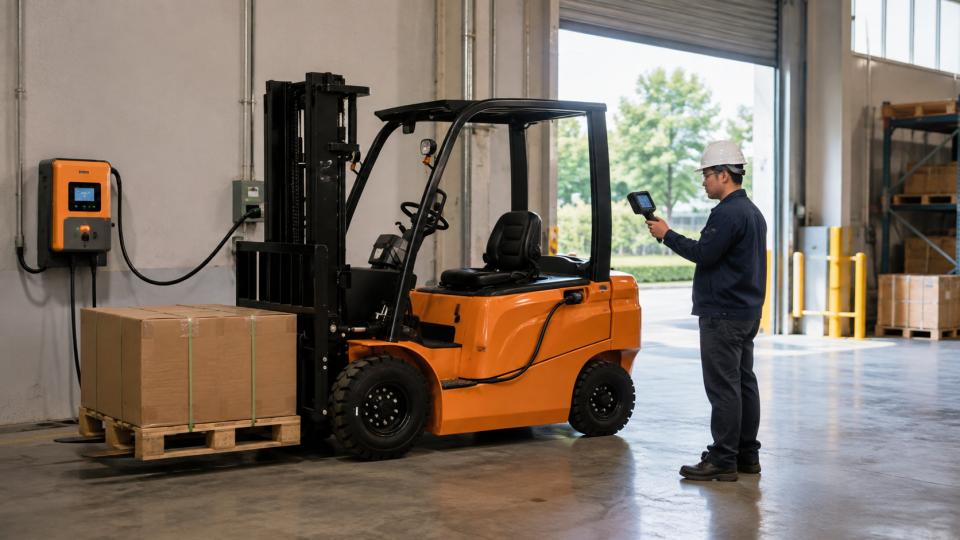
Match battery capacity and charger output to shift windows, ambient temperature and available electrical service. Specify non-marking tyres where required, verify floor loading, and select mast and fork geometry for packaged electrical equipment. Protect chargers from dust, water and impacts.
Visibility and control deserve the same attention as capacity. Review the mast, carriage, tyres, lighting, mirrors or cameras, restraint, warnings and speed management as one system. Dust, cold, heat, moisture and corrosion may require additional protection and shorter inspection intervals. Operators must see the intended path and place loads without leaving the protective zone.
Compare the B60 heavy-duty lithium electric forklift for a second view of manoeuvrability, traction, energy source, lift height and service access.
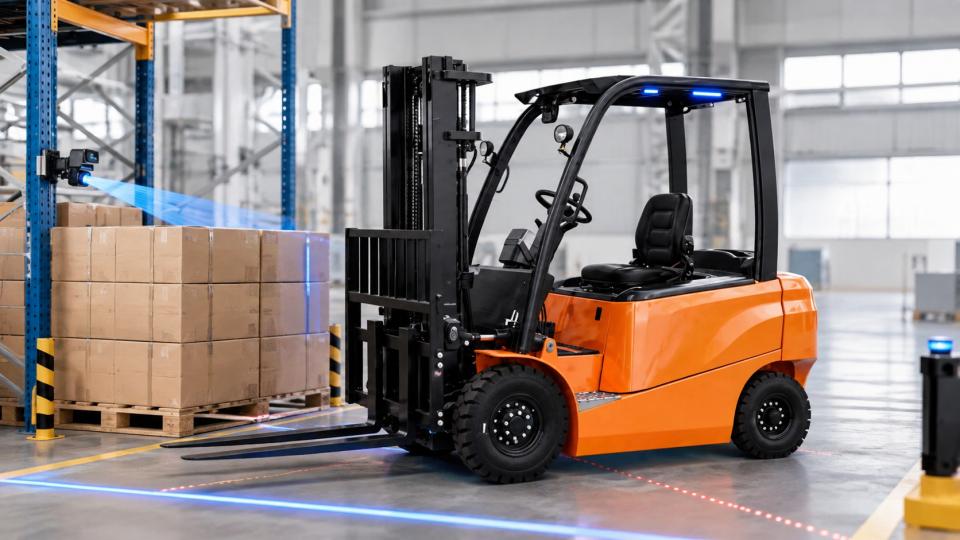
Separate charging locations from traffic, provide inspection and emergency procedures, and follow manufacturer guidance for battery faults. Use low speeds near high-value equipment and finished surfaces. Train operators to recognize reduced clearances around cable trays and temporary services.
Create a written operating envelope for each route: maximum load and height, travel direction, pedestrian exclusion points, slope rules and stop-work conditions. Complete a pre-shift inspection of tyres, forks, chains, hoses, brakes, steering, warning devices and the energy or fuel system. Isolate defects that affect stability, braking or visibility.
Supervisors should observe real work and record near misses, harsh braking, overload attempts, impacts and recurring maintenance issues. Use the findings to improve layout, traffic separation, signage and coaching. Equipment cannot compensate for an uncontrolled work area, and a good layout still depends on disciplined operators.
The ZG-CPD25B 2.5-ton lithium electric forklift is the third product reference for application comparison.
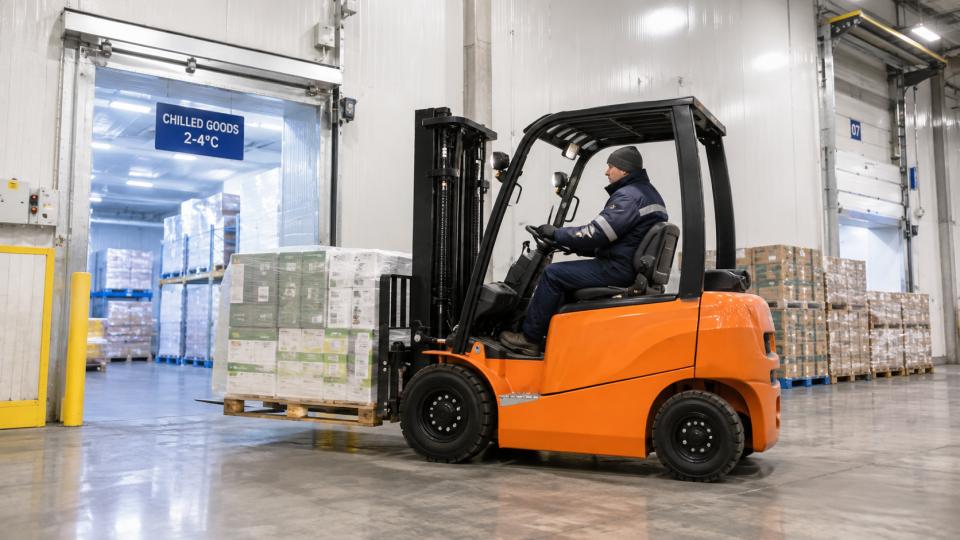
Model energy tariffs, demand charges, charger installation, battery warranty and utilisation. Opportunity charging can reduce battery size only when breaks and power availability are predictable.
Build the business case around productive hours rather than purchase price alone. Include operator time, planned maintenance, tyres, energy or fuel, charging or storage infrastructure, transport between sites, downtime risk and resale value. Standardising common parts can reduce inventory, while forcing one specification onto every task may create inefficient compromises.
A staged trial is often the strongest decision method. Select a representative route, define success measures, brief operators, and compare throughput, energy use, handling accuracy and maintenance observations. Review results with operations, safety and finance before fleet-wide deployment.
ZGFORKLIFT and MYZG can tailor the final specification after reviewing the application. Product availability varies by market; confirm the latest technical data and comply with local rules before purchase or operation.
Contact Shandong Zhuogong Machinery equipment Co.,Ltd. Email: vip@mingyuforklift.com. Tel: +86-0535-2090977. WhatsApp: +86 131 8160 2336. Address: Xiaqiu Town, Laizhou, Yantai City, Shandong Province, China.
Send the maximum load, load-center distance, aisle width, gradient, surface condition, daily duty hours and climate so MYZG engineers can recommend a practical configuration instead of a generic catalogue answer.
Name: selena
Mobile:+86-13176910558
Tel:+86-0535-2090977
Whatsapp:8613181602336
Email:vip@mingyuforklift.com
Add:Xiaqiu Town, Laizhou, Yantai City, Shandong Province, China
